|
Hear the Pieces Mozart Composed When He Was Only 5 Years Old, Curious Alice — The 1971 Anti-Drug Movie Based on Alice in Wonderland That Oddly Made Drugs Look Like Fun ͏ ͏ ͏ ͏ ͏ ͏ ͏ ͏ ͏ ͏ ͏ ͏ ͏ ͏ ͏ ͏ ͏ ͏ ͏ ͏ ͏ ͏ ͏ ͏ ͏ ͏ ͏ ͏ ͏ ͏
|
| |
|
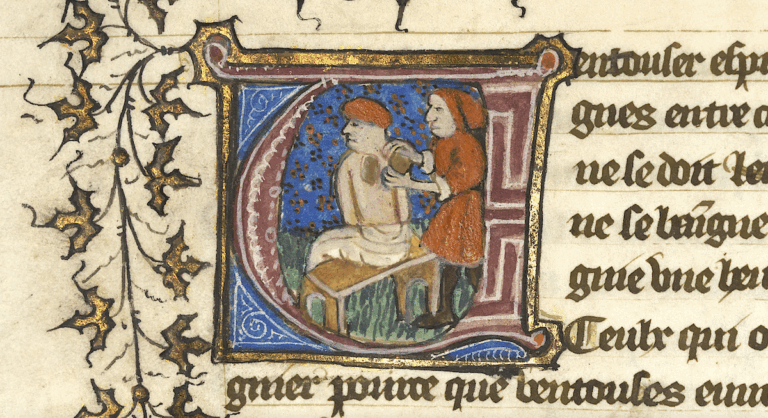
If any discussion of medieval medicine gets going, it’s only a matter of time before someone brings up leeches. And it turns out that the centrality of those squirming blood-suckers to the treatment of disease in the Middle Ages isn’t much overstated, at least judging by a look through Curious Cures. A…
|
|
|
|
| |
|
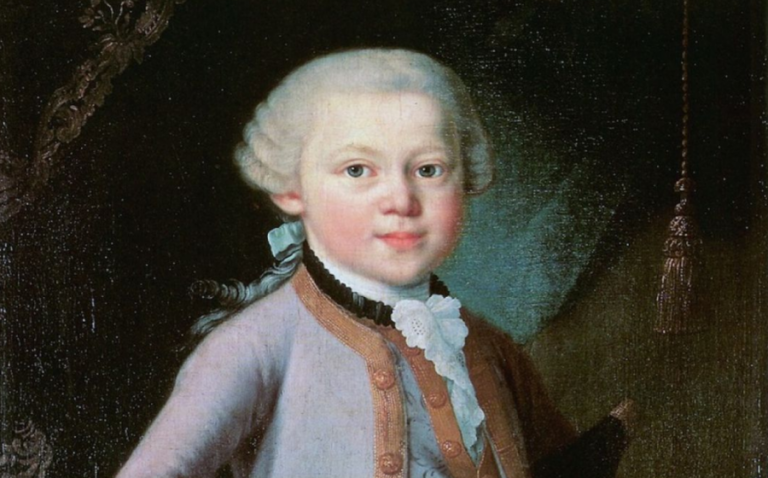
A preternaturally talented, precocious child, barely out of toddlerhood, in powdered wig and knee-breeches, capering around the great houses of 18th century Europe between virtuoso performances on the harpsichord. A young boy who can play any piece anyone puts in front of him, and compose symphonies extemporaneously with ease…. Few scenes better capture the mythos…
|
|
|
|
| |
|
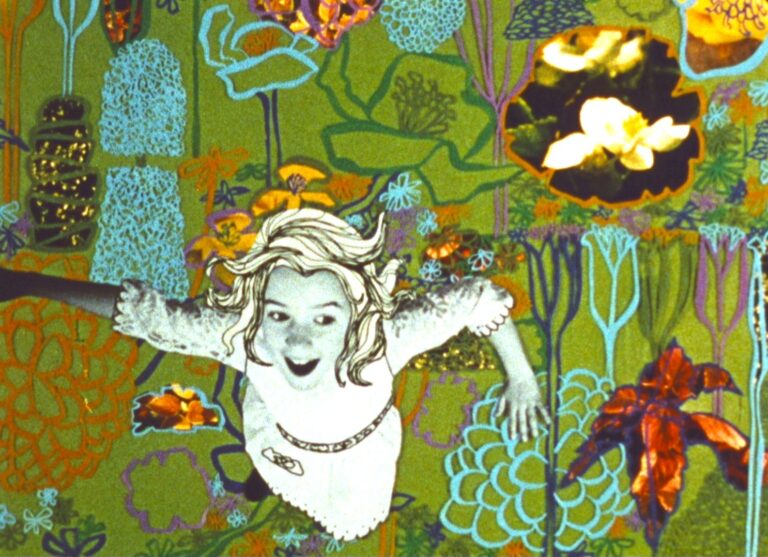
The Reagan presidency was probably the golden age of anti-drug messaging. America’s school kids were told that a brain was like an egg and drugs were like a frying pan. The First Lady told America’s school kids simply to “Just Say No.” The message was stupefyingly simple. Drugs, like Communism and taxes, are…
|
|
|
|
| |

|
In 1926, Fritz Kahn, a German gynecologist and anatomy textbook author, produced a lithograph called Der Mensch als Industriepalast (Man as Industrial Palace) that depicted the human body as a factory, a chemical plant of sorts. Kahn’s body came complete with mechanical lungs, a rock-sorting stomach, gears for a throat, and a switchboard…
|
|
|
|
| |
|
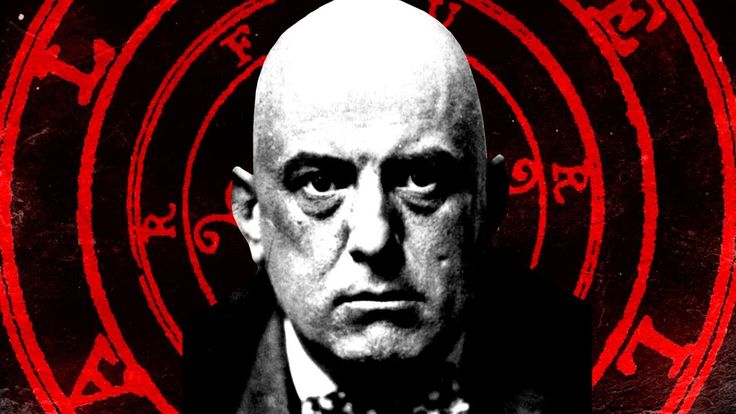
“Do what thou wilt”: as the central principle of a worldview, it may not sound like much, but at least there are always a great many people ready and willing to hear it. So discovered Aleister Crowley, the early twentieth-century Occultist now remembered not just for his unconventional religious practices, but also for his…
|
|
|
|