|
The Technology That Brought Down Medieval Castles and Changed the Middle Ages, How Erik Satie Invented Modern Music: A Visual Explanation ͏ ͏ ͏ ͏ ͏ ͏ ͏ ͏ ͏ ͏ ͏ ͏ ͏ ͏ ͏ ͏ ͏ ͏ ͏ ͏ ͏ ͏ ͏ ͏ ͏ ͏ ͏ ͏ ͏ ͏ ͏ ͏ ͏ ͏ ͏ ͏ ͏ ͏ ͏ ͏ ͏ ͏ ͏ ͏ ͏ ͏ ͏ ͏ ͏ ͏ ͏ ͏ ͏ ͏ ͏ ͏ ͏ ͏ ͏ ͏ ͏ ͏ ͏
|
| |
|
Photo by Paul Booth
You value decorum, propriety, eloquence, you treasure le mot juste and agonize over diction as you compose polite but strongly-worded letters to the editor. But alas, my literate friend, you have the misfortune of living in the age of Twitter, Tumblr, et al., where the favored means of communication…
|
|
|
|
| |
|
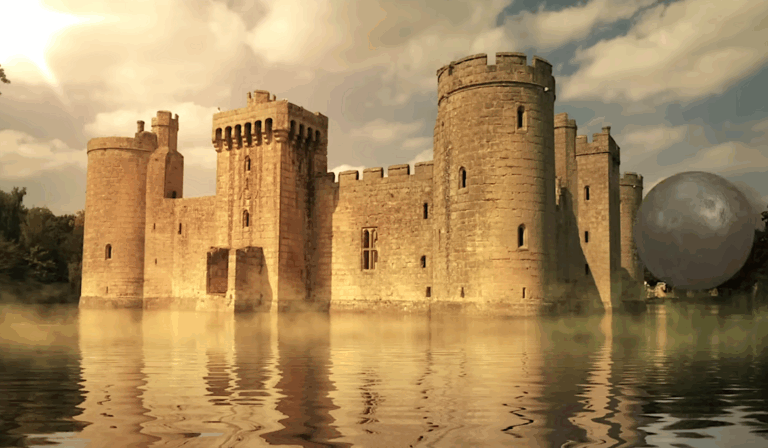
Civilization moved past the use of castles long ago, but their imagery endures in popular culture. Even young children here in the twenty-twenties have an idea of what castles look like. But why do they look like that? Admittedly, that’s a bit of a trick question: the popular concept of castles tends to be inspired…
|
|
|
|
| |
|
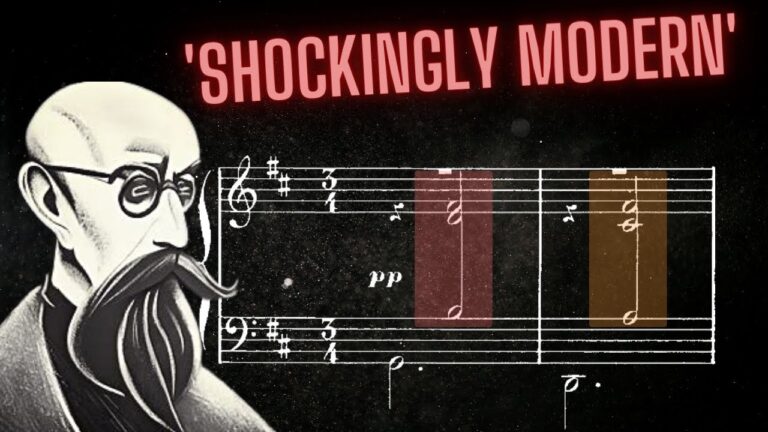
Once you hear Erik Satie’s Gymnopédie No. 1, you never forget it. Not that popular culture would let you forget it: the piece has been, and continues to be, reinterpreted and sampled by musicians working in a variety of genres from pop to electronic to metal. In versions that sound close to what Satie would…
|
|
|
|
| |
|
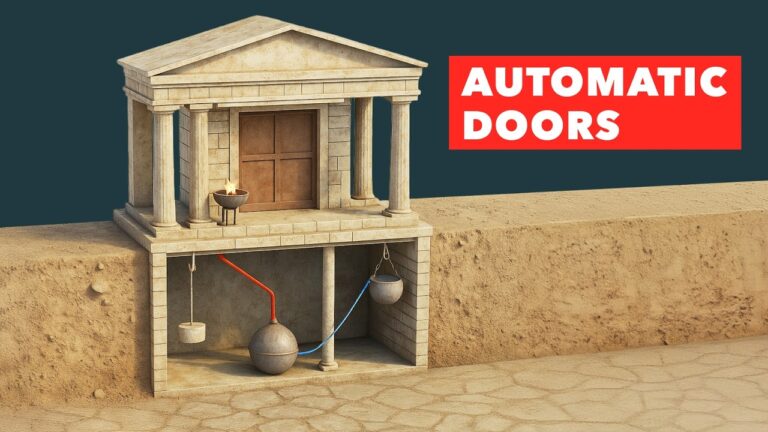
Ancient Rome never had an industrial revolution. Granted, certain historians have objected now and again to that once-settled claim, gesturing toward large heaps of pottery discovered in garbage dumps and other such artifacts clearly produced in large numbers. Still, the fact remains that Ancient Rome never had an industrial revolution of the kind that fired…
|
|
|
|