|
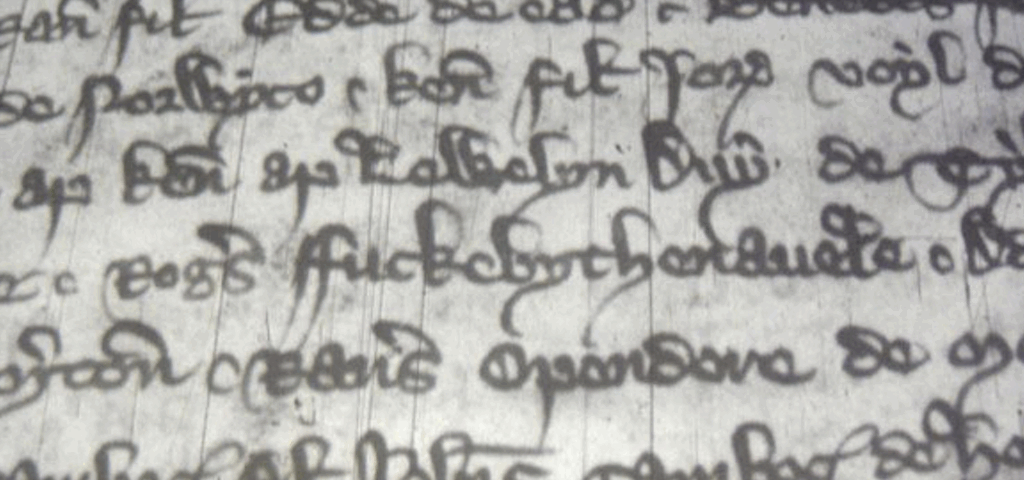
The Earliest Known Appearance of the F‑Word (1310), The Technology That Brought Down Medieval Castles and Changed the Middle Ages ͏ ͏ ͏ ͏ ͏ ͏ ͏ ͏ ͏ ͏ ͏ ͏ ͏ ͏ ͏ ͏ ͏ ͏ ͏ ͏ ͏ ͏ ͏ ͏ ͏ ͏ ͏ ͏ ͏ ͏ ͏ ͏ ͏ ͏ ͏ ͏ ͏ ͏ ͏ ͏ ͏ ͏ ͏ ͏ ͏ ͏ ͏ ͏ ͏ ͏ ͏ ͏ ͏ ͏ ͏ ͏ ͏ ͏ ͏ ͏ ͏ ͏ ͏ ͏ ͏ ͏ ͏ ͏ ͏
|
| |
|
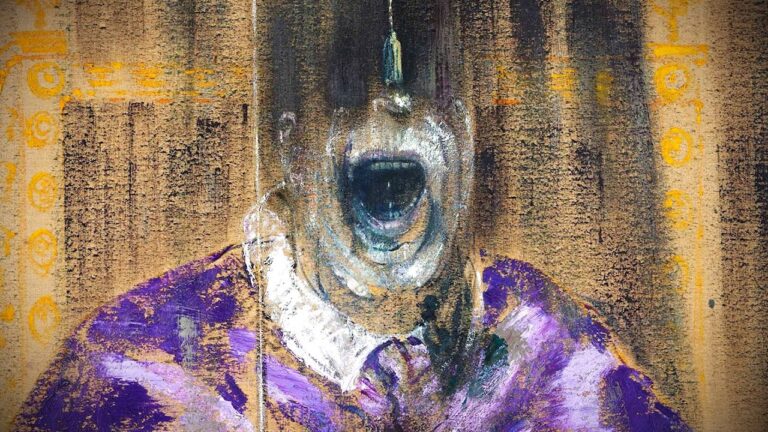
Mention Francis Bacon, and you sometimes have to clarify which one you mean: the twentieth-century painter, or the seventeenth-century philosopher? Despite how much time separated their lives, the two men aren’t without their connections. One may actually have been a descendant of the other, if you credit the artist’s father’s claim of relation to…
|
|
|
|
| |
|
Photo by Paul Booth
You value decorum, propriety, eloquence, you treasure le mot juste and agonize over diction as you compose polite but strongly-worded letters to the editor. But alas, my literate friend, you have the misfortune of living in the age of Twitter, Tumblr, et al., where the favored means of communication…
|
|
|
|
| |
|
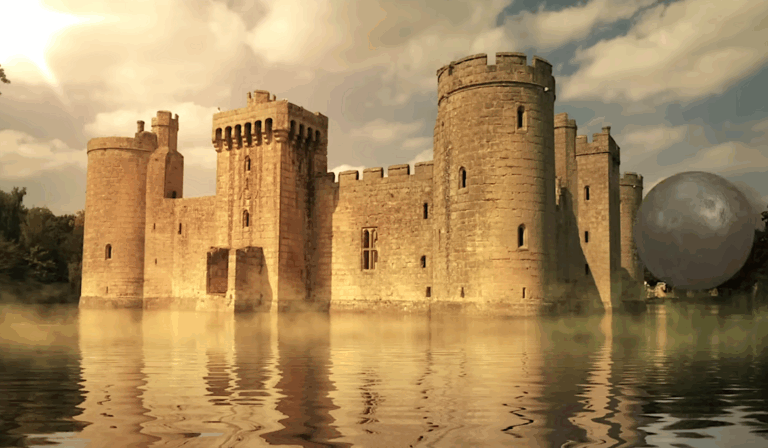
Civilization moved past the use of castles long ago, but their imagery endures in popular culture. Even young children here in the twenty-twenties have an idea of what castles look like. But why do they look like that? Admittedly, that’s a bit of a trick question: the popular concept of castles tends to be inspired…
|
|
|
|
| |
|
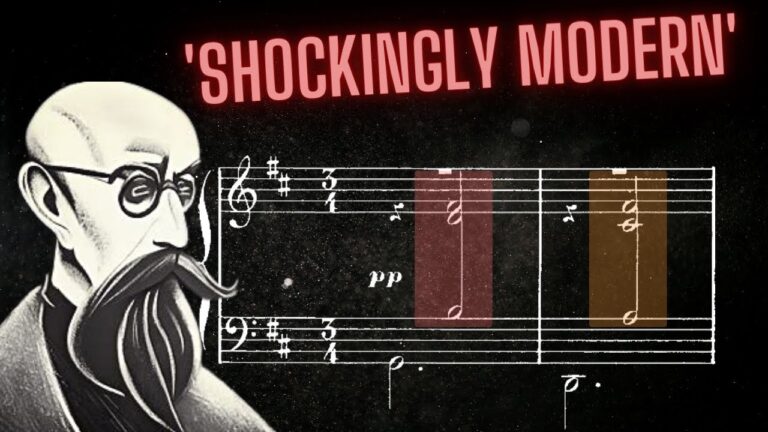
Once you hear Erik Satie’s Gymnopédie No. 1, you never forget it. Not that popular culture would let you forget it: the piece has been, and continues to be, reinterpreted and sampled by musicians working in a variety of genres from pop to electronic to metal. In versions that sound close to what Satie would…
|
|
|
|