|
The Gilded Age: A Free Historical Documentary That Helps Make Sense of Our Own Fraught Times, Ernst Haeckel’s Sublime Drawings of Flora & Fauna: The Beautiful Scientific Drawings That Influenced Europe’s Art Nouveau Movement (1889)
|
| |
|
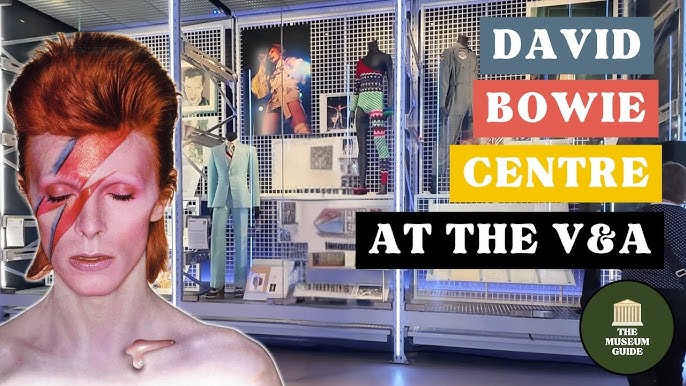
With the tenth anniversary of David Bowie’s death coming up early next year, more than a few fans will have their minds on a pilgrimage to mark the occasion. Perhaps with that very time frame in mind, the V&A East Storehouse in London has just opened the David Bowie Center. Run by the Victoria and Albert Museum, to which Bowie left an archive of about 90,000 of his possessions, this new institution will show a few hundred of those artifacts at a time, and even make a range of them available on request to visitors. As for what exactly is in there, Jessica the Museum Guide makes a brief survey of the Bowieana currently on display in the video above.
Some of the featured objects, like the suits Bowie wore in his videos for “Life on Mars?” and “Let’s Dance” or the crystal ball he held aloft as Jareth the Goblin King in Labyrinth, may well be recognizable even to casual Bowie appreciators. Longer-term fans will surely recognize the outlandish but elegant Kansai Yamamoto-designed costumes that visually defined personae like […]
|
|
|
|
| |
|
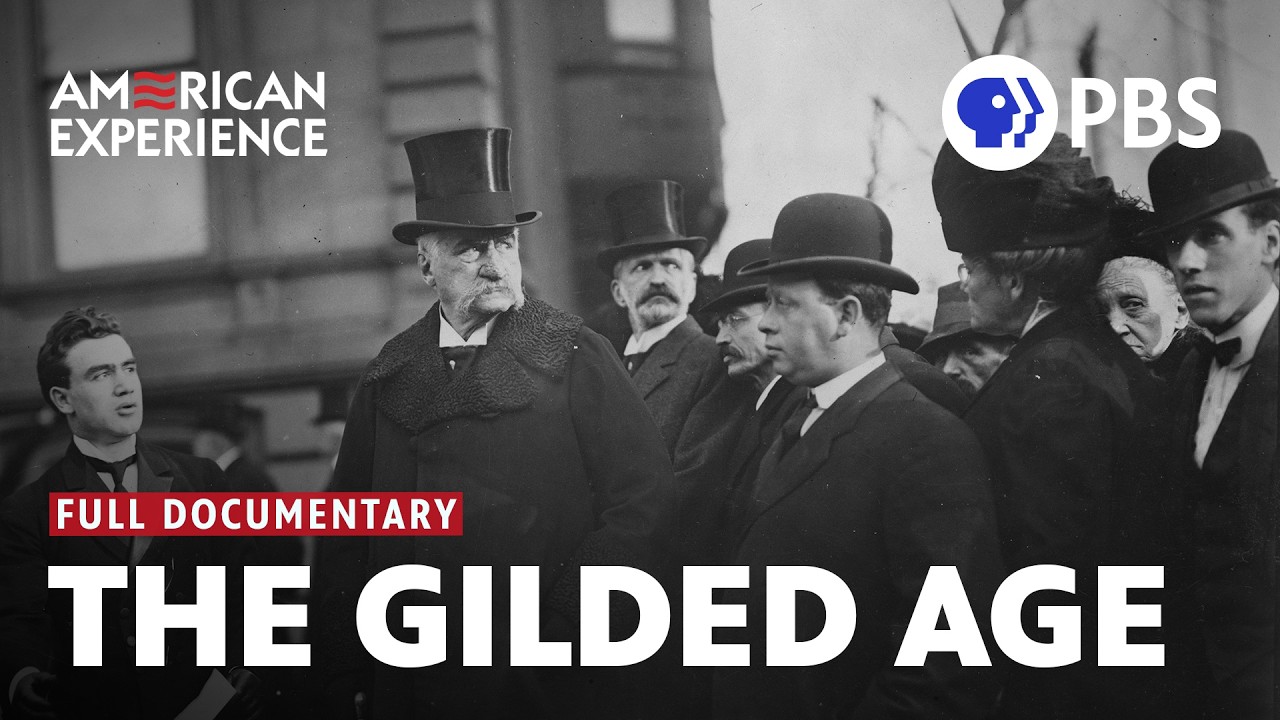
Ever-increasing economic inequality, rapid technological change, the creation of dominant corporations controlled by a small business elite, political corruption, and the rise of populism and nativism. These are all features of American life in 2025. But our nation has also seen this movie play before, most notably back in the Gilded Age, which ran from the 1870s through the late 1890s. Above, we have a free two-hour documentary on the Gilded Age created by PBS. They write:
In the closing decades of the nineteenth century, during what has become known as the Gilded Age, the population of the United States doubled in the span of a single generation. The nation became the world’s leading producer of food, coal, oil, and steel, attracted vast amounts of foreign investment, and pushed into markets in Europe and the Far East. As national wealth expanded, two classes rose simultaneously, separated by a gulf of experience and circumstance that was unprecedented in American life. These disparities sparked passionate and violent debate over questions still being asked in our own times: How is wealth best […]
|
|
|
|
| |
|
If you follow the ongoing beef many popular scientists have with philosophy, you’d be forgiven for thinking the two disciplines have nothing to say to each other. That’s a sadly false impression, though they have become almost entirely separate professional institutions. But during the first, say, 200 years of modern science, scientists…
|
|
|
|
| |
|
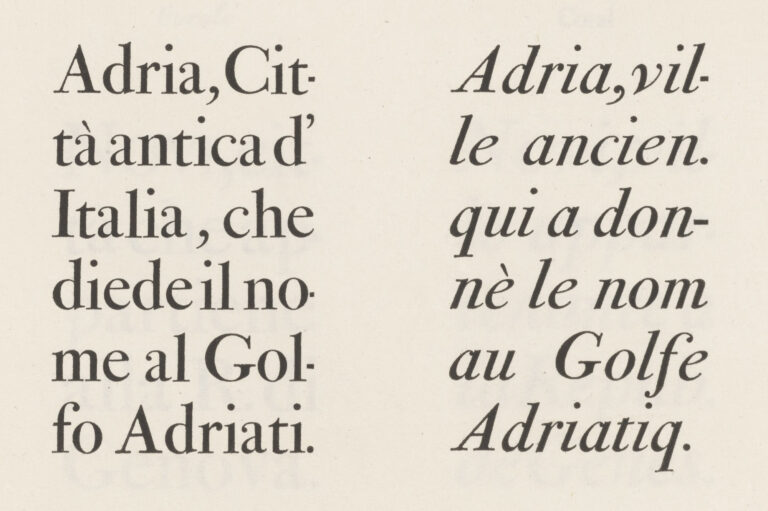
Times New Roman has been around since 1931, longer than most of us have been alive — and for longer than many of us have been alive, word-processing applications have come with it as the default font. We tend, therefore, to regard it less as something created than as something for all intents…
|
|
|
|
| |
|
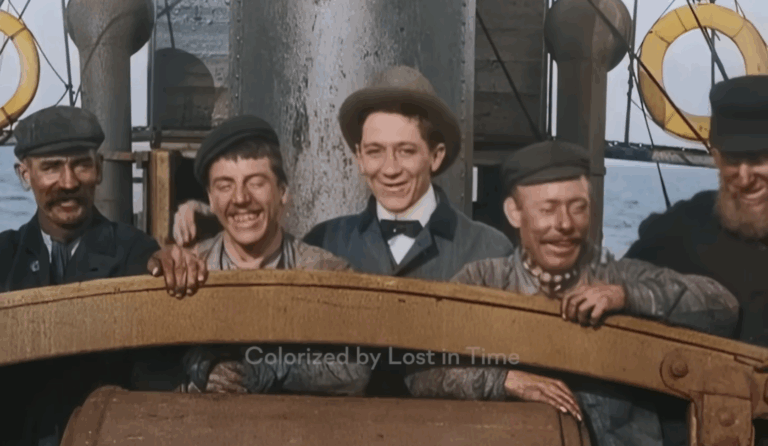
From today’s vantage, the first decade of the twentieth century can look like an even more distant period of history than it is. In many corners of urban civilization, the cabarets, tearooms, and other near-paralytically mannered institutions of the Belle Époque were very much going concerns. To those who lived in that era, it must…
|
|
|
|