|
Bruce Springsteen Revives the Protest Song, Condemns ICE Violence in “Streets of Minneapolis”, Why Jerry Seinfeld Lives by the Stoic Philosophy of Marcus Aurelius ͏ ͏ ͏ ͏ ͏ ͏ ͏ ͏ ͏ ͏ ͏ ͏ ͏ ͏ ͏ ͏ ͏ ͏ ͏ ͏ ͏ ͏ ͏ ͏ ͏ ͏ ͏ ͏ ͏ ͏ ͏ ͏ ͏ ͏
|
| |
|
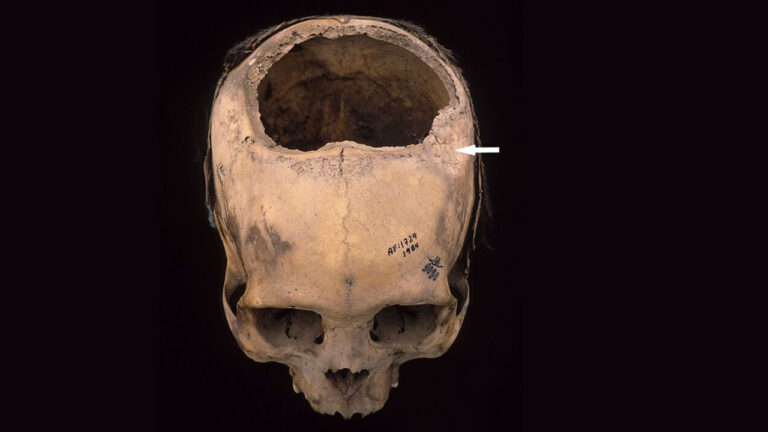
Granted access to a time machine, few of us would presumably opt first for the experience of skull surgery by the Incas. Yet our chances of survival would be better than if we underwent the same procedure 400 years later, at least if it took place on a Civil War battlefield. In both…
|
|
|
|
| |

|
If there’s a silver lining to our tumultuous times, it’s that musicians are reviving the protest song, a tradition that has withered since the end of the Vietnam War. Credence Clearwater Revival’s “Fortunate Son,” Arlo Guthrie’s “Alice’s Restaurant,” Jimi Hendrix’s “Machine Gun”—these songs all took aim at the Johnson and Nixon administrations’…
|
|
|
|
| |
|
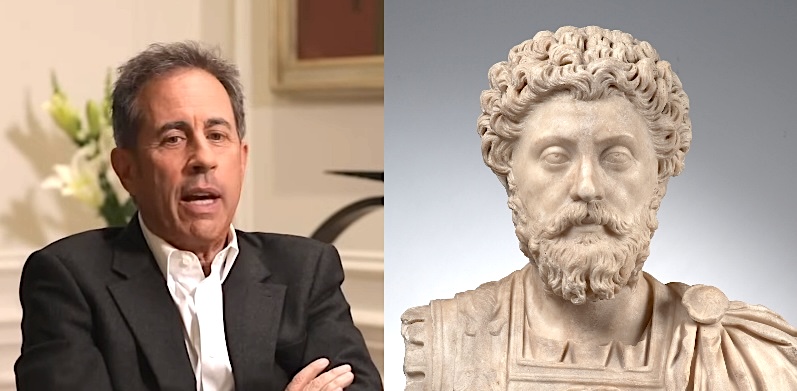
Having previously considered whether comedians are the philosophers of our time, we must now ask whether they, too, build upon the work of other philosophers. Few of today’s most prominent funny men and women live a philosophical life — or have cultivated the temperament necessary to live a philosophical life — more publicly than…
|
|
|
|
| |

|
Gladys Mae West was born in rural Virginia in 1930, grew up working on a tobacco farm, and died earlier this month a celebrated mathematician whose work made possible the GPS technology most of us use each and every day. Hers was a distinctively American life, in more ways than one. Seeking an escape…
|
|
|
|
| |
|
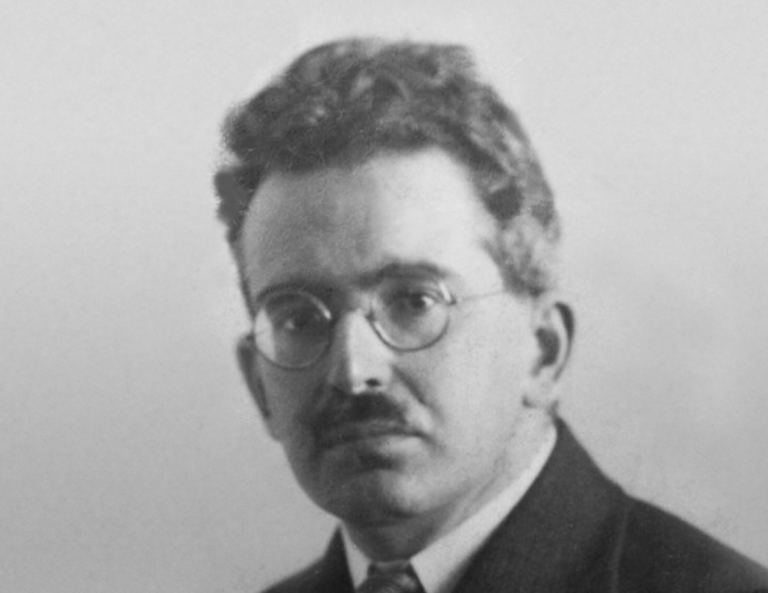
Image via Wikimedia Commons
In his 1935 essay, “The Work of Art in the Age of Mechanical Reproducibility,” influential German-Jewish critic Walter Benjamin introduced the term “aura” to describe an authentic experience of art. Aura relates to the physical proximity between objects and their viewers. Its loss, Benjamin argued, was a…
|
|
|
|