|
Seven Wonders of the Ancient World: From the Walls of Babylon to the Sewers of Rome, Bertrand Russell’s Advice For How (Not) to Grow Old: “Make Your Interests Gradually Wider and More Impersonal”
|
| |
|
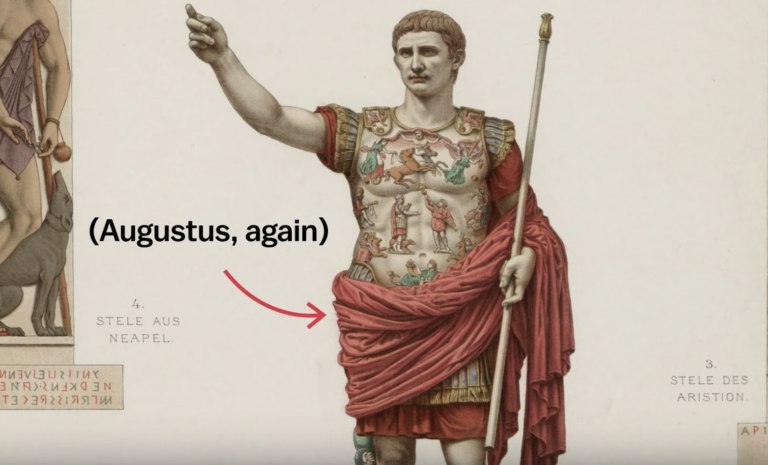
The idea of the classical period—the time of ancient Greece and Rome—as an elegantly unified collection of superior aesthetic and philosophical cultural traits has its own history, one that comes in large part from the era of the Neoclassical. The rediscovery of antiquity took some time to reach the pitch it would during the 18th…
|
|
|
|
| |
|
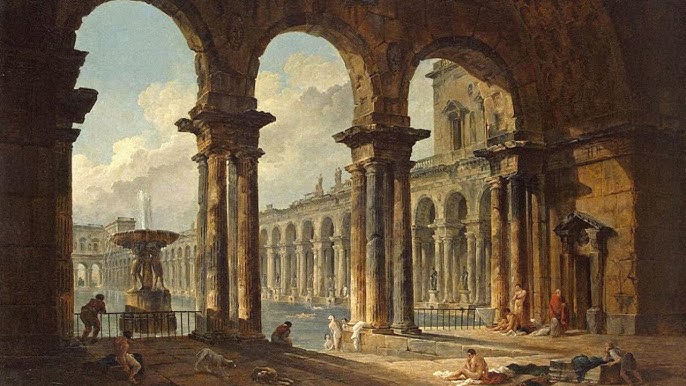
You may not be able to name all, or even most, of the seven wonders of the ancient world. But you almost certainly know that there were seven of them. In a way, that aligns well enough with the worldview of the Greeks who first made reference to such a list, given their near-reverence for…
|
|
|
|
| |

|
Image by National Portrait Gallery, via Wikimedia Commons
Advice on how to grow old frequently comes from such banal or bloodless sources that we can be forgiven for ignoring it. Public health officials who dispense wisdom may have good intentions; pharmaceutical companies who do the same may not. In either case, the…
|
|
|
|
| |
|
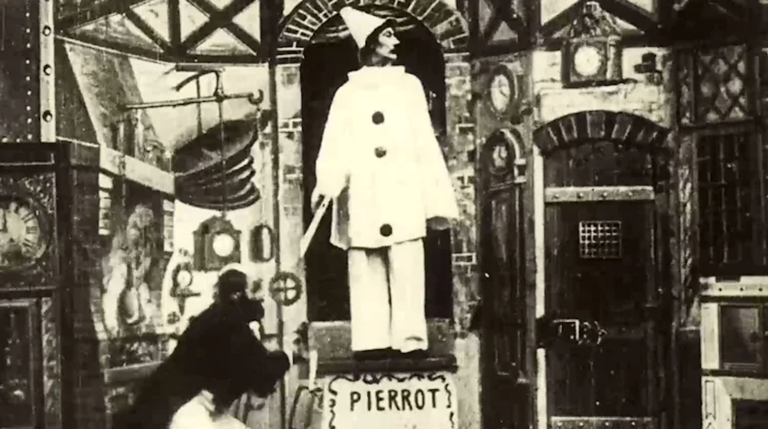
Metropolis, Forbidden Planet, 2001: A Space Odyssey, Star Wars, Blade Runner, The Terminator, Short Circuit, RoboCop, Ghost in the Shell, The Iron Giant, WALL‑E, Ex Machina: there is a parallel history of cinema to be told entirely through its robots. That such a history must begin with the work of Georges Méliès may not…
|
|
|
|
| |

|
As a young amateur painter and future art school dropout, I frequently found myself haunted by the faces of two artists, that famously odd couple from my favorite art history novelization—and Kirk Douglas role and Iggy Pop song—Lust for Life. Vincent van Gogh and Paul Gauguin, above and below respectively, the tormented Dutch…
|
|
|
|