|
The Futurist Cookbook (1930) Tried to Turn Italian Cuisine into Modern Art, AI Figures Out the Rules of a Mysterious 2,000-Year-Old Board Game from Ancient Rome ͏ ͏ ͏ ͏ ͏ ͏ ͏ ͏ ͏ ͏ ͏ ͏ ͏ ͏ ͏ ͏ ͏ ͏ ͏ ͏ ͏ ͏ ͏ ͏ ͏ ͏ ͏ ͏ ͏ ͏ ͏ ͏ ͏ ͏ ͏ ͏ ͏ ͏ ͏ ͏
|
| |
|
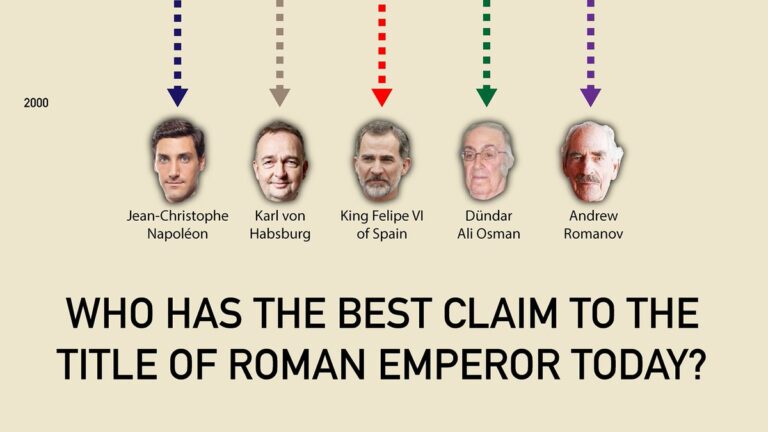
During Wimbledon a few years ago, a thread about King Felipe VI of Spain went viral. It was posted to the social media platform formerly known as Twitter by Derek Guy, author of the menswear blog Die, Workwear! “Very rare to see this level of tailoring nowadays, even on the wealthy,” he commented…
|
|
|
|
| |
|
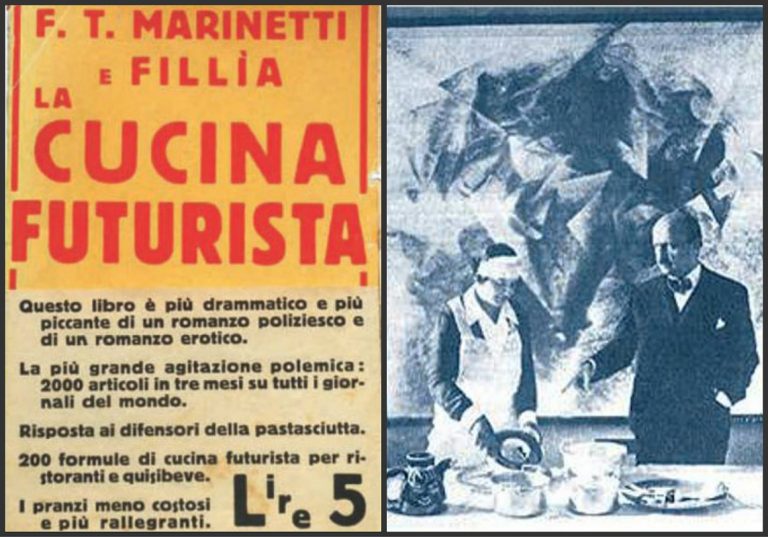
With the savage cuts in arts funding, perhaps we’ll return to a system of noblesse oblige familiar to students of The Gilded Age, when artists needed independent wealth or patronage, and wealthy industrialists often decided what was art, and what wasn’t. Unlike fine art, however, haute cuisine has always relied on the patronage of…
|
|
|
|
| |
|
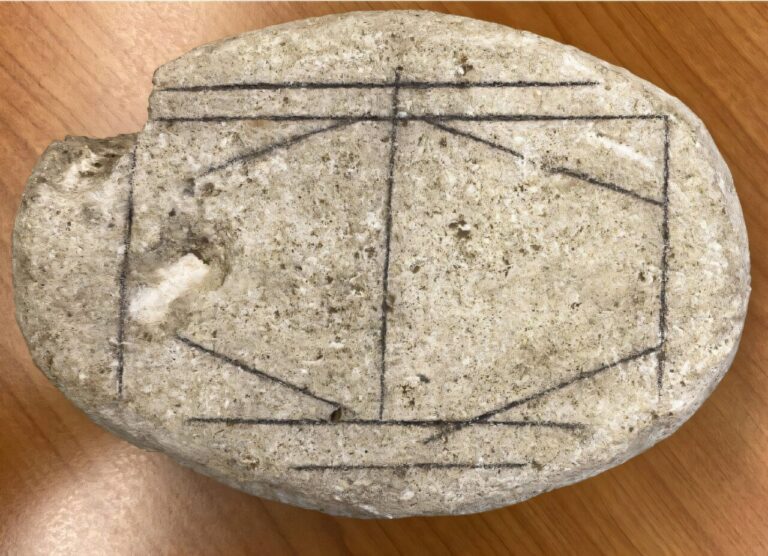
Image by Walter Crist
As far as enthusiasm for board games goes, no continent has yet outdone Europe. Its advantage could lie in the highly developed culture of low-cost leisure evident in quite a few of its societies; it could also owe to the fact that board games seem to have been played…
|
|
|
|
| |
|
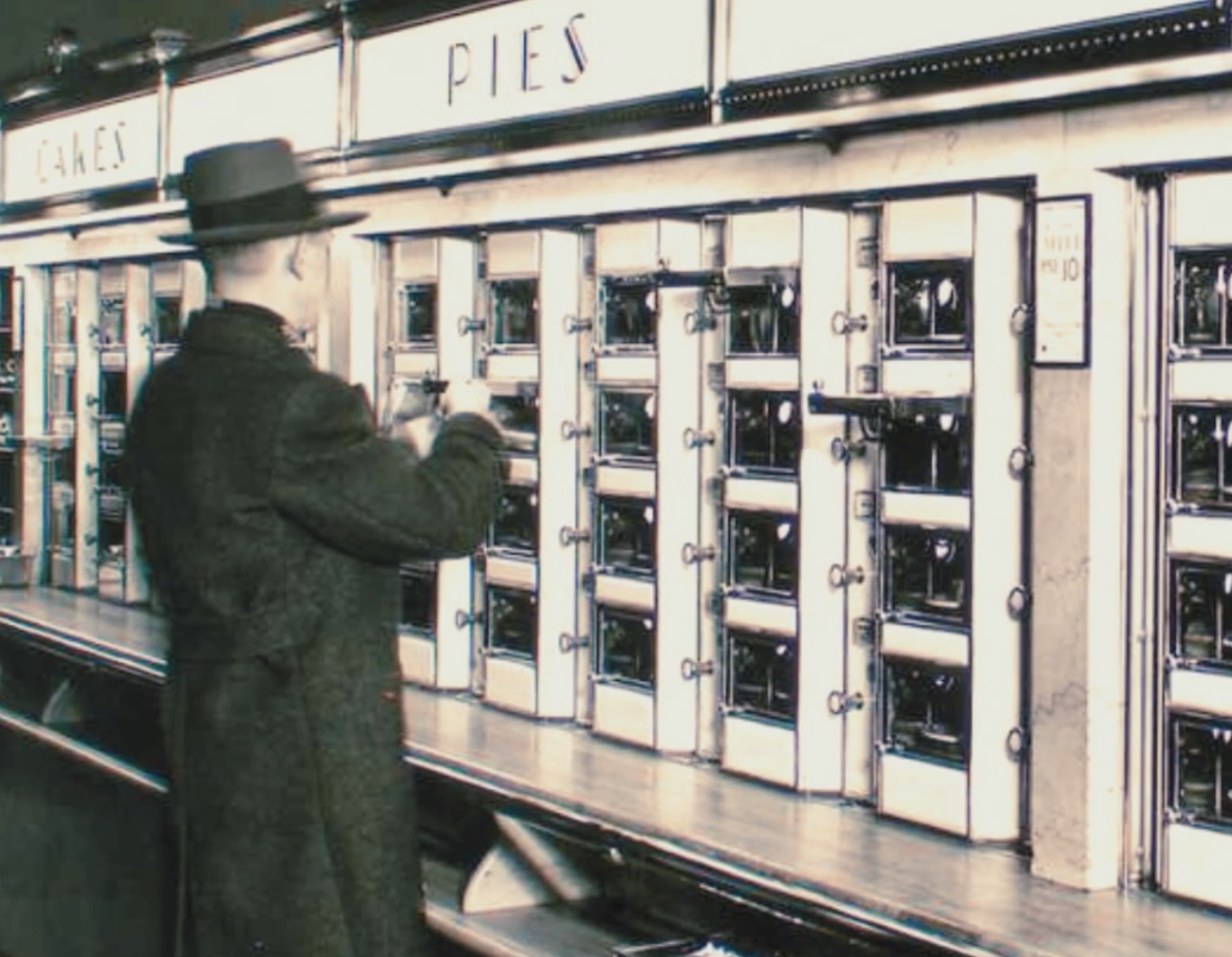
“Good evening,” said Alfred Hitchcock to the television viewers of America on March 25, 1959. “Tonight I’m dining at my favorite club. There are many advantages here. As you can see, informality is the rule. There is also the stimulation of intellectual companionship without the deafening quiet that pervades most clubs. Best of all, I like its privacy: only four persons are allowed at a table, and, of course, no one pays any attention to you.” This was an example of the deadpan irony with which the filmmaker introduced each broadcast of Alfred Hitchcock Presents, for the “club” of which he spoke was clearly an automat. Today, many readers under about 50 will never have heard the word, but at the time, it referred to a seemingly permanent institution in American life.
httpv://www.youtube.com/watch?v=mKeXw2K9haE
Or rather, an institution of urban American life, and above all in two cities, Philadelphia and New York. There, no one could think of automats without thinking of Horn & Hardart, in its heyday the largest restaurant chain in the world. The concept, which co-founder Joseph Horn imported over from […]
|
|
|
|
| |
|
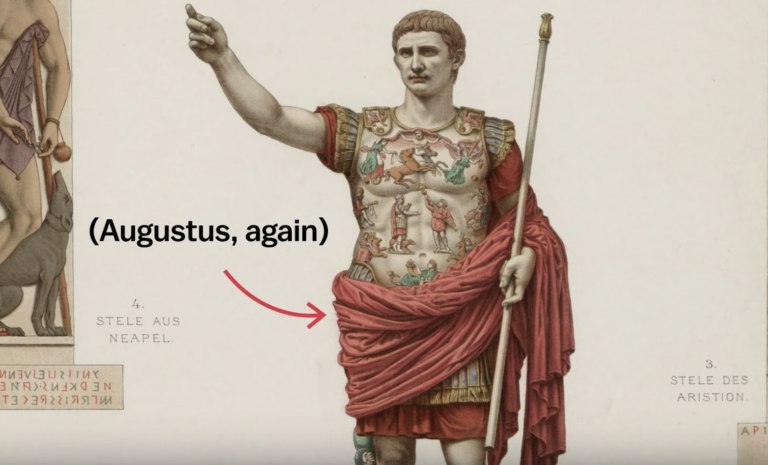
The idea of the classical period—the time of ancient Greece and Rome—as an elegantly unified collection of superior aesthetic and philosophical cultural traits has its own history, one that comes in large part from the era of the Neoclassical. The rediscovery of antiquity took some time to reach the pitch it would during the 18th…
|
|
|
|