|
| |

|
Ryuichi Sakamoto was born and raised in Japan. He rose to prominence as a member of Yellow Magic Orchestra, the most influential Japanese band in pop-music history. Last week, he died in Japan. But he also claimed not to consider himself Japanese. That reflects the dedication of his life’s work as a composer and performer…
|
|
|
|
| |

|
As Helen Reddy sang in the 70s:
You live your life in the songs you hear
On the rock n’ roll radio…
The 80s ushered in a new era, leaving the music industry forever changed, though the songs themselves retained their power to speak to us on a deeply personal level.
In 1979,…
|
|
|
|
| |

|
Wes Anderson has been making feature films for 27 years now, and in that time his work has grown more temporally and geographically specific. Though shot in his native Texas in the late nineteen-nineties, his breakout picture Rushmore seemed to take place in no one part of the United States — and even more…
|
|
|
|
| |
|
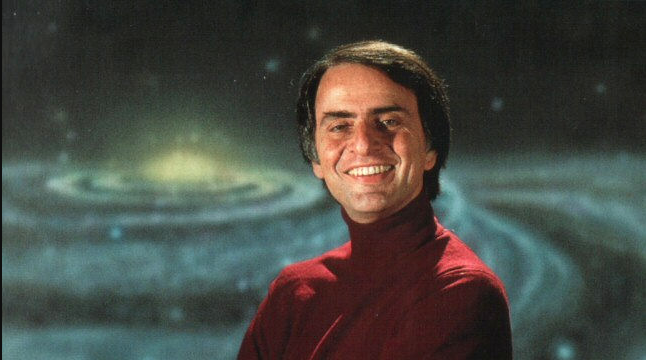
The denial of science suffuses American society, and no matter what the data says, some conservative forces refuse efforts to curtail, or even study, climate change. Astrophysicist Katie Mack calls this retrenchment a form of “data nihilism,” writing in an exasperated tweet, “What is science? How can a thing be known? Is anything even…
|
|
|
|
| |
|
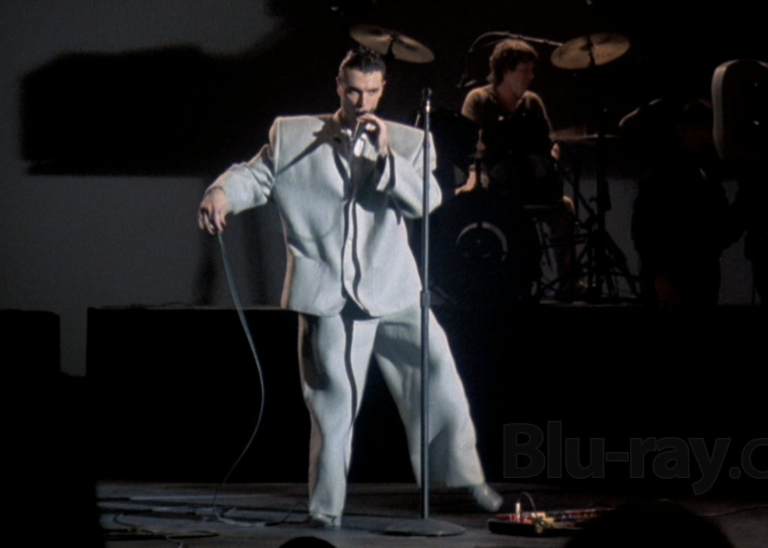
In the nineteen-seventies and eighties, the name of David Byrne’s band was Talking Heads — as the title of their 1982 live album perpetually reminds us. But their overall artistic project arguably had less to do with the head than the body, a proposition memorably underscored in Stop Making Sense, the Jonathan Demme-directed concert…
|
|
|
|