|
| |

|
Visitors to Japan can’t help but be struck by the beauty of its temples, its scenic views, its zen gardens, its manhole covers…
You read that right.
What started as a scheme to get taxpayers on board with pricey rural sewer projects in the 1980s has grown into a…
|
|
|
|
| |
|
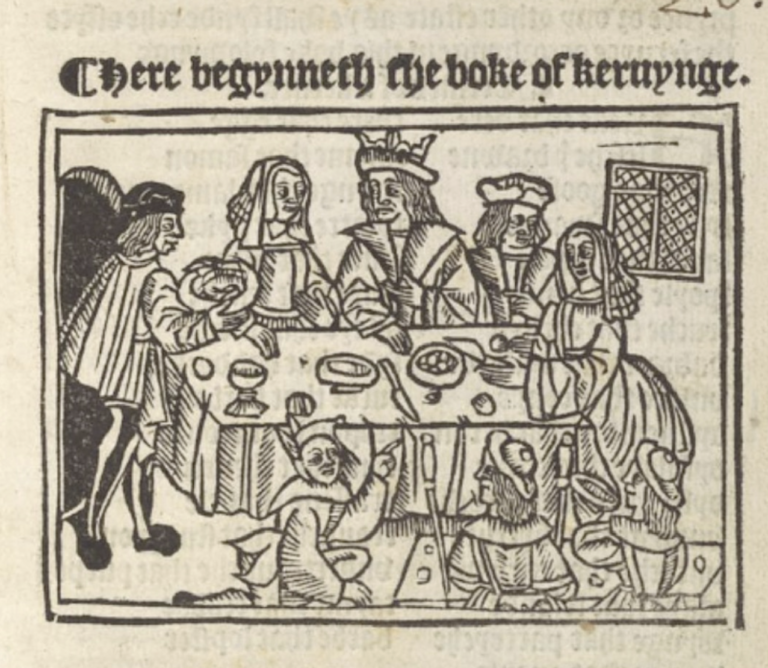
A lesser advertised joy of working in food service is achieving command of the slang:
Monkey dish…
Deuces and four tops…
Fire, flash, kill…
As you may have noticed, we here at Open Culture have an insatiable hunger for vintage lingo and it doesn’t get much more vintage…
|
|
|
|
| |
|
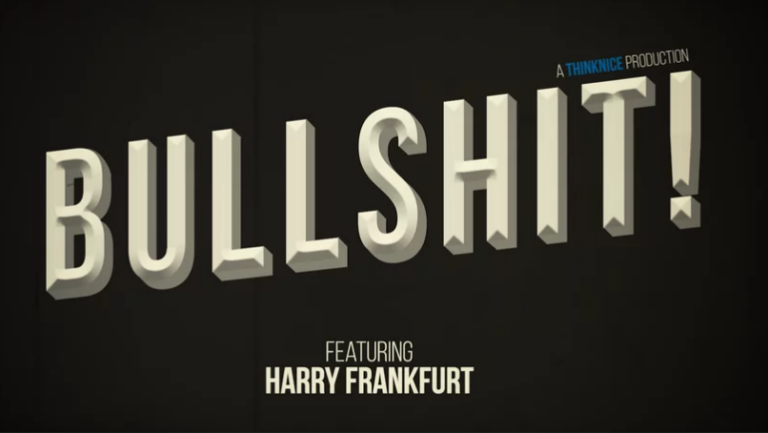
Note: Over the weekend, the Princeton philosopher Harry Frankfurt passed away at the age of 94. After a long career, he became the author of the surprise bestselling book, On Bullshit, which we featured in 2016. Please revisit our original post below.
We live in an age of truthiness. Comedian…
|
|
|
|
| |
|
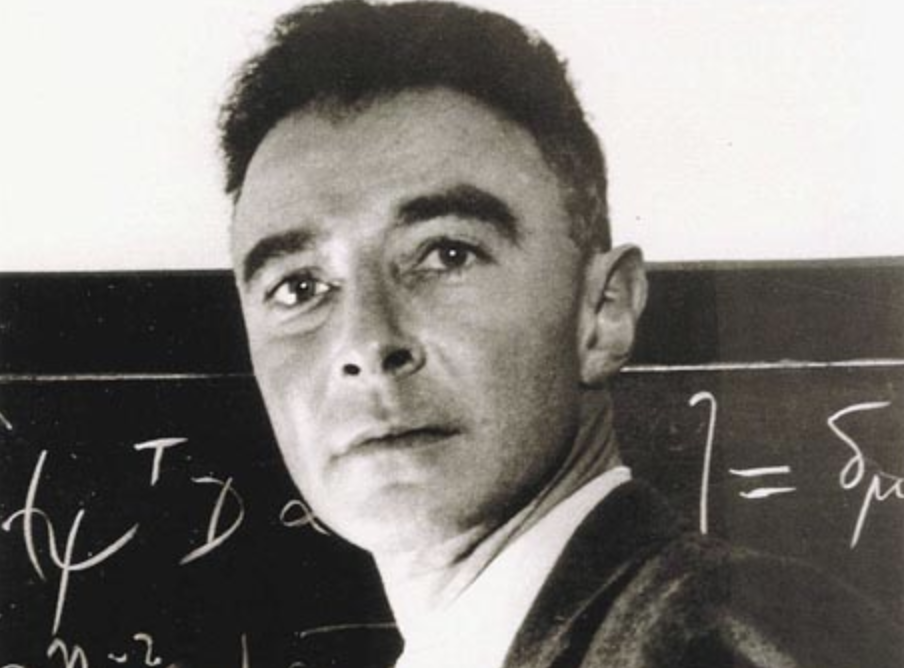
No matter how little we know of the Hindu religion, a line from one of its holy scriptures lives within us all: “Now I am become Death, the destroyer of worlds.” This is one facet of the legacy of J. Robert Oppenheimer, an American theoretical physicist who left an outsized mark on history. For his crucial role in the Manhattan Project that during World War II produced the first nuclear weapons, he’s now remembered as the”father of the atomic bomb.” He secured that title on July 16, 1945, the day of the test in the New Mexican desert that proved these experimental weapons actually work — that is, they could wreak a kind of destruction previously only seen in visions of the end of the world.
“We knew the world would not be the same,” Oppenheimer remembered in 1965. “A few people laughed, a few people cried. Most people were silent. I remembered the line from the Hindu scripture, the Bhagavad Gita; Vishnu is trying to persuade the Prince that he should do his duty and, to impress him, […]
|
|
|
|