|
Digest of new articles at openculture.com, your source for the best cultural and educational resources on the web ͏ ͏ ͏ ͏ ͏ ͏ ͏ ͏ ͏ ͏ ͏ ͏ ͏ ͏ ͏ ͏ ͏ ͏ ͏ ͏ ͏ ͏ ͏ ͏ ͏ ͏ ͏ ͏ ͏ ͏ ͏ ͏ ͏ ͏ ͏ ͏ ͏ ͏ ͏ ͏ ͏ ͏ ͏ ͏ ͏ ͏ ͏ ͏ ͏ ͏ ͏ ͏ ͏ ͏ ͏ ͏ ͏ ͏ ͏ ͏ ͏ ͏ ͏ ͏ ͏ ͏ ͏ ͏ ͏ ͏ ͏ ͏ ͏ ͏ ͏ ͏ ͏ ͏ ͏ ͏ ͏ ͏ ͏ ͏ ͏ ͏ ͏
|
|
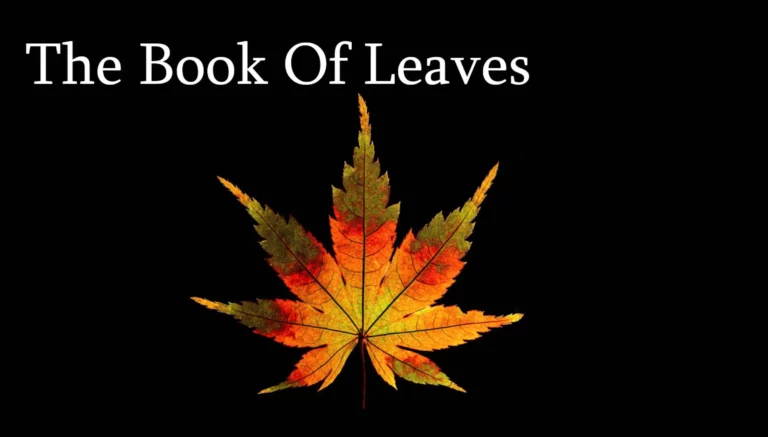
Brett Foxwell meticulously collected over 12,000 leaves while walking through forests and parks. Then he carefully arranged the leaves, many at different stage of development, into a stop motion sequence. He says:
While collecting leaves, I conceived that the leaf shape [of] every single plant type I could find would fit somewhere into a continuous animated sequence of leaves if that sequence were expansive enough. If I didn’t have the perfect shape, it meant I just had to collect more leaves.
Above, you can see the result of his painstaking work. You can also watch another exacting Foxwell animation, The Woodswimmer, here.
via Petapixel/Laughing Squid
Related Content
Watch “The Woodswimmer,” a Stop Motion Film Made Entirely with Wood, and “Brutally Tedious” Techniques
Stunningly Elaborate Ottoman Calligraphy Drawn on […]
|
|
|
|
|
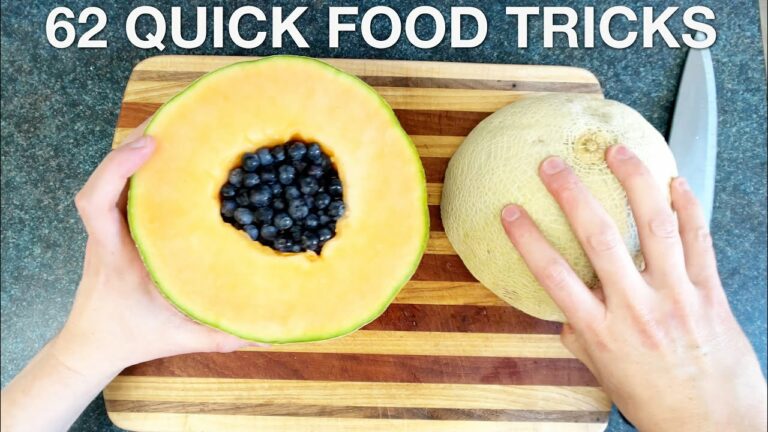
Is it just us, or did half of Gen Z teach themselves how to cook on TikTok during the height of the pandemic?
The recipes that go viral have more in common with gonzo science experiments than Julia Child’s Coq au Vin.
Hacks are golden in this forum – whether or not they actually work – and running time is of the essence.
There’s an unmistakable visual vocabulary, too – from the god shots of manicured hands dumping pre-measured ingredients into mixing bowls to the reveal of the completed dish just seconds later.
One has to be conversant in these tropes to subvert them as gleefully as the anonymous creator of the seven year old online series You Suck at Cooking.
Unlike such TikTok heavy hitters as cloud bread or whipped coffee, most of You Suck at Cooking‘s dishes are things you might consider preparing on a regular basis, however trendy they may be at the moment.
The responsible party’s cooking and editing skills are solid, but his writing is the real star here. We also appreciate the massive amount […]
|
|
|
|
|
More than a millennium and a half after its fall, we still look back with wonder on the accomplishments of the ancient Roman Empire. Few elements of its legacy impress us as much as its built environment — or in any case, what’s left of its built environment. Still, the fact that anything remains at all of the structures built by the Romans tells us that they were doing something right: specifically, they were doing concrete right. Just how they made that astonishingly durable building material has been a subject of research even in recent years, and we even featured it here on Open Culture back in 2017. But could we make Roman concrete today?
Such is the task of Shawn Kelly, host of the Youtube channel Corporal’s Corner, in the video above. Using materials like volcanic ash, pumice and limestone, he makes a brick that looks more than solid enough to go up against any modern concrete.
As of this writing, this simple video has racked up more than three million views, a number that reflects our enduring […]
|
|
|
|
|

A new deal to start a new year: Between now and January 14, 2023, Coursera is offering a $200 discount on its annual subscription plan called “Coursera Plus.” Normally priced at $399, Coursera Plus (now available for $199) gives you access to 90% of Coursera’s courses, Guided Projects, Specializations, and Professional Certificates, all of which are taught by top instructors from leading universities and companies (e.g. Yale, Duke, Google, Facebook, and more). The $199 annual fee–which translates roughly to 55 cents per day–could be a good investment for anyone interested in learning new subjects and skills in 2023, or earning certificates that can be added to your resume. Just as Netflix’s streaming service gives you access to unlimited movies, Coursera Plus gives you access to unlimited courses and certificates. It’s basically an all-you-can-eat deal.
You can try out Coursera Plus for 14 days, and if it doesn’t work for you, you can get your money back. Explore the offer […]
|
|
|
|
|
What is the most American institution of all? The mind first goes in the directions of church, of the military, of football. But if we consider only the systems of modern life developed on United States soil, the most influential must surely be fast food. That influence manifests in not just the homeland but the rest of the world as well, and like every robust American creation, fast food both changes and adapts to the foreign lands in which it takes root. Though unknown in the U.S., the yellow motorcycles of McDonald’s deliverymen are an everyday sight in the capital of South Korea, where I live. That could hardly have figured in even the farthest-reaching visions Richard and Maurice McDonald had for the entirely new model of hamburger stand they launched in San Bernardino, California, in 1948.
Back in postwar America, “car culture reigns supreme. Drive-in movies and drive-in restaurants become all the rage, taking convenience to another level.” So says the narrator of the clip above, from the fast-food episode of the Netflix series History 101. But […]
|
|
|
|