|
Digest of new articles at openculture.com, your source for the best cultural and educational resources on the web ͏ ͏ ͏ ͏ ͏ ͏ ͏ ͏ ͏ ͏ ͏ ͏ ͏ ͏ ͏ ͏ ͏ ͏ ͏ ͏ ͏ ͏ ͏ ͏ ͏ ͏ ͏ ͏ ͏ ͏ ͏ ͏ ͏ ͏ ͏ ͏ ͏ ͏ ͏ ͏ ͏ ͏ ͏ ͏ ͏ ͏ ͏ ͏ ͏ ͏ ͏ ͏ ͏ ͏ ͏ ͏ ͏ ͏ ͏ ͏ ͏ ͏ ͏ ͏ ͏ ͏ ͏ ͏ ͏ ͏ ͏ ͏ ͏ ͏ ͏ ͏ ͏ ͏ ͏ ͏ ͏ ͏ ͏ ͏ ͏ ͏ ͏
|
|
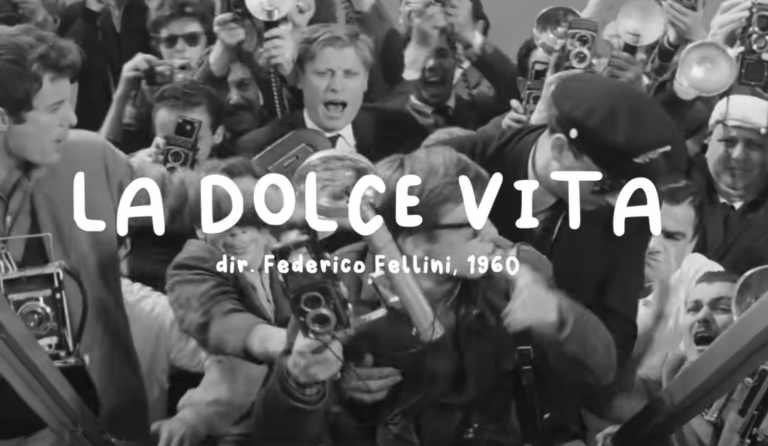
Those who love the work of Federico Fellini must envy anyone who sees La Dolce Vita for the first time. But today such a viewer, however overwhelmed by the lavish cinematic feast laid before his eyes, will wonder if giving the intrusive tabloid photographer friend of Marcello Mastroianni’s protagonist the name “Paparazzo” isn’t a bit on the nose. Unlike La Dolce Vita‘s first audiences in 1960, we’ve been hearing about real-life paparazzi throughout most all of our lives, and thus may not realize that the word itself originally derives from Fellini’s masterpiece. Each time we refer to the paparazzi, we pay tribute to Paparazzo.
In the video essay above, Evan Puschak (better known as the Nerdwriter) traces the origins of paparazzi: not just the word, but the often bothersome professionals denoted by the word. The story begins with the dictator Benito Mussolini, an “avid movie fan and fanboy of film stars” who wrote “more than 100 fawning letters to American actress Anita Page, including several marriage proposals.” Knowing full well “the emotional power of cinema as a tool for propaganda […]
|
|
|
|
|
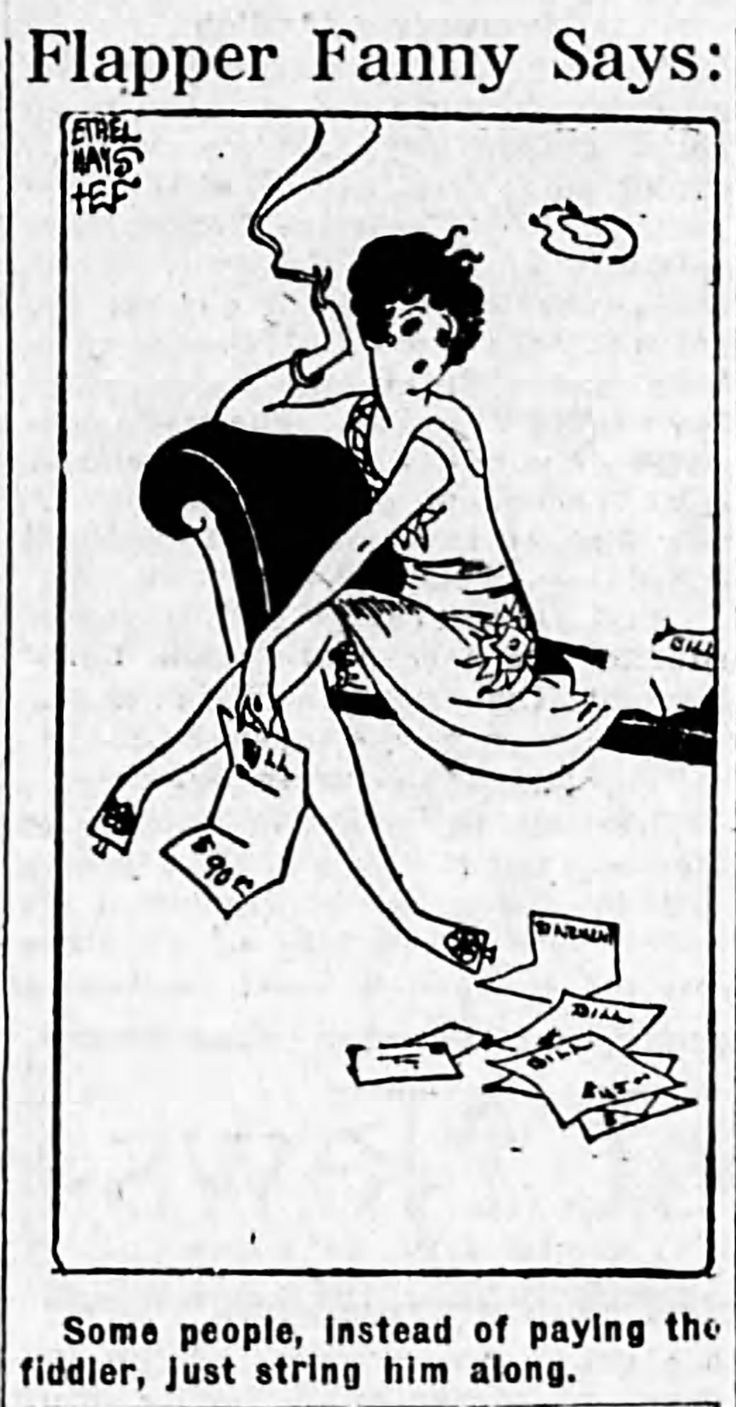
The flapper is the Roaring 20s’ enduring emblem – a liberated, young woman with bobbed hair, rolled down stockings, and a public thirst for cocktails.
(My grandmother longed to be one, and succeeded, as best one could in Cairo, Illinois, only to marry an older man at the age of 17, and give birth to my father a few months before the stock market crashed, bringing the frivolity of the decade to an abrupt halt.)
Our abiding affection for the flapper is stoked on F. Scott Fitzgerald’s Jazz Age novella, The Great Gatsby, and its many stage and screen adaptations, with their depictions of wild parties featuring guests like Miss Baedecker (“When she’s had five or six cocktails she always starts screaming like that”) and Lucille (“I never care what I do, so I always have a good time.”)
The vintage fashion blog Glamour Daze’s newly colorized footage of a 1929 fashion show in Buffalo, New York, at […]
|
|
|
|
|
FYI: MasterClass is offering up to 35% off an annual subscription for Mother’s Day. Through Sunday, May 8th you can become a member and gain access to 150 courses, featuring some of our leading creative minds–from Annie Leibovitz, David Sedaris and Neil Gaiman, to Margaret Atwood, David Lynch and Helen Mirren. You can sign up by clicking the banner above.
Note: If you get a MasterClass subscription, Open Culture will receive a small fee that helps support our operation.
|
|
|
|
|
With a few exceptions, car design of the last two decades has been stuck in a rut, with a sameness on the outside—-aerodynamic, sleek, rounded—-hiding the advancements under the hood and in the control panel. That’s why it’s always a hoot to check out mock designs from the past, especially when they are being used to forecast the future.
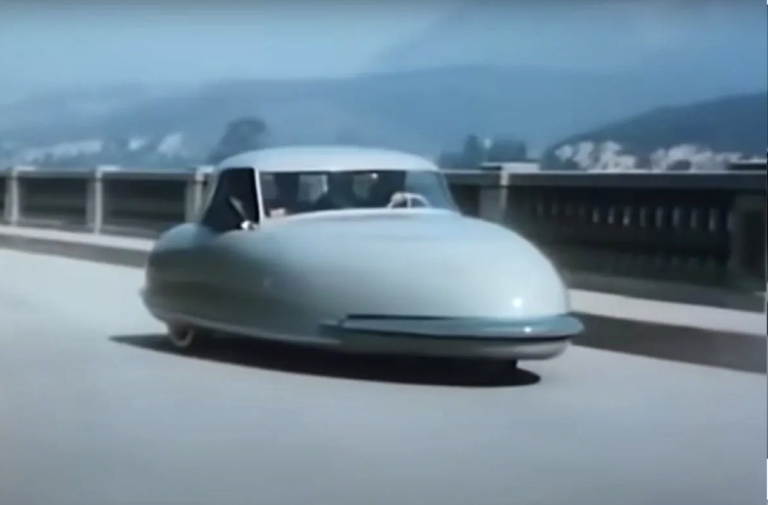
This short 1948 film from Popular Mechanics shows three possible cars of the future, all of which for various reasons, never really caught on. But films like this offer a tantalizing thought-—what if they had? It’s a tiny glimpse of an alternative reality, and we all seem to be loving that multiverse vibe these days.
The first is the Davis Divan, which is perfect for parallel parking with its single front tire and tight maneuverability. It certainly looks cool but I will disagree with the narrator: no amount of space-age oomph is going to make changing a tire an “exhilarating experience.” The Divan was built by the Davis Motorcar Company of Van Nuys, CA, designed by used-car salesman Gary Davis, and included […]
|
|
|
|
|
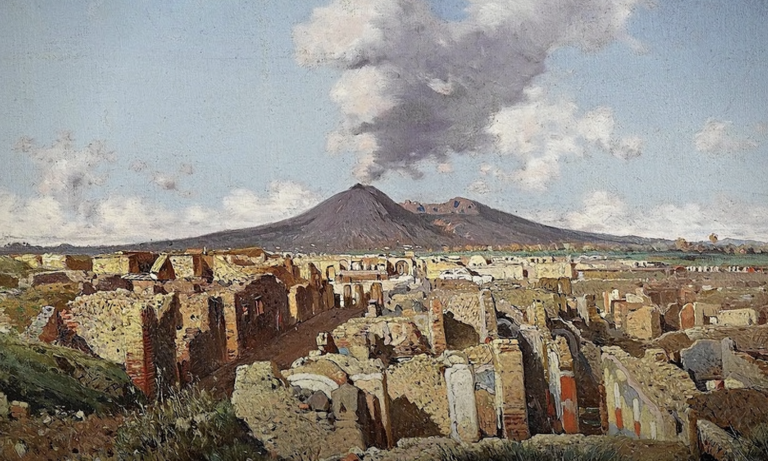
We’re still learning what happened in Pompeii in 79 AD. In the broad sense, of course, we know exactly what happened: the volcano Mount Vesuvius erupted, overwhelming the city (as well as Herculaneum) with heat and entombing it in ash. But what exactly was going on in Pompeii’s last days? Absent the power of time travel, we can never know for sure. But the disaster that ended the life of Pompeii also preserved that life more or less as it was, resulting in a harrowing snapshot made of ruins and remains uncommonly intact by the standards of ancient Rome. It is to Mount Vesuvius that we thus owe a good deal of our knowledge about the texture of everyday life in the Roman Empire.
History Youtuber Garrett Ryan explains all this in a new three-part miniseries, which consists of the videos “The Last Morning in Pompeii,” “The Night Pompeii Died,” and “The Victims of Vesuvius.” We’ve previously featured Ryan’s channel Told in Stone here on Open Culture for its episodes on subjects like ancient Roman aqueducts and […]
|
|
|
|