|
Digest of new articles at openculture.com, your source for the best cultural and educational resources on the web ͏ ͏ ͏ ͏ ͏ ͏ ͏ ͏ ͏ ͏ ͏ ͏ ͏ ͏ ͏ ͏ ͏ ͏ ͏ ͏ ͏ ͏ ͏ ͏ ͏ ͏ ͏ ͏ ͏ ͏ ͏ ͏ ͏ ͏ ͏ ͏ ͏ ͏ ͏ ͏ ͏ ͏ ͏ ͏ ͏ ͏ ͏ ͏ ͏ ͏ ͏ ͏ ͏ ͏ ͏ ͏ ͏ ͏ ͏ ͏ ͏ ͏ ͏ ͏ ͏ ͏ ͏ ͏ ͏ ͏ ͏ ͏ ͏ ͏ ͏ ͏ ͏ ͏ ͏ ͏ ͏ ͏ ͏ ͏ ͏ ͏ ͏
|
|
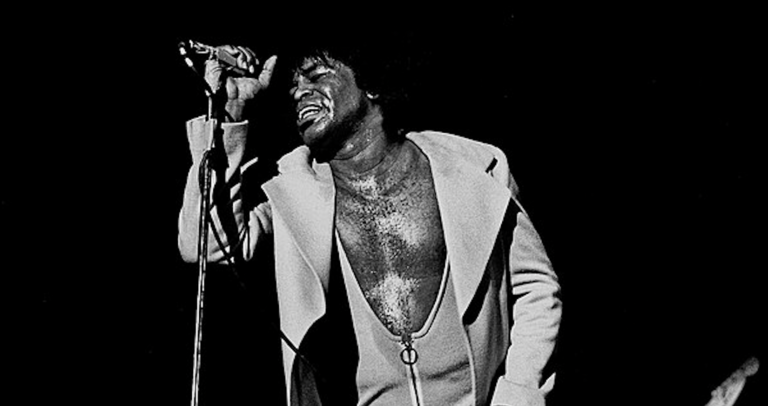
Though not as well known as Johnny Cash’s concerts at Folsom and San Quentin prisons, James Brown’s 1972 concert at Rikers Island equally quelled rising tensions, and displayed the humility of the artist at the top of his game. Fifty years ago on March 16, Brown and his full band played two sets in front of a crowd of around 550. And until a better source is found, the above video is the only moving record of that event, a shot from a television news broadcast. How did this concert come about? According to the research of New York Times writer Billy Heller, a lot comes down to the tenacity of Gloria Bond, who worked at the New York Board of Corrections.
Earlier in 1972, Rikers Island had seen major unrest. Inhumane conditions and overcrowding had led to a riot that injured 75 inmates and 20 guards. The post-riot atmosphere was a “pressure cooker”. The Board had previously brought in Coretta Scott King to speak to prisoners, and Harry Belafonte to perform. But James Brown was somebody different, with music […]
|
|
|
|
|
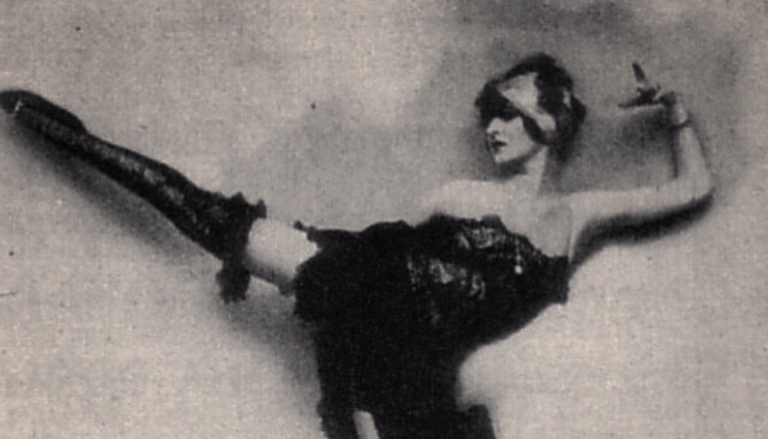
Anita Berber, the taboo-busting, sexually omnivorous, fashion forward, frequently naked star of the Weimar Republic cabaret scene, tops our list of performers we really wish we’d been able to see live.
While Berber acted in 27 films, including Prostitution, director Fritz Lang’s Dr. Mabuse: The Gambler, and Different from the Others, which film critic Dennis Harvey describes as “the first movie to portray homosexual characters beyond the usual innuendo and ridicule,” we have a strong hunch that none of these appearances can compete with the sheer audacity of her stage work.
Audiences at Berlin’s White Mouse cabaret (some wearing black or white masks to conceal their identities) were titillated by her Expressionistic nude solo choreography, as well as the troupe of six teenaged dancers under her command.
As biographer Mel Gordon writes in The Seven Addictions and Five Professions of Anita Berber: Weimar Berlin’s Priestess of Depravity, Berber, often described as a “stripper”, displayed the passion of a serious artist, “respond(ing) to the audience’s heckling with show-stopping obscenities […]
|
|
|
|
|
On social media channels, Arnold Schwarzenegger delivered a message (with love) to the Russian people, telling them what’s really happening with Putin’s war in Ukraine, and exposing a truth that the Russian government has tried to censor at home. You can find his video on Telegram, YouTube, Twitter, and Facebook. And as he says: “Please watch and share,” especially with any friends in Russia.
|
|
|
|
|
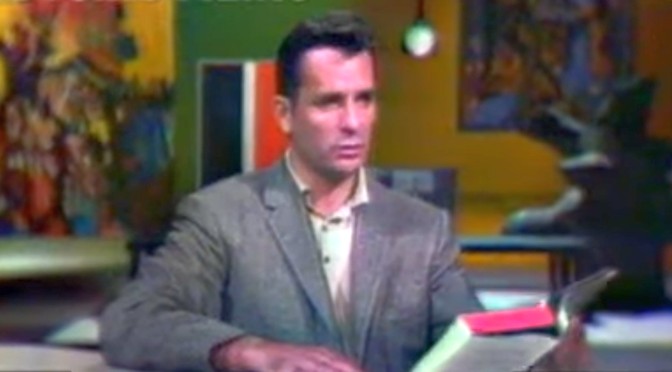
The video above shows us Jack Kerouac giving a reading, accompanied by the jazz piano stylings of evening television variety-show host Steve Allen. In other words, if you’ve been looking for the most late-nineteen-fifties clip in existence, your journey may have come to an end. Earlier in that decade, Allen says (sprinkling his monologue with a few notes here and there), “the nation recognized in its midst a social movement called the Beat Generation. A novel titled On the Road became a bestseller, and its author, Jack Kerouac, became a celebrity: partly because he’d written a powerful and successful book, but partly because he seemed to be the embodiment of this new generation.”
As the novelists and poets of the Beat Generation were gradually gaining renown, Allen was fast becoming a national celebrity. In 1954, his co-creation The Tonight Show made him the first late-night television talk show host, and consequently applied pressure to stay atop the cultural currents of the day. Not only did he know of the Beats, he joined them, at least for one collaboration: “Jack and I […]
|
|
|
|