|
Digest of new articles at openculture.com, your source for the best cultural and educational resources on the web ͏ ͏ ͏ ͏ ͏ ͏ ͏ ͏ ͏ ͏ ͏ ͏ ͏ ͏ ͏ ͏ ͏ ͏ ͏ ͏ ͏ ͏ ͏ ͏ ͏ ͏ ͏ ͏ ͏ ͏ ͏ ͏ ͏ ͏ ͏ ͏ ͏ ͏ ͏ ͏ ͏ ͏ ͏ ͏ ͏ ͏ ͏ ͏ ͏ ͏ ͏ ͏ ͏ ͏ ͏ ͏ ͏ ͏ ͏ ͏ ͏ ͏ ͏ ͏ ͏ ͏ ͏ ͏ ͏ ͏ ͏ ͏ ͏ ͏ ͏ ͏ ͏ ͏ ͏ ͏ ͏ ͏ ͏ ͏ ͏ ͏ ͏
|
|
“I was the young, lonely gay boy in the Midwest who had no idea paradise existed. Everything about the Pines was new, the very idea of a place where you could play on the beach and hold hands with a guy and be with like-minded people and dance all night with a man.” — photographer Tom Bianchi
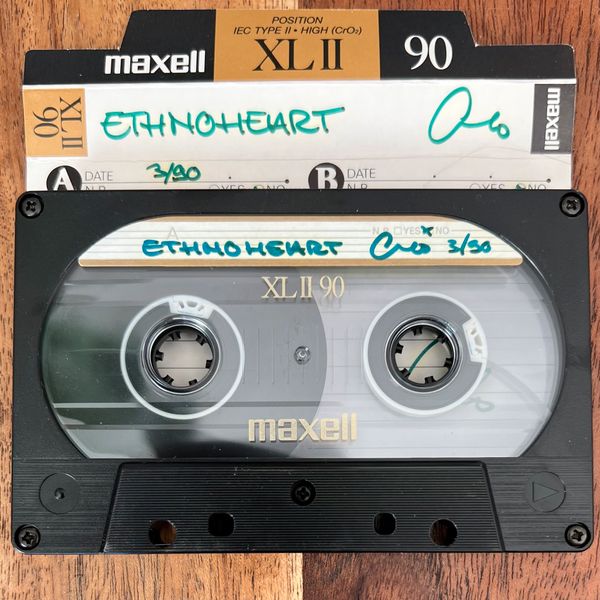
Disco did not get demolished at Comiskey Park in 1979. It may have disappeared from popular culture after jumping the duck, but it never left the New York nightclubs that had nurtured its exuberant sound — Studio 54, Paradise Garage, The Sanctuary…. Four on the floor beats pounded all night in the dawning decade of the 80s, only the beat soon became house music, an electrified disco derivative — without the horns and string sections — first played in clubs by DJs like Larry Levan, who ruled the Paradise Garage for a decade and “changed dance […]
|
|
|
|
|
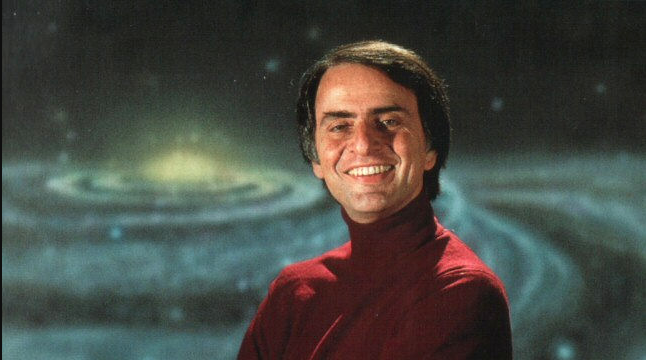
The statute of limitations has surely expired for Contact, the 1997 Robert Zemeckis adaptation of Carl Sagan’s eponymous novel. The film suggests early on that Earth has been receiving communications from outer space, but for most of its two and a half hours keeps its audience in suspense as to the nature of the extraterrestrials sending them. When Jodie Foster’s astronomer protagonist finally gets some one-on-one time with an alien, it takes the form of her own long-dead father, who inspired her choice of career. This ending quickly became fodder for South Park jokes, but time seems to have vindicated it; any look back at the CGI aliens in other movies of the mid-nineteen-nineties confirms that the right choice was made.
Contact was not a straightforward book-to-film adaptation. Rather, Sagan and his wife Ann Druyan intended the project as a film first, and even wrote a detailed script treatment before publishing the story as a novel. About three decades earlier, 2001: A Space Odyssey had emerged out of a similarly unconventional process. Rather than adapting an existing book, as he’d done before […]
|
|
|
|
|
At least once a day, staff at art museums and galleries worldwide must hear someone say, “the artist must have been on drugs.” It’s the easiest explanation for art that disturbs, unsettles, confounds our expectations of what art should be. Maybe sometimes artists are on drugs. (R. Crumb tells the story of discovering his inimitable style while on acid.) But maybe it’s not the drugs that make their art seem otherworldly. Maybe mind-altering substances make them more receptive to the source of creativity….
In any case, artists have long used psychoactive substances to reach higher states of consciousness and cope with a world that doesn’t get their vision. In the early days of LSD experimentation, one psychiatrist even tested the phenomenon. UC Irvine’s Oscar Janiger dosed volunteer subjects at a rented L.A. house, then had them draw or otherwise record their experiences. He ultimately aimed to make a “creativity pill,” testing hundreds of willing subjects between 1954 and 1962.
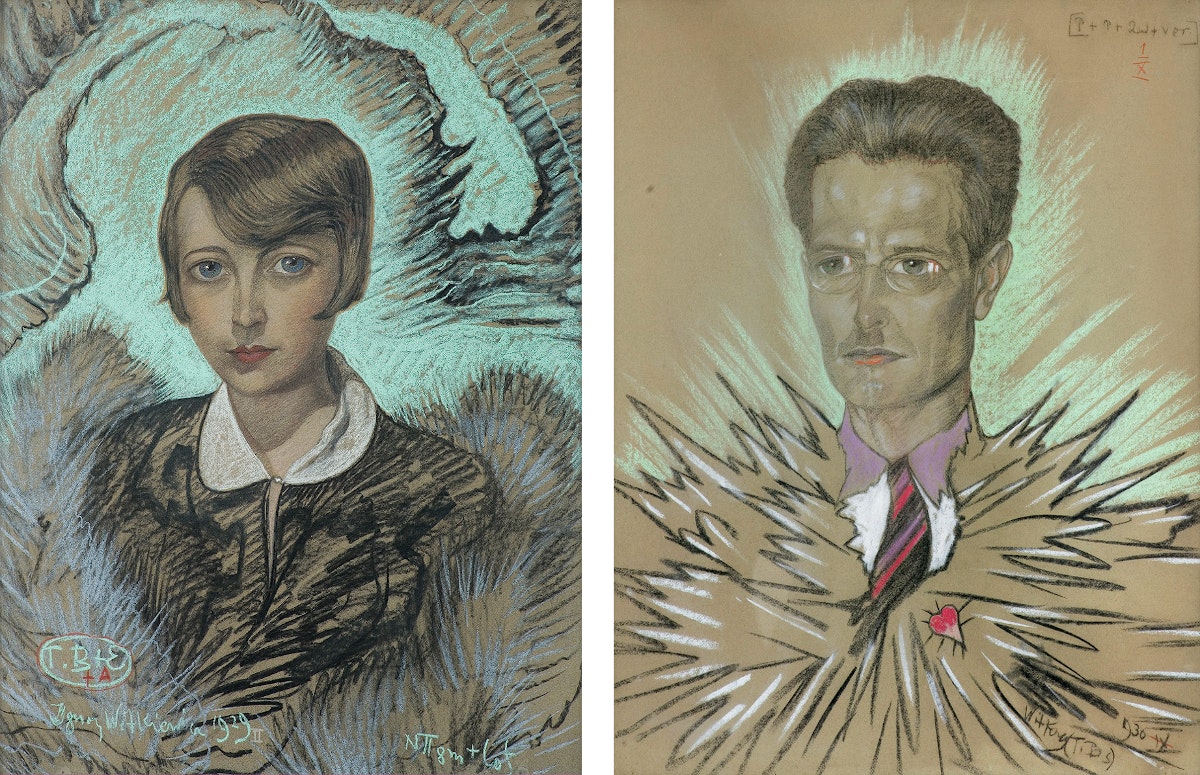
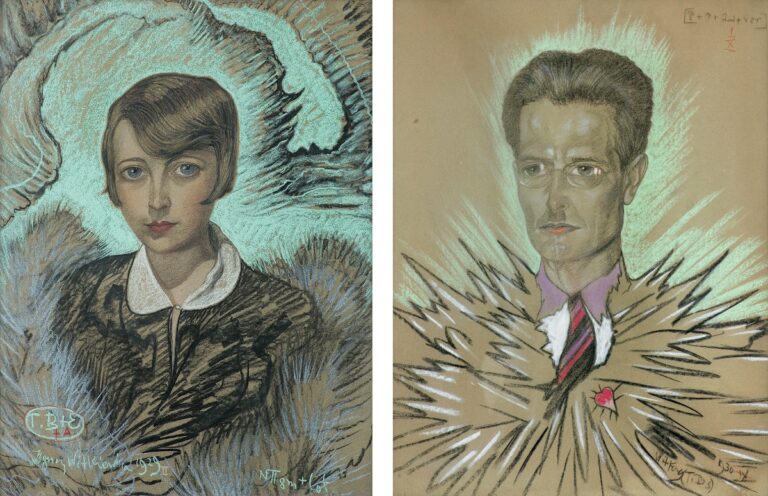
Had Polish artist Stanisław Ignacy […]
|
|
|
|
|
“If the cinema, by some twist of fate, were to be deprived overnight of the sound track and to become once again the art of silent cinematography that it was between 1895 and 1930, I truly believe most of the directors in the field would be compelled to take up some new line of work.” So wrote François Truffaut in the nineteen-sixties, arguing that, of filmmakers then living, only Howard Hawks, John Ford, and Alfred Hitchcock could survive such a return to silence. Alas, Truffaut died in 1984, the very same year that saw the release of Nausicaä of the Valley of the Wind, the first animated feature by what would become Studio Ghibli. Had he lived longer, he would certainly have had to grant its mastermind Hayao Miyazaki pride of place in his small catalog of master visual storytellers.
“He doesn’t actually write a script,” says Any-Mation Youtuber Cole Delaney in “Hayao Miyazaki: The Mind of a Master,” the video essay above. “He might write an outline with his plan for a feature, but generally he draws an image and […]
|
|
|
|
|
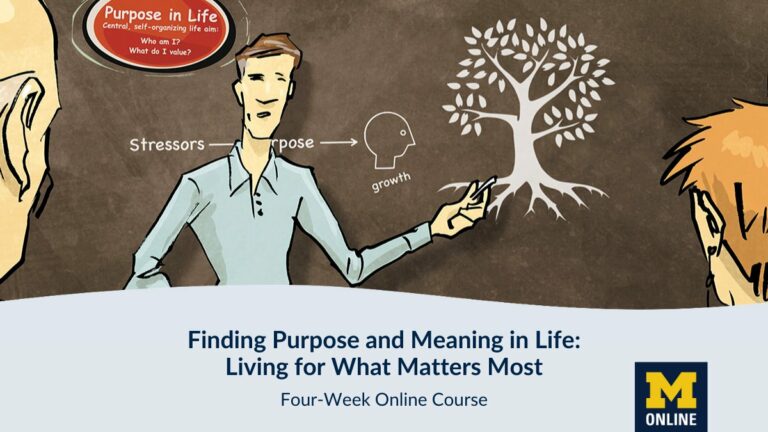
From the University of Michigan comes a course for our disorienting times–Finding Purpose and Meaning In Life: Living for What Matters Most. Taught by Vic Strecher, a professor in the Schools of Public Health and Medicine, the course promises students this:
In this course, you’ll learn how science, philosophy and practice all play a role in both finding your purpose and living a purposeful life. You will hear from historical figures and individuals about their journeys to finding and living a purposeful life, and will walk through different exercises to help you find out what matters most to you so you can live a purposeful life.
By the end of the course, students will:
1. Understand that having a strong purpose in life is an essential element of human well-being.
2. Know how self-transcending purpose positively affects well-being.
3. Be able to create a purpose for your life (don’t be intimidated, this is different from creating “the purpose” for your life).
4. Apply personal approaches and skills to self-change and become and […]
|
|
|
|