|
Digest of new articles at openculture.com, your source for the best cultural and educational resources on the web ͏ ͏ ͏ ͏ ͏ ͏ ͏ ͏ ͏ ͏ ͏ ͏ ͏ ͏ ͏ ͏ ͏ ͏ ͏ ͏ ͏ ͏ ͏ ͏ ͏ ͏ ͏ ͏ ͏ ͏ ͏ ͏ ͏ ͏ ͏ ͏ ͏ ͏ ͏ ͏ ͏ ͏ ͏ ͏ ͏ ͏ ͏ ͏ ͏ ͏ ͏ ͏ ͏ ͏ ͏ ͏ ͏ ͏ ͏ ͏ ͏ ͏ ͏ ͏ ͏ ͏ ͏ ͏ ͏ ͏ ͏ ͏ ͏ ͏ ͏ ͏ ͏ ͏ ͏ ͏ ͏ ͏ ͏ ͏ ͏ ͏ ͏
|
|
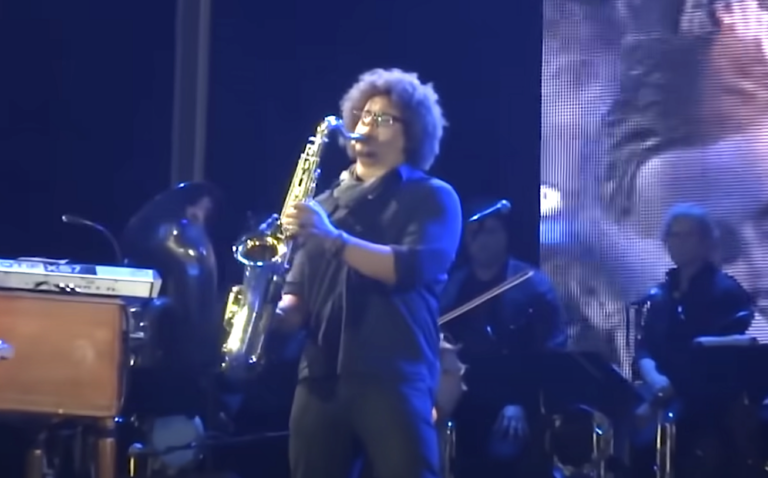
When you think “Jungleland,” you think of Clarence Clemons and his iconic sax solo, which stretches on over two glorious minutes. It’s hard to imagine anyone else playing that solo. But, after Clarence’s death in 2011, the honors went, fittingly, to his nephew Jake, who joined the E Street Band and performed “Jungleland” live in Sweden, on July 28, 2012. It was an emotional performance for all.
Speaking below, Jake Clemons remembers it as “an extremely emotional moment. It felt like the most extreme emotion that I had ever experienced…” He continues: “Up to that show, all of the shows before then, I felt like I was filling in for Clarence… That moment for me was a moment of like, he’s not coming back. Physically he would not be walking on that stage again.”
Later, he told Rolling Stone, the “moment was so significant that we couldn’t soundcheck it. That moment was the first time that the band heard me play that song.” But, from there, it “became a huge part of the healing process.” You can watch the poignant […]
|
|
|
|
|
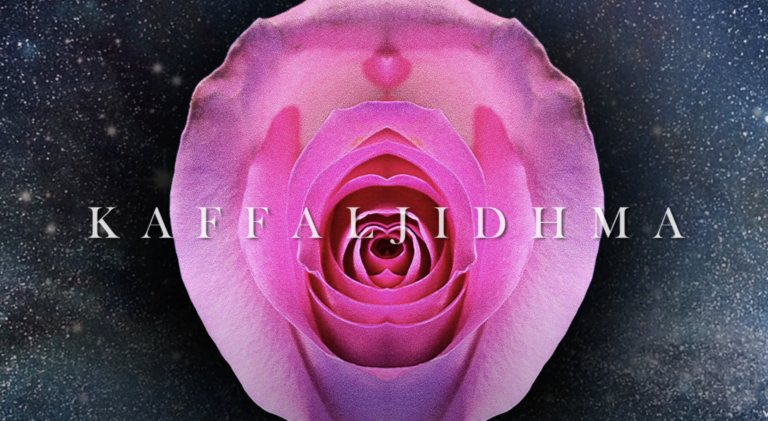
Those who have only casually appreciated Brian Eno‘s music may not think of him as a singer. Given that his best-known solo recording Music for Airports not only has no lyrics but contains few recognizable instruments, that perception makes a certain amount of sense. Still, it’s incorrect: in fact, Eno has a great enthusiasm for singing, and indeed he has credited the practice with developing “a good figure, a stable temperament, increased intelligence, new friends, super self-confidence, heightened sexual attractiveness and a better sense of humor” — though that last is surely on display in the remark itself.
Though Eno may still be most widely considered a pioneer or popularizer of ambient music, a listen through his discography will reveal how well his singing skills have served him for nearly half a century now. Released just last month, his new album FOREVERANDEVERNOMORE marks a return to lyrical songs, a form he hasn’t practiced on an album since 2005’s Another Day on Earth.
As the now-74-year-old Eno says in its press materials, “My voice has changed, it’s lowered, it’s become a different […]
|
|
|
|
|
Two and a half years ago, we featured the concept art for Studio Ghibli’s theme park here on Open Culture, and just two weeks ago it opened its doors. Located on the grounds of Expo 2005 in Japan’s Aichi Prefecture (a three- to four-hour train trip west from Tokyo, or a two-hour train trip east of Osaka), Ghibli Park comprises several themed areas like the Grand Warehouse, the Hill of Youth, and Dondoko Forest. Just hearing those names surely fires up the imaginations of many a Ghibli fan, even before they hear about the park’s visitor-ready reconstructions of everything from Castle in the Sky‘s ruined gardens to Whisper of the Heart‘s antique shop to My Neighbor Totoro‘s Catbus.
“Unlike Disneyland, Ghibli Park does not feature roller coasters or rides,” writes My Modern Met’s Margherita Cole. “Instead, it welcomes visitors to immerse themselves in life-size sets that are harmoniously integrated with nature.” You can get a sense of how this concept has been executed in the fifteen-minute video at the top of the post from Japan-based travel vloggers Didi […]
|
|
|
|
|
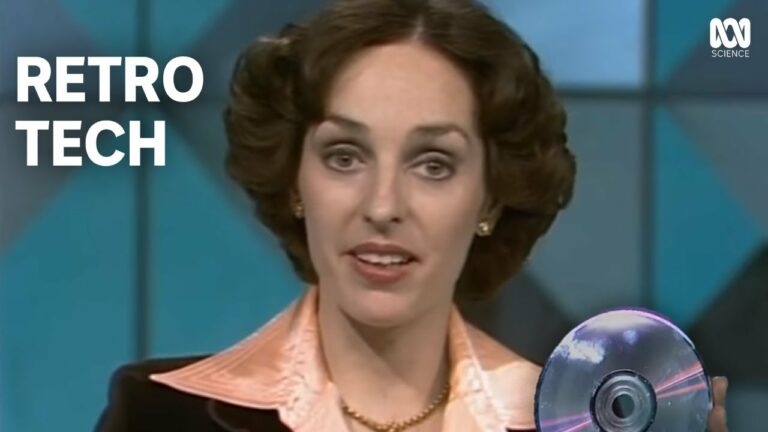
The first compact discs and players came out in October of 1982. That means the format is now 40 years old, which in turn means that most avid music-listeners have never known a world without it. In fact, all of today’s teenagers — that most musically avid demographic — were born after the CD’s commercial peak in 2002, and to them, no physical medium could be more passé. Vinyl records have been enjoying a long twenty-first-century resurgence as a premium product, and even cassette tapes exude a retro appeal. But how many understand just what a technological marvel the CD was when it made its debut, with (what we remember as) its promise of “perfect sound forever”?
“You could argue that the CD, with its vast data capacity, relatively robust nature, and with the further developments it spurred along, changed how the world did virtually all media.” So says Alec Watson, host of the Youtube channel Technology Connections, previously featured here on Open Culture for his five-part series on RCA’s SelectaVision video disc system.
But he’s also made a six-part miniseries on the […]
|
|
|
|
|
When considering whether to buy yet another book, you might well ask yourself when you’ll get around to reading it. But perhaps there are other, even more important considerations, such as the intellectual value of the book in its still-unread state. In our personal libraries we all keep at least a few favorites, volumes to which we turn again and again. But what would be the use of a book collection consisting entirely of books we’ve already read? This is the question put to us by the reading (or at least acquiring) life of no less a man of letters than Umberto Eco, seen in the video above walking through his personal library of 30,000 books — a fair few of which, we can safely assume, he never got through.
As Nassim Taleb tells it, Eco separated his visitors into two categories: “those who react with ‘Wow! Signore professore dottore Eco, what a library you have. How many of these books have you read’ and the others — a very small minority — who get the point is that a private library […]
|
|
|
|