|
Digest of new articles at openculture.com, your source for the best cultural and educational resources on the web ͏ ͏ ͏ ͏ ͏ ͏ ͏ ͏ ͏ ͏ ͏ ͏ ͏ ͏ ͏ ͏ ͏ ͏ ͏ ͏ ͏ ͏ ͏ ͏ ͏ ͏ ͏ ͏ ͏ ͏ ͏ ͏ ͏ ͏ ͏ ͏ ͏ ͏ ͏ ͏ ͏ ͏ ͏ ͏ ͏ ͏ ͏ ͏ ͏ ͏ ͏ ͏ ͏ ͏ ͏ ͏ ͏ ͏ ͏ ͏ ͏ ͏ ͏ ͏ ͏ ͏ ͏ ͏ ͏ ͏ ͏ ͏ ͏ ͏ ͏ ͏ ͏ ͏ ͏ ͏ ͏ ͏ ͏ ͏ ͏ ͏ ͏
|
| |
|
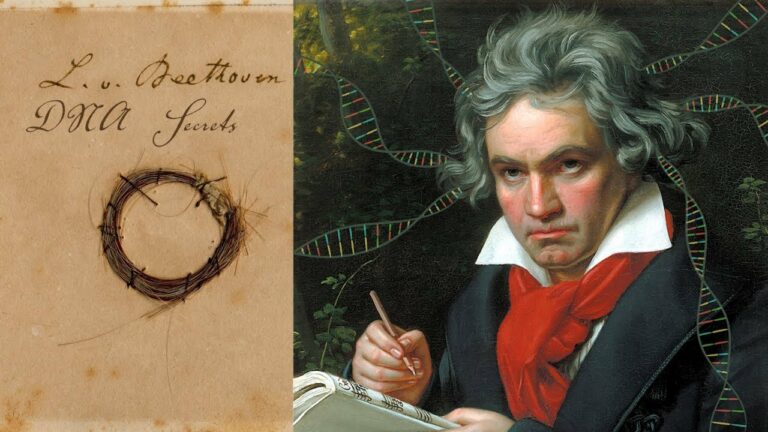
Ludwig van Beethoven died in 1827, a bit early to be subjected to the kinds of DNA analysis that have become so prevalent today. Luckily, the German-speaking world of the early nineteenth century still adhered to the custom of saving locks of hair from the deceased — particularly lucky for an archaeology student named Tristan…
|
|
|
|
Listen to Patti Smith’s Glorious Three Hour Farewell to CBGB’s on Its Final Night
| |

|
CBGB is a state of mind – Patti Smith
All good things must come to an end, but it hurt when CBGB’s, New York City’s celebrated – and famously filthy – music club shuttered for good on October 15th, 2006, a victim of skyrocketing Lower East Side rents.
While plenty of punk and…
|
|
|
|
Ai Weiwei Recreates Monet’s Water Lilies Triptych Using 650,000 Lego Bricks
| |

|
Nearly a century after Claude Monet painted them, the Nymphéas, or Water Lilies, still impress as a vision of a seemingly minor subject realized at a grand scale. The paintings installed in a dedicated room at the Musée de l’Orangerie in Paris make an especially strong impact on their viewers —…
|
|
|
|
Hear the Oldest Song in the World: A Sumerian Hymn Written 3,400 Years Ago
| |
|
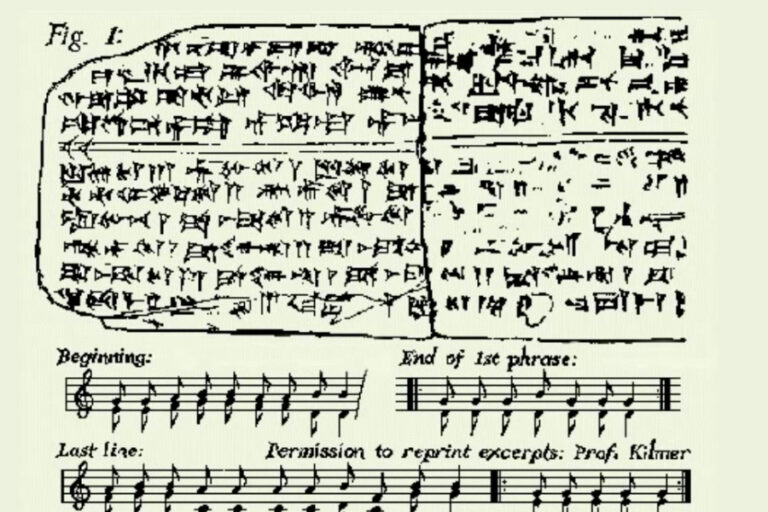
In the early 1950s, archaeologists unearthed several clay tablets from the 14th century BCE. Found, WFMU tells us, “in the ancient Syrian city of Ugarit,” these tablets “contained cuneiform signs in the hurrian language,” which turned out to be the oldest known piece of music ever discovered, a 3,400 year-old cult hymn.
|
|
|
|
The March of Intellect: Newspaper Cartoons Satirize the Belief in Technological Progress in 1820s England
| |
|
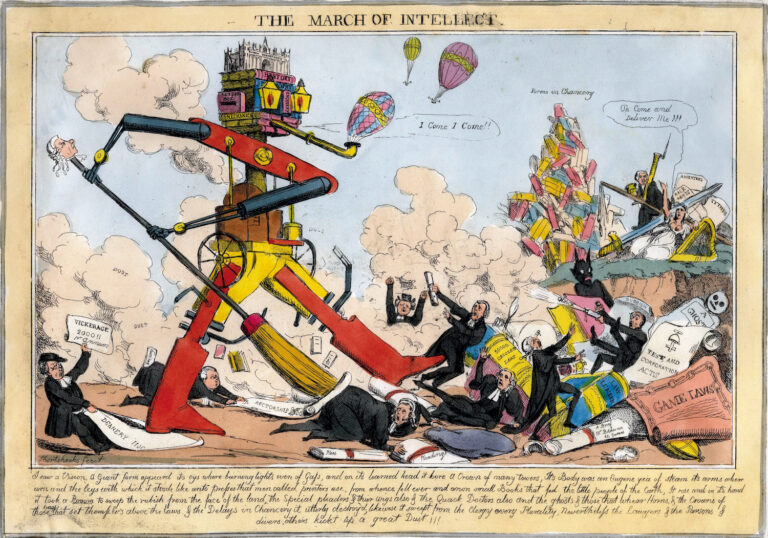
Before the Industrial Revolution, few had occasion to consider the impact of technology on their lives. A few decades in, however, certain segments of society thought about little else. That, in any case, is the impression given by the debate over what the English press of the early nineteenth century called the “March…
|
|
|
|