|
| |
|
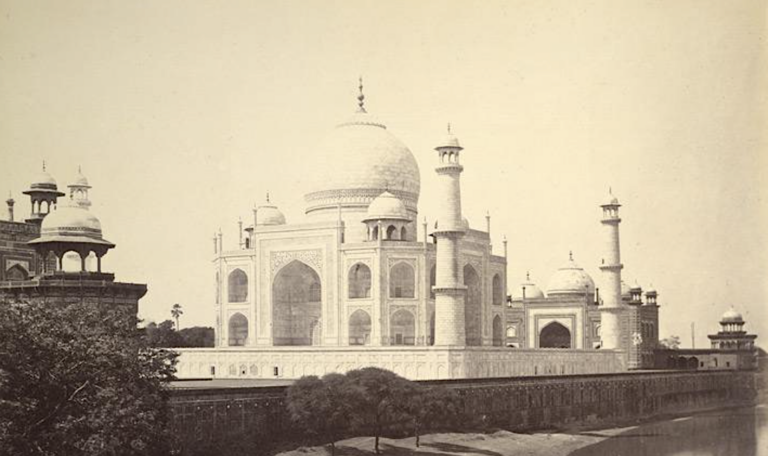
After about a century of indirect company rule, India became a full-fledged British colony in 1858. The consequences of this political development remain a matter of heated debate today, but one thing is certain: it made India into a natural destination for enterprising Britons. Take the aspiring clergyman turned Nottingham bank employee Samuel Bourne,…
|
|
|
|
| |
|
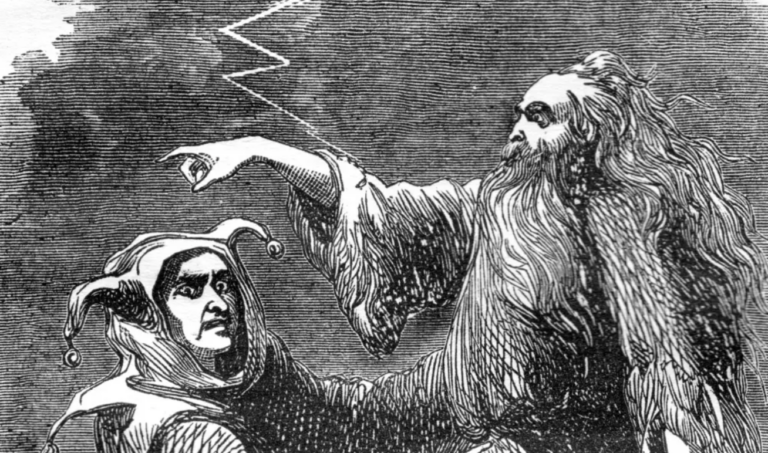
“We can say of Shakespeare,” wrote T.S. Eliot—in what may sound like the most backhanded of compliments from one writer to another—“that never has a man turned so little knowledge to such great account.” Eliot, it’s true, was not overawed by the Shakespearean canon; he pronounced Hamlet “most certainly an artistic failure,” though…
|
|
|
|
| |

|
There was a time, not so very long ago, when many Americans watching movies at home neither knew nor cared who directed those movies. Nor did they feel particularly comfortable with dialogue that sometimes came subtitled, or with the “black bars” that appeared below the frame. The considerable evolution of these audiences’ general relationship to…
|
|
|
|
| |

|
Supply chains—we never thought too much about them. That is, until the pandemic, when supply chains experienced severe disruptions worldwide, leaving us waiting for products for weeks, if not months. That’s when we started appreciating the importance of supply chains and their resilience.
Companies like Unilever rely on supply chains to manufacture…
|
|
|
|