|
| |
|
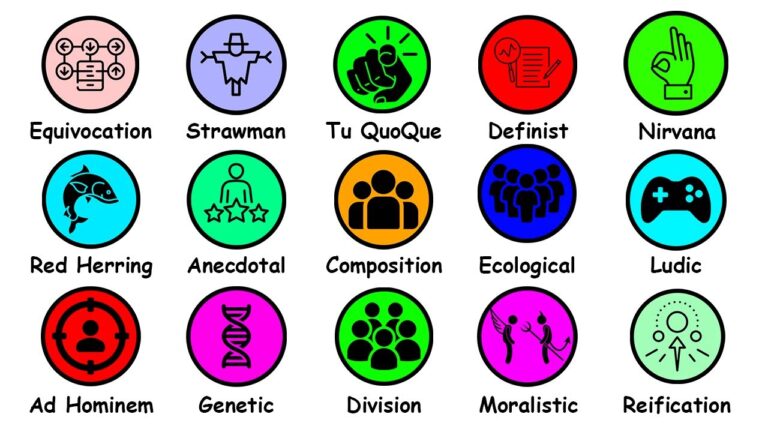
Fallacies—notes Purdue’s Writing Lab—“are common errors in reasoning that will undermine the logic of your argument. Fallacies can be either illegitimate arguments or irrelevant points, and are often identified because they lack evidence that supports their claim. Avoid these common fallacies in your own arguments and watch for them in the arguments of others.”…
|
|
|
|
| |

|
When did you last send someone a photo? That question may sound odd, owing to the sheer commonness of the act in question; in the twenty-twenties, we take photographs and share them worldwide without giving it a second thought. But in the nineteen-thirties, almost everyone who sent a photo did so through the mail, if…
|
|
|
|
| |

|
Aldous Huxley put himself forever on the intellectual map when he wrote the dystopian sci-fi novel Brave New World in 1931. (Listen to Huxley narrating a dramatized version here.) The British-born writer was living in Italy at the time, a continental intellectual par excellence.
Then, six years later, Huxley turned all of this…
|
|
|
|
| |

|
What did ancient Egyptians sound like? What did they eat and drink? What ancient Egyptian medicine and tools do we still use in modern times? Why did they practice mummification? Above, Laurel Bestock, a professor from Brown University, discusses everything you ever wanted to know about Ancient Egypt. Not a stranger to popular…
|
|
|
|
| |
|
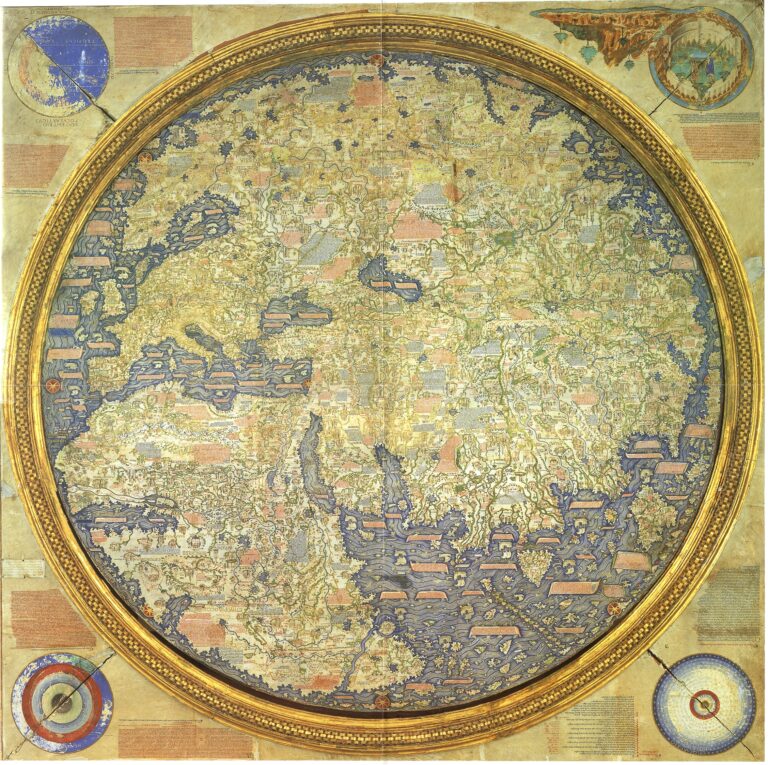
If we want to know the precise geographical location of, say, a particular church in Madrid, video arcade in Tokyo or coffee shop in Addis Ababa, we can figure it out in a matter of seconds. This is, in historical terms, a recent development indeed: many of us remember when the most detailed…
|
|
|
|