|
Hear the Letter of Gratitude That Albert Camus Wrote to His Teacher After Winning the Nobel Prize, as Read by Footballer Ian Wright, Watch Bob Dylan Play “Mr. Tambourine Man” in Color at the 1964 Newport Folk Festival
|
| |
|
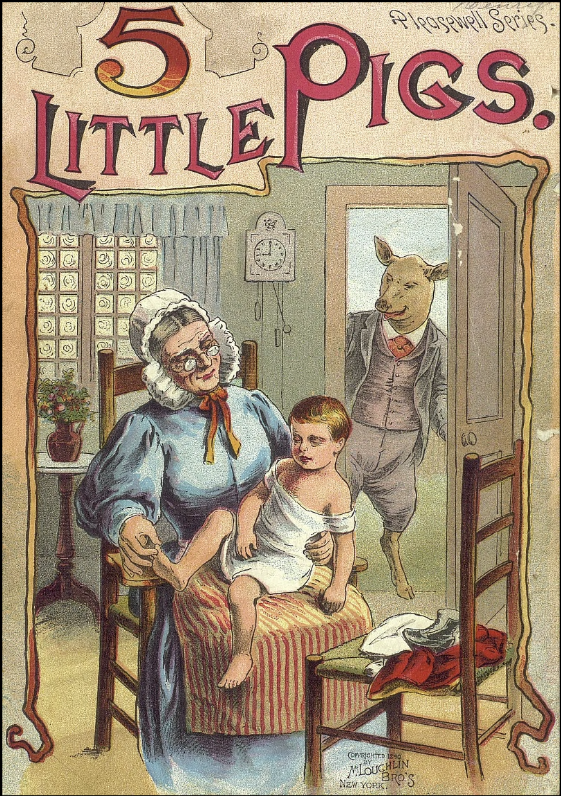
We can learn much about how a historical period viewed the abilities of its children by studying its children’s literature. Occupying a space somewhere between the purely didactic and the nonsensical, most children’s books published in the past few hundred years have attempted to find a line between the two poles, seeking a balance…
|
|
|
|
| |
|
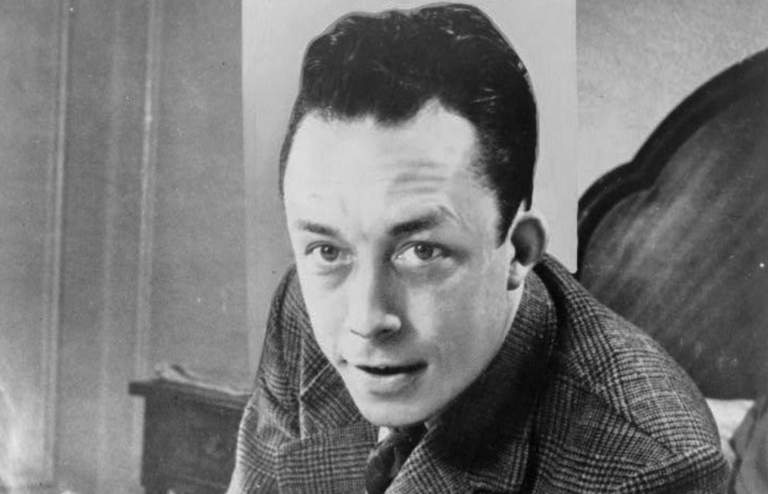
When Albert Camus won the Nobel Prize, he wrote a letter to one of his old schoolteachers. “I let the commotion around me these days subside a bit before speaking to you from the bottom of my heart,” the letter begins. “I have just been given far too great an honor, one I neither…
|
|
|
|
| |
|
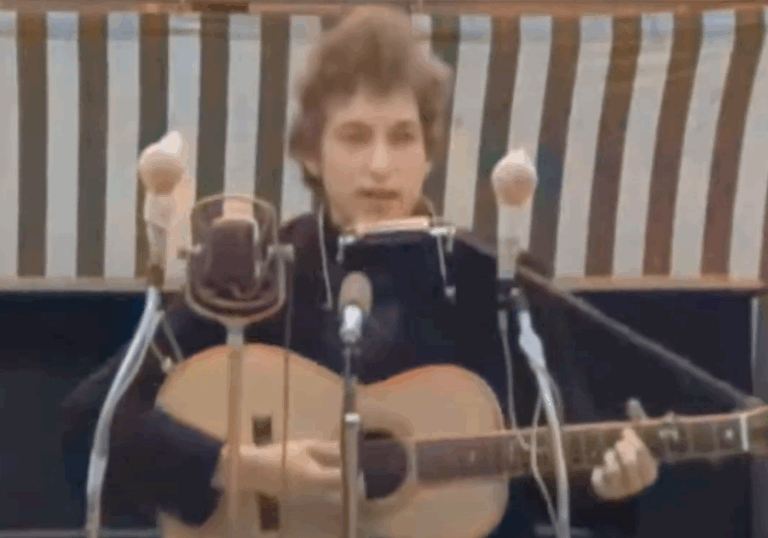
It was at the 1965 Newport Folk Festival that Bob Dylan famously “went electric,” alienating certain adherents to the folk scene through which he’d come up, but also setting a precedent for the kind of quick-change musical adaptation that he’s kept up into his eighties. At the 1964 Newport Folk Festival, however, all that…
|
|
|
|
| |
|
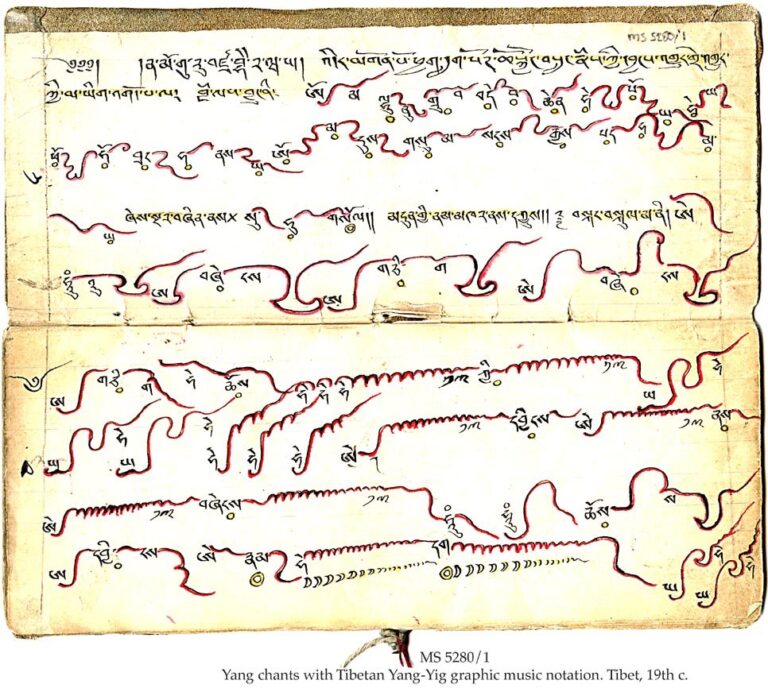
Religions take the cast and hue of the cultures in which they find root. This was certainly true in Tibet when Buddhism arrived in the 7th century. It transformed and was transformed by the native religion of Bon. Of the many creative practices that arose from this synthesis, Tibetan Buddhist music ranks very…
|
|
|
|
| |
|
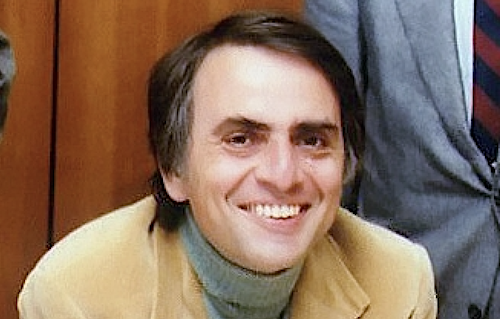
Most scientists are prepared to answer questions about their research from other members of their field; rather fewer have equipped themselves to answer questions from the general public about what Douglas Adams called life, the universe, and everything. Carl Sagan was one of that minority, an expert “science communicator” before science communication was recognized as…
|
|
|
|