|
A Rabbit Rides a Chariot Pulled by Geese in an Ancient Roman Mosaic (2nd century AD), Paradise Lost Explained: How John Milton Wrote His Epic Religious Poem from Satan’s Perspective ͏ ͏ ͏ ͏ ͏ ͏ ͏ ͏ ͏ ͏ ͏ ͏ ͏ ͏ ͏ ͏ ͏
|
| |
|
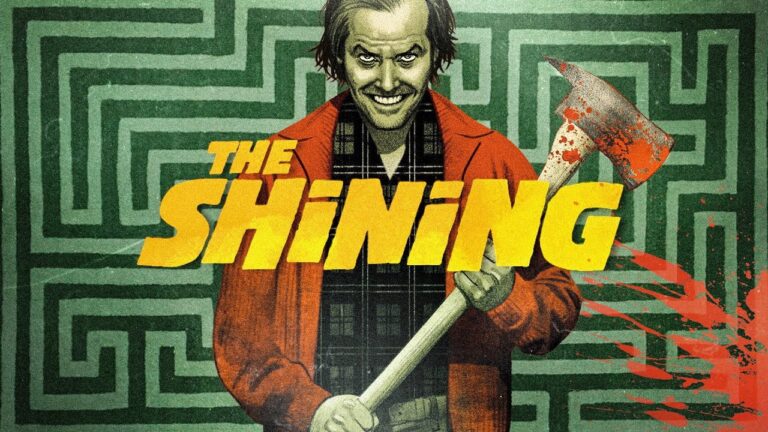
Inexplicable as it may sound to readers of this site, there are movie-lovers who claim not to enjoy the work of Stanley Kubrick. But even his most steadfast non-appreciators have to hand it to him for The Shining, his 1980 Stephen King adaptation widely considered one of the scariest — quite possibly the scariest –…
|
|
|
|
| |
|
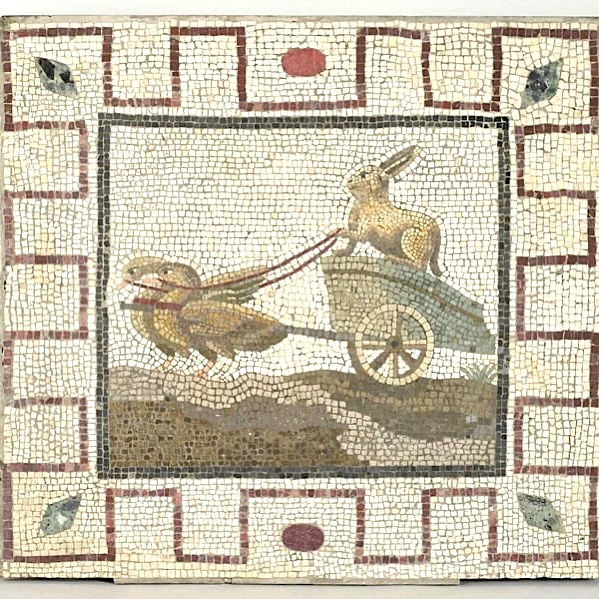
If you head to the Louvre, make sure you visit the Mona Lisa, Venus de Milo, and Liberty Leading the People. But then swing by the Department of Greek, Etruscan, and Roman Antiquities. There you might find (no guarantee!) a Roman mosaic featuring a rabbit riding a chariot pulled by…
|
|
|
|
| |
|
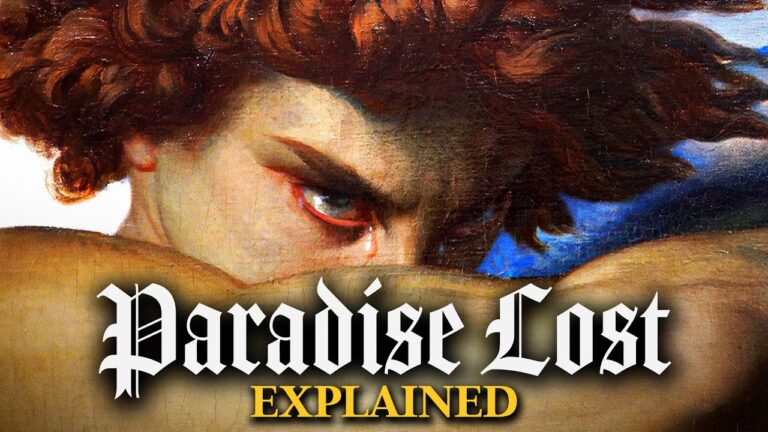
“Paradise Lost is one of the books which the reader admires and lays down, and forgets to take up again,” Samuel Johnson wrote in the late eighteenth century. “None ever wished it longer than it is. Its perusal is a duty rather than a pleasure. We read Milton for instruction, retire harassed and overburdened, and…
|
|
|
|
| |
|
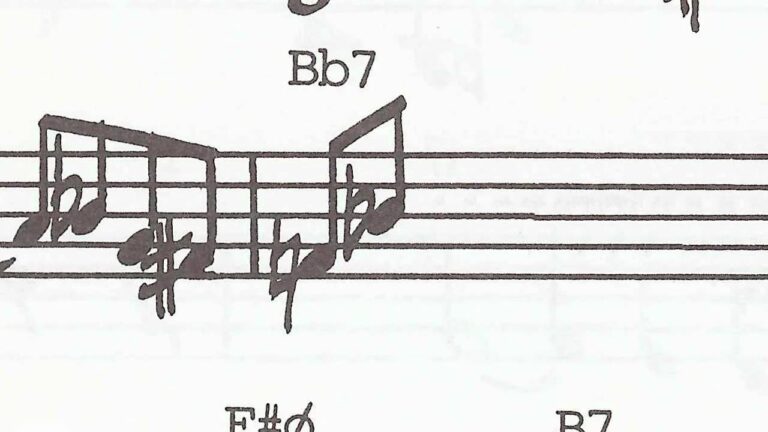
Miles Davis’ Kind of Blue changed jazz. It changed music, period. So I take it very seriously. But when I see the animated sheet music of the first cut, “So What,” I can’t help but think of Charles Schulz’s Peanuts cartoons, and their Vince Guaraldi compositions. I mean no offense to Miles. His…
|
|
|
|
| |
|
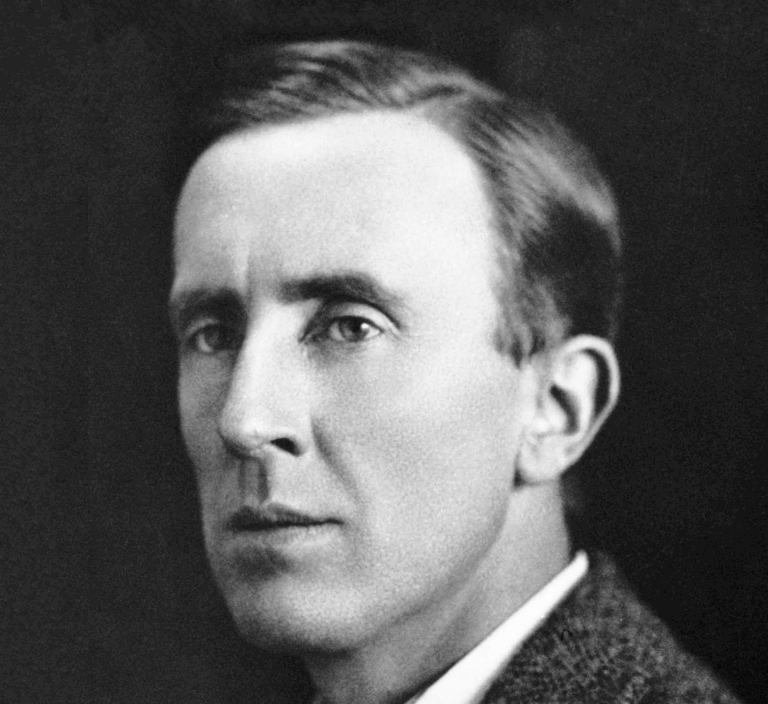
If you wanted to hear the voice of your favorite writer in the nineteen-sixties — a time before audiobooks, let alone podcasts — you consulted the catalog of Caedmon Records. That label specialized in LPs of literary eminences reading their own work. This may or may not be the kind of company in which…
|
|
|
|