|
A 107-Year-Old Irish Farmer Reflects on the Changes He’s Seen During His Life (1965), An Art Conservator Restores a Painting of the Doomed Party Girl Isabella de’ Medici: See the Before and After ͏
|
| |
|
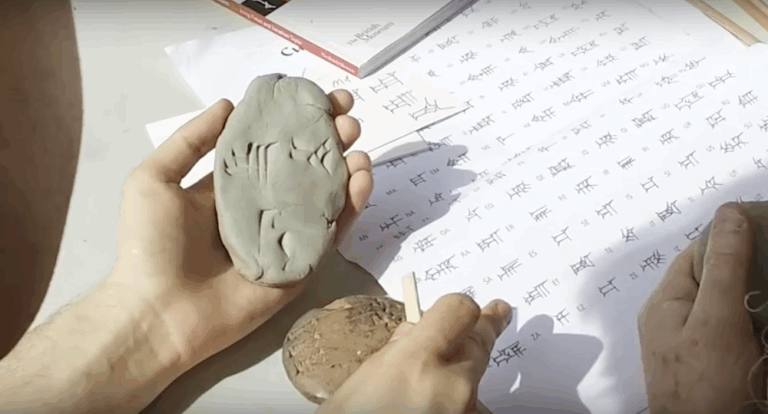
Teaching child visitors how to write their names using an unfamiliar or antique alphabet is a favorite activity of museum educators, but Dr. Irving Finkel, a cuneiform expert who specializes in ancient Mesopotamian medicine and magic, has grander designs.
His employer, the British Museum, has over 130,000 tablets spanning Mesopotamia’s Early Dynastic…
|
|
|
|
| |
|
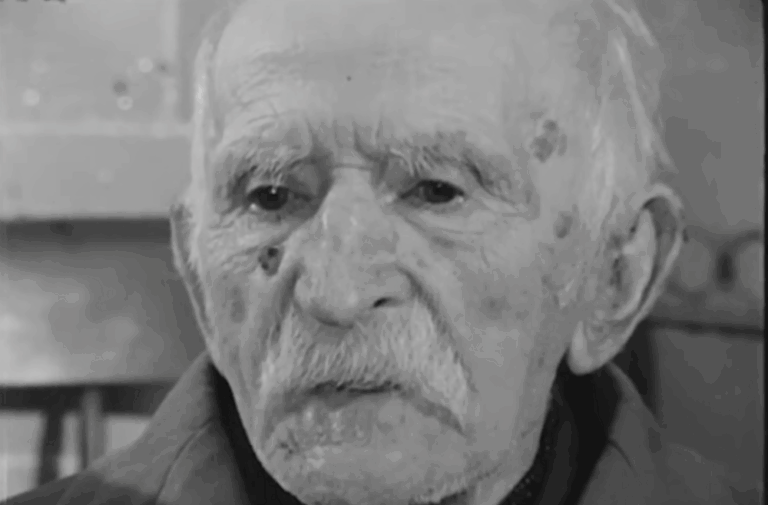
Talk to a clear-headed 107-year-old today, and you could expect to hear stories of adolescence in the Great Depression, or — if you’re lucky — the Jazz Age seen through a child’s eyes. It’s no common experience to have been formed by the age of radio and live deep into the age of the smartphone,…
|
|
|
|
| |
|
Some people talk to plants.
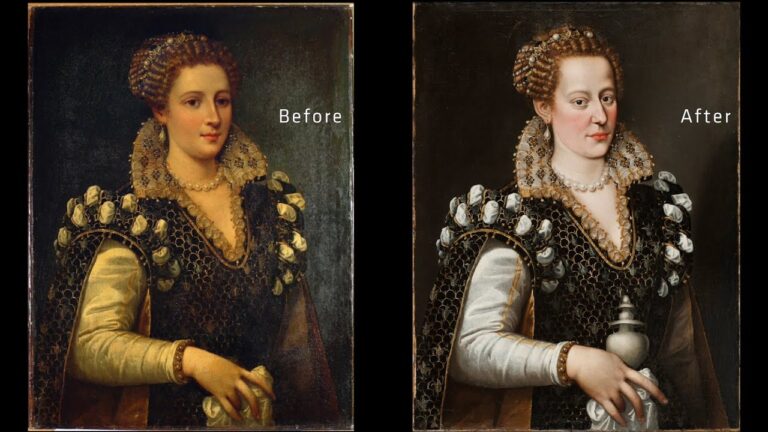
The Carnegie Museum of Art’s chief conservator Ellen Baxter talks to the paintings she’s restoring.
“You have to … tell her she’s going to look lovely,” she says, above, spreading varnish over a 16th-century portrait of Isabella de’ Medici prior to starting the laborious process of…
|
|
|
|
| |
|
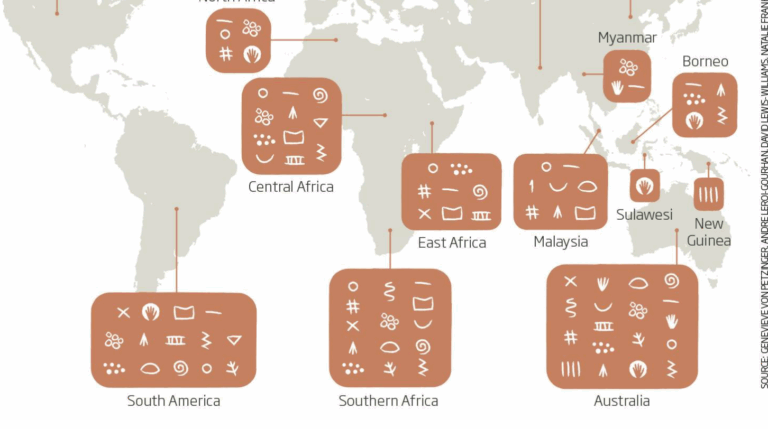
We may take it for granted that the earliest writing systems developed with the Sumerians around 3400 B.C.E. The archaeological evidence so far supports the theory. But it may also be possible that the earliest writing systems predate 5000-year-old cuneiform tablets by several thousand years. And what’s more, it may be possible, suggests paleoanthropologist…
|
|
|
|
| |
|
At the moment, there’s no better way to see anything in space than through the lens of the James Webb Space Telescope. Previously featured here on Open Culture, that ten-billion-dollar successor to the Hubble Space Telescope can see unprecedentedly far out into space, which, in effect, means it can see unprecedentedly far…
|
|
|
|