|
See Vivaldi’s Four Seasons Visualized in Colorfully Animated Scores, Behold Harry Clarke’s Hallucinatory Illustrations for Edgar Allan Poe’s Story Collection, Tales of Mystery and Imagination (1923)
|
| |

|
It’s Friday, which means that tonight, many of us will sit down to watch a movie with our family, our friends, our significant other, or — for some cinephiles, best of all — by ourselves. If you haven’t yet lined up any home-cinematic experience in particular, consider taking a look at this playlist of 31 feature films just made available to stream by Warner Bros. You’ll know the name of that august Hollywood studio, of course, but did you know that it put out True Stories, the musical plunge into tabloid America directed by Talking Heads’ David Byrne? Or Waiting for Guffman, the first improvised movie by Christopher Guest and his troupe of crack comedic players like Eugene Levy, Fred Willard, Catherine O’Hara, and Parker Posey?
httpv://youtu.be/jAyg_ENvHzc
That may already strike many Open Culture readers as the makings of a fine double feature, though some may prefer to watch the early work of another kind of auteur: Michel Gondry’s The Science of Sleep, say, or Richard Linklater’s SubUrbia (a stage-play adaptation that could well be paired with Sidney […]
|
|
|
|
| |
|
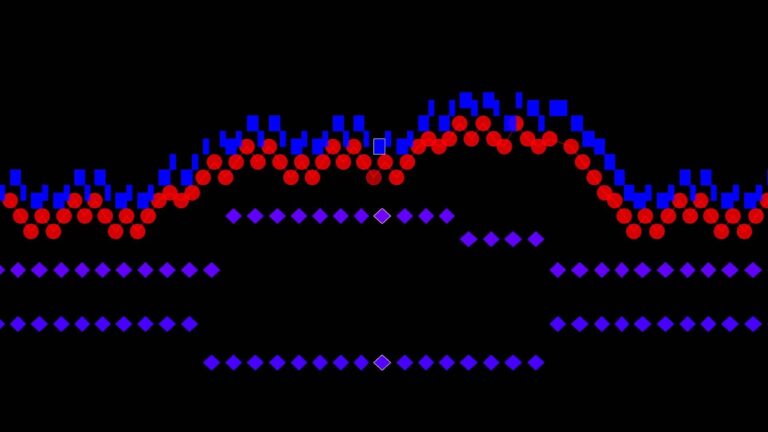
Music is often described as the most abstract of all the arts, and arguably the least visual as well. But these qualities, which seem so basic to the nature of the form, have been challenged for at least three centuries, not least by composers themselves. Take Antonio Vivaldi, whose Le quattro stagioni, or The…
|
|
|
|
| |
|
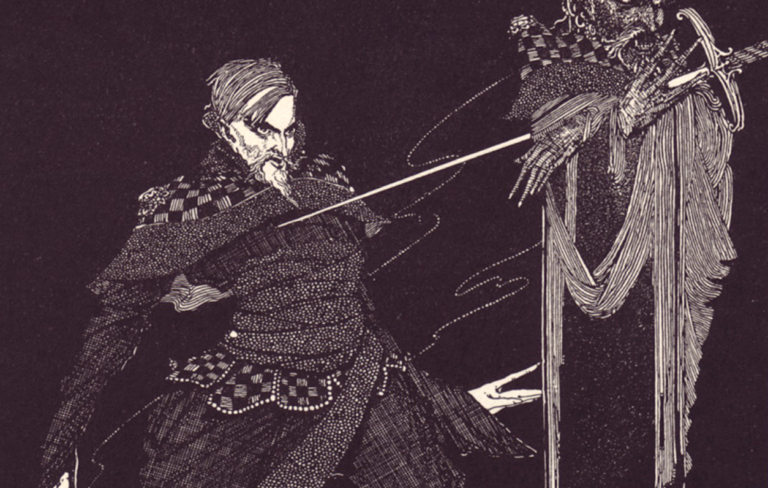
As you’ve probably noticed if you’re a regular reader of this site, we’re big fans of book illustration, particularly that from the form’s golden age—the late 18th and 19th century—before photography took over as the dominant visual medium. But while photographs largely supplanted illustrations in textbooks, magazines, and newspapers over the course of the…
|
|
|
|
| |
|
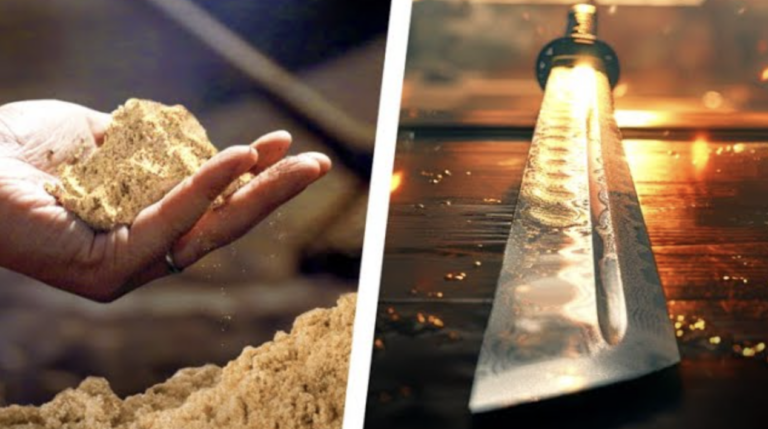
We made sand think: this phrase is used from time to time to evoke the particular technological wonders of our age, especially since artificial intelligence seems to be back on the slate of possibilities. While there would be no Silicon Valley without silica sand, semiconductors are hardly the first marvel humanity has forged out…
|
|
|
|
| |
|
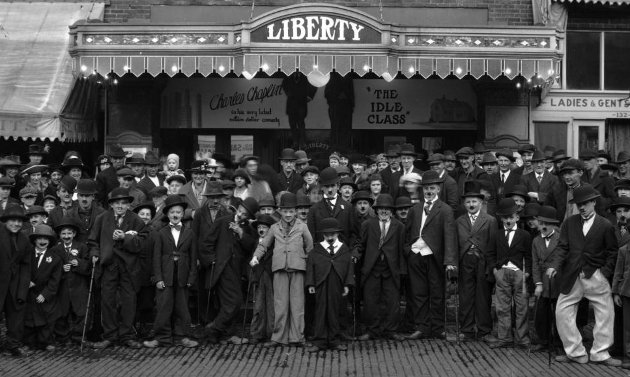
Charlie Chaplin started appearing in his first films in 1914—40 films, to be precise—and, by 1915, the United States had a major case of “Chaplinitis.” Chaplin mustaches were suddenly popping up everywhere–as were Chaplin imitators and Chaplin look-alike contests. A young Bob Hope apparently won one such contest in Cleveland. Chaplin Fever continued burning hot…
|
|
|
|