|
When Salvador Dalí Created a Chilling Anti-Venereal Disease Poster During World War II, Bob Dylan Explains Why Music Has Been Getting Worse ͏ ͏ ͏ ͏ ͏ ͏ ͏ ͏ ͏ ͏ ͏ ͏ ͏ ͏ ͏ ͏ ͏ ͏ ͏ ͏ ͏ ͏ ͏ ͏ ͏ ͏ ͏ ͏ ͏ ͏ ͏ ͏ ͏ ͏ ͏ ͏ ͏ ͏ ͏ ͏ ͏ ͏ ͏ ͏ ͏ ͏ ͏ ͏ ͏ ͏ ͏ ͏ ͏ ͏ ͏ ͏ ͏ ͏ ͏ ͏
|
| |
|
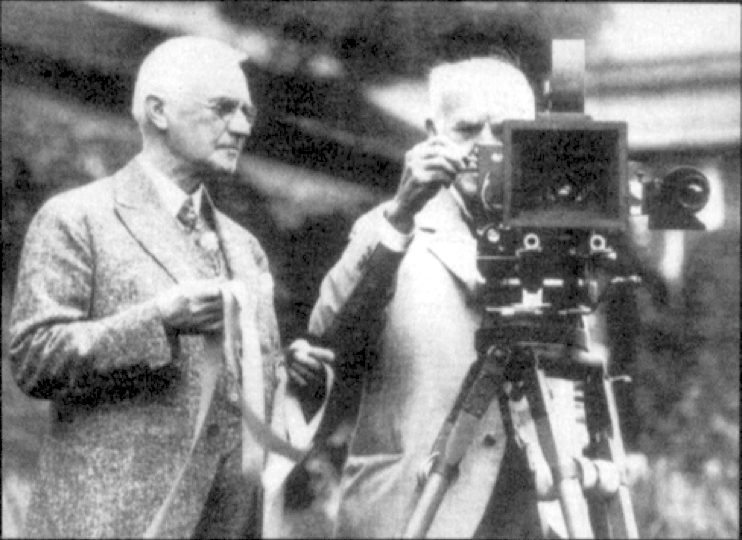
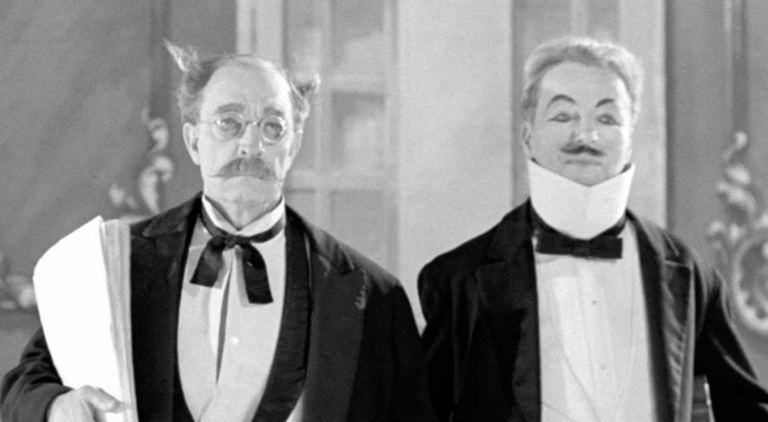
Charlie Chaplin and Buster Keaton were the two biggest comedy stars of the silent era, but as it happened, they never shared the screen until well into the reign of sound. In fact, their collaboration didn’t come about until 1952, the same year that Singin’ in the Rain dramatized the already distant-feeling advent…
|
|
|
|
| |
|
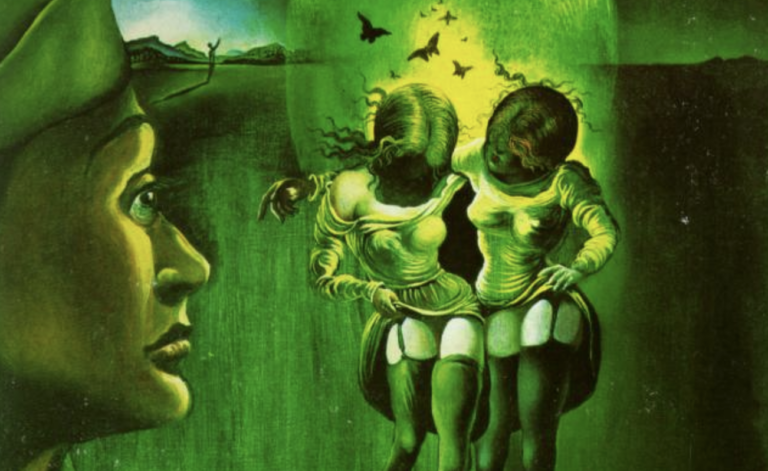
As a New York City subway rider, I am constantly exposed to public health posters. More often than not these feature a photo of a wholesome-looking teen whose sober expression is meant to convey hindsight regret at having taken up drugs, dropped out of school, or forgone condoms. They’re well-intended, but boring. I…
|
|
|
|
| |
|
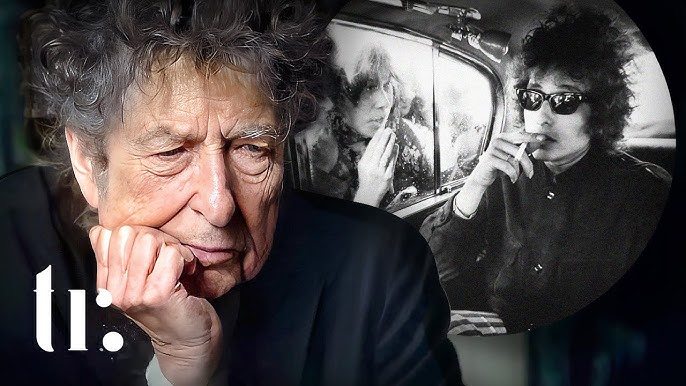
One often hears that there’s no money to be made in music anymore. But then, there was no money to be made in music when Bob Dylan started his career either—at least according to Bob Dylan. “If you could just support yourself, you were doin’ good,” he says in an interview clip included in
|
|
|
|
| |
|
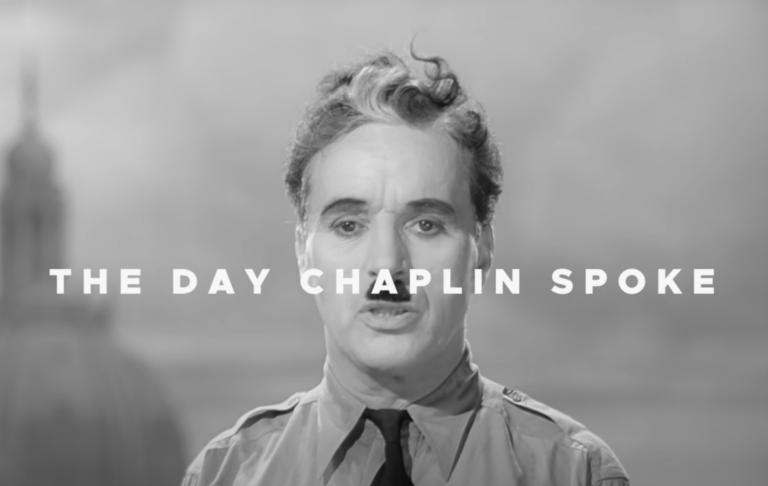
Charlie Chaplin came up in vaudeville, but it was silent film that made him the most famous man in the world. His mastery of that form primed him to feel a degree of skepticism about sound when it came along: in 1931, he called the silent picture “a universal means of expression,” whereas the talkies,…
|
|
|
|