|
Digest of new articles at openculture.com, your source for the best cultural and educational resources on the web ͏ ͏ ͏ ͏ ͏ ͏ ͏ ͏ ͏ ͏ ͏ ͏ ͏ ͏ ͏ ͏ ͏ ͏ ͏ ͏ ͏ ͏ ͏ ͏ ͏ ͏ ͏ ͏ ͏ ͏ ͏ ͏ ͏ ͏ ͏ ͏ ͏ ͏ ͏ ͏ ͏ ͏ ͏ ͏ ͏ ͏ ͏ ͏ ͏ ͏ ͏ ͏ ͏ ͏ ͏ ͏ ͏ ͏ ͏ ͏ ͏ ͏ ͏ ͏ ͏ ͏ ͏ ͏ ͏ ͏ ͏ ͏ ͏ ͏ ͏ ͏ ͏ ͏ ͏ ͏ ͏ ͏ ͏ ͏ ͏ ͏ ͏
|
|
Throughout history, determined artists have worked on available surfaces – scrap wood, cardboard, walls…
Ben Wilson has created thousands of works using chewing gum as his canvas.
Specifically, chewing gum spat out by careless strangers.
His work has become a defining featuring of London’s Millennium Bridge, a modern structure spanning the Thames, and connecting such South Bank attractions as Tate Modern and the Shakespeare’s Globe with St. Paul’s Cathedral to the north.
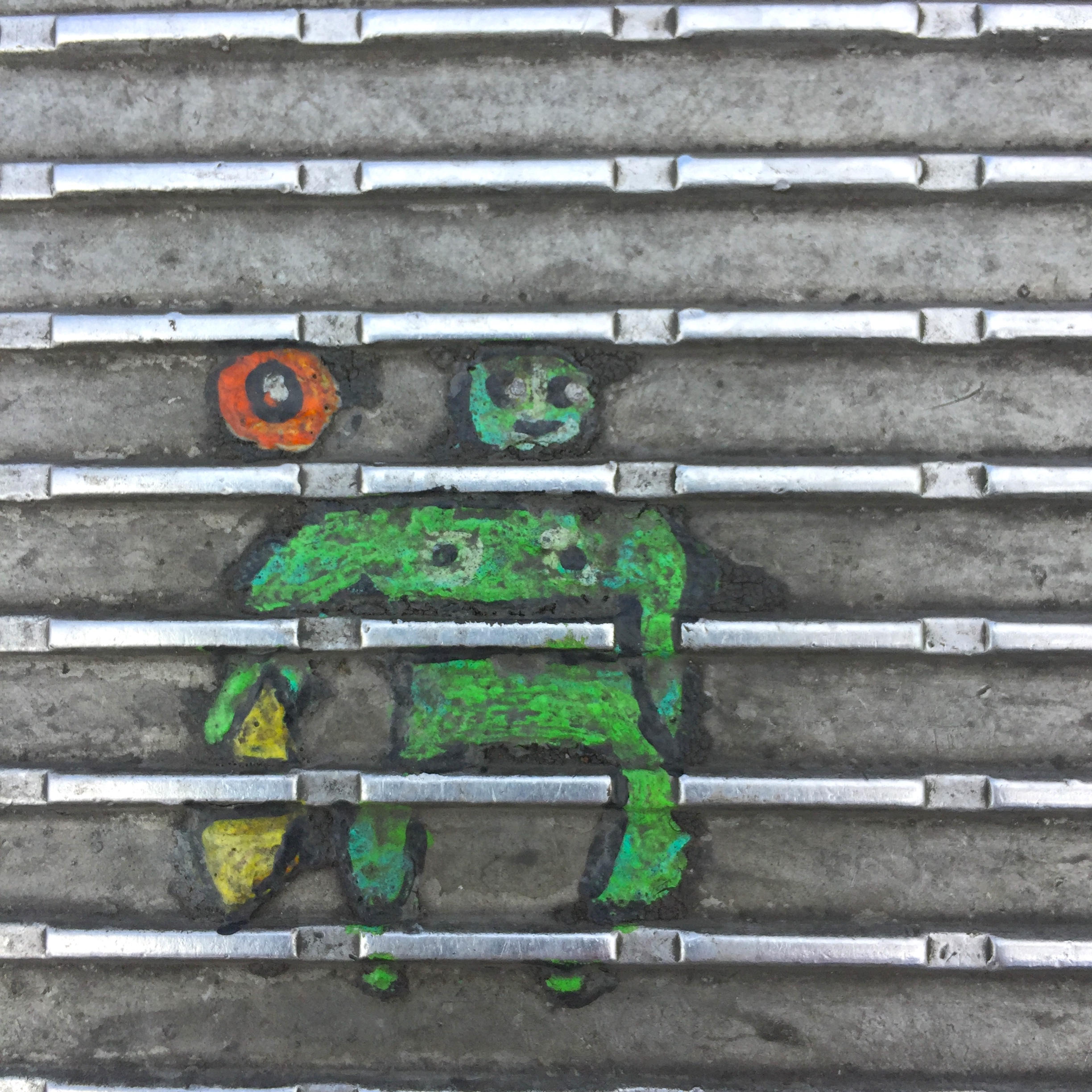


A 2021 profile in The Guardian documents the creation process:
The technique is very precise. He first softens the oval of flattened gum a little with a blowtorch, sprays it with lacquer and then applies three coats of acrylic enamel, usually to a design from his latest book of requests that come from people who stop and crouch and talk. He uses tiny modelers’ brushes, quick-drying his work […]
|
|
|
|
|
I have often been asked if Christopher defended me because he was my close friend. The truth is that he became my close friend because he wanted to defend me. –Salman Rushdie
Salman Rushdie remains in critical condition after suffering multiple stab wounds while on stage in New York, a shocking occurrence but not quite surprising given that the author has lived with a death sentence over his head since 1989. (You can read the history of that controversy here.) The nation of Iran has denied any responsibility for the attack on the author, but it’s probably safe to assume that his 1988 novel The Satanic Verses has something to do with it, over thirty years after the fact.
“Even before the fatwa,” Steven Erlanger writes in The New York Times, “the book was banned in a number of countries, including India, Bangladesh, Sudan and Sri Lanka.” Protests of the novel resulted in several deaths and attacks on booksellers. Rushdie had not set out to enrage much of the Islamic world, but neither had he any interest in appeasing its conservative leaders. […]
|
|
|
|
|
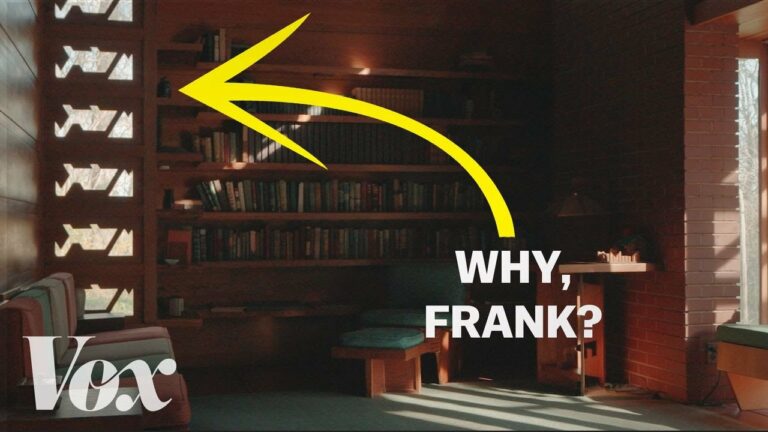
There could be few more American styles of dwelling than the tract house, and few more American architects than Frank Lloyd Wright. But Wright, of course, never designed a tract house. Each of his dwellings, to say nothing of his public buildings, was in every sense a one-off, not just in its layout and its details but in its relationship to its context. Wright believed, as he declared in his book The Natural House, that a building should be “as dignified as a tree in the midst of nature.” This he held true even for relatively modest residences, as evidenced by the series of “Usonian houses” he began in the late nineteen-thirties.
The Vox video above features the “cypress-and-brick masterpiece” that is Pope-Leighey House in Alexandria, Virginia, which Wright completed in 1941. “Bounded by the humble budget of the Pope family” — Loren Pope, its head was working as a newspaper copy editor at the time — “this structure nonetheless exhibits the distinct features characteristic of his formidable vision and style.”
So says the house’s page at the […]
|
|
|
|
|
Librarians are champions of organization, and among its best practitioners.
Books are shelved according to the Dewey Decimal system.
Categories are assigned using Library of Congress Rule Interpretations, Library of Congress Subject Headings, and Library of Congress Classification.
And Sharon McKellar, the Teen Services Department Head at the Oakland Public Library, collects ephemera she and other staffers find in books returned to the OPL’s 18 locations.

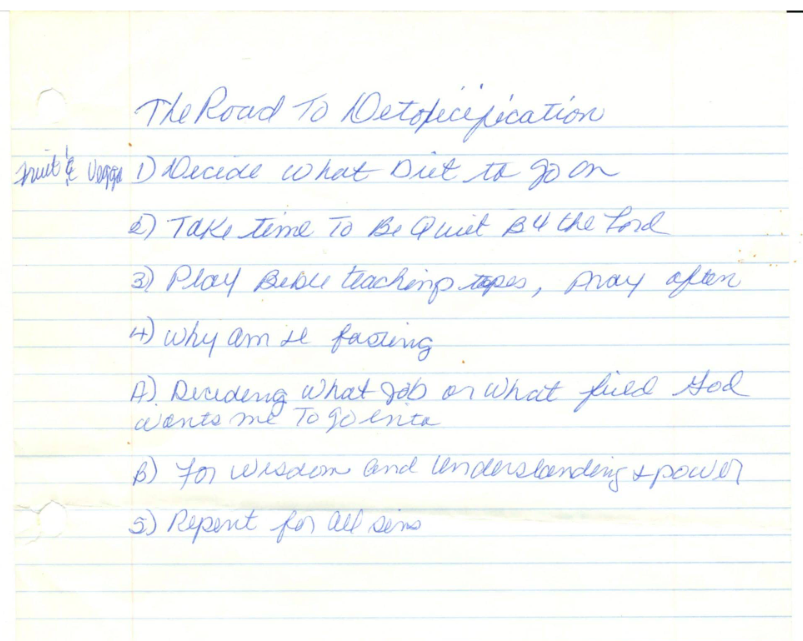

It’s an impulse many share.
Eventually, she began scanning them to share on her employer’s website, inspired by Found Magazine, a crowdsourced collection of found letters, birthday cards, kids’ homework, to-do lists, handwritten poems, doodles, dirty pictures, etc.
As Found’s creators, Davy Rothbart and Jason Bitner, write on the magazine’s website:
We certainly didn’t invent the idea of found stuff being cool. Every time we visit our friends in […]
|
|
|
|
|
If you don’t believe chairs can be art, you’ll have to take it up with the curators, gallerists, collectors, architects, and designers around the world who spend their lives obsessing over chair design. Every major museum has a furniture collection, and every collection displaying furniture gives special pride of place to the radical innovations of modernist chairs, from early artisan creations of the Bauhaus to mass-produced mid-century chairs of legend. Chairs are status symbols, art objects, and physical manifestations of leisure, power, and repose.
Who could forget Charles and Ray Eames’ iconic lounge chair, Arne Jacobsen’s “Egg,” the elegantly simple side chairs of Eero Saarinen and Charles Eames, or even the more recent corner office staple, the Aeron Chair — the Herman Miller original that has been part of the Museum of Modern Art’s permanent collection since 1992? “In chairs more than in any other object, human beings are the unit of measure,” says Museum of Modern Art curator Paola Antonelli, “and designers are forced to walk a line between standardization and personalization.”
Artist […]
|
|
|
|