|
| |
|
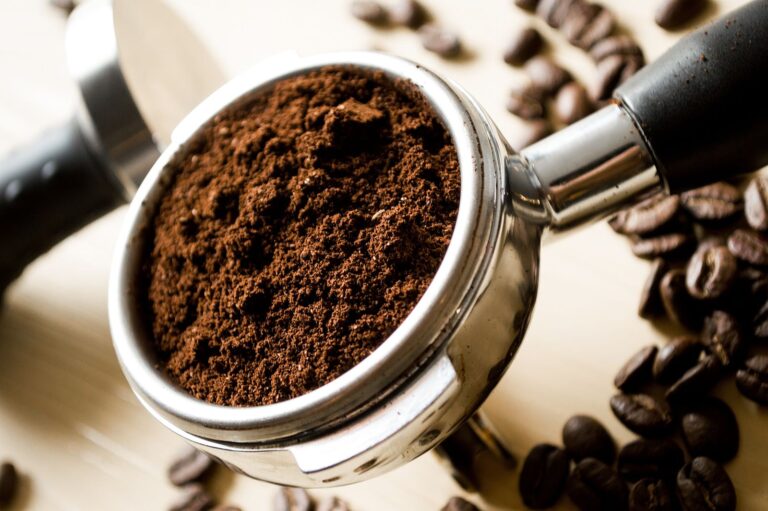
The Romans fashioned their buildings with concrete that has endured for 2,000 years. Their secret? Some researchers think it’s how the Romans heated lime. Others think it’s how they used pozzolanic material such as volcanic ash. Nowhere does coffee figure into the equation. Too bad.
Happily, researchers at the Royal Melbourne…
|
|
|
|
A BBC Science Show Introduces the Moog Synthesizer in 1969
| |

|
httvs://www.youtube.com/watch?v=RpuV-kpXZRI
In the fall of 1969, there were still a great many people who’d never heard a synthesizer. And even among those who had, few would have known how its unfamiliar sounds were actually made. Hence the importance of the segment from the BBC program Tomorrow’s World above, which introduced the Moog synthesizer to…
|
|
|
|
Venice Explained: Its Architecture, Its Streets, Its Canals, and How Best to Experience Them All
| |
|
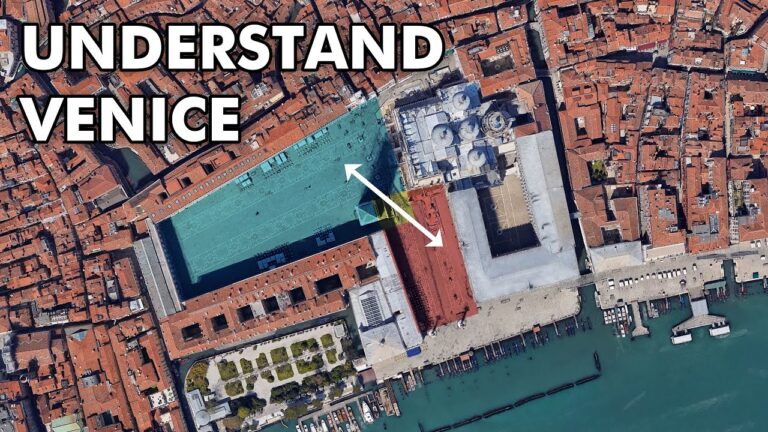
“If you’re in Venice, you might not enjoy it so much if you follow a tour-guide route that gets you to the main attractions.” So says Youtuber Manuel Bravo — whom we’ve previously featured here on Open Culture for his videos on Pompeii, the Duomo di Firenze, and the Great Pyramids of…
|
|
|
|
Leonardo da Vinci’s Handwritten Resume (Circa 1482)
| |
|
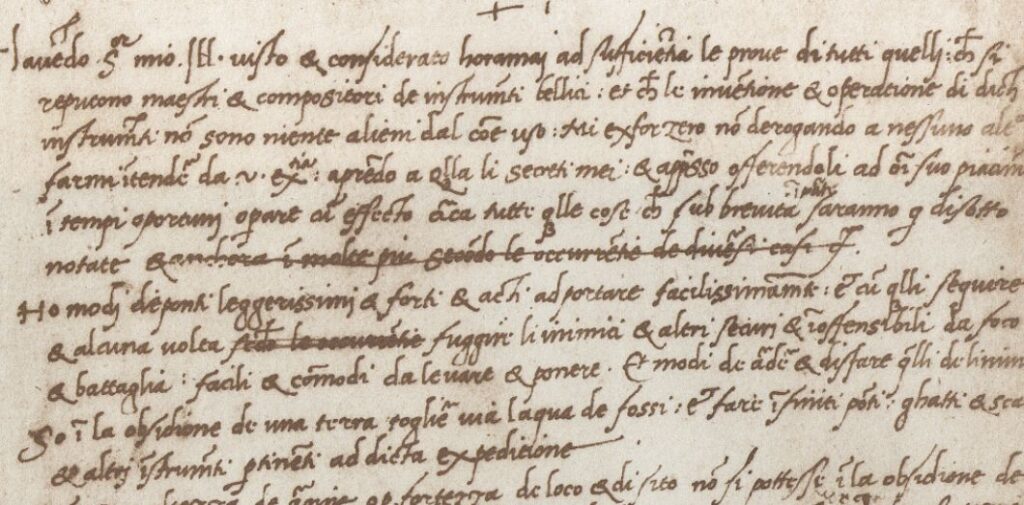
We know that Michelangelo wrote grocery lists; now we have evidence that Leonardo wrote resumes. “Before he was famous, before he painted the Mona Lisa and the Last Supper, before he invented the helicopter, before he drew the most famous image of man, before he was all of these things, Leonardo da…
|
|
|
|
What Makes Kazimir Malevich’s Black Square (1915) Not Just Art, But Important Art
| |

|
Who created the first work of abstract art has long been a fraught question indeed. Better, perhaps, to ask who first said of a work of art that a kid could have made it. A strong contender in that division is the Russian artist Véra Pestel, whom history remembers as having reacted to
|
|
|
|