|
| |
|
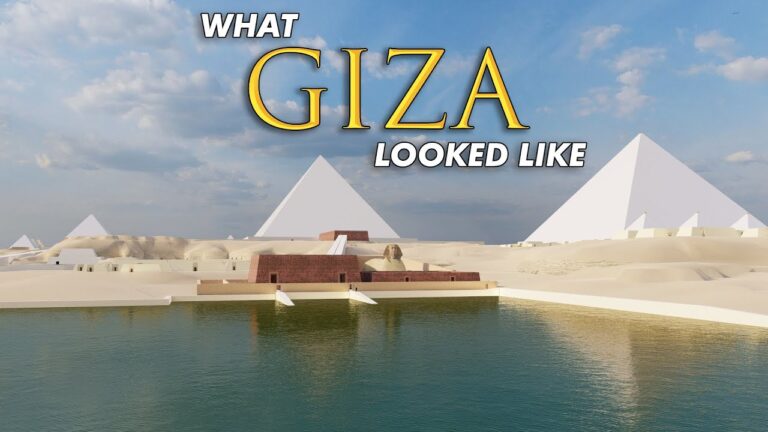
Ask anyone who’s traveled to the Great Pyramids of Giza: no matter how many times you’ve seen them in photographs or on television, you’re never really prepared to come face-to-face with them in real life. But you can get fairly close to at least the appearance of real life by seeing the Pyramids in 4k…
|
|
|
|
| |
|
The animals were imperfect,
long-tailed,
unfortunate in their heads.
Little by little they
put themselves together,
making themselves a landscape,
acquiring spots, grace, flight.
The cat,
only the cat
appeared complete and proud:
he was born completely finished,
walking alone and knowing what he wanted.
– Pablo Neruda, excerpt from Ode to the…
|
|
|
|
| |
|
Summer’s lease may have all too short a date, but every year, it’s time enough for dozens, nay, hundreds of free Shakespeare productions to pop up in the parks and parking lots.
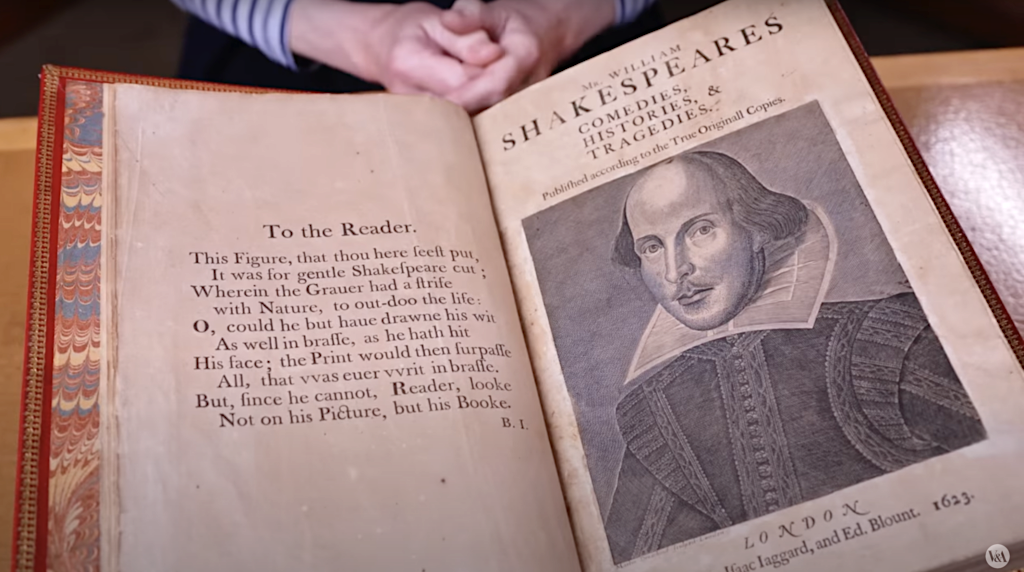
We owe these pleasures in part to the First Folio, a fat collection of Shakespeare’s plays, compiled in 1623, seven years after his death.
As Elizabeth James, senior librarian at the National Art Library in London, and Harriet Reed, contemporary performance curator at the Victoria and Albert Museum point out in the show-and-tell above, 18 previously-unpublished plays would have sunk into oblivion had they not been truffled up and preserved here by John Heminge and Henry Condell, listed in the Folio as among the ‘Principall Actors’ of his work.
You may be able to imagine a world without Cymbeline or Timon of Athens, but what about Macbeth or The Tempest?
Hemings and Condell’s desire to create an accurate compendium of Shakespeare’s work for posterity led them to scour prompt books, authorial fair copy, and working drafts referred to as “foul […]
|
|
|
|
| |

|
It’s a rare young Star Trek fan indeed who doesn’t fantasize about sitting on the bridge of the starship Enterprise. That has gone for every generation of fan, every Star Trek series, and every Enterprise, whose bridges you can see in the new video above from the Roddenberry Archive. It begins, naturally, with the…
|
|
|
|
| |
|
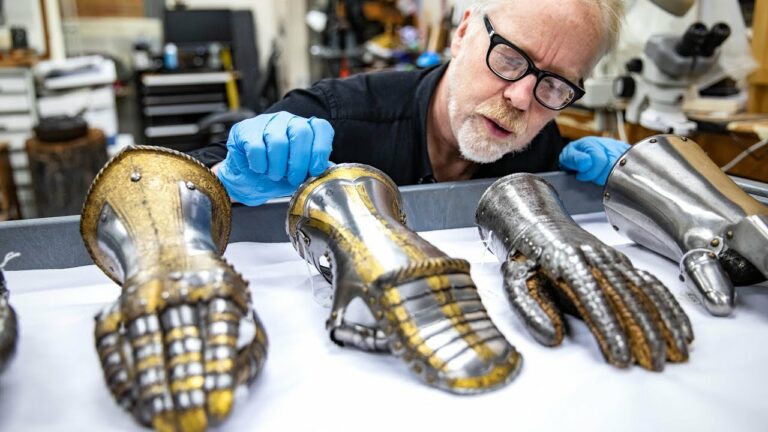
The phrase “to throw down the gauntlet” means to issue a challenge, and this is understood all over the English-speaking world — even by those who have no idea what, exactly, a gauntlet is. “The word itself comes from the French word gantelet, and referred to the heavy, armored gloves worn by medieval knights,”
|
|
|
|