|
Digest of new articles at openculture.com, your source for the best cultural and educational resources on the web ͏ ͏ ͏ ͏ ͏ ͏ ͏ ͏ ͏ ͏ ͏ ͏ ͏ ͏ ͏ ͏ ͏ ͏ ͏ ͏ ͏ ͏ ͏ ͏ ͏ ͏ ͏ ͏ ͏ ͏ ͏ ͏ ͏ ͏ ͏ ͏ ͏ ͏ ͏ ͏ ͏ ͏ ͏ ͏ ͏ ͏ ͏ ͏ ͏ ͏ ͏ ͏ ͏ ͏ ͏ ͏ ͏ ͏ ͏ ͏ ͏ ͏ ͏ ͏ ͏ ͏ ͏ ͏ ͏ ͏ ͏ ͏ ͏ ͏ ͏ ͏ ͏ ͏ ͏ ͏ ͏ ͏ ͏ ͏ ͏ ͏ ͏
|
|
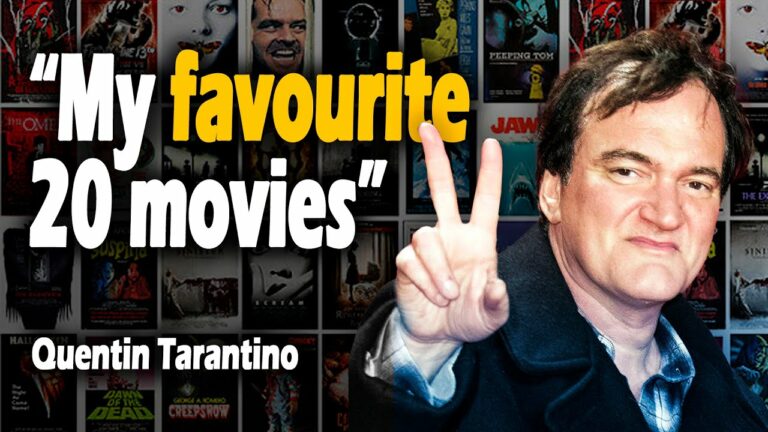
Quentin Tarantino’s filmmaking career began thirty years ago — at least if you place its starting point at his first feature Reservoir Dogs in 1992. But even then he had been working toward auteurhood for quite some time, a period characterized by projects like My Best Friend’s Birthday, previously featured here on Open Culture. Throughout the three decades since he hit it big, there can be no doubt that Tarantino has consistently made just the films he himself has most wanted to see. But he’s also remained a sufficiently honest cinephile to admit that other directors have made films he would have wanted to make: Fukasaku Kinji, for instance, whose Battle Royale he praises in just such personal terms in the video above.
In six minutes Tarantino runs down the list of his twenty favorite movies between 1992, when he became a director, and 2009. After giving pride of place to Battle Royale — a Japanese comedic thriller of high-school ultraviolence that set off a wave of transgressive thrill through a worldwide “cult” audience — he presents his choices in […]
|
|
|
|
|
“The problem of woman is the most marvelous and disturbing problem in all the world,” — Andre Breton, 1929 Surrealist Manifesto.
“I warn you, I refuse to be an object.” — Leonora Carrington
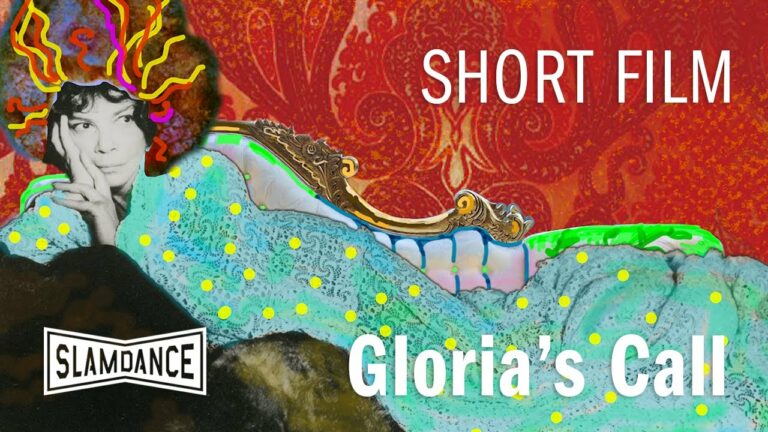
Fashion model, writer, and photographer Lee Miller had many lives. Discovered by Condé Nast in New York (when he pulled her out of the path of traffic), she became a famous face of Vogue in the 1920s, then launched her own photographic career, for which she has been justly celebrated: both for her work in the fashion world and on the battlefields (and Hitler’s tub!) in World War II. One of Miller’s achievements often gets left out in mentions of her life, the Surrealist work she created as an artist in the 1930s.
Hailed as a “legendary beauty,” writes the National Galleries of Scotland, Miller studied acting, dance, and experimental theater. “She learned photography first through being a subject for the most important fashion photographers of her day, including Nickolas Muray, Arnold Genthe and Edward Steichen.” Her apprenticeship and affair with Man Ray is, of […]
|
|
|
|
|
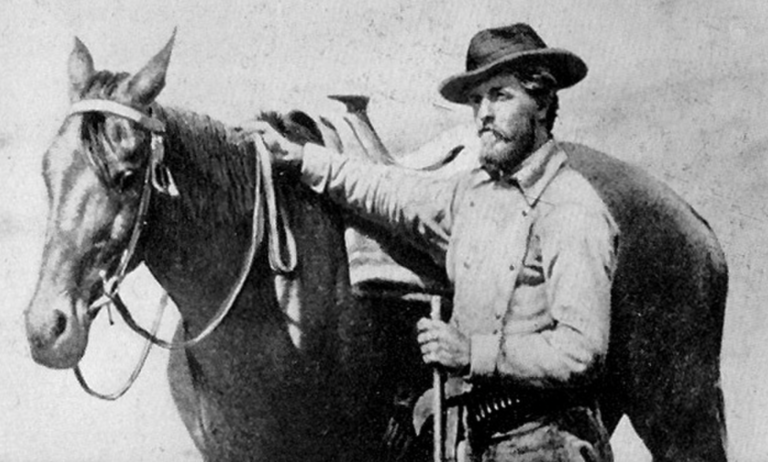
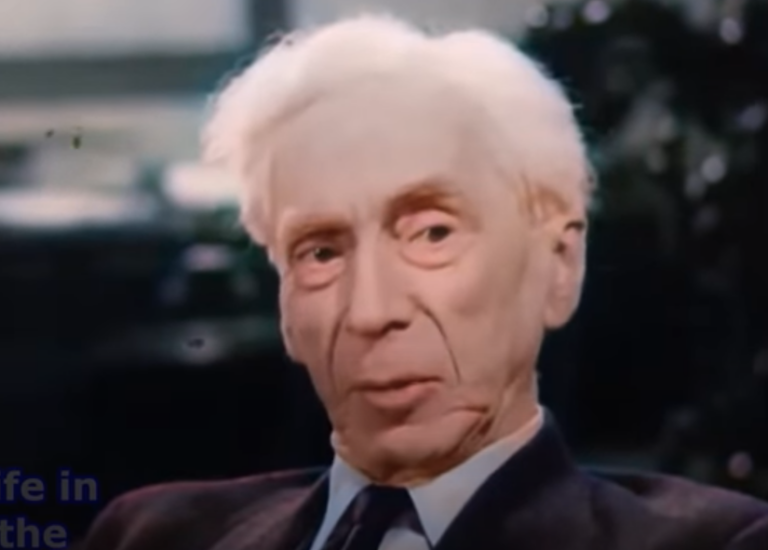
The nineteenth century is well and truly gone. That may sound like a trivial claim, given that we’re now living in the 2020s, but only in recent years did we lose the last person born in that time. With Tajima Nabi, a Japanese woman who died in 2018 at the age of 117 years, went our last living connection to the nineteenth century (1900, the year of Tajima’s birth, technically being that century’s last year.) Luckily that same century saw the invention of photography, sound recording, and even motion pictures, which offered certain of its inhabitants a means of preserving not just their memories but their manner. You can view a collection of just such footage, restored and colorized, at the Youtube channel Life in the 1800s.
In the channel’s playlist of interview clips you’ll find first-hand memories of, if not the particular decade of the eighteen-hundreds, then at least of the eighteen-fifties through the eighteen-nineties. Take the inventor Elihu Thomson, interview subject in the video at the top of the post. Born in England in 1853, […]
|
|
|
|
|
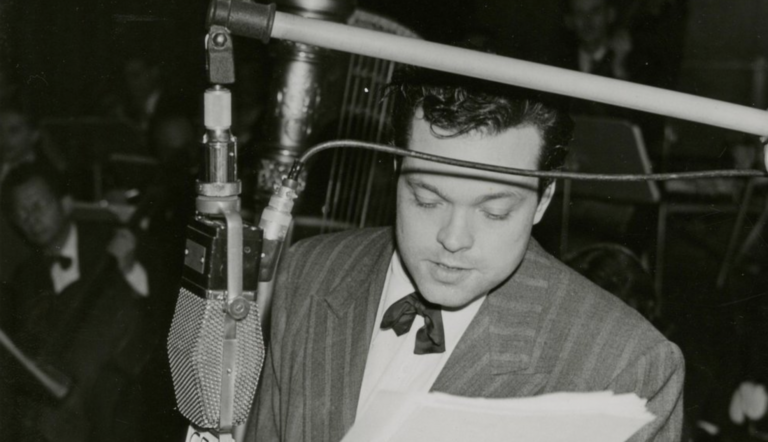
As someone who had mastered radio, film, and stage at such a young age, it shouldn’t be a surprise that Orson Welles once flirted with the idea of running for office. It never happened, but Welles got pretty close in 1944 by ghost-writing speeches for Franklin Delano Roosevelt’s re-election campaign. This in-depth article at Smithsonian by Erick Trickey goes into greater detail about this mix of entertainment and politics, and shows how both have always influenced each other.
In the final four months of 1944, America was still at war with Japan and Germany, and Roosevelt was seeking an unprecedented fourth term to bring the war to a close. Roosevelt’s Republican challenger Thomas Dewey questioned the ailing president’s stamina and wellness for the job, along with accusations of corruption and incompetence.
Welles was still Hollywood’s golden boy, with a career that had taken off during Roosevelt’s second term with his infamous War of the Worlds radio play, picking up on America’s pre-war paranoia. It had continued through 1941’s Citizen Kane and its thinly veiled attack on William Randolph Hearst and […]
|
|
|
|
|
Maybe our generational enmity has grown too great these days, but once upon a time, primary school teachers would ask students to interview an elder as an eyewitness to history. Most of our elders didn’t participate in History, big H. Few of them were (or stood adjacent to) world leaders. But in some way or another, they experienced events most of us only see in photographs and film: the Vietnam War, segregation and the Civil Rights Movement, the Cold War and its end…. It’s not hard to see how this relatively recent history has shaped the world we live in.
Hearing from people who lived through such world-historical events can give us needed perspective, if they’re still living and willing to talk. It offers a sense that the apocalyptic dread we often feel in the face of our own crises – climate, virus, war, the seeming end of democratic institutions – was also acutely felt, and often with as much good reason, by those who lived a generation or two before us. And yet, they survived — or did so long […]
|
|
|
|