Digest of new articles at openculture.com, your source for the best cultural and educational resources on the web ͏ ‌     ­ ͏ ‌     ­ ͏ ‌     ­ ͏ ‌     ­ ͏ ‌     ­ ͏ ‌     ­ ͏ ‌     ­ ͏ ‌     ­ ͏ ‌     ­ ͏ ‌     ­ ͏ ‌     ­ ͏ ‌     ­ ͏ ‌     ­ ͏ ‌     ­ ͏ ‌     ­ ͏ ‌     ­ ͏ ‌     ­ ͏ ‌     ­ ͏ ‌     ­ ͏ ‌     ­ ͏ ‌     ­ ͏ ‌     ­ ͏ ‌     ­ ͏ ‌     ­ ͏ ‌     ­ ͏ ‌     ­ ͏ ‌     ­ ͏ ‌     ­ ͏ ‌     ­ ͏ ‌     ­ ͏ ‌     ­ ͏ ‌     ­ ͏ ‌     ­ ͏ ‌     ­ ͏ ‌     ­ ͏ ‌     ­ ͏ ‌     ­ ͏ ‌     ­ ͏ ‌     ­ ͏ ‌     ­ ͏ ‌     ­ ͏ ‌     ­ ͏ ‌     ­ ͏ ‌     ­ ͏ ‌     ­ ͏ ‌     ­ ͏ ‌     ­ ͏ ‌     ­ ͏ ‌     ­ ͏ ‌     ­ ͏ ‌     ­ ͏ ‌     ­ ͏ ‌     ­ ͏ ‌     ­ ͏ ‌     ­ ͏ ‌     ­ ͏ ‌     ­ ͏ ‌     ­ ͏ ‌     ­ ͏ ‌     ­ ͏ ‌     ­ ͏ ‌     ­ ͏ ‌     ­ ͏ ‌     ­ ͏ ‌     ­ ͏ ‌     ­ ͏ ‌     ­ ͏ ‌     ­ ͏ ‌     ­ ͏ ‌     ­ ͏ ‌     ­ ͏ ‌     ­ ͏ ‌     ­ ͏ ‌     ­ ͏ ‌     ­ ͏ ‌     ­ ͏ ‌     ­ ͏ ‌     ­ ͏ ‌     ­ ͏ ‌     ­ ͏ ‌     ­ ͏ ‌     ­ ͏ ‌     ­ ͏ ‌     ­ ͏ ‌     ­ ͏ ‌     ­ ͏ ‌     ­
oc new logo
‌
‌
‌
‌
‌
‌
‌
‌

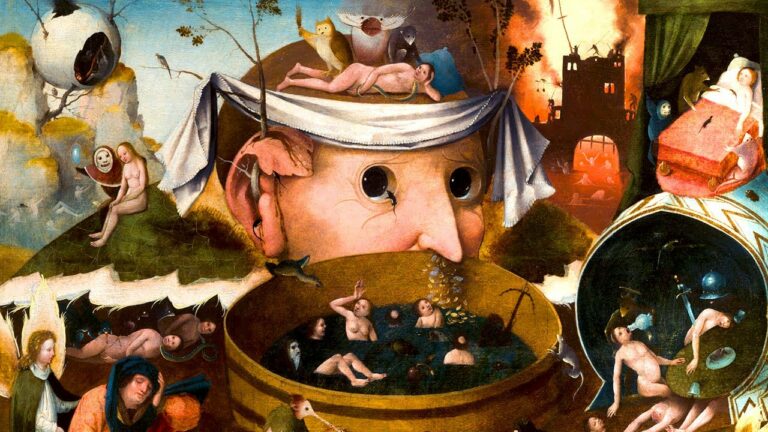
The Disturbing Paintings of Hieronymus Bosch: A Short Introduction


Most casual viewers of Hieronymus Bosch's paintings must acknowledge his artistic skill, and many must also wonder whether he was completely out of his mind. But insanity, however vividly suggested by his imagery, isn't an especially compelling explanation for that imagery. Bosch painted in a particular place and time — the Netherlands of the late fifteenth and early sixteenth century, to be specific — but he also painted within a dominant worldview."He grew up in a time of deep religious anxiety," says Youtuber Hochelaga in the video essay above. "Ideas about sin, death, and the devil were becoming more sophisticated," and "there was a genuine fear that demonic forces lived amongst the population."

Hence the analyses like that of Great Art Explained, which frames Bosch's best-known painting The Garden of Early Delights as an expression of "hardcore Christianity." But something about the triptych's sheer elaborateness and grotesquerie demands further inquiry. Hochelaga explores the possibility that Bosch worked in a condition of not just fearful piety, but psychological affliction.

"There is a disease called St. Anthony's fire," he says, contracted [...]

‌
‌
‌

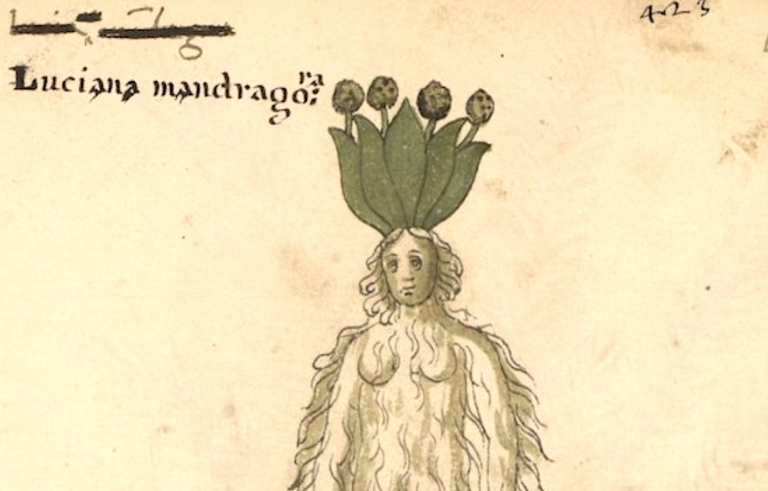
Behold a 15th-Century Italian Manuscript Featuring Medicinal Plants with Fantastical Human Faces


No matter where you may stand on herbal medicine as a viable 21st-century option, it’s not hard to imagine we’d have all been true believers back in the 15th-century.

In an article for Heart Views, cardiologist Rachel Hajar lists some common herbal treatments of the Middle Ages:

Headache and aching joints were treated with sweet-smelling herbs such as rose, lavender, sage, and hay. A mixture of henbane and hemlock was applied to aching joints. Coriander was used to reduce fever. Stomach pains and sickness were treated with wormwood, mint, and balm. Lung problems were treated with a medicine made of liquorice and comfrey. Cough syrups and drinks were prescribed for chest and head-colds and coughs.

If nothing else, such approaches sound rather more pleasant than bloodletting.

Monks were responsible for the study and cultivation of medicinal herbs.

You may recall how one of Friar Lawrence’s daily tasks in Romeo and Juliet involved venturing into the monastery garden, to fill his basket full “baleful weeds and precious-juicèd flowers.”

(The powerful sleeping potion he concocted for the young lovers may [...]

‌
‌
‌

How to Make Coffee in the Bialetti Moka Pot: The “Ultimate Techique”


In Italy, roughly 70% of households have a Bialetti Moka Pot. And chances are you have one too. But are you using it the right way? Probably not, says James Hoffmann, the author of The World Atlas of Coffee. Above, he sets the record straight, demonstrating the best technique for making a great cup of coffee. Enjoy this public service announcement and use it well.

Related Content

The Bialetti Moka Express: The History of Italy’s Iconic Coffee Maker, and How to Use It the Right Way

Deep Fried Coffee: A Very Disturbing Discovery

Life and Death of an Espresso Shot in Super Slow Motion

The Birth of Espresso: How the Coffee Shots The Fuel Our Modern Life Were Invented

[...]

‌
‌
‌
‌
‌
‌
Share this on TwitterShare this on Facebook
You have received this email because you have subscribed to Open Culture as . If you no longer wish to receive emails please unsubscribe.
webversion - unsubscribe - update profile
© 2026 Open Culture, All rights reserved.
‌
‌