|
Digest of new articles at openculture.com, your source for the best cultural and educational resources on the web ͏ ͏ ͏ ͏ ͏ ͏ ͏ ͏ ͏ ͏ ͏ ͏ ͏ ͏ ͏ ͏ ͏ ͏ ͏ ͏ ͏ ͏ ͏ ͏ ͏ ͏ ͏ ͏ ͏ ͏ ͏ ͏ ͏ ͏ ͏ ͏ ͏ ͏ ͏ ͏ ͏ ͏ ͏ ͏ ͏ ͏ ͏ ͏ ͏ ͏ ͏ ͏ ͏ ͏ ͏ ͏ ͏ ͏ ͏ ͏ ͏ ͏ ͏ ͏ ͏ ͏ ͏ ͏ ͏ ͏ ͏ ͏ ͏ ͏ ͏ ͏ ͏ ͏ ͏ ͏ ͏ ͏ ͏ ͏ ͏ ͏ ͏
|
|
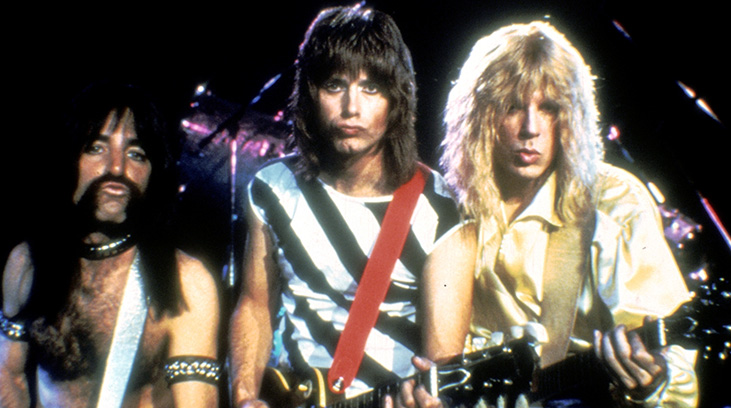
Fans of James Cameron’s Avatar are expressing astonishment that its long-expected sequel, Avatar: The Way of Water, will have taken thirteen years to get to theaters. That delay, of course, is nothing next to the 35 years that separated Blade Runner and Blade Runner 2049, or the 36 between Top Gun and Top Gun: Maverick, which comes out next month. But the recently announced sequel to This Is Spinal Tap tops them all: “Spinal Tap II will see Rob Reiner return as both film-maker on and off the screen along with Michael McKean, Harry Shearer, and Christopher Guest,” writes the Guardian‘s Benjamin Lee. “The film will be released in 2024 on the 1984 original’s 40th anniversary.”
Critics praised This Is Spinal Tap back in 1984, but it took time to become a revered classic of the improvised-mockumentary genre. In fact that genre hadn’t exist at all, which resulted in some viewers not quite getting the joke. “When the film first came out, we showed it in Dallas and people came up to me and said, why would you make a movie about a band nobody’s […]
|
|
|
|
|
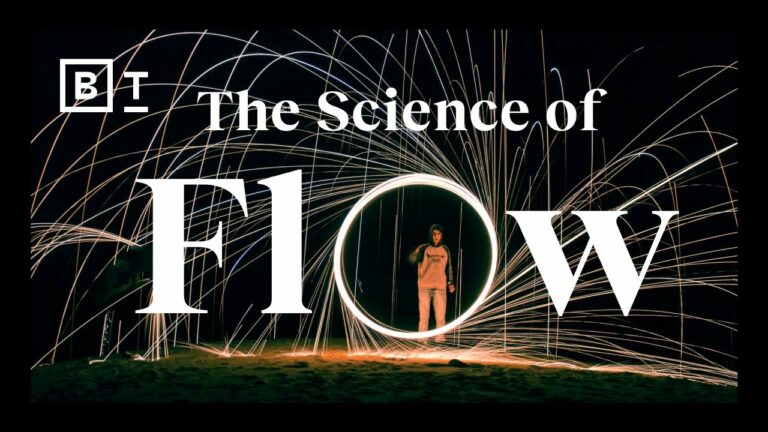
You can be forgiven for thinking the concept of “flow” was cooked up and popularized by yoga teachers. That word gets a lot of play when one is moving from Downward-Facing Dog on through Warrior One and Two.
Actually, flow – the state of “effortless effort” – was coined by Goethe, from the German “rausch”, a dizzying sort of ecstasy.
Friedrich Nietzsche and psychologist William James both considered the flow state in depth, but social theorist Mihaly Csikszentmihalyi, author of Creativity: Flow and the Psychology of Discovery and Invention, is the true giant in the field. Here’s one of his definitions of flow:
Being completely involved in an activity for its own sake. The ego falls away. Time flies. Every action, movement, and thought follows inevitably from the previous one, like playing jazz. Your whole being is involved, and you’re using your skills to the utmost.
Author Steven Kotler, Executive Director of the Flow Research Collective, not only seems to spend a lot of time thinking about flow, as a leading expert on […]
|
|
|
|
|
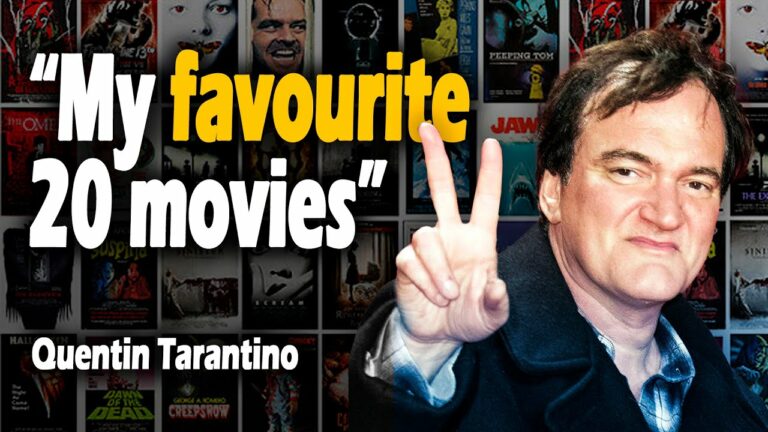
Quentin Tarantino’s filmmaking career began thirty years ago — at least if you place its starting point at his first feature Reservoir Dogs in 1992. But even then he had been working toward auteurhood for quite some time, a period characterized by projects like My Best Friend’s Birthday, previously featured here on Open Culture. Throughout the three decades since he hit it big, there can be no doubt that Tarantino has consistently made just the films he himself has most wanted to see. But he’s also remained a sufficiently honest cinephile to admit that other directors have made films he would have wanted to make: Fukasaku Kinji, for instance, whose Battle Royale he praises in just such personal terms in the video above.
In six minutes Tarantino runs down the list of his twenty favorite movies between 1992, when he became a director, and 2009. After giving pride of place to Battle Royale — a Japanese comedic thriller of high-school ultraviolence that set off a wave of transgressive thrill through a worldwide “cult” audience — he presents his choices in […]
|
|
|
|
|
“The problem of woman is the most marvelous and disturbing problem in all the world,” — Andre Breton, 1929 Surrealist Manifesto.
“I warn you, I refuse to be an object.” — Leonora Carrington
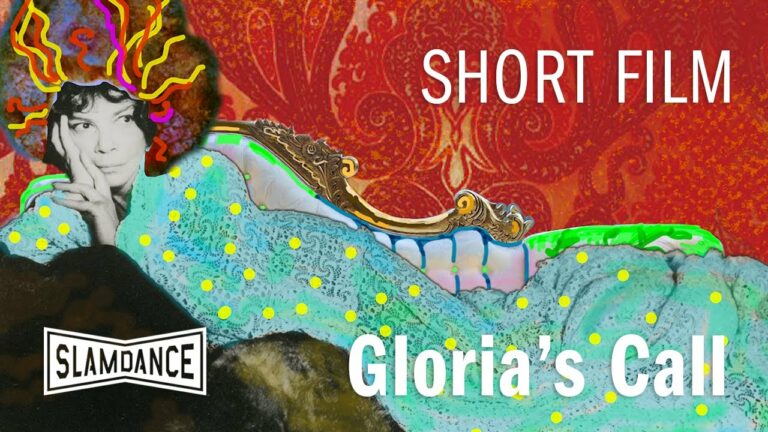
Fashion model, writer, and photographer Lee Miller had many lives. Discovered by Condé Nast in New York (when he pulled her out of the path of traffic), she became a famous face of Vogue in the 1920s, then launched her own photographic career, for which she has been justly celebrated: both for her work in the fashion world and on the battlefields (and Hitler’s tub!) in World War II. One of Miller’s achievements often gets left out in mentions of her life, the Surrealist work she created as an artist in the 1930s.
Hailed as a “legendary beauty,” writes the National Galleries of Scotland, Miller studied acting, dance, and experimental theater. “She learned photography first through being a subject for the most important fashion photographers of her day, including Nickolas Muray, Arnold Genthe and Edward Steichen.” Her apprenticeship and affair with Man Ray is, of […]
|
|
|
|