|
Digest of new articles at openculture.com, your source for the best cultural and educational resources on the web ͏ ͏ ͏ ͏ ͏ ͏ ͏ ͏ ͏ ͏ ͏ ͏ ͏ ͏ ͏ ͏ ͏ ͏ ͏ ͏ ͏ ͏ ͏ ͏ ͏ ͏ ͏ ͏ ͏ ͏ ͏ ͏ ͏ ͏ ͏ ͏ ͏ ͏ ͏ ͏ ͏ ͏ ͏ ͏ ͏ ͏ ͏ ͏ ͏ ͏ ͏ ͏ ͏ ͏ ͏ ͏ ͏ ͏ ͏ ͏ ͏ ͏ ͏ ͏ ͏ ͏ ͏ ͏ ͏ ͏ ͏ ͏ ͏ ͏ ͏ ͏ ͏ ͏ ͏ ͏ ͏ ͏ ͏ ͏ ͏ ͏ ͏
|
|
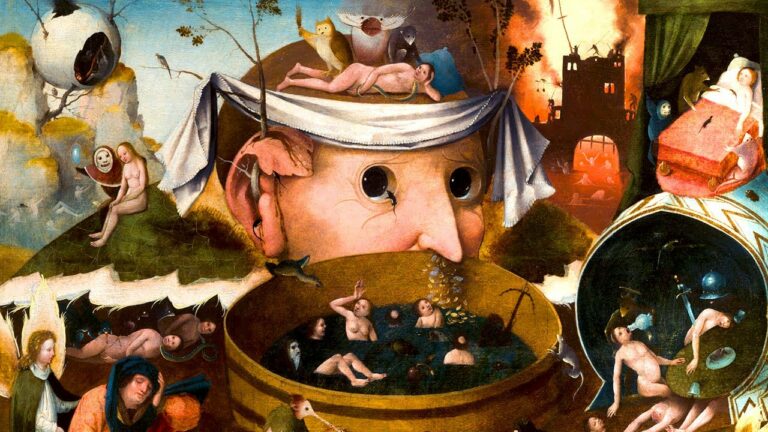
Most casual viewers of Hieronymus Bosch’s paintings must acknowledge his artistic skill, and many must also wonder whether he was completely out of his mind. But insanity, however vividly suggested by his imagery, isn’t an especially compelling explanation for that imagery. Bosch painted in a particular place and time — the Netherlands of the late fifteenth and early sixteenth century, to be specific — but he also painted within a dominant worldview.”He grew up in a time of deep religious anxiety,” says Youtuber Hochelaga in the video essay above. “Ideas about sin, death, and the devil were becoming more sophisticated,” and “there was a genuine fear that demonic forces lived amongst the population.”
Hence the analyses like that of Great Art Explained, which frames Bosch’s best-known painting The Garden of Early Delights as an expression of “hardcore Christianity.” But something about the triptych’s sheer elaborateness and grotesquerie demands further inquiry. Hochelaga explores the possibility that Bosch worked in a condition of not just fearful piety, but psychological affliction.
“There is a disease called St. Anthony’s fire,” he says, contracted […]
|
|
|
|
|
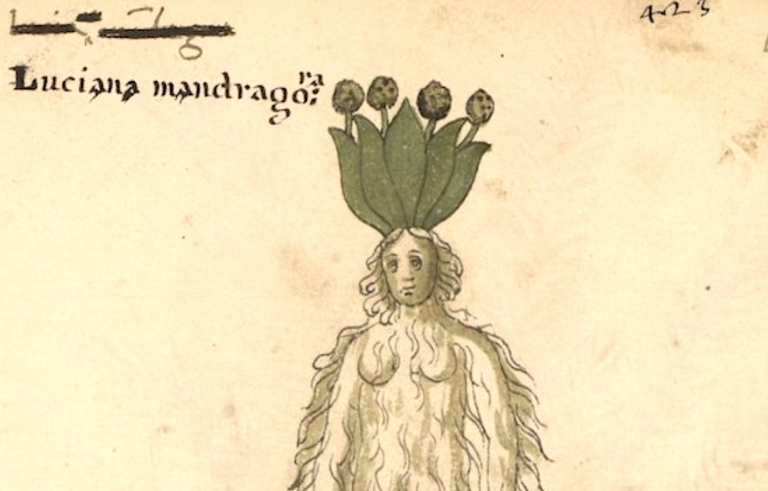
No matter where you may stand on herbal medicine as a viable 21st-century option, it’s not hard to imagine we’d have all been true believers back in the 15th-century.
In an article for Heart Views, cardiologist Rachel Hajar lists some common herbal treatments of the Middle Ages:
Headache and aching joints were treated with sweet-smelling herbs such as rose, lavender, sage, and hay. A mixture of henbane and hemlock was applied to aching joints. Coriander was used to reduce fever. Stomach pains and sickness were treated with wormwood, mint, and balm. Lung problems were treated with a medicine made of liquorice and comfrey. Cough syrups and drinks were prescribed for chest and head-colds and coughs.
If nothing else, such approaches sound rather more pleasant than bloodletting.
Monks were responsible for the study and cultivation of medicinal herbs.
You may recall how one of Friar Lawrence’s daily tasks in Romeo and Juliet involved venturing into the monastery garden, to fill his basket full “baleful weeds and precious-juicèd flowers.”
(The powerful sleeping potion he concocted for the young lovers may […]
|
|
|
|
|
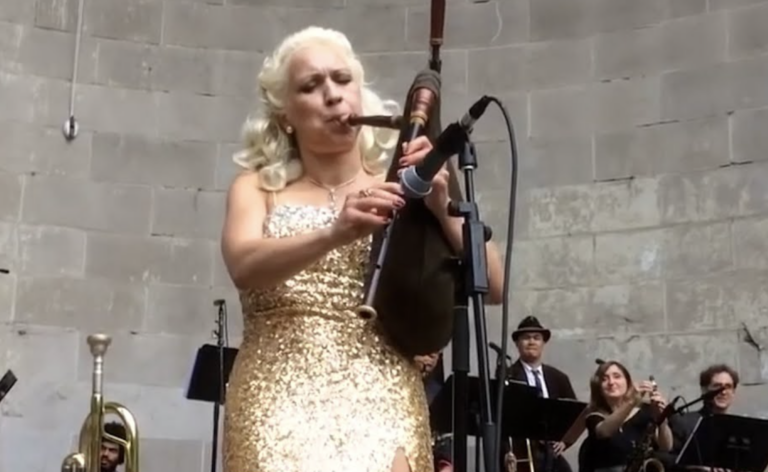
Trombone may be Sweden’s Queen of Swing Gunhild Carling’s favorite instrument, but she blows some mean bagpipes too, as evidenced by her smoking hot performance of her late father, trumpeter Hans Carlings’ Bagpipe Blues, above.
A devotee of such early jazz greats as Freddie Keppard, Jelly Roll Morton, Bix Beiderbecke, and Billie Holiday, Carling told the Jerusalem Post some instruments “sing in my voice more than others”:
When I play trumpet, I try to be close to Louis Armstrong. Sometimes when I’m playing, I can hear him. It’s harder on the bagpipe, for example.
Vaudeville’s flame burns brightly in this consummate showwoman:
I grew up in the south of Sweden, outside of Malmo. Our house was full of variety – circus, acting, dance, vaudeville and novelty. I just picked up instruments from when I was very young and played them. I started with the drums, then the recorder, trombone and trumpet. Then I started tap dancing, and after that harmonica and bagpipe.
Carling keeps with tradition by populating the Carling Big Band with similarly multi-talented, musically inclined […]
|
|
|
|