Watch the First Sherlock Holmes Movie (1900), the Arrival of the Most Popular Character in Cinema

Accord­ing to Guin­ness World Records, the human lit­er­ary char­ac­ter who pops up most often on screens big and small is Sir Arthur Conan Doyle’s best known cre­ation, Sher­lock Holmes. (Ham­let is a dis­tant sec­ond.)

The list of actors who’ve had a go include Bene­dict Cum­ber­batch, Robert Downey, Jr., Ian McK­ellen, Michael Caine, and Basil Rath­bone.

John Cleese spoofed him on Com­e­dy Play­house.

John Giel­gud’s cel­e­brat­ed voice brought Holmes to life oppo­site Ralph Richardson’s Dr. Wat­son in a 1954 radio series.

The fic­tion­al detec­tive time warped onto Fan­ta­sy Island and the holodeck of the Star­ship Enter­prise, in the respec­tive form of Peter Law­ford and Brett “Data” Spin­er.

Although Holmes main­tained that “the fair sex was (Watson’s) depart­ment,” the Sovi­et Union’s My Ten­der­ly Loved Detec­tive fea­tured actress Yeka­te­ri­na Vasi­lye­va as a female Sher­lock named Shirley.

But no one has solved the mys­tery of 1900’s Sher­lock Holmes Baf­fled, above, the very first filmed enter­tain­ment to fea­ture the char­ac­ter. The direc­tor and cin­e­matog­ra­ph­er was Arthur W. Mar­vin, who went on to serve as cam­era­man for D. W. Grif­fith’s ear­ly silent films. The iden­ti­ty of his star­ring actor has unfor­tu­nate­ly been lost to the ages.

The film itself was believed lost, too, until Michael Point­er, a his­to­ri­an spe­cial­iz­ing in Sher­lock Holme­siana, unearthed a paper copy in a Library of Con­gress archive. A series of indi­vid­ual cards, it was intend­ed to be viewed by Muto­scope, a sin­gle view­er, crank-oper­at­ed peep show device, com­mon in turn-of-the-cen­tu­ry arcades.

No doubt audi­ences who paid a pen­ny to watch this fair­ly plot­less 30-sec­ond adven­ture were more impressed by the spe­cial effects than the anony­mous actor play­ing the icon­ic detec­tive.

To see how this mys­tery man’s per­for­mance mea­sures up against oth­er cin­e­mat­ic Sher­locks, check out these Holmes films found on the web. And find oth­er great films in our col­lec­tion, 4,000+ Free Movies Online: Great Clas­sics, Indies, Noir, West­erns, Doc­u­men­taries & More:

  • The Adven­tures of Sher­lock Holmes  – Free – The film is adapt­ed from the 1899 play “Sher­lock Holmes” by William Gillette, and stars Basil Rath­bone, Nigel Bruce, Ida Lupino, George Zuc­co and Alan Mar­shal. (1939)
  • Dressed to Kill – Free – The last of 14 films star­ring Basil Rath­bone as Sher­lock Holmes and Nigel Bruce as Doc­tor Wat­son. (1941)
  • Sher­lock Holmes and the Secret Weapon – Free – Sher­lock Holmes res­cues an inven­tor of a new bomb site before the Nazis can get him. (1943)
  • The Woman in Green – Free – Sher­lock Holmes inves­ti­gates when young women around Lon­don turn up mur­dered, each with a fin­ger sev­ered off. Scot­land Yard sus­pects a mad­man, but Holmes believes the killings to be part of a dia­bol­i­cal plot. Stars Basil Rath­bone as Holmes and Nigel Bruce as Dr. Wat­son. (1945)
  • Ter­ror by Night – Free – Sher­lock Holmes film, the thir­teenth to star Basil Rath­bone and Nigel Bruce and was direct­ed by Roy William Neill. The sto­ry revolves around the theft of a famous dia­mond aboard a train. (1946)

Relat­ed Con­tent:

Read the Lost Sher­lock Holmes Sto­ry That Was Just Dis­cov­ered in an Attic in Scot­land

Hear The New Adven­tures of Sher­lock Holmes, the Vin­tage Radio Dra­ma Star­ring John Giel­gud, Orson Welles & Ralph Richard­son

Arthur Conan Doyle Names His 19 Favorite Sher­lock Holmes Sto­ries

Down­load the Com­plete Sher­lock Holmes, Arthur Conan Doyle’s Mas­ter­piece

Ayun Hal­l­i­day is an author, illus­tra­tor, and Chief Pri­ma­tol­o­gist of the East Vil­lage Inky zine. Fol­low her @AyunHalliday.

Free: Stream Bob Dylan’s Brand New Album Fallen Angels for a Limited Time

bob dylan fallen angels

Come gath­er ’round peo­ple, wher­ev­er you roam. Bob Dylan is get­ting ready to release his 37th stu­dio album. And before you can buy it on Ama­zon, iTunes, and the oth­er usu­al places, you can stream it free online for a lim­it­ed time, thanks to NPRFall­en Angels–much like Shad­ows in the Night from 2015–features Dylan singing clas­sic Amer­i­can songs, which gen­er­al­ly have one thing in com­mon: They were all (save one, “Sky­lark”) sung by Frank Sina­tra back in the day. And now Dylan takes a turn with them in 2016. Enjoy giv­ing them an ear­ly lis­ten.

If you would like to sign up for Open Culture’s free email newslet­ter, please find it here. It’s a great way to see our new posts, all bun­dled in one email, each day.

If you would like to sup­port the mis­sion of Open Cul­ture, con­sid­er mak­ing a dona­tion to our site. It’s hard to rely 100% on ads, and your con­tri­bu­tions will help us con­tin­ue pro­vid­ing the best free cul­tur­al and edu­ca­tion­al mate­ri­als to learn­ers every­where. You can con­tribute through Pay­Pal, Patre­on, and Ven­mo (@openculture). Thanks!

Relat­ed Con­tent:

Bob Dylan Reads From T.S. Eliot’s Great Mod­ernist PoemThe Waste Land

Hear A Young Bob Dylan Sing 11 Songs and Tell Tall Tales on a 1962 Radio Show

Bob Dylan & The Grate­ful Dead Rehearse Togeth­er in Sum­mer 1987: Hear 74 Tracks

Two Leg­ends Togeth­er: A Young Bob Dylan Talks and Plays on The Studs Terkel Pro­gram, 1963

by | Permalink | Make a Comment ( 3 ) |

Hear the Greatest Hits of Isao Tomita (RIP), the Father of Japanese Electronic Music

Dur­ing his child­hood in the Japan of the 1930s, Isao Tomi­ta would have bare­ly had the chance to hear West­ern music. But when the Sec­ond World War came to an end, the intro­duc­tion of local U.S. Army broad­casts must have felt like the open­ing of a son­ic flood­gate: “I thought I was lis­ten­ing to music from out­er space,” remem­bered the man that child grew up to become a respect­ed com­pos­er as well as a pio­neer of elec­tron­ic music known for his cut­ting-edge, inter­galac­ti­cal­ly-mind­ed inter­pre­ta­tions of the work of such West­ern pre­de­ces­sors as Claude Debussy, Igor Stravin­sky, and Gus­tav Holst.

That telling quote comes from Tomi­ta’s New York Times obit­u­ary of this past Wednes­day, which describes some of the com­poser’s strug­gles to not just mas­ter but press into a new kind of artis­tic ser­vice the prac­ti­cal­ly exper­i­men­tal ana­log syn­the­siz­ers with which he made his best-known albums, like 1974’s Snowflakes Are Danc­ing and The Plan­ets. Just get­ting his first Moog syn­the­siz­er past Japan­ese cus­toms proved a strug­gle (“I told them that it was an instru­ment, and they didn’t believe me”), let alone fig­ur­ing out how to use the new device “to even gen­er­ate some­thing that’s not just noise.”

Tomi­ta had lit­tle in the way of prece­dent besides Wendy Car­los’ Switched-On Bach, which had come out in 1968 (and whose cov­er Tomi­ta had held up before those cus­toms inspec­tors, try­ing in vain to pro­vide evi­dence of his strange import­ed machine’s nature). He fol­lowed suit in 1972 with his own first album Elec­tric Samu­rai: Switched on Rock, on which he elec­tron­i­cal­ly cov­ered songs like “Let It Be,” “Jail House Rock,” and “Bridge Over Trou­bled Water.” Then came his Gram­my-nom­i­nat­ed best­selling Debussy trib­ute Snowflakes Are Danc­ing, which showed the lis­ten­ing world what he could do: specif­i­cal­ly, rein­ter­pret­ing the clas­si­cal canon with sounds few had ever heard before.

You can dis­cov­er some of his music by lis­ten­ing to albums avail­able on Spo­ti­fy, one Tomi­ta’s 1978 album Kos­mos and the oth­er a great­est-hits col­lec­tion. (Find both above. If you don’t have Spo­ti­fy’s free soft­ware, you can down­load it here.) Or peruse an even wider-rang­ing Youtube playlist. We have, of course, now had around half a cen­tu­ry to get used to elec­tron­ic music, and the gear has made enor­mous evo­lu­tion­ary leaps since Tomi­ta first sat down amid his unwieldy “thick­et” of fil­ters, oscil­la­tors, gen­er­a­tors, ampli­fiers, con­trollers, mod­u­la­tors, recorders, mix­ers, echo units, and phasers. But his music still retains its fas­ci­na­tion, espe­cial­ly now in our dig­i­tal world where its ana­log sounds seem to come from the past, the future, and out­er space all at once.

Relat­ed Con­tent:

How the Moog Syn­the­siz­er Changed the Sound of Music

Meet the Dr. Who Com­pos­er Who Almost Turned The Bea­t­les’ “Yes­ter­day” Into Ear­ly Elec­tron­i­ca

Hear Sev­en Hours of Women Mak­ing Elec­tron­ic Music (1938- 2014)

The His­to­ry of Elec­tron­ic Music in 476 Tracks (1937–2001)

Dis­cov­er­ing Elec­tron­ic Music: 1983 Doc­u­men­tary Offers a Fun & Edu­ca­tion­al Intro­duc­tion to Elec­tron­ic Music

Based in Seoul, Col­in Mar­shall writes and broad­casts on cities, lan­guage, and style. He’s at work on a book about Los Ange­les, A Los Ange­les Primer, the video series The City in Cin­e­ma, the crowd­fund­ed jour­nal­ism project Where Is the City of the Future?, and the Los Ange­les Review of Books’ Korea Blog. Fol­low him on Twit­ter at @colinmarshall or on Face­book.

This Is What It Sounds Like When 1999 People Sing Prince’s “When Doves Cry”

Ear­li­er this month, 1999 mem­bers of Choir!Choir!Choir!–a group that meets week­ly and sings their hearts out–showed up at Toron­to’s Massey Hall and paid trib­ute to Prince. In a mat­ter of hours, writes Toron­to Life, “choir lead­ers Nobu Adil­man and Dav­eed Gold­man led the crowd through a three-part arrange­ment of Prince’s “When Doves Cry.” And the result is touch­ing. All pro­ceeds went to the Regent Park School of Music and the Share The Music pro­gramme.  You can see the group’s ear­li­er trib­utes to David Bowie here, and many oth­er per­for­mances on their YouTube chan­nel.

via @sheerly

If you would like to sign up for Open Culture’s free email newslet­ter, please find it here. It’s a great way to see our new posts, all bun­dled in one email, each day.

If you would like to sup­port the mis­sion of Open Cul­ture, con­sid­er mak­ing a dona­tion to our site. It’s hard to rely 100% on ads, and your con­tri­bu­tions will help us con­tin­ue pro­vid­ing the best free cul­tur­al and edu­ca­tion­al mate­ri­als to learn­ers every­where. You can con­tribute through Pay­Pal, Patre­on, and Ven­mo (@openculture). Thanks!

Watch the Pioneering Films of Oscar Micheaux, America’s First Great African-American Filmmaker

You may nev­er have heard of Oscar Micheaux, but out of his “impov­er­ished con­scious­ness-rais­ing exploita­tion pot­boil­ers,” writes crit­ic Dave Kehr, “the Amer­i­can black cin­e­ma was born.” Kehr wrote that in a brief review of Micheaux’s Mur­der in Harlem, a “1935 mys­tery tale involv­ing corpses and mys­te­ri­ous let­ters and flash­backs and Byzan­tine plot twists, all of which should undoubt­ed­ly prove tax­ing to Micheaux’s mea­ger tech­ni­cal abil­i­ties. It hard­ly mat­ters though, since Micheaux was his own cin­e­mat­ic insti­tu­tion.”

That movie came in the late-mid­dle peri­od of Micheaux’s career, which pro­duced more than 44 pic­tures and qual­i­fied him as the most pro­lif­ic black inde­pen­dent film­mak­er in Amer­i­can cin­e­ma his­to­ry as well as, in the words of Atlas Obscu­ra’s Stephanie Weber, “a pio­neer in almost every aspect of film.” Hav­ing start­ed out as a writer, he chose for his first motion pic­ture to adapt The Home­stead­er, his own nov­el “about a black home­stead­er in the Dako­tas who falls in love with the daugh­ter of a Scot­tish wid­ow­er. In 1919, Micheaux raised the mon­ey on his own to film and pro­duce The Home­stead­er in Chica­go, becom­ing the first African Amer­i­can to make a fea­ture film.”

Not only did Micheaux take on a con­tro­ver­sial theme right away by hint­ing at the pos­si­bil­i­ty of inter­ra­cial romance (though The Home­stead­er’s love inter­est turns out, in a plot twist that must have made more sense at the time, not to actu­al­ly be white), his­to­ry has remem­bered him as stand­ing against not just the dom­i­nant social phe­nom­e­na but the dom­i­nant cin­e­mat­ic phe­nom­e­na of his day: his sec­ond film With­in Our Gates told the sto­ry of a mixed-race school­teacher whose adop­tive father stood up to the fam­i­ly’s white land­lord, osten­si­bly as a response to post-World War I social insta­bil­i­ty, though some took it as a rebuke to D.W. Grif­fith’s The Birth of a Nation.

“Giv­en the times, his accom­plish­ments in pub­lish­ing and film are extra­or­di­nary,” says NAACP His­to­ry, “includ­ing being the first African-Amer­i­can to pro­duce a film to be shown in ‘white’ movie the­aters. In his motion pic­tures, he moved away from the ‘Negro’ stereo­types being por­trayed in film at the time.” In recent years, crit­ics like Kehr and oth­ers have direct­ed a bit of atten­tion back toward Micheaux’s path-break­ing body of work, and many future lead­ing lights of black Amer­i­can cin­e­ma could no doubt ben­e­fit from dis­cov­er­ing it them­selves. But in his con­fi­dent treat­ment of sen­sa­tion­al mate­r­i­al, his cre­ativ­i­ty-induc­ing tech­ni­cal and eco­nom­ic lim­i­ta­tions, and his learn-on-the-job under­stand­ing of the mechan­ics of cin­e­ma, he also fore­shad­owed the excite­ment of all the waves of indie film to come.

You can watch many of Oscar Micheaux’s films free on Youtube or at the Inter­net Archive. Or find them in our col­lec­tion, 4,000+ Free Movies Online: Great Clas­sics, Indies, Noir, West­erns, Doc­u­men­taries & More.

To learn more about Micheaux, read Patrick McGilli­gan’s book, Oscar Micheaux: The Great and Only: The Life of Amer­i­ca’s First Great Black Film­mak­er

via Atlas Obscu­ra

Relat­ed Con­tent:

101 Free Silent Films: The Great Clas­sics

Duke Ellington’s Sym­pho­ny in Black, Star­ring a 19-Year-old Bil­lie Hol­i­day

Sun Ra’s Full Lec­ture & Read­ing List From His 1971 UC Berke­ley Course, “The Black Man in the Cos­mos”

Based in Seoul, Col­in Mar­shall writes and broad­casts on cities, lan­guage, and style. He’s at work on a book about Los Ange­les, A Los Ange­les Primer, the video series The City in Cin­e­ma, the crowd­fund­ed jour­nal­ism project Where Is the City of the Future?, and the Los Ange­les Review of Books’ Korea Blog. Fol­low him on Twit­ter at @colinmarshall or on Face­book.

John Lydon & Public Image Ltd. Sow Chaos on American Bandstand: The Show’s Best and Worst Moment (1980)

Amer­i­can Band­stand is best remem­bered these days not for doing the job it set out to do–presenting safe pop stars in the com­pa­ny of a stu­dio audi­ence to move units–but for when it ran head­long into the chang­ing cul­ture around it. Or at least that’s what Open Cul­ture thinks. We’ve seen the begin­nings of the Sum­mer of Love with Jef­fer­son Air­plane and chip­per Dick Clark try­ing to fig­ure out why hip­pies wouldn’t cut their hair. We’ve also seen a bemused Clark attempt­ing to inter­act with David Byrne when the Talk­ing Heads played the show. But noth­ing real­ly tops the time Pub­lic Image Ltd. brought true chaos to the Band­stand.

Dick Clark called it the worst moment in Band­stand his­to­ry; Lydon, in his auto­bi­og­ra­phy, said the oppo­site, say­ing Clark told him it was one of the best per­for­mances in the show’s his­to­ry. Some­where in between lies the truth–no doubt Clark knew it was great tele­vi­sion.

It all took place on May 17, 1980, one full month before John Lydon and Kei­th Levene’s con­tentious appear­ance on Tom Snyder’s pro­gram, where Lydon insists that Pub­lic Image Ltd. is not a band. “It’s a com­pa­ny,” he shot back in his finest nasal cock­ney.

PIL was on Amer­i­can Band­stand to pro­mote their album Sec­ond Edi­tion, their dark dab­bling into dub and post-punk. The first song may be called “Pop­tones” but there’s noth­ing pop­py about it.

Accord­ing to Cole Coonce in his book Sex & Trav­el & Ves­tiges of Metal­lic Frag­ments, Lydon told Clark that he had a cold. “He said that because he wasn’t feel­ing well he was just going to go up there and take the piss out of me. So I said, ‘Go ahead.’ And he did.’”

Lydon’s account is dif­fer­ent, say­ing the show’s pro­duc­ers cut down “Pop­tones” and “Career­ing” (a total of 13 some min­utes) down to a man­age­able length.

“I don’t know where the vocals are going to drop. What are we sup­posed to do?” Lydon thought.

What PIL did is what was broad­cast. Adrift from their own song, Lydon starts “Pop­tones” sit­ting on the front of the stage, then grabs the micro­phone and wan­ders into the audi­ence. He makes no attempt to lip sync. The audi­ence isn’t sure what to do. Lydon isn’t sure. There’s an ele­ment of dan­ger and excite­ment. Lydon grabs audi­ence mem­bers and takes them onto the stage to dance. By the end of the first song the audi­ence has tak­en over the stage and then Dick Clark has to intro­duce the band. It doesn’t last long, and “Career­ing” begins.

The dan­ger of punk and post-punk that evening wasn’t in the per­for­mance of the band or of a volatile audi­ence. It was in the break­ing down of a tele­vi­sion show’s arti­fice and the sep­a­ra­tion of band and audi­ence. Check it out.

Some great pho­tos of the show can be viewed over at Flash­bak.

Relat­ed con­tent:

Nev­er Mind the Bol­locks, Here’s … John Lydon in a But­ter Com­mer­cial?

John­ny Rotten’s Cor­dial Let­ter to the Rock and Roll Hall of Fame: Next to the Sex Pis­tols, You’re ‘a Piss Stain’

John­ny Rot­ten Goes Before TV’s Judge Judy in 1997 … and Wins!

Ted Mills is a free­lance writer on the arts who cur­rent­ly hosts the artist inter­view-based FunkZone Pod­cast. You can also fol­low him on Twit­ter at @tedmills, read his oth­er arts writ­ing at tedmills.com and/or watch his films here.

Jon Stewart Resurfaces and Breaks Down the 2016 Election: The “Man Baby” v. the “Inauthentic”

It’s a farce of an elec­tion, and the only thing that could make it bear­able is The Dai­ly Show with Jon Stew­art. (Sor­ry Trevor Noah.) But, alas, Stew­art retired from the show ear­li­er this year, leav­ing us starv­ing for some inci­sive com­ic relief.

But here’s a momen­tary respite.

Two days ago, Stew­art appeared on “The Axe Files,” a pod­cast host­ed by David Axel­rod, once the Chief Strate­gist for Barack Oba­ma’s pres­i­den­tial cam­paigns, and now the Direc­tor of the Insti­tute of Pol­i­tics at the Uni­ver­si­ty of Chica­go. The pod­cast fea­tures intel­li­gent con­ver­sa­tions with key fig­ures in the polit­i­cal world. And they often put a human face on polit­i­cal fig­ures you might oth­er­wise dis­dain. If you want to feel a lit­tle bet­ter about Amer­i­can pol­i­tics, you can lis­ten to archived episodes here.

If you would like to sign up for Open Culture’s free email newslet­ter, please find it here. It’s a great way to see our new posts, all bun­dled in one email, each day.

If you would like to sup­port the mis­sion of Open Cul­ture, con­sid­er mak­ing a dona­tion to our site. It’s hard to rely 100% on ads, and your con­tri­bu­tions will help us con­tin­ue pro­vid­ing the best free cul­tur­al and edu­ca­tion­al mate­ri­als to learn­ers every­where. You can con­tribute through Pay­Pal, Patre­on, and Ven­mo (@openculture). Thanks!

by | Permalink | Make a Comment ( 1 ) |

Download 144 Beautiful Books of Russian Futurism: Mayakovsky, Malevich, Khlebnikov & More (1910–30)

94897ff9f58401b40984b972a33c082bac6836e4

In the years after World War II, the CIA made use of jazz musi­cians, abstract expres­sion­ist painters, and exper­i­men­tal writ­ers to pro­mote avant-garde Amer­i­can cul­ture as a Cold War weapon. At the time, down­ward cul­tur­al com­par­isons with Sovi­et art were high­ly cred­i­ble.

Many years of repres­sive Stal­in­ism and what Isa­iah Berlin called “the new ortho­doxy” had reduced so much Russ­ian art and lit­er­a­ture to didac­tic, homog­e­nized social real­ism. But in the years fol­low­ing the first World War and the Russ­ian Rev­o­lu­tion, it would not have been pos­si­ble to accuse the Sovi­ets of cul­tur­al back­ward­ness.

67611bd78ff583b023d3a65a74ad3d5ffc86c3fa

The first three decades of the twen­ti­eth cen­tu­ry pro­duced some of the most inno­v­a­tive art, film, dance, dra­ma, and poet­ry in Russ­ian his­to­ry, much of it under the ban­ner of Futur­ism, the move­ment begun in Italy in 1909 by F.T. Marinet­ti. Like the Ital­ian Futur­ists, these avant-garde Russ­ian artists and poets were, writes Poets.org, “pre­oc­cu­pied with urban imagery, eccen­tric words, neol­o­gisms, and exper­i­men­tal rhymes.” One of the movement’s most inven­tive mem­bers, Velimir Khleb­nikov, wrote poet­ry that ranged from “dense and pri­vate neol­o­gisms to exot­ic verse­forms writ­ten in palin­dromes.” Most of his poet­ry “was too impen­e­tra­ble to reach a pop­u­lar audi­ence,” and his work includ­ed not only exper­i­ments with lan­guage on the page, but also avant-garde indus­tri­al sound record­ing.

891beccb2c3dd100b5583cdbbdfc1a57b1ea8de7

Khlebnikov’s exper­i­ments in lin­guis­tic sound and form became known as “Zaum,” a word that can be trans­lat­ed as “tran­srea­son,” or “beyond sense.” He pio­neered his tech­niques with anoth­er major Futur­ist poet, Alek­sei Kruchenykh, who may have been, writes Mono­skop, “the most rad­i­cal poet of Russ­ian Futur­ism.” The most famous name to emerge from the move­ment, Vladimir Mayakovsky, embod­ied Futur­is­m’s con­fi­dent indi­vid­u­al­ism, his poet­ics “a mix­ture of extrav­a­gant exag­ger­a­tions and self-cen­tered and ardu­ous imagery.” Mayakovsky made a name for him­self as an actor, painter, poet, film­mak­er, and play­wright. Even Stal­in, who would soon pre­side over the sup­pres­sion of the Russ­ian avant-garde, called Mayakovsky after his death in 1930 “the best and most tal­ent­ed poet of the Sovi­et epoch.”

66c44403bc94acb286fdfda77ba70895de33c184

Mono­skop points us toward a siz­able online archive of 144 dig­i­tal­ly scanned Futur­ist pub­li­ca­tions, includ­ing major works by Khleb­nikov, Kruchenykh, Mayakovsky, and oth­er Futur­ist poets, writ­ers, and artists. There’s even a crit­i­cal essay by the impos­ing Russ­ian painter and founder of the aus­tere school of Supre­ma­tism, Kaz­imir Male­vich. All of the texts are in Russ­ian, as is the site that hosts them—the State Pub­lic His­tor­i­cal Library of Rus­sia—though if you load it in Google Chrome, you can trans­late the titles and the accom­pa­ny­ing bib­li­o­graph­ic infor­ma­tion.

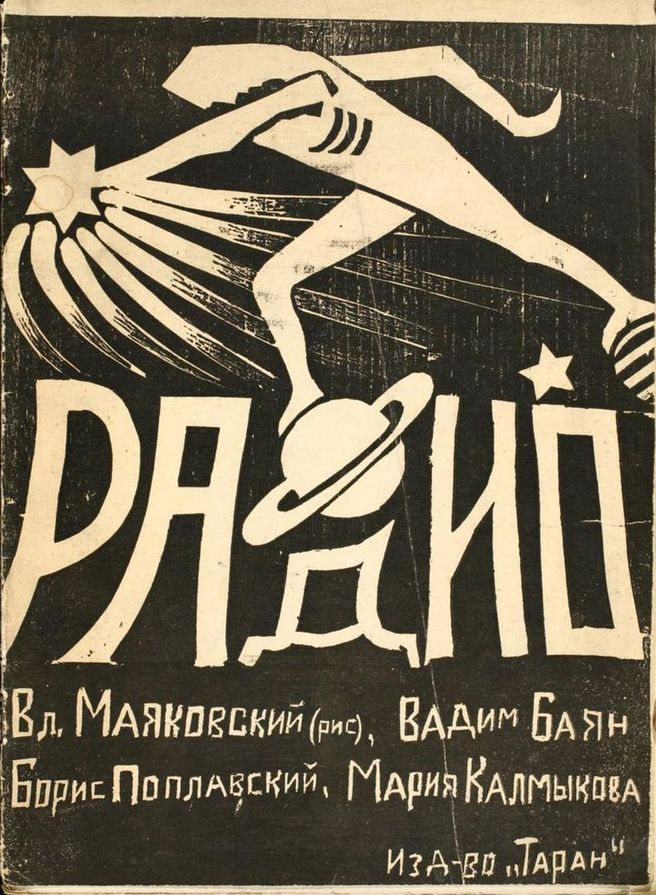
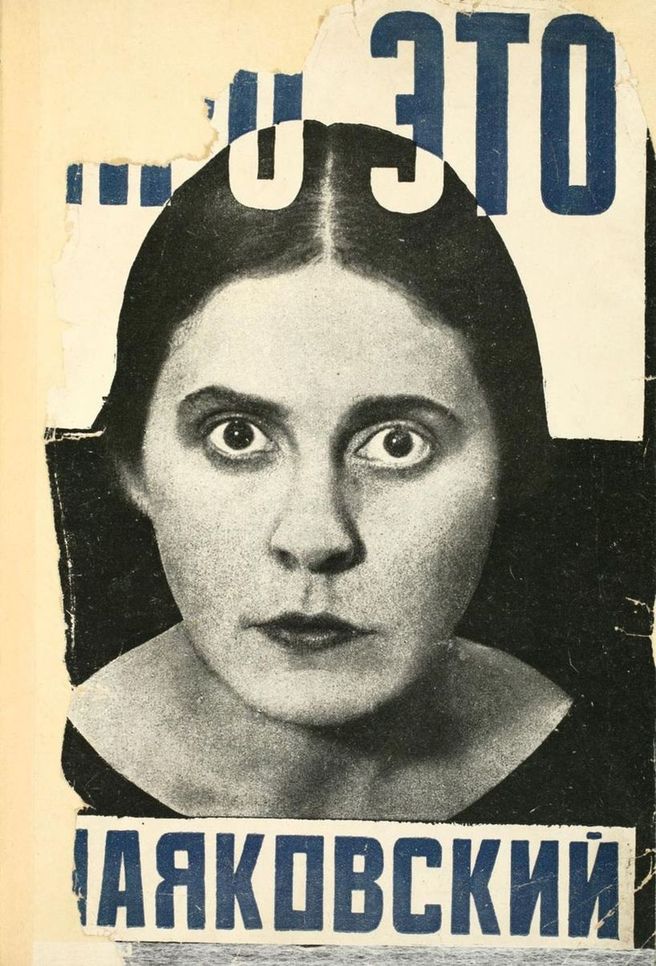
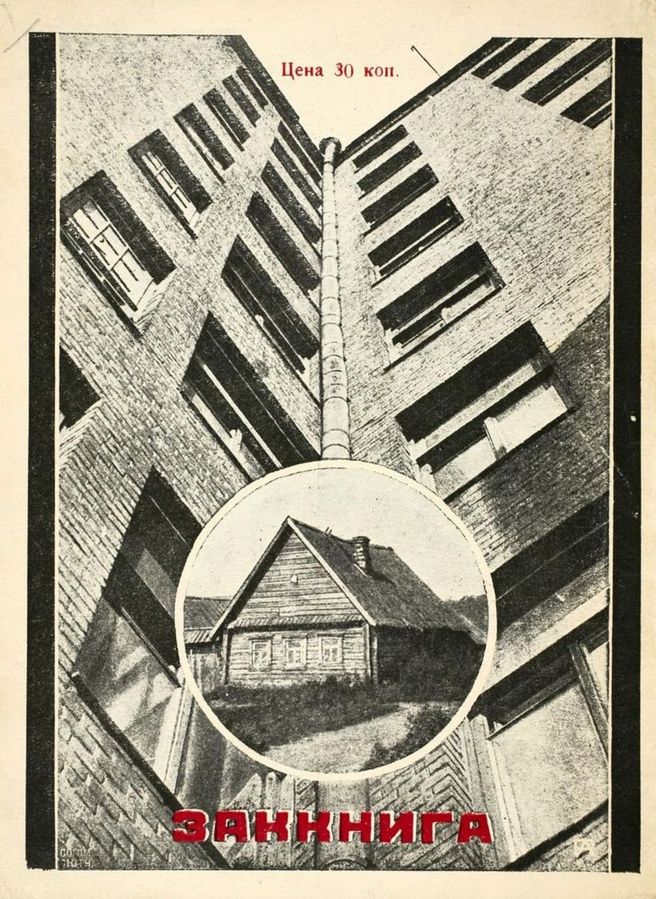
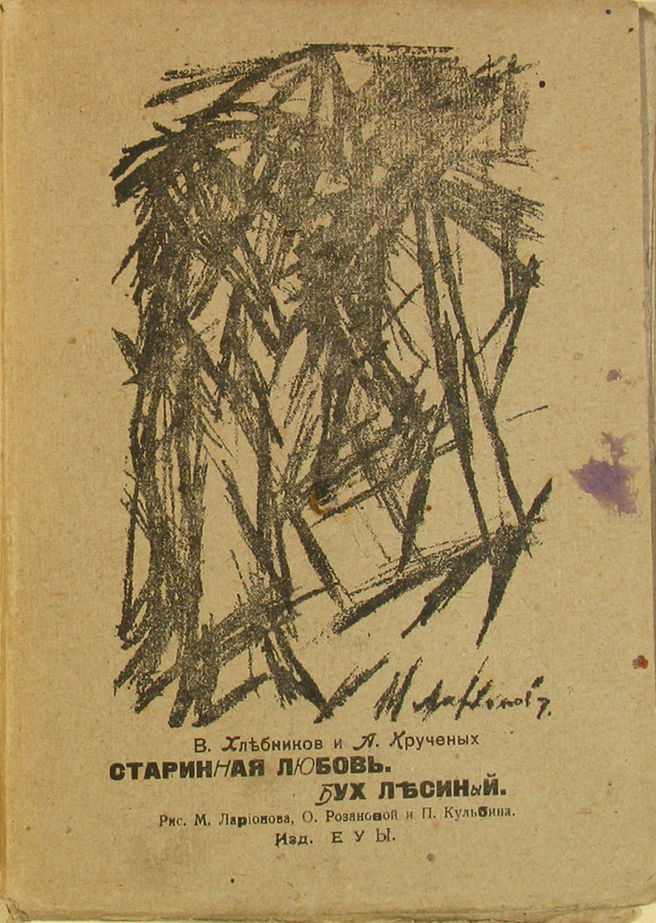
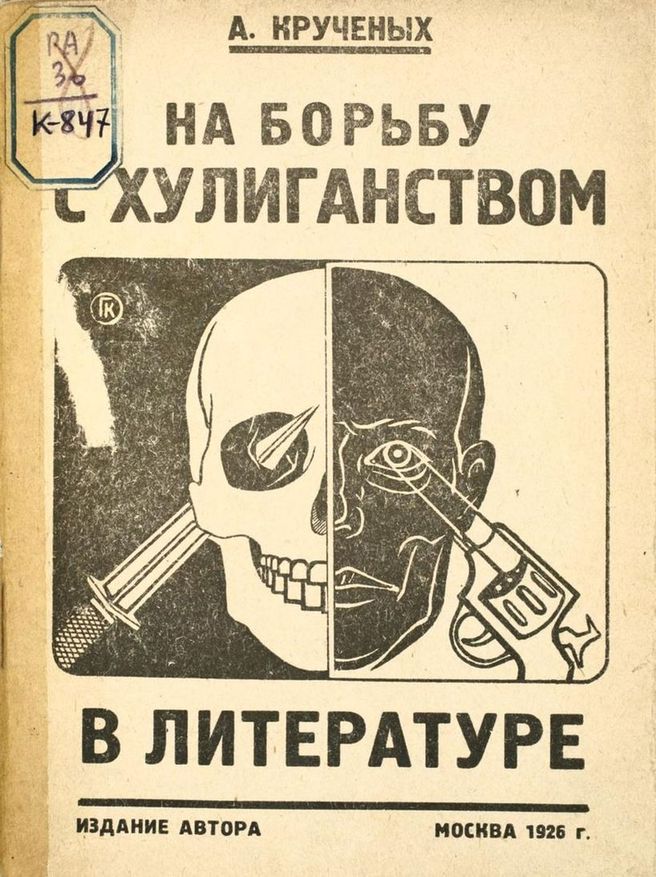
You can also down­load full pages in high-res­o­lu­tion. Many of the texts include strong visu­al ele­ments, such as the cov­er at the top from a mul­ti-author col­lec­tion titled Radio, fea­tur­ing Mayakovsky, whose own books include pho­to mon­tages like the two fur­ther up. Just above, see the cov­er of Khleb­nikov and Kruchenykh’s Vin­tage Love, which includes many more such sketch­es. And below, the cov­er of a 1926 book by Kruchenykh called On the Fight Against Hooli­gan­ism in Lit­er­a­ture.

01b4758b3ffb34ffa3d9879e182c2f3a225489ea

Although “state con­trol was absolute through­out” Sovi­et his­to­ry, these artists flour­ished before Trotsky’s fall in 1928, wrote Isa­iah Berlin in his 1945 pro­file of Russ­ian art; there was “a vast fer­ment in Sovi­et thought, which dur­ing those ear­ly years was gen­uine­ly ani­mat­ed by the spir­it of revolt against, and chal­lenge to, the arts of the West.” The Par­ty came to view this peri­od as “the last des­per­ate strug­gle of cap­i­tal­ism” and the Futur­ists would soon be over­thrown, “by the strong, young, mate­ri­al­ist, earth­bound, pro­le­tar­i­an culture”—a cul­ture imposed from above in the mid-30s by the Writ­ers’ Union and the Cen­tral Com­mit­tee.

Thus began the regret­table per­se­cu­tions and purges of artists and dis­si­dents of all kinds, and the move­ment toward the Stal­in­ist per­son­al­i­ty cult and “col­lec­tive work on Sovi­et themes by squads of pro­le­tar­i­an writ­ers.” But dur­ing the first quar­ter of the cen­tu­ry, “a time of storm and stress,” Russ­ian lit­er­a­ture and art, Berlin adjudged, “attained its great­est height since its clas­si­cal age of Pushkin, Ler­mon­tov, and Gogol.”

via Mono­skop

Relat­ed Con­tent:

Hear Russ­ian Futur­ist Vladimir Mayakovsky Read His Strange & Vis­cer­al Poet­ry

Hear the Exper­i­men­tal Music of the Dada Move­ment: Avant-Garde Sounds from a Cen­tu­ry Ago

Exten­sive Archive of Avant-Garde & Mod­ernist Mag­a­zines (1890–1939) Now Avail­able Online

Josh Jones is a writer and musi­cian based in Durham, NC. Fol­low him at @jdmagness

« Go BackMore in this category... »
Quantcast