Was the Baghdad Battery Actually a Battery?: An Archaeologist Demystifies the 2,000-Year-Old Artifact

Image by Ironie, via Wiki­me­dia Com­mons

The aver­age Open Cul­ture read­er may well be aware that there is such a thing as Archae­ol­o­gy YouTube. What could come as more of a sur­prise is how much back-and-forth there is with­in that world. Below, we have a video from the chan­nel Arti­fac­tu­al­ly Speak­ing in which Brad Haf­ford, a Uni­ver­si­ty of Penn­syl­va­nia archae­ol­o­gist, gives his take on the so-called Bagh­dad Bat­tery, an ancient arti­fact dis­cov­ered in mod­ern-day Iraq. He does so in the form of a response to an ear­li­er video on the Bagh­dad Bat­tery from anoth­er chan­nel host­ed by a young archae­ol­o­gy edu­ca­tor called Milo Rossi. At some points Haf­ford agrees, and at oth­ers he has cor­rec­tions to make, but sure­ly both YouTu­bers can agree on the fas­ci­na­tion of the object in ques­tion. After all: an ancient bat­tery?

Even those of us with­out any par­tic­u­lar invest­ment in archae­ol­o­gy may find our curios­i­ty piqued by the notion that some long-van­ished civ­i­liza­tion had man­aged to har­ness elec­tric­i­ty. The name Bagh­dad Bat­tery was grant­ed in the first place by Wil­helm König, who was the direc­tor of the lab­o­ra­to­ry of the Nation­al Muse­um of Iraq in the nine­teen-thir­ties, when the object was orig­i­nal­ly dis­cov­ered.

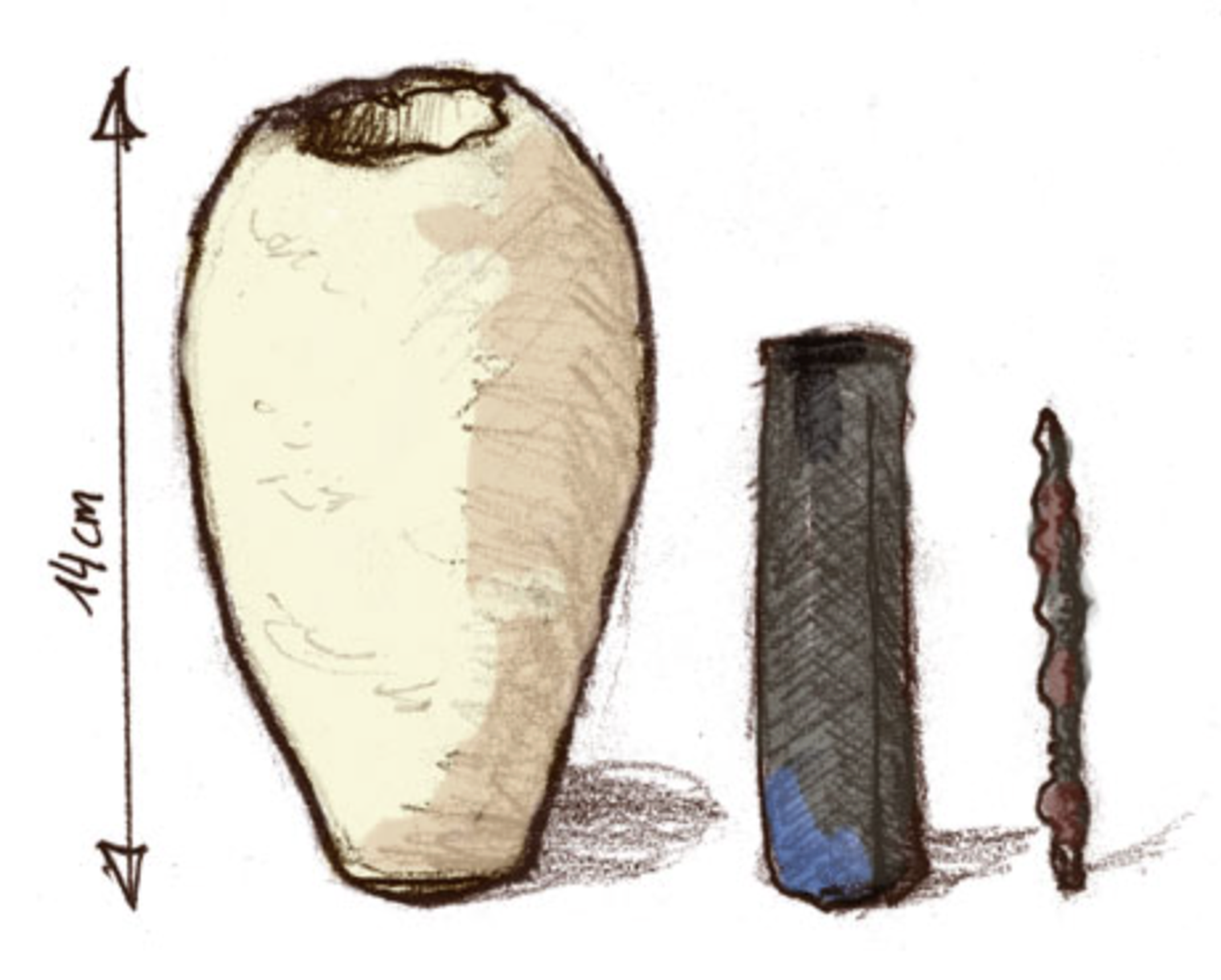
Giv­en that it con­sist­ed of not just a ceram­ic pot but also a cop­per tube and an iron rod, all attached to one anoth­er with bitu­men (a sub­stance present in crude oil used today in asphalt), the idea of its being used for pow­er stor­age was log­i­cal, in its way, if also fan­tas­ti­cal­ly anachro­nis­tic. Not that König sug­gest­ed the Bagh­dad Bat­tery was used to pow­er, say, a grid of street­lights; rather, he sup­posed that it could have been involved in some kind of elec­tro­plat­ing sys­tem.

Unfor­tu­nate­ly for König’s hypoth­e­sis, none of the oth­er gild­ed arti­facts recov­ered from ancient Iraq, no mat­ter how fine their craft, were actu­al­ly elec­tro­plat­ed. More prac­ti­cal­ly speak­ing, the Bagh­dad Bat­tery has no means of con­nec­tion to a cir­cuit, a neces­si­ty to charge it up in the first place. As of now, the pro­fes­sion­al con­sen­sus holds that it must have been cer­e­mo­ni­al: a default, as Rossi frames it, when­ev­er archae­ol­o­gists throw up their hands at a lack of dis­pos­i­tive evi­dence about an arti­fac­t’s orig­i­nal pur­pose. Though Haf­ford acknowl­edges that ten­den­cy, he also lays out the rea­sons he believes the mys­ter­ies don’t go quite as deep as pop­u­lar­iz­ers tend to assume. Like any good YouTu­ber, archae­o­log­i­cal or oth­er­wise, Rossi respond­ed with anoth­er video of his own, in which he address­es Haf­ford’s crit­i­cisms, and also keeps the Bagh­dad Bat­tery — as well as its new­ly cre­at­ed name­sake cock­tail — fir­ing up our imag­i­na­tions a lit­tle longer.

Relat­ed Con­tent:

Behold the Old­est Writ­ten Text in the World: The Kish Tablet, Cir­ca 3500 BC

20 New Lines from The Epic of Gil­gamesh Dis­cov­ered in Iraq, Adding New Details to the Sto­ry

How the Ancient Greeks Invent­ed the First Com­put­er: An Intro­duc­tion to the Antikythera Mech­a­nism (Cir­ca 87 BC)

The Advanced Tech­nol­o­gy of Ancient Rome: Auto­mat­ic Doors, Water Clocks, Vend­ing Machines & More

A Visu­al­iza­tion of the His­to­ry of Tech­nol­o­gy: 1,889 Inno­va­tions Across Three Mil­lion Years

Based in Seoul, Col­in Marshall writes and broad­casts on cities, lan­guage, and cul­ture. His projects include the Sub­stack newslet­ter Books on Cities and the book The State­less City: a Walk through 21st-Cen­tu­ry Los Ange­les. Fol­low him on the social net­work for­mer­ly known as Twit­ter at @colinmarshall.

The Oldest Known Depiction of Human Sexuality: The Turin Papyrus (Circa 1150 B.C.E.)

Image via Wiki­me­dia Com­mons

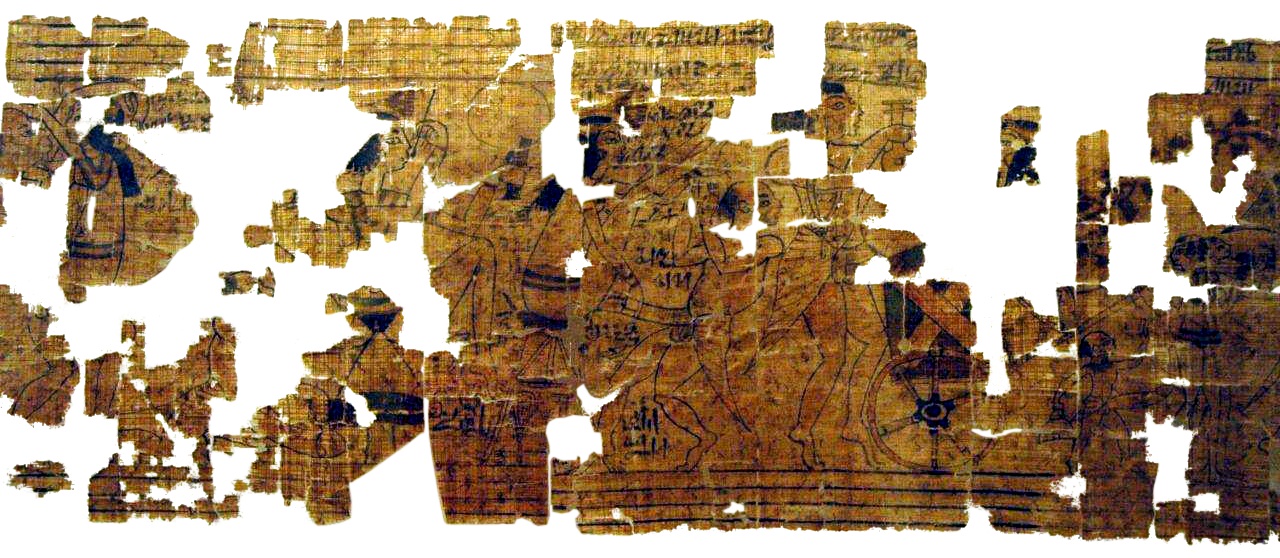
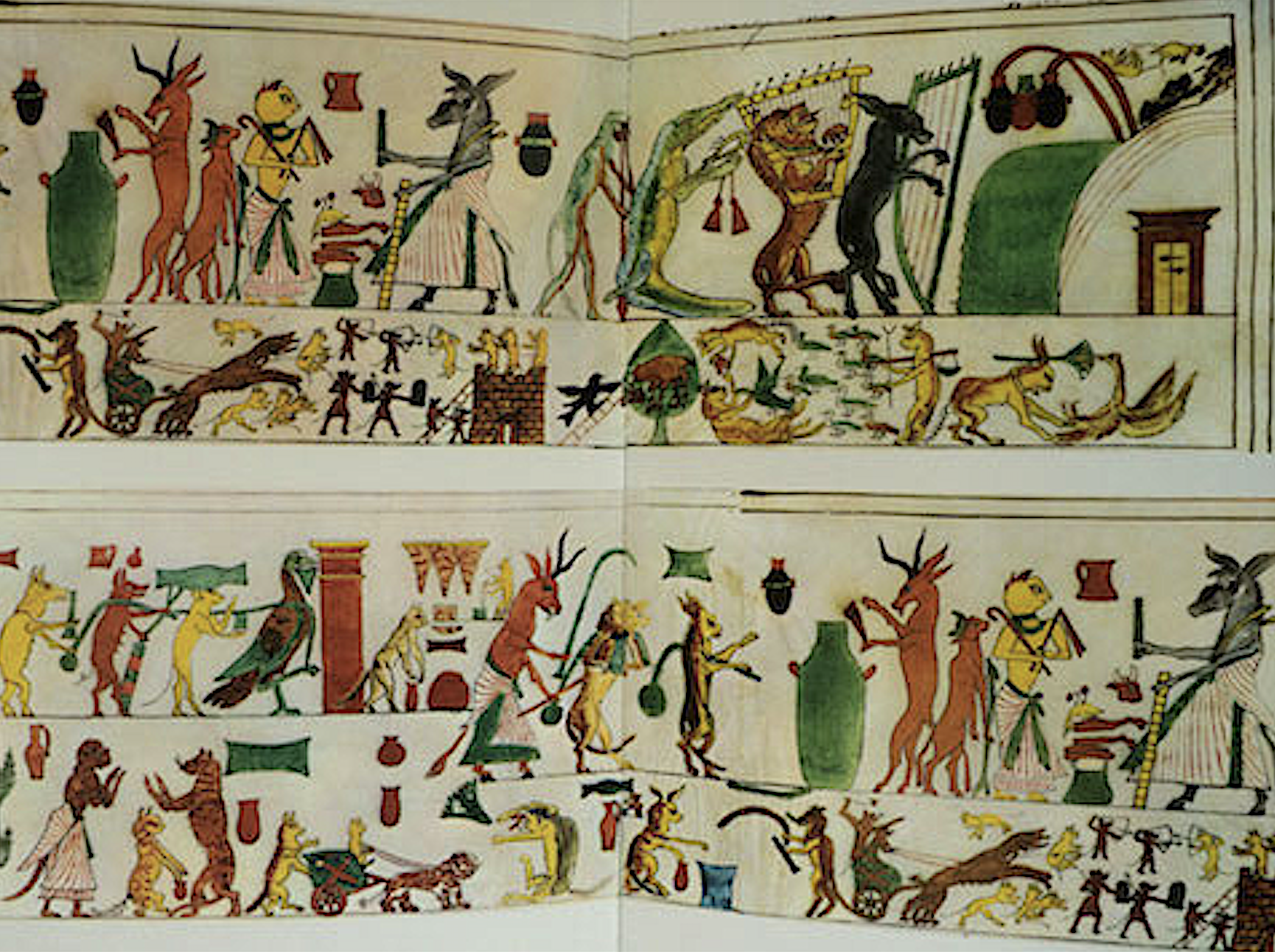
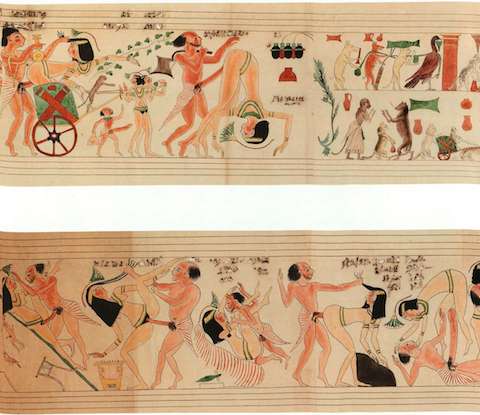
With the old joke about every gen­er­a­tion think­ing they invent­ed sex, List­verse brings us the papyrus above, the old­est depic­tion of sex on record. Paint­ed some­time in the Rames­side Peri­od (1292–1075 B.C.E.), the frag­ments above—called the “Turin Erot­ic Papyrus” because of their “dis­cov­ery” in the Egypt­ian Muse­um of Turin, Italy—only hint at the frank ver­sions of ancient sex they depict (see a graph­ic par­tial recon­struc­tion at the bot­tom of the post—probably NSFW). The num­ber of sex­u­al posi­tions the papyrus illustrates—twelve in all—“fall some­where between impres­sive­ly acro­bat­ic and unnerv­ing­ly ambi­tious,” one even involv­ing a char­i­ot. Apart from its obvi­ous fer­til­i­ty sym­bols, writes archae­ol­o­gy blog Ancient Peo­ples, the papyrus also has a “humor­ous and/or satir­i­cal” pur­pose, and prob­a­bly a male audience—evidenced, per­haps, by its resem­blance to 70’s porn: “the men are most­ly unkempt, unshaven, and bald­ing […], where­as the women are the ide­al of beau­ty in Egypt.”

In fact the erot­ic por­tion of the papyrus was only made pub­lic in the 1970s. Egyp­tol­o­gists have known of the larg­er scroll, tech­ni­cal­ly called “Papyrus Turin 55001” since the 1820s. On the right side of the papyrus (above) ani­mals per­form var­i­ous human tasks as musi­cians, sol­diers, and arti­sans. The artist meant this piece too as satire, Ancient Peo­ples alleges. Like ancient Roman and Greek satir­i­cal art, the ani­mals may rep­re­sent sup­posed arche­typ­al aspects of the artists and trades­men shown here. All very inter­est­ing, but of course the real inter­est in Papyrus Turin 55001 is of the pruri­ent vari­ety.

Egyp­tol­ogy stu­dent Car­o­line Sea­wright points us toward the rather lurid His­to­ry Chan­nel seg­ment on the erot­ic papyrus, which calls the pic­tures “one of the most shock­ing sets of images in the whole of antiq­ui­ty.” Against a per­cep­tion of ancient Egyp­tians as “but­toned-up and repressed,” the video, and Sea­wright, detail the ways in which the cul­ture rev­eled in a styl­ized rit­u­al sex­u­al­i­ty quite dif­fer­ent from our own lim­it­ed mores.

Sacred tem­ple pros­ti­tutes held a priv­i­leged posi­tion and mytho­log­i­cal nar­ra­tives incor­po­rat­ed unbi­ased descrip­tions of homo­sex­u­al­i­ty and trans­gen­derism. Ancient Egyp­tians even expect­ed to have sex after death, attach­ing fab­ri­cat­ed organs to their mum­mies. The above applies main­ly to a cer­tain class of Egypt­ian. As archae­ol­o­gist David O’Connor points out, the Turin Erot­ic Papyrus’ high “artis­tic mer­it” marks it as with­in the prove­nance of “an elite own­er and audi­ence.” You can find more detailed images from a dif­fer­ent recon­struc­tion of the erot­ic papyrus here.

Turin Reconstruction

Note: An ear­li­er ver­sion of this post appeared on our site in 2014.

Relat­ed Con­tent:

An Ancient Egypt­ian Home­work Assign­ment from 1800 Years Ago: Some Things Are Tru­ly Time­less

3,200-Year-Old Egypt­ian Tablet Records Excus­es for Why Peo­ple Missed Work: “The Scor­pi­on Bit Him,” “Brew­ing Beer” & More

Sex and Alco­hol in Medieval Times: A Look into the Plea­sures of the Mid­dle Ages

Sci­en­tists Dis­cov­er that Ancient Egyp­tians Drank Hal­lu­cino­genic Cock­tails from 2,300 Year-Old Mug

Josh Jones is a writer and musi­cian based in Durham, NC. 

by | Permalink | Make a Comment ( 1 ) |

Behold the Oldest Written Text in the World: The Kish Tablet, Circa 3500 BC

Image by José-Manuel Ben­i­to, via Wiki­me­dia Com­mons

Some refer to the writ­ten Chi­nese lan­guage as ideo­graph­ic: that is, struc­tured accord­ing to a sys­tem in which each sym­bol rep­re­sents a par­tic­u­lar idea or con­cept, whether abstract or con­crete. That’s true of cer­tain Chi­nese char­ac­ters, but only a small minor­i­ty. Most of them are actu­al­ly logographs, each of which rep­re­sents a word or part of a word. But if you dig deep enough into their his­to­ry — and the his­to­ry of oth­er Asian lan­guages that use Chi­nese-derived vocab­u­lary — you’ll find that some start­ed out long ago as pic­tographs, designed visu­al­ly to rep­re­sent the thing to which they referred.

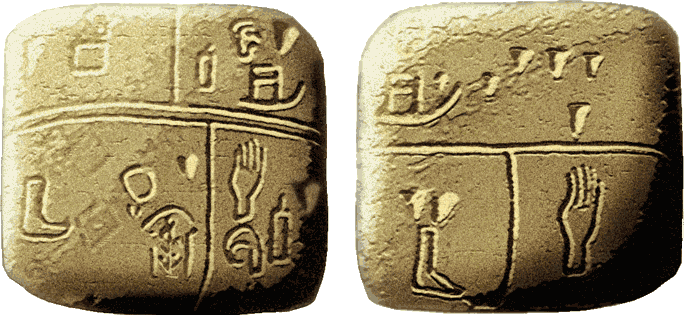
That does­n’t hold true for Chi­nese alone: it appears, in fact, that all writ­ten lan­guages began as forms of pic­to­graph­ic “pro­to-writ­ing,” at least judg­ing by the ear­li­est texts cur­rent­ly known to man. If we look at the old­est of them all, the lime­stone “Kish tablet” unearthed from the site of the epony­mous ancient Sumer­ian city in mod­ern-day Iraq, we can in some sense “read” sev­er­al of the sym­bols in its text, even five and a half mil­len­nia after it was writ­ten. “The writ­ing on its sur­face is pure­ly pic­to­graph­ic,” says the nar­ra­tor of the brief IFLScience video below, â€śand rep­re­sents a mid­point between pro­to-writ­ing and the more sophis­ti­cat­ed writ­ing of the cuneiform.”

Cuneiform, pre­vi­ous­ly fea­tured here on Open Cul­ture, was used by the ancient Baby­lo­ni­ans to label maps and record stew recipes, among oth­er impor­tant tasks. “First devel­oped around 3200 B.C. by Sumer­ian scribes in the ancient city-state of Uruk, in present-day Iraq, as a means of record­ing trans­ac­tions, cuneiform writ­ing was cre­at­ed by using a reed sty­lus to make wedge-shaped inden­ta­tions in clay tablets,” says Archae­ol­o­gy mag­a­zine. Over 3,000 years, this ear­li­est prop­er script “was used by scribes of mul­ti­ple cul­tures over that time to write a num­ber of lan­guages oth­er than Sumer­ian, most notably Akka­di­an, a Semit­ic lan­guage that was the lin­gua fran­ca of the Assyr­i­an and Baby­lon­ian Empires.”

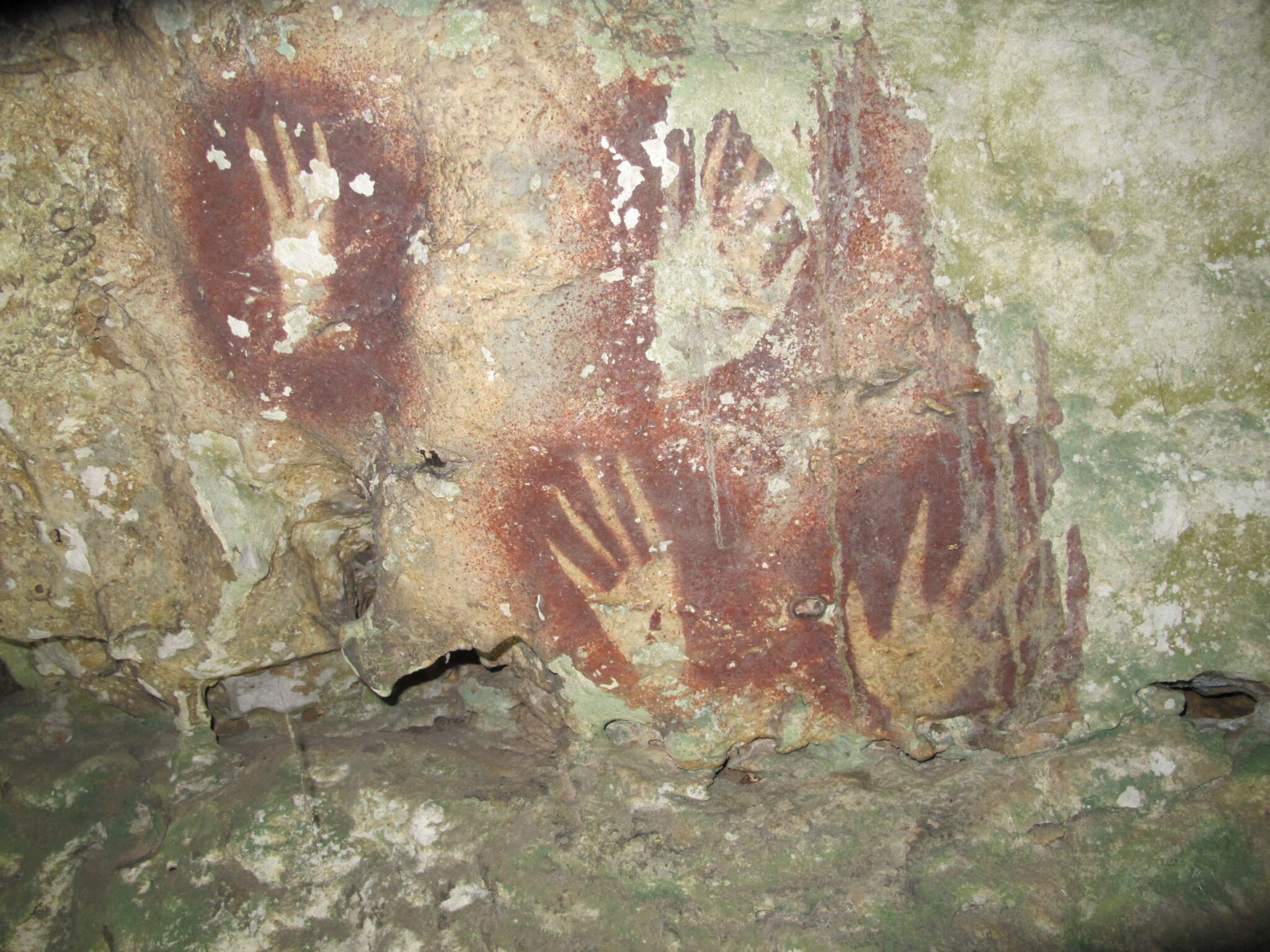
Cuneiform was also used to write the Scheil dynas­tic tablet, which dates from the ear­ly sec­ond mil­len­ni­um BC. That means we can read it, and thus know that it com­pris­es a lit­er­ary-his­tor­i­cal text that lists off the reigns of var­i­ous rulers of Sumer­ian cities. We should note that the Scheil dynas­tic tablet is also, some­times, referred to as the “Kish tablet,” which sure­ly caus­es some con­fu­sion. But for the anony­mous writer of the ear­li­er Kish tablet, who would have lived about two mil­len­nia ear­li­er, the emer­gence of cuneiform and all the civ­i­liza­tion­al devel­op­ments it would make pos­si­ble lay far in the future. His pic­to­graph­ic text may nev­er be deci­phered prop­er­ly or mapped to a his­tor­i­cal­ly doc­u­ment­ed lan­guage, but at least we can tell that he must sure­ly have had hands and feet more or less like our own.

Relat­ed con­tent:

The Old­est Known Sen­tence Writ­ten in an Alpha­bet Has Been Found on a Head-Lice Comb (Cir­ca 1700 BC)

How to Write in Cuneiform, the Old­est Writ­ing Sys­tem in the World: A Short, Charm­ing Intro­duc­tion

Dic­tio­nary of the Old­est Writ­ten Lan­guage – It Took 90 Years to Com­plete, and It’s Now Free Online

How Writ­ing Has Spread Across the World, from 3000 BC to This Year: An Ani­mat­ed Map

40,000-Year-Old Sym­bols Found in Caves World­wide May Be the Ear­li­est Writ­ten Lan­guage

Based in Seoul, Col­in Marshall writes and broad­casts on cities, lan­guage, and cul­ture. His projects include the Sub­stack newslet­ter Books on Cities and the book The State­less City: a Walk through 21st-Cen­tu­ry Los Ange­les. Fol­low him on Twit­ter at @colinmarshall or on Face­book.

Beer Archaeology: Yes, It’s a Thing

Travis Rupp is a clas­sics instruc­tor at The Uni­ver­si­ty of Col­orado. He’s also a “beer archae­ol­o­gist” who works on a spe­cial projects team at the Avery Brew­ing Com­pa­ny (in Boul­der) where they â€śbrew beers the way that ancient Egyp­tians, Peru­vians and Vikings did.” If you can under­stand the beer an ancient peo­ple drank, you can bet­ter under­stand their over­all cul­ture.  That’s assump­tion at the heart of beer archae­ol­o­gy.

Above, watch a three minute intro­duc­tion to Rup­p’s work. Below, find infor­ma­tion on some of the world’s old­est beer recipes from Ancient Egypt and Chi­na.

If you would like to sign up for Open Culture’s free email newslet­ter, please find it here. It’s a great way to see our new posts, all bun­dled in one email, each day.

If you would like to sup­port the mis­sion of Open Cul­ture, con­sid­er mak­ing a dona­tion to our site. It’s hard to rely 100% on ads, and your con­tri­bu­tions will help us con­tin­ue pro­vid­ing the best free cul­tur­al and edu­ca­tion­al mate­ri­als to learn­ers every­where. You can con­tribute through Pay­Pal, Patre­on, and Ven­mo (@openculture). Thanks!

Relat­ed Con­tent:

5,000-Year-Old Chi­nese Beer Recipe Gets Recre­at­ed by Stan­ford Stu­dents

Dis­cov­er the Old­est Beer Recipe in His­to­ry From Ancient Sume­ria, 1800 B.C.


Quantcast