A Mesmerizing Look at the Making of a Late Medieval Book from Start to Finish

Hand bind­ing a book, using pri­mar­i­ly 15-cen­tu­ry meth­ods and mate­ri­als sounds like a major under­tak­ing, rife with pit­falls and frus­tra­tion.

A far more relax­ing activ­i­ty is watch­ing Four Keys Book Arts’ word­less, 24-minute high­lights reel of self-taught book­binder Den­nis tack­ling that same assign­ment, above. (Bonus — it’s a guar­an­teed treat for those prone to autonomous sen­so­ry merid­i­an response tin­gles.)

Den­nis, whose oth­er recent for­ays into bespoke book­bind­ing include a num­ber of ele­gant match­box sized vol­umes and upcy­cling three Dun­geons & Drag­ons rule­books into a tome bound in veg­etable tanned goatskin, labored on the late-medieval Goth­ic repro­duc­tion for over 60 hours.

For research on this type of bind­ing, he turned to book design­er J.A. Szir­mai’s The Archae­ol­o­gy of Medieval Book­bind­ing, and while the goal was nev­er 100% peri­od accu­ra­cy, Den­nis notes that the craft of tra­di­tion­al hand-bind­ing has remained vir­tu­al­ly unchanged for cen­turies:

The medieval binder would have found many of the tools and tech­niques to be very famil­iar. The sin­gle biggest anachro­nism is my use of syn­thet­ic PVA glue rather than peri­od-appro­pri­ate ani­mal glue. The sec­ond his­toric anom­aly is my use of mar­bled paper, though it could be argued that the ear­li­est Euro­pean mar­bled papers of the mid-17th cen­tu­ry do over­lap with this bind­ing style. The non­pareil pat­tern I have cho­sen for the end­pa­pers, though, dates from the 1820’s, and so is dis­tinct­ly out of place. But apart from those, vir­tu­al­ly all of the oth­er mate­ri­als in this book would have been avail­able to the medieval book­binder.

Those crav­ing a more step-by-step expla­na­tion should set time aside to view the longer videos, below, in which Den­nis shares such time-con­sum­ing, detail-ori­ent­ed tasks as trim­ming and tidy­ing the edges with a cab­i­net scraper and book­binder’s plough, sewing end­bands to sup­port and pro­tect the book’s head and the spine, and dec­o­rat­ing the leather cov­er with a hand-tooled flo­ral pat­tern embell­ished with gold foil high­lights. 

Rather than cut cor­ners, he lit­er­al­ly cuts cor­ners — the met­al clasp and cor­ner guards -  from a .8mm thick sheet of brass.

Only the final video is nar­rat­ed, so be sure to acti­vate closed cap­tion­ing / sub­ti­tles in the YouTube tool­bar to read his com­men­tary.

Mate­ri­als and tools used in this project:

Text Paper: Fab­ri­ano Accad­e­mia 120 gsm draw­ing paper, 65 x 50 cm, long grain

End­pa­pers: Four Keys Book Arts hand­made mar­bled paper, Fab­ri­ano Accad­e­mia 120 gsm draw­ing paper, red hand­made paper

Thread: Undyed Linen 25/3, unknown brand

Cords: Leather, unknown type, rough­ly 3 oz/ 1 mm

Wax: Nat­ur­al Beeswax

Glue: Mix of Acid-Free PVA and Methyl Cel­lu­lose, 3:2 ratio.

Paper Knife (made from an old kitchen knife)

Bone Fold­er (hand­made in-house)

Scrap book board, var­i­ous sizes/thickness

Press­ing Boards (1/2″ maple ply­wood, made in house)

Cast-Iron Book Press (Patrick Ritchie, Edin­burgh, cir­ca 1850)

Stain­less Steel rulers, var­i­ous sizes

Small Stan­ley Knife

Maple Lay­ing Press (hand­made in-house)

Small Car­pen­ter’s Square, unknown brand

Pen­cil (Black­wing)

Steel dividers, unknown brand

Lith­o­g­ra­phy Stone (cir­ca 1925)

Cot­ton Rag

Agate Bur­nish­er

Pierc­ing Cra­dle (hand­made in-house)

Awl

2″ nat­ur­al bris­tle brush, gener­ic

parch­ment release paper

blot­ting paper

Acetate bar­ri­er sheets, .01 gauge

Dahle Van­tage 12e Guil­lo­tine (found at a thrift store)

Scis­sors

Book­bind­ing Nee­dles

Sewing Frame (hand­made in-house)

Brass H‑Keys (hand­made in-house)

Linen sewing tapes, 12 mm

Pins

Watch a full playlist of Four Keys Book Arts’ Medieval Goth­ic Bind­ing videos here. See more of Den­nis book bind­ing projects on Four Keys Book Arts’ Insta­gram.

Relat­ed Con­tent 

How Illu­mi­nat­ed Medieval Man­u­scripts Were Made: A Step-by-Step Look at this Beau­ti­ful, Cen­turies-Old Craft

Won­der­ful­ly Weird & Inge­nious Medieval Books

When Medieval Man­u­scripts Were Recy­cled & Used to Make the First Print­ed Books

The Medieval Mas­ter­piece, the Book of Kells, Has Been Dig­i­tized and Put Online

– Ayun Hal­l­i­day is the Chief Pri­ma­tol­o­gist of the East Vil­lage Inky zine and author, most recent­ly, of Cre­ative, Not Famous: The Small Pota­to Man­i­festo and Cre­ative, Not Famous Activ­i­ty Book. Fol­low her @AyunHalliday.

The Oldest Restaurant in the World: How Madrid’s Sobrino de Botín Has Kept the Oven Hot Since 1725

“We lunched up-stairs at Bot­in’s,” writes Ernest Hem­ing­way near the end of The Sun Also Ris­es (1926). “It is one of the best restau­rants in the world. We had roast suck­ling pig and drank rio­ja alta.” You can do the very same thing today, a cen­tu­ry after the peri­od of that nov­el — and indeed, you also could’ve done it two cen­turies before the peri­od of that nov­el, for Bot­in’s was estab­lished in 1725, and now stands as the old­est restau­rant in con­tin­u­ous oper­a­tion. Found­ed as Casa Botín by a French­man named Jean Botin, it passed in 1753 into the hands of one of his nephews, who re-chris­tened it Sobri­no de Botín. What­ev­er the place has been called over this whole time, its oven has nev­er once gone cold.

?si=-fSM9okYlxvKCpTd

“It is our jew­el, our crown jew­el,” Botín’s deputy man­ag­er Javier Sanchéz Álvarez says of that oven in the Great Big Sto­ry video above. “It needs to keep hot at night and be ready to roast in the morn­ing.” What it has to roast is, of course, the restau­ran­t’s sig­na­ture cochinil­lo, or suck­ling pig, about which you can learn more from the Food Insid­er video just above.

“It’s exact­ly the same recipe and tra­di­tion,” says Sanchéz Álvarez. “Absolute­ly every­thing is done in the exact same way as in the old days,” down to the appli­ca­tion of the spices, but­ter, wine, and salt to the raw pork before it enters the his­toric oven bel­ly-up. “It’s very impor­tant that the skin of the cochinil­lo is very crunchy,” he adds. “If the skin isn’t crunchy, it’s not good.”

Need­less to say, Botín is poor­ly placed to win the favor of the world’s veg­e­tar­i­ans. But it does robust busi­ness nev­er­the­less, hav­ing pulled through the COVID-19 pan­dem­ic (with, at the very least, its oven still lit), and more recent­ly received a vis­it from super­star food vlog­ger Mark Wiens. Its endur­ing suc­cess sure­ly owes to its more-than-proven abil­i­ty to deliv­er on a sim­ple promise: “We will serve you a hearty suck­ling pick with some good pota­toes and a serv­ing of good Span­ish ham,” as Sanchéz Álvarez puts it. Work­ing at the restau­rant for more than 40 of its 298 years has made it “like home to me,” he says, employ­ing the com­mon Span­ish expres­sion of feel­ing como un pez en el agua — though, giv­en the nature of Botín’s menu, a more ter­res­tri­al metaphor is sure­ly in order.

via Men­tal Floss

Relat­ed con­tent:

Free Doc­u­men­taries from Spain Let You Watch the Tra­di­tion­al Mak­ing of Wine, Cheese, Chur­ros, Hon­ey & More

The Incred­i­ble Engi­neer­ing of Anto­nio Gaudí’s Sagra­da Famil­ia, the World’s Old­est Con­struc­tion Project

The Span­ish Earth: Ernest Hemingway’s 1937 Film on The Span­ish Civ­il War

His­toric Spain in Time Lapse Film

A Vis­it to the World’s Old­est Hotel, Japan’s Nishiya­ma Onsen Keiunkan, Estab­lished in 705 AD

Based in Seoul, Col­in Marshall writes and broad­casts on cities, lan­guage, and cul­ture. His projects include the Sub­stack newslet­ter Books on Cities, the book The State­less City: a Walk through 21st-Cen­tu­ry Los Ange­les and the video series The City in Cin­e­ma. Fol­low him on Twit­ter at @colinmarshall or on Face­book.

Jimmy Buffett (RIP) Performs His New Song “Margaritaville,” Live in 1978: The Birth of a Song That Later Became a Business Empire

Jim­my Buf­fett wrote “Mar­gar­i­taville” in 1977.  It end­ed up being his only song to reach the pop Top 10. But the song car­ried him for the next 45 years. When you think Mar­gar­i­taville, you think of an easy-breezy way of life. And that sim­ple idea infused the brand of Buf­fet­t’s Mar­gar­i­taville busi­ness empire. Between the song’s birth and the singer’s death this week­end, Buf­fett cre­at­ed a Mar­gar­i­taville busi­ness empire that includ­ed bars, restau­rants, casi­nos, beach resorts, retire­ment com­mu­ni­ties, cruis­es, pack­aged foods, appar­el, footwear, and beyond. This spring, Buf­fett improb­a­bly made Forbes’ list of bil­lion­aires. Above, you can watch a young Jim­my Buf­fet per­form “Mar­gar­i­taville” in 1978, right at the begin­ning of the song’s long jour­ney from hit, to brand, to com­mer­cial empire.

If you would like to sign up for Open Culture’s free email newslet­ter, please find it here. It’s a great way to see our new posts, all bun­dled in one email, each day.

If you would like to sup­port the mis­sion of Open Cul­ture, con­sid­er mak­ing a dona­tion to our site. It’s hard to rely 100% on ads, and your con­tri­bu­tions will help us con­tin­ue pro­vid­ing the best free cul­tur­al and edu­ca­tion­al mate­ri­als to learn­ers every­where. You can con­tribute through Pay­Pal, Patre­on, and Ven­mo (@openculture). Thanks!


Tom Jones & Chuck Berry Perform Together, Singing “Roll Over Beethoven” & “Memphis” (1974)

Anoth­er chap­ter from the Annals of Unlike­ly Per­for­mances…

Last week, we high­light­ed Chuck Berry per­form­ing with the Bee Gees on a 1973 episode of the Mid­night Spe­cial. It’s a pair­ing that does­n’t work on paper. But, on stage, it’s mag­ic. The same goes for when Berry sang with Tom Jones on a 1974 episode of the same show. It’s mag­ic once again.

If you’re a vet­er­an OC read­er, you know that Jones could sing with any­one. On his vari­ety show, This Is Tom Jones, he shared the stage with Janis Joplin, not to men­tion Cros­by, Stills, Nash & Young, and Ste­vie Won­der. It worked. Just watch the expres­sion on Janis and Cros­by’s face.

Now 83, Tom Jones and his voice are still going strong. Below, you can watch him sing “Sam­son And Delilah” in 2021.

If you would like to sign up for Open Culture’s free email newslet­ter, please find it here. It’s a great way to see our new posts, all bun­dled in one email, each day.

If you would like to sup­port the mis­sion of Open Cul­ture, con­sid­er mak­ing a dona­tion to our site. It’s hard to rely 100% on ads, and your con­tri­bu­tions will help us con­tin­ue pro­vid­ing the best free cul­tur­al and edu­ca­tion­al mate­ri­als to learn­ers every­where. You can con­tribute through Pay­Pal, Patre­on, and Ven­mo (@openculture). Thanks!

Relat­ed Con­tent 

Chuck Berry & the Bee Gees Per­form Togeth­er in 1973: An Unex­pect­ed Video from The Mid­night Spe­cial Archive

Tom Jones Per­forms “Long Time Gone” with Cros­by, Stills, Nash & Young–and Blows the Band & Audi­ence Away (1969)

Janis Joplin & Tom Jones Bring the House Down in an Unlike­ly Duet of “Raise Your Hand” (1969)

The Stoic Wisdom of Roman Emperor Marcus Aurelius: An Introduction in Six Short Videos

?si=N6JQU7bXNRhsFgOq

Though it enjoys a par­tic­u­lar pop­u­lar­i­ty here in the twen­ty-first cen­tu­ry, the rig­or­ous­ly equani­mous Sto­ic world­view comes to us through the work of three fig­ures from antiq­ui­ty: Epicte­tus, Seneca, and Mar­cus Aure­lius. Epicte­tus was born and raised a slave. Seneca, the son of rhetori­cian Seneca the Elder, became an advi­sor to Nero (a posi­tion that ulti­mate­ly forced him to take his own life). Mar­cus Aure­lius, the most exalt­ed of the three, actu­al­ly did the top job him­self, rul­ing the Roman Empire from 161 to 180 AD. He also left behind a text, the Med­i­ta­tions, that stands along­side Epicte­tus’ Enchirid­ion and Seneca’s many essays and let­ters as a pil­lar of the canon of Sto­icism.

It is from the Med­i­ta­tions that this series of six videos from Youtube chan­nel Einzel­gänger draws its wis­dom. Each of them intro­duces dif­fer­ent aspects of Mar­cus Aure­lius’ inter­pre­ta­tion of Sto­icism and applies them to our every­day life here in moder­ni­ty, pre­sent­ing strate­gies for stay­ing calm, not feel­ing harm, accept­ing what comes our way, and not being trou­bled by the actions of oth­ers.

Though the impor­tance of these aims can be illus­trat­ed any num­ber of ways, their achieve­ment depends on accept­ing the notion cen­tral to all Sto­ic thought: “the dichoto­my of con­trol,” which dic­tates that “some things are in our con­trol and oth­ers aren’t.” When life hurts, “it often means that we care about things we have no con­trol over, and by doing so, we let them con­trol us.”

All the Sto­ics under­stood this, but for Mar­cus Aure­lius, “being unper­turbed by things out­side of his con­trol allowed him to cope with the many respon­si­bil­i­ties and chal­lenges he faced as an emper­or, and to focus on the task he believed he was giv­en by the gods.” He knew that “it’s not the out­side world and the events that take place in it, our bod­ies includ­ed, that hurt us, but our thoughts, mem­o­ries, and fan­tasies regard­ing them.” To indulge those fan­tasies means to live in per­pet­u­al con­flict with real­i­ty, and thus in per­pet­u­al, and futile, griev­ance against it. The stronger our judg­ments about what hap­pens, “the more vul­ner­a­ble we become to the whims of For­tu­na, the unpre­dictable god­dess of luck, chance, and fate,” forces that even­tu­al­ly get the bet­ter of us all — even if we hap­pen to have the world’s might­i­est empire at our com­mand.

Relat­ed con­tent:

An Ani­mat­ed Intro­duc­tion to Sto­icism, the Ancient Greek Phi­los­o­phy That Lets You Lead a Hap­py, Ful­fill­ing Life

Every Roman Emper­or: A Video Time­line Mov­ing from Augus­tus to the Byzan­tine Empire’s Last Ruler, Con­stan­tine XI

How to Be a Sto­ic in Your Every­day Life: Phi­los­o­phy Pro­fes­sor Mas­si­mo Pigli­uc­ci Explains

Three Huge Vol­umes of Sto­ic Writ­ings by Seneca Now Free Online, Thanks to Tim Fer­riss

350 Ani­mat­ed Videos That Will Teach You Phi­los­o­phy, from Ancient to Post-Mod­ern

Based in Seoul, Col­in Marshall writes and broad­casts on cities, lan­guage, and cul­ture. His projects include the Sub­stack newslet­ter Books on Cities, the book The State­less City: a Walk through 21st-Cen­tu­ry Los Ange­les and the video series The City in Cin­e­ma. Fol­low him on Twit­ter at @colinmarshall or on Face­book.

Everything You Wanted to Ask About Psychedelics: A Johns Hopkins Psychedelics Researcher Answers 24 Questions in 2 Hours

?si=Kq5T7I10zGKJa-bE

These days, psy­che­del­ic research is expe­ri­enc­ing a renais­sance of sorts. And Matt John­son, a pro­fes­sor of psy­chi­a­try at Johns Hop­kins, is lead­ing the way. One of “the world’s most pub­lished sci­en­tists on the human effects of psy­che­delics,” his research focus­es on “unrav­el­ing the sci­en­tif­ic under­pin­nings of psy­che­del­ic sub­stances, mov­ing beyond their his­tor­i­cal and cul­tur­al con­text to shed light on their role in mod­ern ther­a­peu­tic appli­ca­tions.” Like some oth­er researchers before him, he believes that psy­che­delics ulti­mate­ly have the “poten­tial to bring about a par­a­digm shift in psy­chi­a­try, neu­ro­science, and phar­ma­col­o­gy.” In the Big Think video above, the pro­fes­sor answers 24 big ques­tions about psy­che­delics, from “What are the main effects of psy­che­delics?,” to “How do psy­che­delics work in the brain?” and “What are the biggest risks of psy­che­delics?,” to “Will psy­che­delics answer the hard prob­lem of con­scious­ness?” John­son cov­ers a lot of ground here. Set­tle in. The video runs 2+ hours.

Relat­ed Con­tent

Michael Pol­lan, Sam Har­ris & Oth­ers Explain How Psy­che­delics Can Change Your Mind

How to Use Psy­che­del­ic Drugs to Improve Men­tal Health: Michael Pollan’s New Book, How to Change Your Mind, Makes the Case

Psilo­cy­bin Could Soon Be a Legal Treat­ment for Depres­sion: Johns Hop­kins Pro­fes­sor, Roland Grif­fiths, Explains How Psilo­cy­bin Can Relieve Suf­fer­ing

Artist Draws 9 Por­traits While on LSD: Inside the 1950s Exper­i­ments to Turn LSD into a “Cre­ativ­i­ty Pill”

New LSD Research Pro­vides the First Images of the Brain on Acid, and Hints at Its Poten­tial to Pro­mote Cre­ativ­i­ty

Inside MK-Ultra, the CIA’s Secret Pro­gram That Used LSD to Achieve Mind Con­trol (1953–1973)

Aldous Hux­ley, Psy­che­delics Enthu­si­ast, Lec­tures About “the Vision­ary Expe­ri­ence” at MIT (1962)

A Mesmerizing Music Video for Brian Eno’s “Emerald and Stone” Made with Paint, Soap & Water

Bri­an Eno turned 75 years old this past spring, but if he has any thoughts of retire­ment, they haven’t slowed his cre­ation of new art and music. Just last year he put out his lat­est solo album FOREVERANDEVERNOMORE, videos from whose songs we fea­tured here on Open Cul­ture. How­ev­er com­pelling the offi­cial mate­r­i­al released by Eno, the bod­ies of fan-made work it tends to inspire also mer­its explo­ration. Take French visu­al artist Thomas Blan­chard’s short film “Emer­ald and Stone” above, which visu­al­izes the epony­mous track from Eno’s 2010 album Small Craft on a Milk Sea, a col­lab­o­ra­tion with Jon Hop­kins and Leo Abra­hams.

“Emer­ald and Stone,” which you’ll want to watch in full-screen mode, con­sists entire­ly of “riv­et­ing imagery built from a sim­ple con­coc­tion of paint, soap and water.” So says Aeon, in praise of the film’s “ephemer­al dream­world of flow­ing music and visu­als that’s easy to sink into.”

Its drift­ing, glit­ter­ing bub­bles have a plan­e­tary look, con­tribut­ing to a visu­al aes­thet­ic that suits the son­ic one. Like many of the oth­er com­po­si­tions on Small Craft on a Milk Sea, “Emer­ald and Stone” will sound on some lev­el famil­iar to lis­ten­ers who only know Eno’s ear­li­er work devel­op­ing the genre of ambi­ent music in the nine­teen-sev­en­ties and eight­ies.

That same era wit­nessed — or rather, heard — the rise of “new age” music, which played up its asso­ci­a­tions with out­er space, seas of tran­quil­i­ty, the move­ment of the heav­en­ly bod­ies, and so on. Eno’s work was, at least in this par­tic­u­lar sense, some­what more down-to-earth: he called his break­out ambi­ent album Music for Air­ports, after all, hav­ing cre­at­ed it with those util­i­tar­i­an spaces in mind. Appro­pri­ate­ly enough, Blan­chard’s short for “Emer­ald and Stone” evokes the cos­mos with­out depart­ing from the fine grain of our own world, and appears abstract while hav­ing been made whol­ly from every­day mate­ri­als. Eno him­self would sure­ly approve, hav­ing premised his own on not escap­ing real­i­ty, but plac­ing it in a more inter­est­ing con­text.

via Aeon

Relat­ed con­tent:

The Bri­an Eno Discog­ra­phy: Stream 29 Hours of Record­ings by the Mas­ter of Ambi­ent Music

Watch Videos for 10 Songs on Bri­an Eno’s Brand New Album, FOREVERANDEVERNOMORE

“Day of Light”: A Crowd­sourced Film by Mul­ti­me­dia Genius Bri­an Eno

Bri­an Eno Explains the Ori­gins of Ambi­ent Music

Watch Bri­an Eno’s Exper­i­men­tal Film “The Ship,” Made with Arti­fi­cial Intel­li­gence

Bri­an Eno on the Loss of Human­i­ty in Mod­ern Music

Based in Seoul, Col­in Marshall writes and broad­casts on cities, lan­guage, and cul­ture. His projects include the Sub­stack newslet­ter Books on Cities, the book The State­less City: a Walk through 21st-Cen­tu­ry Los Ange­les and the video series The City in Cin­e­ma. Fol­low him on Twit­ter at @colinmarshall or on Face­book.

700 Years of Persian Manuscripts Now Digitized & Free Online

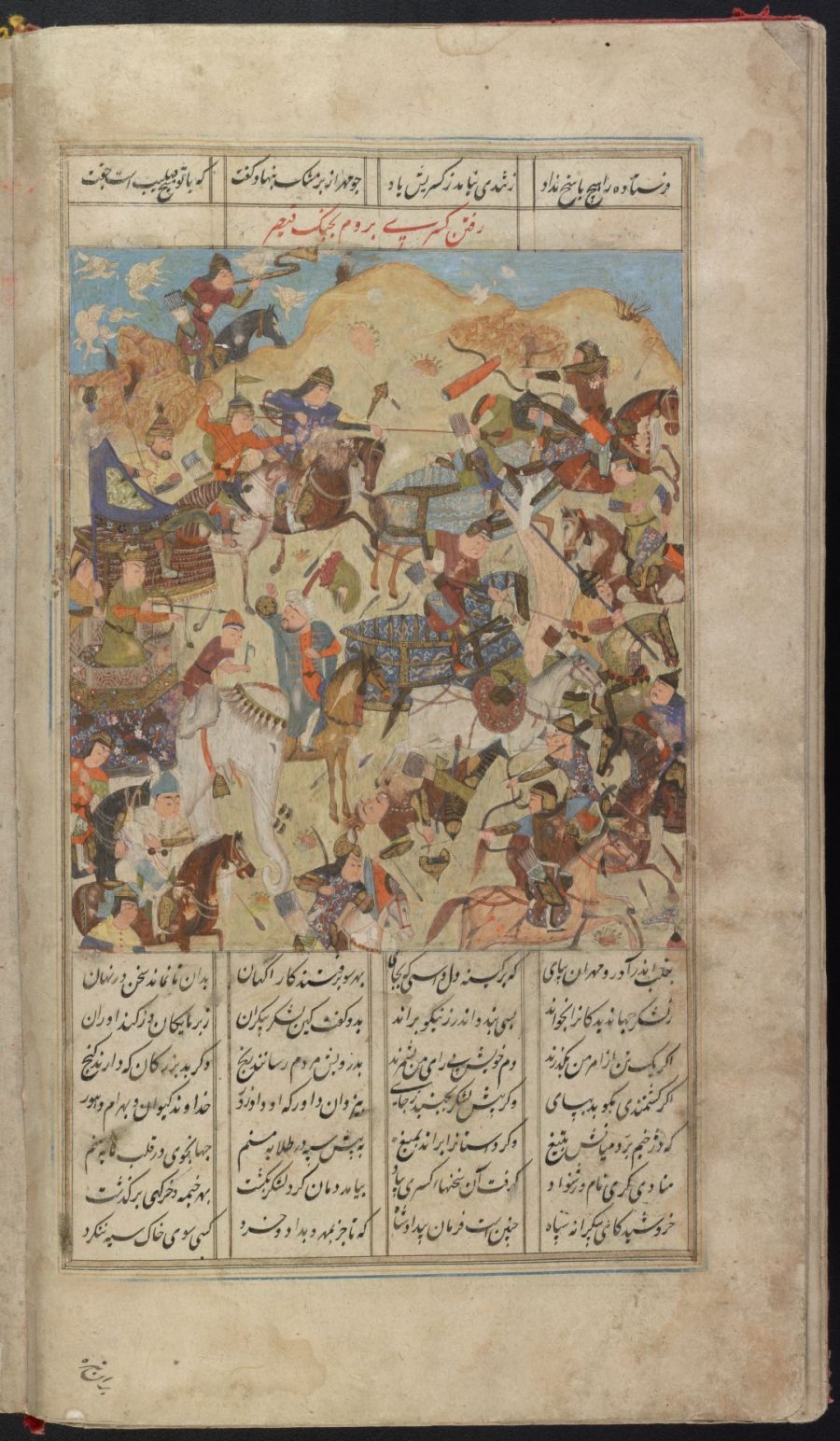
Too often those in pow­er lump thou­sands of years of Mid­dle East­ern reli­gion and cul­ture into mono­lith­ic enti­ties to be feared or per­se­cut­ed. But at least one gov­ern­ment insti­tu­tion is doing exact­ly the oppo­site. For Nowruz, the Per­sian New Year, the Library of Con­gress has released a dig­i­tal col­lec­tion of its rare Per­sian-lan­guage man­u­scripts, an archive span­ning 700 years. This free resource opens win­dows on diverse reli­gious, nation­al, lin­guis­tic, and cul­tur­al tra­di­tions, most, but not all, Islam­ic, yet all dif­fer­ent from each oth­er in com­plex and strik­ing ways.

“We nowa­days are pro­grammed to think Per­sia equates with Iran, but when you look at this it is a mul­ti­re­gion­al col­lec­tion,” says a Library spe­cial­ist in its African and Mid­dle East­ern Divi­sion, Hirad Dinavari. “Many con­tributed to it. Some were Indi­an, some were Tur­kic, Cen­tral Asian.” The “deep, cos­mopoli­tan archive,” as Atlas Obscura’s Jonathan Carey writes, con­sists of a rel­a­tive­ly small num­ber of manuscripts—only 155. That may not seem par­tic­u­lar­ly sig­nif­i­cant giv­en the enor­mi­ty of some oth­er online col­lec­tions.

But its qual­i­ty and vari­ety mark it as espe­cial­ly valu­able, rep­re­sen­ta­tive of much larg­er bod­ies of work in the arts, sci­ences, reli­gion, and phi­los­o­phy, dat­ing back to the 13th cen­tu­ry and span­ning regions from India to Cen­tral Asia and the Cau­cus­es, “in addi­tion to the native Per­sian speak­ing lands of Iran, Afghanistan and Tajik­istan,” the LoC notes.

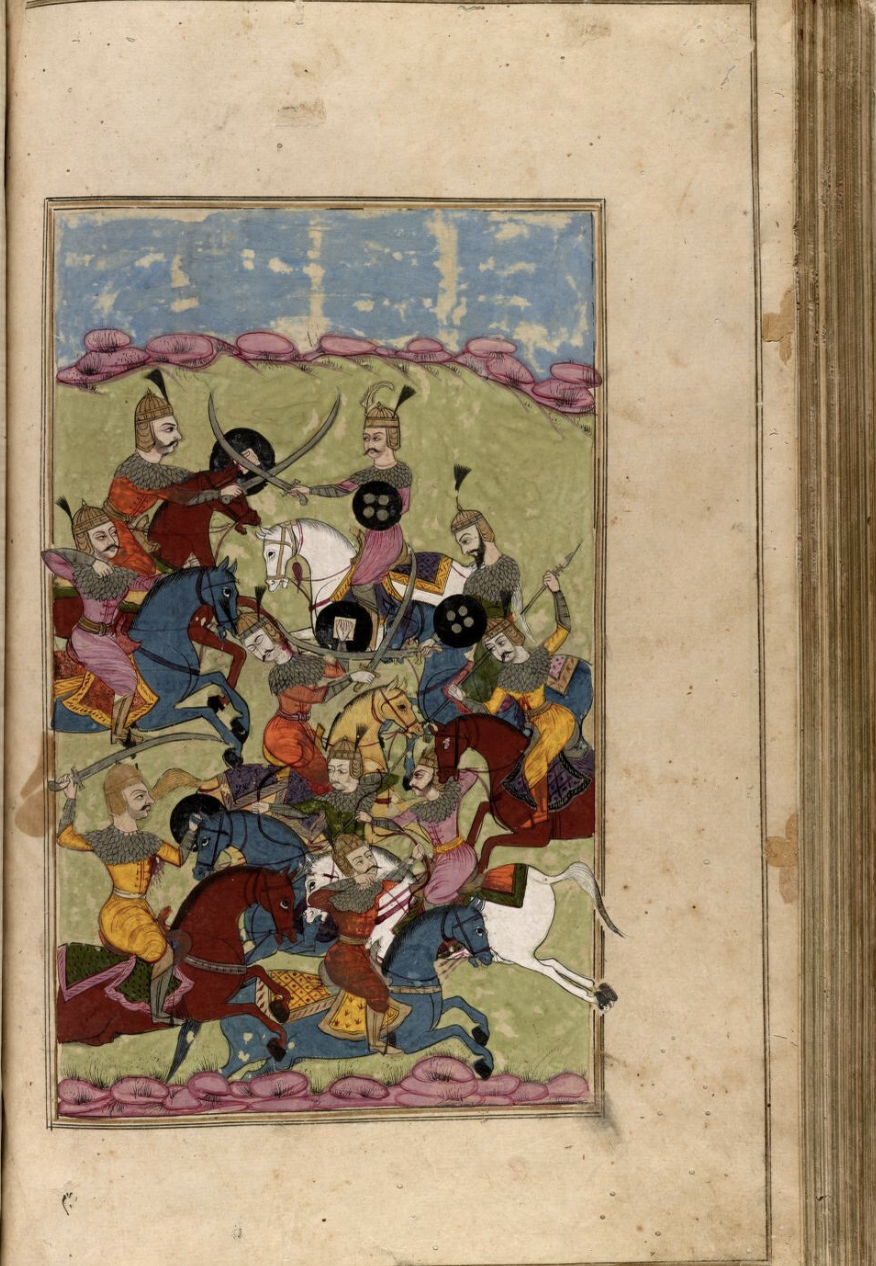
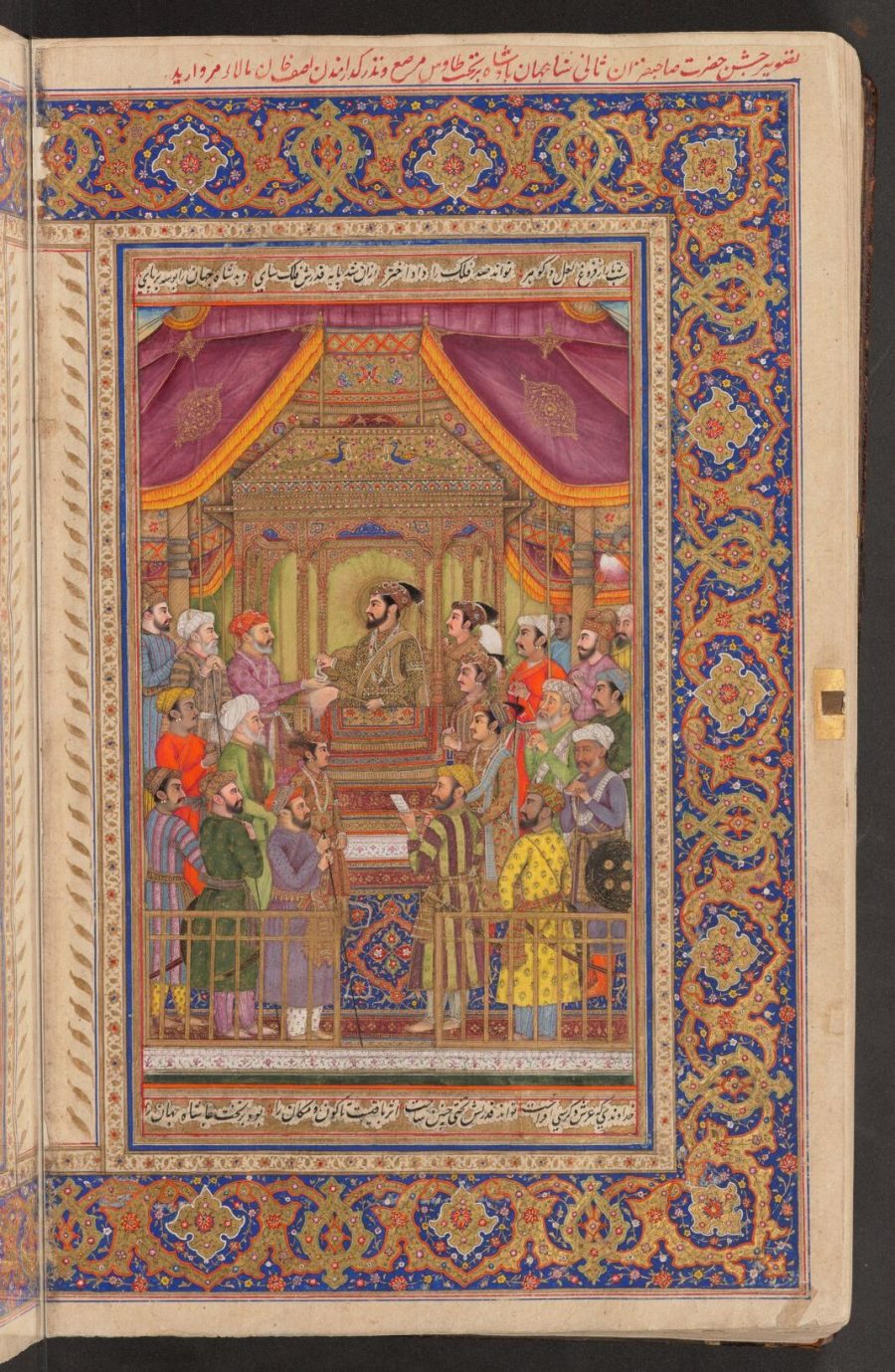
Promi­nent­ly rep­re­sent­ed are works like the epic poem of pre-Islam­ic Per­sia, the Shah­namah, “likened to the Ili­ad or the Odyssey,” writes Carey, as well as “writ­ten accounts of the life of Shah Jahan, the 17th-cen­tu­ry Mughal emper­or who over­saw con­struc­tion of the Taj Mahal.”

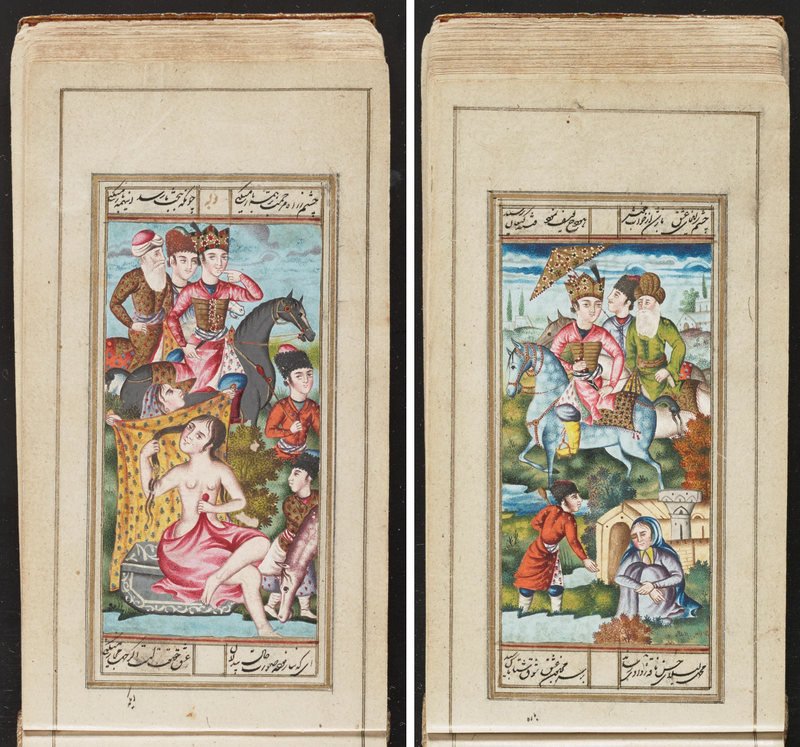
The Library points out the archive includes the “most beloved poems of the Per­sian poets Saa­di, Hafez, Rumi and Jami, along with the works of the poet Niza­mi Gan­javi.” Some read­ers might be sur­prised at the pic­to­r­i­al opu­lence of so many Islam­ic texts, with their col­or­ful, styl­ized bat­tle scenes and group­ings of human fig­ures.

Islam­ic art is typ­i­cal­ly thought of as icon­o­clas­tic, but as in Chris­t­ian Europe and North Amer­i­ca, cer­tain sects have fought oth­ers over this inter­pre­ta­tion (includ­ing over depic­tions of the Prophet Moham­mad). This is not to say that the icon­o­clasts deserve less atten­tion. Much medieval and ear­ly mod­ern Islam­ic art uses intri­cate pat­terns, designs, and cal­lig­ra­phy while scrupu­lous­ly avoid­ing like­ness­es of humans and ani­mals. It is deeply mov­ing in its own way, rig­or­ous­ly detailed and pas­sion­ate­ly exe­cut­ed, full of math­e­mat­i­cal and aes­thet­ic ideas about shape, pro­por­tion, col­or, and line that have inspired artists around the world for cen­turies.

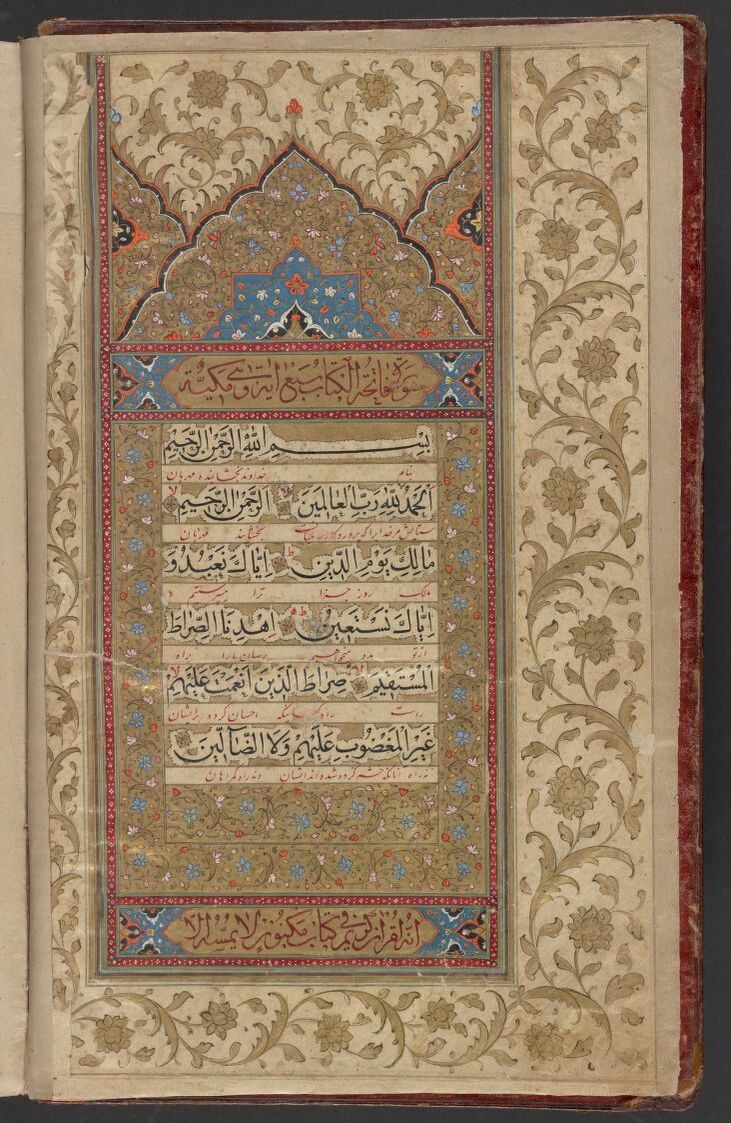
The page from a lav­ish­ly illu­mi­nat­ed Qur’ān, above, cir­ca 1708, offers such an exam­ple, writ­ten in Ara­bic with an inter­lin­ear Per­sian trans­la­tion. There are reli­gious texts from oth­er faiths, like the Psalms in Hebrew with Per­sian trans­la­tion, there are sci­en­tif­ic texts and maps: the Rare Per­sian-Lan­guage Man­u­script Col­lec­tion cov­ers a lot of his­tor­i­cal ground, as has Per­sian lan­guage and cul­ture “from the 10th cen­tu­ry to the present,” the Library writes. Such a rich tra­di­tion deserves care­ful study and appre­ci­a­tion. Begin an edu­ca­tion in Per­sian man­u­script his­to­ry here.

Note: An ear­li­er ver­sion of this post appeared on our site in 2019.

via Atlas Obscu­ra

Relat­ed Con­tent:

Dis­cov­er the Per­sian 11th Cen­tu­ry Canon of Med­i­cine, “The Most Famous Med­ical Text­book Ever Writ­ten”

15,000 Col­or­ful Images of Per­sian Man­u­scripts Now Online, Cour­tesy of the British Library

The Com­plex Geom­e­try of Islam­ic Art & Design: A Short Intro­duc­tion

Josh Jones is a writer and musi­cian based in Durham, NC. Fol­low him at @jdmagness

by | Permalink | Make a Comment ( 9 ) |

« Go BackMore in this category... »
Quantcast