Filling the Idea Void in Iraq
 We have hit bottom in Iraq. And you know it because the debates over Iraq (whether the war was just, whether we planned it adequately, whether we have a meaningful exist strategy, etc.) have ground to a halt. The big defenders of the war effort have mostly gone silent, or they’re no longer taken seriously, and what we’re left with is a deficit of ideas all around. There are those who talk about staying in Iraq, but can’t articulate a credible strategy for moving forward. And those who talk about leaving, but can’t outline how we’ll leave Iraq in a morally defensible position. We hear a lot in the way of platitudes, little in the way of substance.
This Fresh Air interview (stream it here) with Thomas Ricks, author of the bestseller Fiasco: The American Military Adventure in Iraq, helps fill the idea void a bit. (His book, by the way, comes out in paperback later this week.) Having recently returned from Iraq, Ricks talks about the real options now available to the US, and what steps the Bush administration will likely take during its last 18 months. Also, he discusses how the American military has changed its m.o. in Iraq. Gone are the days when politics dictated a sunny outlook and no real plans. Now, adults are running the show, and they’re getting a good deal more realistic and pragmatic. But even they recognize that this newfound wisdom is coming perhaps too late.
Related Note: George Packer, the main journalist who covered the war effort for The New Yorker, has recently rolled out a blog for the magazine. It’s called “Interesting Times” and it’s sure to help fill the idea void as well. Give it a look here.
Want to download free courses from top universities? Check out this new podcast collection.

Stephen Colbert on Books
For a little weekend laugh, here is Stephen Colbert speaking at Book Expo America, pumping his new book, I Am America (And So Can You!), sparring with Khaled Hosseini (author of The Kite Runner and A Thousand Splendid Suns), trashing Cormac McCarthy, and generally likening books to cigarettes. The clip gets better as it moves along and ends with Colbert hitting his stride.
PS You can also watch Part 2 of the video here.
See our podcast collections of free university courses and free high-quality audiobooks.
The Rise of the Cultureboxes, Part III: The iPhone
(Continued from Part II)
 The most recent major foray into the world of cultureboxes comes in an entirely different size and market niche: the Apple iPhone. It may look different, but it has all the hallmarks of a culturebox. The iPhone wants to deliver video, audio and the best of the Web; it hopes to revolutionize its market; it requires monthly service fees and a hefty price-tag to use fully.
Just like Microsoft and Tivo, Apple has had some struggles in getting their new device to live up to its promises. The batteries on many of the iPhones are not living up to expectations and some standard phone features seem to be missing. The new phone purports to combine the roles of iPod and cell phone more elegantly than any other device.
Music. Video. Connection. The Tivo, Xbox and iPhone all want to sell us cultural services through an integrated system of digital control. Record or purchase content from the authorized digital store and watch it on the authorized device. All three companies know that the success of their product depends on maintaining a delicate balance between defending the walls of their digital kingdoms and allowing in enough outside content to remain flexible in uncertain markets. All three boxes can be hacked and manipulated, of course, but their manufacturers are counting on the vast majority of customers to play along and pay along.
Just as the box-makers struggle to cut deals with content producers to make their digital offerings appealing to consumers, the “traditional” culture industries are desperately struggling to embrace new forms. The New York Times reviews videogames as well as plays, and just about every major media institution has launched some kind of blog, web video service or podcast so you can connect with the critics on whatever culturebox you prefer.
Culture served up on boxes is very different from public performance or ephemeral newsprint. We can save up hours and hours of it; we can carry it around or duplicate it. When we build up a library of music and videos, we own cultural objects in a way that was never really possible before, when the best we could do was own perishable physical media. We can replay, reformat, share and collate favorites, and we can use our rankings and ratings to find new works. A lot of the most exciting technical advances have had to do with connecting cultureboxes, but that so far that connectivity mostly goes to providing better culture for solo viewing. The three devices discussed here all hope to change that.
The reign of cultureboxes is in many ways the personal, digital version of something that happened in the late 18th century: The birth of the modern museum. The idea was to gather art, knowledge and history together and frame them appropriately—saving up culture for you in vast marble boxes. Today’s personal cultureboxes will never replace theater or museum-going, but they extend the same promise of cultural literacy (have you finished The Sopranos yet?). These days the promise is affiliated with brand name digital emporia.
Like the Xbox, Tivo, and iPhone, many of the first museums wanted to be everything for everybody, offering visitors historical relics, biological specimens and strange devices in a mishmash of art, science and hokum. No wonder the Xboxes are on the fritz: they’re trying to capture all our totally conflicted interests in just one device. Eventually we’ll figure out what digital content really belongs in our pocket on a two-inch screen, what needs to stay in the living room, and what to keep out of the box entirely. I should have some time to think about it while my Xbox gets repaired.
The Rise of the Cultureboxes, Part 2: Tivo
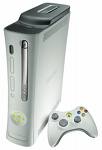
The trouble is, nobody is quite sure what the culturebox should look like or what it should do. We can all agree on video, audio and some kind of storage function. But do we want our media pocket-sized or on a big screen? Is the goal to entertain us on the commute or to build up a library of cherished media objects? More importantly, when we say “culture” do we essentially mean television or the whole panoply of forms? Are cultureboxes just TV by other means or are there genuinely new cultural forms on the horizon?
Last week Microsoft announced that Xbox 360s are failing in unprecedented numbers: A dramatic example of Culturebox Anxiety Syndrome. The new generation of videogame consoles allow us to do so much more than blasting aliens—video on demand, HD and Blu-Ray DVD playback, online chatting and music library management are just a few of the roles these particular cultureboxes want to serve. The complexity is clearly an overload: the New York Times argues that the $1 billion Microsoft is setting aside for this problem implies that between a third and half of Xbox 360 consoles could get the culturebox blues. Now a high-level Xbox executive has announced his resignation, though few people think it’s a punishment since the platform is generally selling well.
Perhaps I’m only writing because I use all these gadgets and my Xbox recently succumbed to “red ring of death” syndrome. Ironically, it only freezes up when I use it to load a videogame. But there is a broader issue here: the transformation of culture from something we experience in concert halls, movie theaters and other shared public spaces into something that we do on the couch or on the go.
Sneak Preview of Nobel Winner’s Next Novel
A quick heads up: You can read an excerpt from J.M. Coetzee’s upcoming novel, Diary of a Bad Year, over at The New York Review of Books. The entire novel will be published in January 2008. And, in case you weren’t already aware of it, Coetzee won the Nobel Prize in Literature in 2003. You can get more background information on the South African author here as well as reviews of his novels here.
 Subscribe to Our Feed - See our list of 100+ Enlightening Culture Blogs
The Rise of the Cultureboxes, Part 1: The Xbox
The trouble is, nobody is quite sure what the culturebox should look like or what it should do. We can all agree on video, audio and some kind of storage function. But do we want our media pocket-sized or on a big screen? Is the goal to entertain us on the commute or to build up a library of cherished media objects? More importantly, when we say “culture” do we essentially mean television or the whole panoply of forms? Are cultureboxes just TV by other means or are there genuinely new cultural forms on the horizon?
Last week Microsoft announced that Xbox 360s are failing in unprecedented numbers: A dramatic example of Culturebox Anxiety Syndrome. The new generation of videogame consoles allow us to do so much more than blasting aliens—video on demand, HD and Blu-Ray DVD playback, online chatting and music library management are just a few of the roles these particular cultureboxes want to serve. The complexity is clearly an overload: the New York Times argues that the $1 billion Microsoft is setting aside for this problem implies that between a third and half of Xbox 360 consoles could get the culturebox blues. Now a high-level Xbox executive has announced his resignation, though few people think it’s a punishment since the platform is generally selling well.
Perhaps I’m only writing because I use all these gadgets and my Xbox recently succumbed to “red ring of death” syndrome. Ironically, it only freezes up when I use it to load a videogame. But there is a broader issue here: the transformation of culture from something we experience in concert halls, movie theaters and other shared public spaces into something that we do on the couch or on the go.
Radio Lab: A Great Science Podcast
RadioLab, a science radio show created by WNYC in New York, is a little unusual for a public radio show. It comes out in short seasons of about five episodes. Each episode addresses a particular question in science through a wide lens–I found their most recently podcast show, on Morality, to be particularly fascinating. We’re adding the new show to our collection of Science Podcasts. Check it out for yourself!
RadioLab (Site, iTunes, Feed)
Support Us
We're hoping to rely on loyal readers, rather than erratic ads. Please click the Donate button and support Open Culture. You can use Paypal, Venmo, Patreon, even Crypto! We thank you!

Receive our Daily Email
About Us

Open Culture scours the web for the best educational media. We find the free courses and audio books you need, the language lessons & educational videos you want, and plenty of enlightenment in between.
Advertise With Us

