Google Gives You a 360° View of the Performing Arts, From the Royal Shakespeare Company to the Paris Opera Ballet

We’ve long been able to read books online. More recent­ly, the inter­net has also become a favored dis­tri­b­u­tion sys­tem for movies, and cer­tain­ly we’ve all heard more than enough about the effects of down­load­ing and stream­ing on the music indus­try. No new tech­nol­o­gy can quite sub­sti­tute, yet, for a vis­it to the muse­um, but as we’ve often post­ed about here, many of the muse­ums them­selves have gone ahead and made their paint­ings, sculp­tures, and oth­er arti­facts view­able in great detail online. At this point, will the expe­ri­ence of any art form at all remain unavail­able to us on the inter­net?

Not long ago, I would have named any of the per­form­ing arts, but the brains at the Google Cul­tur­al Insti­tute have now got around to those most liv­ing of all forms as well. The New York Times’ Michael Coop­er writes of our new­found abil­i­ty, through a series of 360-degree videos, to “stand, vir­tu­al­ly, on the stage of the Palais Gar­nier, among the dancers of the Paris Opera Bal­let,” ” jour­ney to Strat­ford-upon-Avon, where you can try to keep up with a fre­net­ic Alex Has­sell of the Roy­al Shake­speare Com­pa­ny as Hen­ry V, exhort­ing his troops to go ‘once more unto the breach,’ ” or “go onstage at Carnegie Hall, where the video places you smack in the mid­dle of the Philadel­phia Orches­tra as it plays a rous­ing ‘In the Hall of the Moun­tain King.’ ”

These come as part of a vir­tu­al exhi­bi­tion involv­ing “an inno­v­a­tive assem­blage of per­form­ing arts groups” that went live ear­li­er this month at the Google Cul­tur­al Insti­tute’s site. The orga­ni­za­tions, now more than 60 in total, include not just the Paris Opera, the Roy­al Shake­speare Com­pa­ny, and Carnegie Hall, but the Berlin Phil­har­mon­ic, the Vien­na State Opera, the Amer­i­can Bal­let The­ater, the Amer­i­can Muse­um of Mag­ic, the Brook­lyn Acad­e­my of Music, the Coun­try Music Hall of Fame, the John F. Kennedy Cen­ter for the Per­form­ing Arts, the Met­ro­pol­i­tan Opera, and the Rome Opera. You can find the per­for­mances neat­ly divid­ed into cat­e­gories: Music, OperaThe­atre, Dance, and Per­for­mance Art.

Google’s blog describes some of the tech­nol­o­gy behind all this, includ­ing the 360-degree per­for­mance record­ings, the “indoor Street View imagery” of the grand venues where many of the per­for­mances hap­pen, and the “ultra-high res­o­lu­tion Gigapix­el” images avail­able for your scruti­ny. When you play the video above of the Philadel­phia Orches­tra, you can click and drag to view the per­for­mance from every pos­si­ble angle from your van­tage right there in the midst of the musi­cians. I can’t imag­ine what the Google Cul­tur­al Insti­tute will come up with next, but sure­ly it won’t be long before we can see things from the Black Swan’s point of view.

You can start explor­ing the 360s per­for­mances here.

via The New York Times/Google

Relat­ed Con­tent:

Bal­let Dancers Do Their Hard­est Moves in Slow Motion

New Web Site, “The Opera Plat­form,” Lets You Watch La Travi­a­ta and Oth­er First-Class Operas Free Online

40,000 Art­works from 250 Muse­ums, Now View­able for Free at the Redesigned Google Art Project

Based in Seoul, Col­in Mar­shall writes and broad­casts on cities and cul­ture. He’s at work on a book about Los Ange­les, A Los Ange­les Primer, the video series The City in Cin­e­maand the crowd­fund­ed jour­nal­ism project Where Is the City of the Future? Fol­low him on Twit­ter at @colinmarshall or on Face­book.

Original Portrait of the Mona Lisa Found Beneath the Paint Layers of da Vinci’s Masterpiece

The BBC is get­ting ready to air a doc­u­men­tary, Secrets of the Mona Lisa, which will delve into the research of French sci­en­tist Pas­cal Cotte. Using an inno­v­a­tive imag­ing tech­nique, Cotte has man­aged to probe the paint lay­ers beneath the sur­face of da Vin­ci’s six­teenth-cen­tu­ry mas­ter­piece. And, lo and behold, he’s found hid­den paint­ings, includ­ing what he believes is an orig­i­nal, “real” por­trait of Lisa del Gio­con­do (the sub­ject of da Vin­ci’s paint­ing).

The host of the doc­u­men­tary, art his­to­ri­an Andrew Gra­ham-Dixon, announced, “I have no doubt that this is def­i­nite­ly one of the sto­ries of the cen­tu­ry.” Oth­er art his­to­ri­ans are not get­ting car­ried away. Mar­tin Kemp, Emer­i­tus Pro­fes­sor of the His­to­ry of Art at the Uni­ver­si­ty of Oxford, said in an inter­view: “They [Cot­te’s images] are inge­nious in show­ing what Leonar­do may have been think­ing about. But the idea that there is that pic­ture as it were hid­ing under­neath the sur­face is unten­able. I do not think there are these dis­crete stages which rep­re­sent dif­fer­ent por­traits. I see it as more or less a con­tin­u­ous process of evo­lu­tion. I am absolute­ly con­vinced that the Mona Lisa is Lisa.” Or, put dif­fer­ent­ly, there are not dif­fer­ent por­traits on da Vin­ci’s can­vas, just stages of the same por­trait that now hangs in the Lou­vre today.

Get more back­ground on the doc­u­men­tary and Cot­te’s research here.

Relat­ed Con­tent:

Did Leonar­do da Vin­ci Paint a First Mona Lisa Before The Mona Lisa?

Watch Leonar­do da Vinci’s Musi­cal Inven­tion, the Vio­la Organ­ista, Being Played for the Very First Time

Mark Twain Skew­ers Great Works of Art: The­Mona Lisa (“a Smoked Had­dock!”), The Last Sup­per (“a Mourn­ful Wreck”) & More

Free Course: An Intro­duc­tion to the Art of the Ital­ian Renais­sance

by | Permalink | Make a Comment ( 1 ) |

George Orwell’s 1984 Staged as an Opera: Watch Scenes from the 2005 Production in London

Should we have any doubt about the mal­leabil­i­ty of George Orwell’s dystopi­an 1948 nov­el 1984, we need look no fur­ther than its most recent, very loose incar­na­tion in a com­ing film titled Equals, which Vari­ety’s Peter Debruge writes “should res­onate most with the art­house-going seg­ment of the ‘Twi­light’ fan­base.” That’s not a descrip­tion that fills me with hope for a film project that might have brought us a wor­thy update of Orwell’s clas­sic, as rel­e­vant as ever in a world full of high-tech sur­veil­lance states, tech­no­log­i­cal­ly-enabled post-fac­tu­al­ism, and choose-your-own creep­ing total­i­tar­i­an polit­i­cal sce­nar­ios. These are con­cerns that deserve, nay beg, for a mature cin­e­mat­ic treat­ment, and a sophis­ti­cat­ed new film adap­ta­tion of 1984 might be just the thing we need to grasp the moment. Instead, we may have to set­tle for glossy, Orwell-esque teen romance.

On the oth­er hand, we might con­sid­er what should pre­sum­ably be a sophis­ti­cat­ed treat­ment of the nov­el in a recent adap­ta­tion that pre­miered in 2005 at London’s Roy­al Opera house. Com­posed by New York Phil­har­mon­ic con­duc­tor Lorin Maazel, with a libret­to by poet and crit­ic J.D. McClatchy and Tony-award win­ning writer Thomas Mee­han, the 1984 opera would seem to offer much more than an enter­tain­ing diver­sion. The work is Maazel’s first pro­duc­tion, and he told the BBC, “I found that once I got into the mate­r­i­al I was very inspired, very moti­vat­ed, by the breadth of the sto­ry, by the chal­lenge of mak­ing this extra­or­di­nary nov­el come alive in a dif­fer­ent frame and con­text.”

As Maazel points out, and as the com­ing Equals movie exploits, the novel’s plot does indeed turn on a romance, among oth­er poten­tial­ly the­atri­cal ele­ments. Maazel says he “found with­in [it] the true stuff of opera—doomed love affair, polit­i­cal intrigue—very much like Don Car­los, or Fide­lio, or Tosca.” How suc­cess­ful were Maazel and his writ­ers at trans­lat­ing the dark polit­i­cal plot­ting of the nov­el to the bright­ly-lit stage of the Roy­al Opera? Well, you’ll notice that the “Press Arti­cles” sec­tion of the opera’s web­site is telling­ly thin, per­haps because the crit­ics were not kind to the pro­duc­tion, many call­ing it a van­i­ty project, giv­en that Maazel had financed it him­self (with a com­pa­ny called Big Broth­er Pro­duc­tions). Nonethe­less, the New York Times praised the libret­to as “an effec­tive treat­ment of George Orwell’s com­plex and icon­ic nov­el” that hon­ors Orwell’s “themes and char­ac­ters,” though they found the music in gen­er­al much less com­pelling.

Wide­spread crit­i­cal dis­par­age­ment did not seem to impact tick­et sales, how­ev­er; the per­for­mance near­ly sold out for three nights in a row. Opera hous­es every­where, strug­gling as they are to attract new audi­ences and patrons, may yet con­sid­er reviv­ing the work for its pop­u­lar­i­ty. In the mean­while, curi­ous fans of opera, the nov­el, or both, can pur­chase a DVD of the pro­duc­tion and see sev­er­al clips here. At the top of the post, hear the over­ture and below it, see the love duet of Win­ston (Simon Keenly­side) and Julia (Nan­cy Gustafson). Fur­ther down, hear audio of the hymn “All Hail Oceana,” and just above, see the production’s finale. Speak­ers of Ital­ian may find this brief tele­vi­sion seg­ment on the pro­duc­tion of inter­est as well. While nei­ther Maazel’s ambi­tious opera nor the upcom­ing, very loose com­mer­cial film adap­ta­tion seem to offer the con­tem­po­rary 1984 we need, I for one hold out hope for a treat­ment that can effec­tive­ly crys­tal­ize our fraught polit­i­cal present and Orwell’s dis­turbing­ly imag­ined future.

Relat­ed Con­tent:

Hear the Very First Adap­ta­tion of George Orwell’s 1984 in a Radio Play Star­ring David Niv­en (1949)

George Orwell Explains in a Reveal­ing 1944 Let­ter Why He’d Write 1984

Josh Jones is a writer and musi­cian based in Durham, NC. Fol­low him at @jdmagness

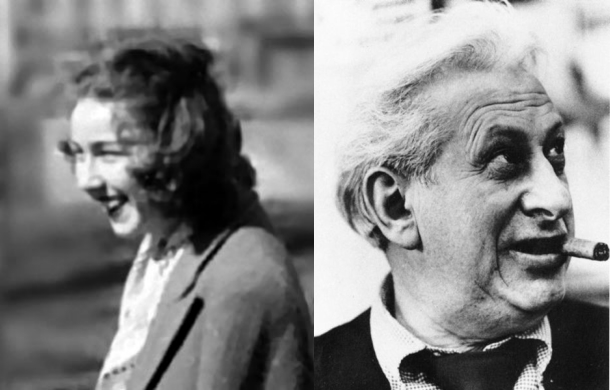
Hear Flannery O’Connor’s Short Story, “Revelation,” Read by Legendary Historian & Radio Host, Studs Terkel

flannery terkel

Images via Wiki­me­dia Com­mons

Flan­nery O’Connor’s sur­gi­cal satire has the abil­i­ty to strip away the pre­ten­sions of not only those char­ac­ters we are already pre­dis­posed to dis­like, but also those with whom we may sympathize—that is, edu­cat­ed peo­ple with broad­ly human­ist views who think they see right through the self-impor­tant prej­u­dices and provin­cial­ism of peo­ple like Mrs. Hopewell in “Good Coun­try Peo­ple” or Mrs. Chest­ny in “Every­thing that Ris­es Must Con­verge.” Both sto­ries dra­ma­tize gen­er­a­tional ten­sions in the form of mother/child pairs at odds. In the for­mer, super­fi­cial, con­de­scend­ing Mrs. Hopewell and her daugh­ter Joy—a mis­er­able, grad­u­ate-edu­cat­ed amputee who prefers to call her­self Hulga—battle over their con­flict­ing moral philoso­phies, only to both be tak­en in by a devi­ous bump­kin pos­ing as a Bible sales­man.

In the lat­ter story—also the title of O’Connor’s most wide­ly read col­lec­tion, pub­lished posthu­mous­ly in 1965—a moth­er and son pair present us with two kinds of intol­er­ance. Mrs. Chest­ny is an overt big­ot whose self-impor­tance depends on her sense of her­self as a descen­dent of a proud, if decayed, South­ern aris­toc­ra­cy. Julian, her unem­ployed son, a despair­ing recent col­lege-grad with designs of becom­ing a writer but with no real prospects, thinks him­self above his mother’s ugly racism and desires noth­ing more than that she learn her les­son: “The old world is gone,” he says, “You aren’t who you think you are.” When she final­ly gets her come­up­pance at the end of the sto­ry (on the way, com­i­cal­ly, to a “reduc­ing class”) it may have come, to Julian’s dis­may, at the cost of her life. Though we are inclined to sym­pa­thize at first with the bit­ter­ly iron­ic son, as the sto­ry pro­gress­es, the nar­ra­tor reveals his moti­va­tions as hard­ly more ele­vat­ed than his mother’s hate and fear.

These are not char­ac­ters we fall in love with, but we nev­er for­get them either. Through them we come to see that none of us is who we think we are, that the human capac­i­ty for self-decep­tion is bound­less. This is the les­son com­mon to each of O’Connor’s sto­ries, one she offers anew with wit and vari­ety each time, and each time through a kind of rev­e­la­tion. Her sto­ries draw us into points of view that reveal themselves—through sud­den epipha­nies and grad­ual unfoldings—to be inad­e­quate, delud­ed, pro­found­ly lim­it­ed. And though O’Connor’s South­ern Catholic pes­simism has aston­ish­ing­ly uni­ver­sal reach, the region­al ground­ing of her sto­ries and nov­els present us with par­tic­u­lar­ly Amer­i­can ver­sions of the pet­ty mean­ness and con­ceit com­mon to the human species.

In “Rev­e­la­tion,” anoth­er sto­ry from Every­thing Ris­es Must Con­verge—read above by Studs Terkel—O’Con­nor lays bare some par­tic­u­lar­ly Amer­i­can race and class bias­es in the char­ac­ter of Mrs. Turpin, anoth­er old­er South­ern lady whose prej­u­dices are more vicious and spite­ful than both Mrs. Hopewell and Mrs. Chest­ny put togeth­er. The sto­ry achieves a sub­tle exam­i­na­tion of some very unsub­tle atti­tudes, and the read­ing by Terkel, in his Chica­go-accent­ed radio voice, does it jus­tice indeed. Terkel read the sto­ry on his radio show, The Studs Terkel Pro­gram, in 1965, the year of its pub­li­ca­tion and a lit­tle over a year after O’Con­nor’s death. See a com­plete tran­script of the broad­cast at the Terkel show’s Pop Up Archive. The audio above has been kind­ly enhanced for us by sound design­er Berrak Nil.

As an added treat, hear “Every­thing that Ris­es Must Con­verge” read above by Acad­e­my Award-win­ning actress Estelle Par­sons, who became known in her lat­er years for play­ing an over­bear­ing moth­er like the sto­ry’s Mrs. Chest­ny in the TV sit­com Roseanne. Despite the quaint­ness of O’Con­nor’s char­ac­ter­i­za­tions, we are not far at all from the world she depict­ed, giv­en the stub­born per­sis­tence of human big­otry, self­ish­ness, and blind self-regard. For more clas­sic O’Con­nor, hear the sharp-tongued writer, who died too soon of com­pli­ca­tions from her lupus at age 39, read her sto­ry “A Good Man is Hard to Find” here.

The read­ing above can be found in our col­lec­tion, 1,000 Free Audio Books: Down­load Great Books for Free.

Relat­ed Con­tent:

Studs Terkel Inter­views Bob Dylan, Shel Sil­ver­stein, Maya Angelou & More in New Audio Trove

Rare 1959 Audio: Flan­nery O’Connor Reads ‘A Good Man is Hard to Find’

Flan­nery O’Connor to Lit Pro­fes­sor: “My Tone Is Not Meant to Be Obnox­ious. I’m in a State of Shock”

Flan­nery O’Connor’s Satir­i­cal Car­toons: 1942–1945

Josh Jones is a writer and musi­cian based in Durham, NC. Fol­low him at @jdmagness

Watch the Eagles of Death Metal Perform Live Again Tonight in Paris

“There’s noth­ing left but to intro­duce you to some peo­ple whose lives will for­ev­er be a part of the life of Paris. These are our broth­ers. They were robbed of their stage three weeks ago, and we would like to offer them ours tonight.” And with those words from Bono, the Eagles of Death Met­al took the stage again tonight in Paris, just three weeks after the hor­rif­ic ter­ror­ist attack at Le Bat­a­clan. Up top, see them sing, along with U2, a ver­sion of Pat­ti Smith’s “Peo­ple Have the Pow­er.” Next, a ver­sion of their own song, “I Love You All the Time.”

Whether the band would per­form again was nev­er in doubt. Inter­viewed days after the attack, the band, still reel­ing, told Vice they had an oblig­a­tion to car­ry on. In the poignant video below, Jesse Hugh­es said it all: “I can­not wait to get back to Paris. I can­not wait to play. I want to come back. I want to be the first band to play at Le Bat­a­clan when it opens.” Play­ing at Le Bat­a­clan may have to wait. But get­ting back to Paris, that’s now cer­tain­ly done.

via The New York Times

Fol­low Open Cul­ture on Face­book and Twit­ter and share intel­li­gent media with your friends. Or bet­ter yet, sign up for our dai­ly email and get a dai­ly dose of Open Cul­ture in your inbox. And if you want to make sure that our posts def­i­nite­ly appear in your Face­book news­feed, just fol­low these sim­ple steps.

Anatomy of a Scene: 100+ Filmmakers Like Wes Anderson, Tim Burton & Ridley Scott Break Down a Scene from Each of Their Films

Of all the tech­no­log­i­cal inno­va­tions hap­pen­ing around me as I grew up in the 1980s and 90s, none excit­ed me more than the DVD direc­tor’s com­men­tary. Yes, LaserDisc diehards, I know com­men­tary tracks did­n’t begin with the advent of DVDs, but they unques­tion­ably came into their own as a form on that for­mat. A promis­ing-enough direc­tor’s com­men­tary — one fea­tur­ing a fun­ny film­mak­er, or one full of fas­ci­nat­ing sto­ries, or one wonky enough to get as deep into the nuts and bolts of the craft as time allowed — could by itself con­vince me to rent or even buy a disc, whether or not I cared for or had even heard of the movie itself.

And so I found it a bit dis­may­ing that, as online stream­ing began to dis­place disc-watch­ing as the home-the­ater tech­nol­o­gy of choice, direc­tor’s com­men­tary tracks — or com­men­tary tracks by any­one else, for that mat­ter — looked like a soon-to-be thing of the past. But as we’ve learned, espe­cial­ly this cen­tu­ry, tech­nol­o­gy tends to open a win­dow when it clos­es a door. At the New York Times, inter­net video has opened anoth­er win­dow onto the mind of the mod­ern film­mak­er with Anato­my of a Scene, a series of clips that each take just one scene from a film and have the film’s direc­tor explain in depth, DVD-com­men­tary-style, what went into that scene.

At the top of the post, you can hear Wes Ander­son, a direc­tor long known for his mas­tery of a cer­tain aes­thet­ic, explain some of the tech­niques that make up that aes­thet­ic as he and his col­lab­o­ra­tors used them in The Grand Budapest Hotel. Below that, Tim Bur­ton, who grew famous using an equal­ly dis­tinc­tive but whol­ly dif­fer­ent visu­al vocab­u­lary from Ander­son­’s, talks about a scene from Big Eyes, his film about the life of painter Mar­garet Keane. Keane’s paint­ings fea­ture heav­i­ly in the back­ground, which gives Bur­ton the oppor­tu­ni­ty to talk about how they cap­ti­vat­ed him in child­hood: “I found them quite dis­turb­ing, and the col­or schemes were quite lurid” — and so he explains how those lurid col­ors pro­vid­ed the col­or scheme for the movie itself.

The direc­tors of Anato­my of a Scene tend to talk about their recent films, and in recent years we’ve seen a fair few high-pro­file Hol­ly­wood movies deal­ing with out­er space and the worlds beyond Earth: Christo­pher Nolan’s Inter­stel­lar, for instance, whose scene of its astro­nauts hurtling into the great unknown pro­vides the mate­r­i­al for its Anato­my of a Scene video. Rid­ley Scott, always a stim­u­lat­ing com­menter, has also done one on The Mar­t­ian, his own lat­est space movie which came out this year. Scott talks over the scene where his film’s astro­naut, marooned and seek­ing any tool of sur­vival, digs NASA’s Pathfind­er out of the Mar­t­ian sands, about how, as “one of those prim­i­tives who can actu­al­ly draw,” he sto­ry­boards every­thing in detail: “By the time I start the movie, I’ve kind of ‘filmed’ it on paper, and when I get there, it gives me the con­fi­dence to feel free to allow the actors and every­body else to do their thing.”

But Anato­my of a Scene does­n’t just invite house­hold names. I used to live in Los Ange­les and still keep up with movies that exam­ine the city, and so I found fas­ci­nat­ing indeed their video with Dan Gilroy on Night­crawler, my favorite Los Ange­les movie of this past year (maybe along­side Paul Thomas Ander­son­’s Thomas Pyn­chon adap­ta­tion Inher­ent Vice, a scene from which also gets anat­o­mized). The Times has put togeth­er over a hun­dred of these videos, all of which you can watch at their Anato­my of a Scene page or on Youtube. They’ve includ­ed scenes from the work of such auteurs as Olivi­er Assayas, Noah Baum­bach, Richard Lin­klater, and Lukas Moodys­son (as well as scenes from such, er, oth­er sorts of pic­tures as Zack Sny­der’s Man of Steel). If the com­men­tary is dead, well, long live the com­men­tary.

Relat­ed Con­tent:

John Lan­dis Decon­structs Trail­ers of Great 20th Cen­tu­ry Films: Cit­i­zen Kane, Sun­set Boule­vard, 2001 & More

Moviedrome: Film­mak­er Alex Cox Pro­vides Video Intro­duc­tions to 100+ Clas­sic Cult Films

Direc­tor Robert Rodriguez Teach­es The Basics of Film­mak­ing in Under 10 Min­utes

Film­mak­ing Advice from Quentin Taran­ti­no and Sam Rai­mi (NSFW)

Based in Seoul, Col­in Mar­shall writes and broad­casts on cities and cul­ture. He’s at work on a book about Los Ange­les, A Los Ange­les Primer, the video series The City in Cin­e­maand the crowd­fund­ed jour­nal­ism project Where Is the City of the Future? Fol­low him on Twit­ter at @colinmarshall or on Face­book.

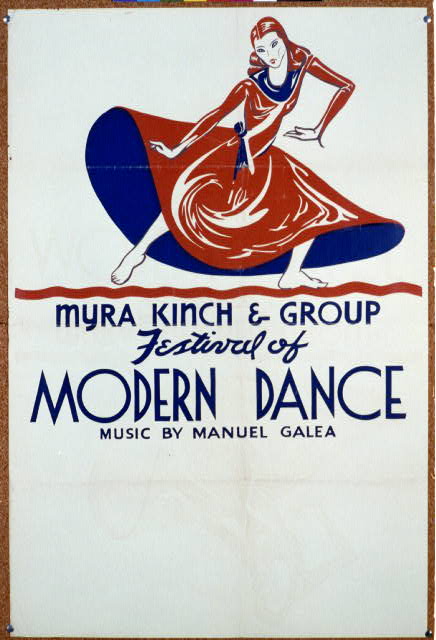
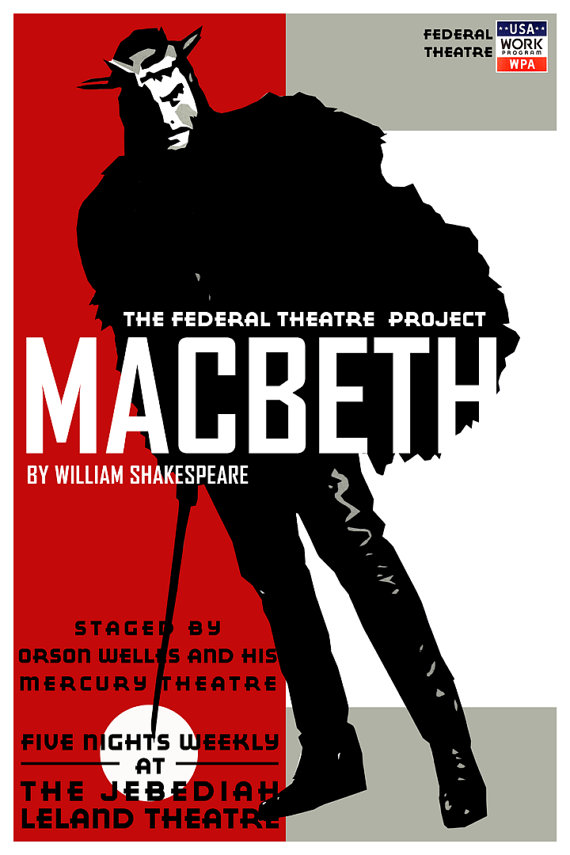
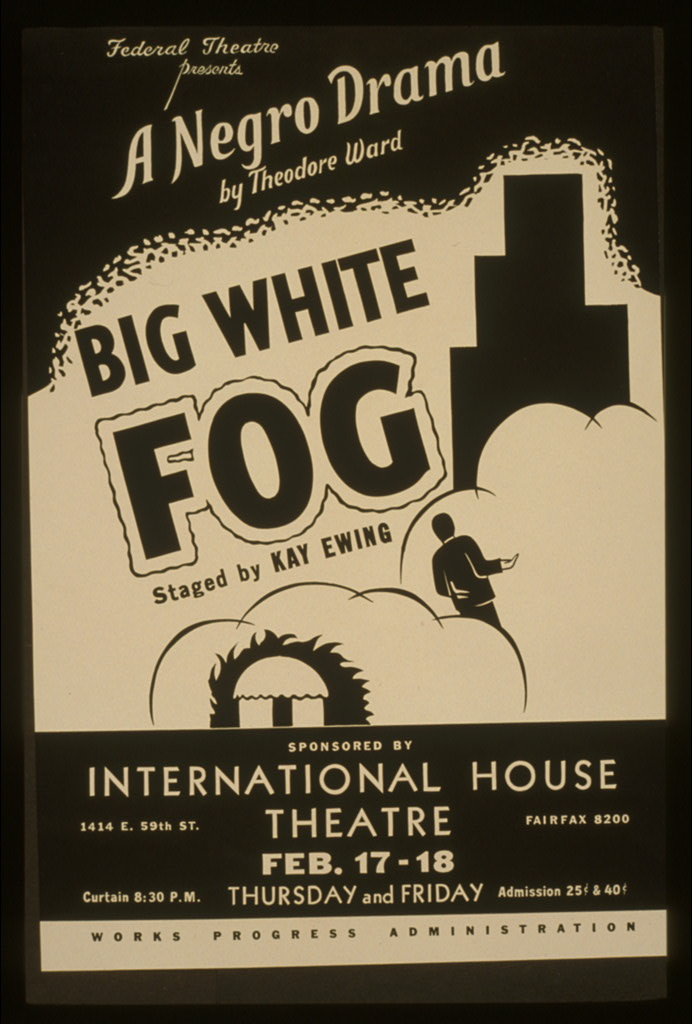
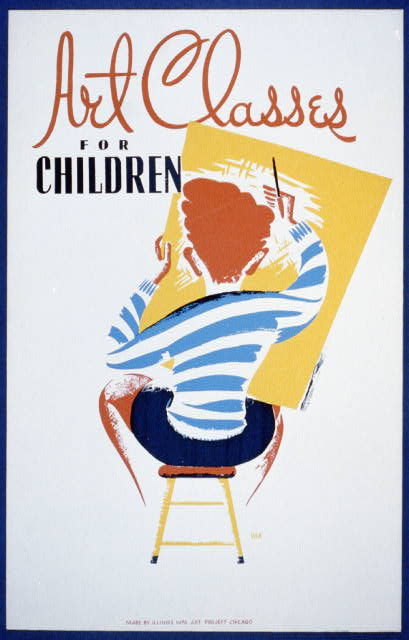
Striking Poster Collection from the Great Depression Shows That the US Government Once Supported the Arts in America

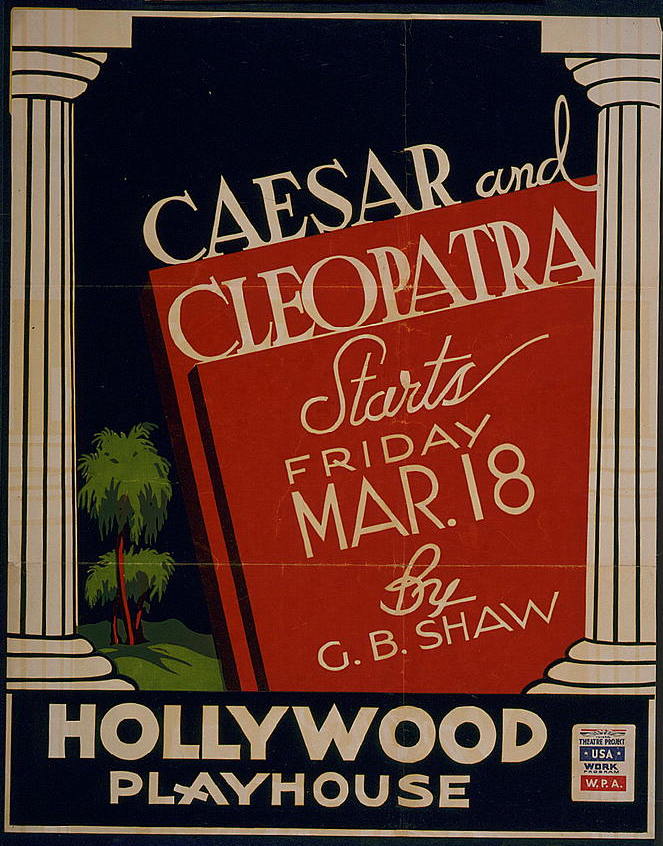
WPA Caesare & Cleopatra

Of the rare and extra­or­di­nary times in U.S. his­to­ry when the U.S. gov­ern­ment active­ly fund­ed and pro­mot­ed the arts on a nation­al scale, two peri­ods in par­tic­u­lar stand out. There is the CIA’s role in chan­nel­ing funds to avant-garde artists after the Sec­ond World War as part of the cul­tur­al front of the Cold War—a boon to painters, writ­ers, and musi­cians, both wit­ting and unwit­ting, and a strange way in which the intel­li­gence com­mu­ni­ty used the anti-com­mu­nist left to head off what it saw as more dan­ger­ous and sub­ver­sive trends. Most of the high­ly agen­da-dri­ven fed­er­al arts fund­ing dur­ing the Cold War pro­ceed­ed in secret until decades lat­er, when long-sealed doc­u­ments were declas­si­fied and agents began to tell their sto­ries of the peri­od.

BOOK TALKS

Of a much less covert­ly polit­i­cal nature was the first major fed­er­al invest­ment in the arts, begun under Franklin Delano Roosevelt’s New Deal and cham­pi­oned in large part by his wife, Eleanor. Under the 1935-estab­lished Works Progress Admin­is­tra­tion (WPA)—which cre­at­ed thou­sands of jobs through large-scale pub­lic infra­struc­ture projects—the Fed­er­al Project Num­ber One took shape, an ini­tia­tive, write Don Adams and Arlene Gold­bard, that “marked the U.S. government’s first big, direct invest­ment in cul­tur­al devel­op­ment.” The project’s goals “were clear­ly stat­ed and demo­c­ra­t­ic; they sup­port­ed activ­i­ties not already sub­si­dized by pri­vate sec­tor patrons… and they empha­sized the inter­re­lat­ed­ness of cul­ture with all aspects of life, not the sep­a­rate­ness of a rar­efied art world.”

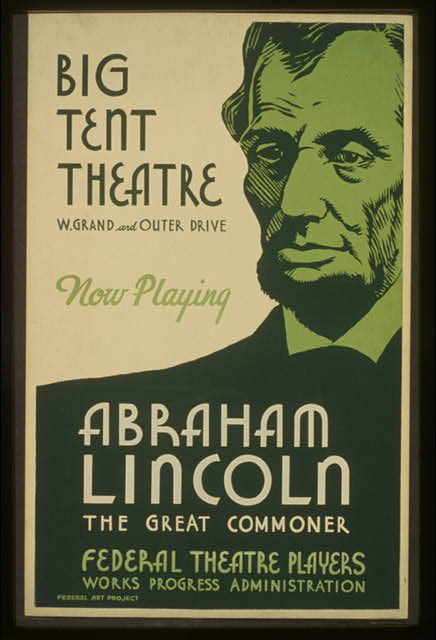
Big Tent Theatre

Under the pro­gram, known sim­ply as “Fed­er­al One,” Orson Welles made his direc­to­r­i­al debut, with a huge­ly pop­u­lar, all-Black pro­duc­tion of Mac­beth; Walk­er Evans, Dorothea Lange, and oth­ers doc­u­ment­ed the Great Depres­sion in their now icon­ic pho­to­graph­ic series; Diego Rivera paint­ed his huge murals of work­ing peo­ple; folk­lorists Alan Lomax, Stet­son Kennedy, and Har­ry Smith col­lect­ed and record­ed the pop­u­lar music and sto­ries of SouthZora Neale Hurston con­duct­ed anthro­po­log­i­cal field research in the Deep South and the Caribbean; Amer­i­can writ­ers from Ralph Elli­son to James Agee found sup­port from the WPA. This is to name but a few of the most famous artists sub­si­dized by the New Deal.

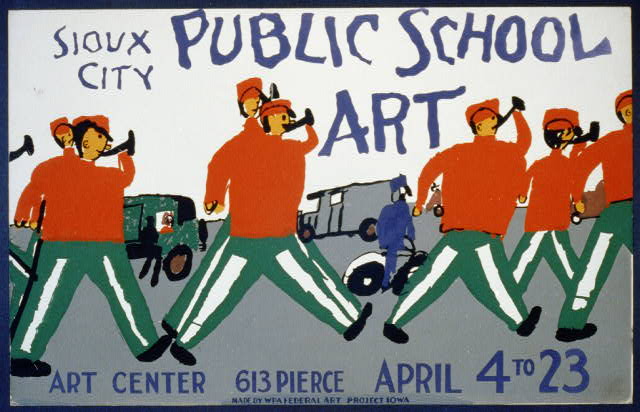
Sioux City Public Art School

Thou­sands more whose names have gone unrecord­ed were able to fund com­mu­ni­ty the­ater pro­duc­tions, lit­er­ary lec­tures, art class­es and many oth­er works of cul­tur­al enrich­ment that kept peo­ple in the arts work­ing, engaged whole com­mu­ni­ties, and gave ordi­nary Amer­i­cans oppor­tu­ni­ties to par­tic­i­pate in the arts and to find rep­re­sen­ta­tion where they oth­er­wise would be over­looked or ignored. Fed­er­al One not only “put legions of unem­ployed artists back to work,” writes George Wash­ing­ton Uni­ver­si­ty’s Eleanor Roo­sevelt Papers Project, “but their cre­ations would invari­ably enter­tain and enrich the larg­er pop­u­la­tion.”

modern dance

“If FDR was only luke­warm about Fed­er­al One,” GWU points out, “his wife more than made up for it with her enthu­si­asm. Eleanor Roo­sevelt felt strong­ly that Amer­i­can soci­ety had not done enough to sup­port the arts, and she viewed Fed­er­al One as a pow­er­ful tool with which to infuse art and cul­ture into the dai­ly lives of Amer­i­cans.”

macbeth wpa

Now, thanks to the Library of Con­gress, we can see what that infu­sion of cul­ture looked like in col­or­ful poster form. Of the 2,000 WPA arts posters known to exist, the LoC has dig­i­tized over 900 pro­duced between 1936 and 1943, “designed to pub­li­cize exhibits, com­mu­ni­ty activ­i­ties, the­atri­cal pro­duc­tions, and health and edu­ca­tion al pro­grams in sev­en­teen states and the Dis­trict of Colum­bia.”

Big White Fog

These posters, added to the Library’s hold­ings in the ‘40s, show us a nation that looked very dif­fer­ent from the one we live in today—one in which the arts and cul­ture thrived at a local and region­al lev­el and were not sim­ply the pre­serves of celebri­ties, pri­vate wealth, and major cor­po­ra­tions. Per­haps revis­it­ing this past can give us a mod­el to strive for in a more demo­c­ra­t­ic, equi­table future that val­ues the arts as Eleanor Roo­sevelt and the WPA admin­is­tra­tors did. Click here to browse the com­plete col­lec­tion of WPA arts posters and to down­load dig­i­tal images as JPEG or TIFF files.

Art_classes_for_children_LCCN98510141

Relat­ed Con­tent:

Down­load Vin­tage Film Posters in High-Res: From The Philadel­phia Sto­ry to Attack of the Crab Mon­sters

Yale Launch­es an Archive of 170,000 Pho­tographs Doc­u­ment­ing the Great Depres­sion

Young Orson Welles Directs “Voodoo Mac­beth,” the First Shake­speare Pro­duc­tion With An All-Black Cast: Footage from 1936

Josh Jones is a writer and musi­cian based in Durham, NC. Fol­low him at @jdmagness

Take a Virtual Tour of Machu Picchu, One of the New 7 Wonders of the World

Briefly not­ed: Google will now let you pay a vir­tu­al vis­it to one of my favorite places on the plan­et — Machu Pic­chu, the great Inca ruins locat­ed in the Andes in Peru. There’s noth­ing like vis­it­ing Machu Pic­chu in per­son. But if you can’t get there, you can do worse than take this tour.

Take a train ride through the Andes, to this his­toric site. And once you’re there, vis­it the His­toric Sanc­tu­ary of Machu Pic­chu, includ­ing The Tem­ple of the Three Win­dows, the Tem­ple of the Sun, the Astro­nom­i­cal Obser­va­to­ry, and the Sacred Rock, among oth­ers parts of this UNESCO World Her­itage Site. You can also explore more Inca arti­facts over at the Museo Machupic­chu at Casa Con­cha, which holds the largest col­lec­tion of such arti­facts in the world. Hap­py trav­els.

Relat­ed Con­tent:

Take a 360° Vir­tu­al Tour of Tal­iesin, Frank Lloyd Wright’s Per­son­al Home & Stu­dio

Rome Reborn: Take a Vir­tu­al Tour Through Ancient Rome, 320 C.E.

Take a 3D Vir­tu­al Tour of the Sis­tine Chapel, St. Peter’s Basil­i­ca and Oth­er Art-Adorned Vat­i­can Spaces

Prize-Win­ning Ani­ma­tion Lets You Fly Through 17th Cen­tu­ry Lon­don


by | Permalink | Make a Comment ( 2 ) |

« Go BackMore in this category... »
Quantcast