The Kindle: Amazon Has a Winner

When Ama­zon’s Kin­dle hit the streets last Novem­ber, the crit­ics gave the new­fan­gled ebook read­er mixed reviews. The cus­tomers, how­ev­er, have been say­ing some­thing a lit­tle bit dif­fer­ent. Sales have been brisk, a bit too brisk actu­al­ly. Wait­ing up to six weeks to get the Kin­dle, cus­tomers have been get­ting huffy, and last week Ama­zon’s CEO, Jeff Bezos, had to post an apol­o­gy on Ama­zon’s home­page. If you’re won­der­ing what makes the $399 Kin­dle so sought after, Life­hack­er’s review does a good job of sum­ming up its virtues. In the mean­time, if you want to get your hands on one, get in line.

Eat, Pray, Love @ Google

Eliz­a­beth Gilbert’s Eat, Pray, Love has been on the New York Times best­seller list for 57 weeks. If you haven’t read it yet, then you may want to spend some time with Gilbert’s talk at Google. While her talk and read­ing did­n’t com­plete­ly strike a chord with me, it may well with you. So here you go (and, yes, we’ve added the video to our YouTube Playlist):

Sub­scribe to Our Feed

by | Permalink | Make a Comment ( 1 ) |

Neil Gaiman’s American Gods — Free Digital Copy

Harper­Collins has rolled out anoth­er free book — the New York Times best­seller Amer­i­can Gods by Neil Gaiman. You can read it for free here (or buy it here). For more free books by Harper­Collins, see our post from last week. And, as always, don’t for­get to see our col­lec­tion of free audio­books.

Sub­scribe to Our Feed

by | Permalink | Make a Comment ( 2 ) |

Free Books from HarperCollins

As dis­cussed in this NY Times arti­cle, Harper­Collins has made a few of its books avail­able online for free. You can read them from start to fin­ish in dig­i­tal for­mat. But you can’t down­load them, and they’ll only be avail­able for a few more weeks. (Pre­sum­ably new books will be made avail­able in the future.) Here’s what you’ll cur­rent­ly find.

Relat­ed Con­tent: 

For more free books, see our Audio­book Pod­cast Col­lec­tion and 45 Free Cut­ting-Edge Books … Cour­tesy of Cre­ative Com­mons

Sub­scribe to Our Feed

Resolving the Omnivore’s Dilemma: Pollan’s New Book

Com­ing off of the run­away suc­cess of Omni­vore’s Dilem­ma, Michael Pol­lan has just pub­lished a log­i­cal sequel — In Defense of Food: An Eater’s Man­i­festo. His new book tells us what to eat, what not to eat, and how to stay healthy. Gen­er­al­ly speak­ing, his advice can be boiled down to a few words: “Eat food. Not too much. Most­ly plants.” But there is obvi­ous­ly much more to it than that. To fill in the gaps, you can buy the book or lis­ten to two recent inter­views with Pol­lan:

1.) The Leonard Lopate Show (Jan­u­ary 9) : MP3 — iTunes — Feed — Web Site 

2.) Sci­ence Fri­day (Jan­u­ary 4): MP3 — iTunes — Feed — Web Site

Sub­scribe to Our Feed

by | Permalink | Make a Comment ( 1 ) |

17 Free and Downloadable Graphic Novels

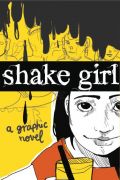
graphicnovel2.jpgA quick fyi: From this page, you can down­load or view 17 graph­ic nov­els. This genre, which mesh­es com­ic book art­work with sophis­ti­cat­ed lit­er­ary plots, has under­gone a major resur­gence late­ly. So we’re not shocked (but we are pleased) to find these kinds of col­lec­tions tak­ing shape.

by | Permalink | Make a Comment ( 2 ) |

Favorite Books of 2007

Quick fyi: The book crit­ics of The New York Times have select­ed their favorite books of 2007. These are the books that they men­tion to friends, or rec­om­mend that you take on vaca­tion. You’ll find here 30 good reads in all.

Now how about your favorite book of ’07? Share them with oth­er Open Cul­ture read­ers and list them in the com­ments below. (If we get enough of them, we’ll list them in a spe­cial blog post.)

by | Permalink | Make a Comment ( 1 ) |

Ten Discoveries That Rewrote History

tendiscoveries.jpgHere are a few facts to know about the adven­tur­ous Patrick Hunt. He’s a Stan­ford archae­ol­o­gist who has spent more than a decade try­ing to unrav­el the mys­tery of how Han­ni­bal, the great ancient mil­i­tary leader, crossed the Alps in 218 BCE with 25,000 men and 37 ele­phants. (Lis­ten on iTunes to the course he gave on this adven­ture, and get more info below). He has bro­ken more than 20 bones while doing field­work, fought off kid­nap­pers, and twice sur­vived sun­stroke-induced blind­ness. And now he has just pub­lished an excit­ing new book called Ten Dis­cov­er­ies That Rewrote His­to­ry. It’s pub­lished by Penguin/Plume and starts ship­ping tomor­row. I asked Patrick what makes these dis­cov­er­ies — rang­ing from the Roset­ta Stone to the Dead Sea Scrolls to Machu Pic­chu — so impor­tant. Below he gives us a brief glimpse into what makes each dis­cov­ery his­tor­i­cal­ly sig­nif­i­cant and fas­ci­nat­ing. Read on, and check out his cap­ti­vat­ing new book for the fuller pic­ture.

Patrick Hunt: “First I should say that not every archae­ol­o­gist would agree that these are the ten most impor­tant dis­cov­er­ies of all time. On the oth­er hand, the ten sto­ries retold in this book are often regard­ed as among the most excit­ing archae­o­log­i­cal dis­cov­er­ies of the mod­ern era (since 1750). And no one would deny that these ten vital dis­cov­er­ies have for­ev­er changed the world of archae­ol­o­gy, trans­form­ing how and what we know about ancient his­to­ry. Let me tell you a lit­tle about them.

1) Roset­ta Stone: This excit­ing dis­cov­ery in 1799 was the key to deci­pher­ing Egypt­ian hiero­glyphs and unlock­ing the his­to­ry of the ancient world texts. It pro­vides a win­dow into the real his­to­ry of Egypt rather than an imag­i­nary one; all oth­er deci­pher­ings of ancient lan­guages since the Roset­ta Stone’s ini­tial decod­ing in 1822 are based on its prece­dents. (See pho­to here.)

2) Troy: Its dis­cov­ery and exca­va­tion begin­ning in 1870 proved once and for all that Troy was not just a myth based on Homer; Troy was a his­tor­i­cal site where real peo­ple lived and fought. Its ear­li­est exca­va­tor, the oft-maligned and often-uneth­i­cal Hein­rich Schlie­mann has been most­ly cred­it­ed — right or wrong — as being the “Father of Archae­ol­o­gy” and his tech­niques became the foun­da­tion of archae­o­log­i­cal research, how­ev­er great­ly improved, after­ward.

3) Nin­eveh and the Roy­al Assyr­i­an Library: This riv­et­ing find begin­ning in 1849 by Austen Hen­ry Layard, a sleuth of antiq­ui­ty, even­tu­al­ly unearthed a whole lost library of cuneiform texts, includ­ing ones not only from ancient Assyr­ia but also from far old­er Sumer, Akkad, Baby­lon and oth­er great civ­i­liza­tions. This had a very sig­nif­i­cant impact on world lit­er­a­ture, intro­duc­ing such sem­i­nal works as the Epic of Gil­gamesh.

4) King Tut’s Tomb: The dra­mat­ic open­ing of this roy­al tomb in 1922 — sought for years by a deter­mined Howard Carter — was the first time in mil­len­nia a pharao­h’s tomb had actu­al­ly been found intact; its trea­sure gave the world a unique oppor­tu­ni­ty to actu­al­ly account for stag­ger­ing Egypt­ian roy­al wealth. [Dan’s note: Nation­al Geo­graph­ic has a nice web site on this archae­o­log­i­cal find.]

5) Machu Pic­chu: The remark­able high jun­gle moun­tain dis­cov­ery in 1911 of the remote Lost City of the Inca by Hiram Bing­ham made it pos­si­ble for the world to final­ly see an undis­turbed Inca roy­al city mys­te­ri­ous­ly aban­doned on a moun­tain­top but nei­ther con­quered nor changed by the colo­nial world. (See pho­to here.)

6) Pom­peii: Pre­served by the erup­tion of Vesu­vius in AD 79 and not dug out for almost two mil­len­nia, Pom­peii (prob­a­bly acci­den­tal­ly found by a farmer dig­ging a well) is the sin­gle most impor­tant Roman site in the world; its arti­facts offer the largest and fullest record of life in a Roman city. Pom­pei­i’s mis­for­tune is our great for­tune. It pre­serves a city with thou­sands of objects vir­tu­al­ly unchanged. (See images here.)

(more…)

by | Permalink | Make a Comment ( 2 ) |

« Go BackMore in this category... »
Quantcast