Orson Welles Narrates the Russian Revolution in Ten Days That Shook the World (1967)

“St. Peters­burg, cap­i­tal of Rus­sia. Octo­ber the 25th, 1917. The time: twen­ty-one min­utes to ten in the evening. At anchor in the riv­er Neva, the cruis­er Auro­ra waits to take her place in his­to­ry. In pre­cise­ly one min­ute’s time, the crew, led by Bol­she­viks, will fire a shot to sig­nal the attack on the win­ter palace.” So begins Ten Days That Shook the World — not John Reed’s 1919 book of reportage on the Octo­ber Rev­o­lu­tion, nor Sergei Eisen­stein’s 1928 film based on it, but a 1967 doc­u­men­tary by Grana­da Tele­vi­sion. And who speaks those words? You won’t have to hear any­thing more than “St. Peters­burg” to rec­og­nize the voice of the one and only Orson Welles.

Welles could tell the sto­ry of any­thing, of course, and he does the expect­ed good job recount­ing that of the fall of Nico­las II, the Keren­sky regime, the Bol­she­vik takeover, and the Rus­sia that rose there­after, work­ing from a script by the Sovi­et film­mak­er Grig­ori Alexsan­drov, who co-direct­ed Eisen­stein’s film. As we lis­ten to Welles speak, we see imagery drawn from a vari­ety of sources: pho­tographs and news­pa­per clip­pings, inter­view footage, con­tem­po­rary news­reels, and even scenes from his­tor­i­cal fea­ture films about the Russ­ian Rev­o­lu­tion, espe­cial­ly Eisen­stein and Alexan­drov’s pic­ture.

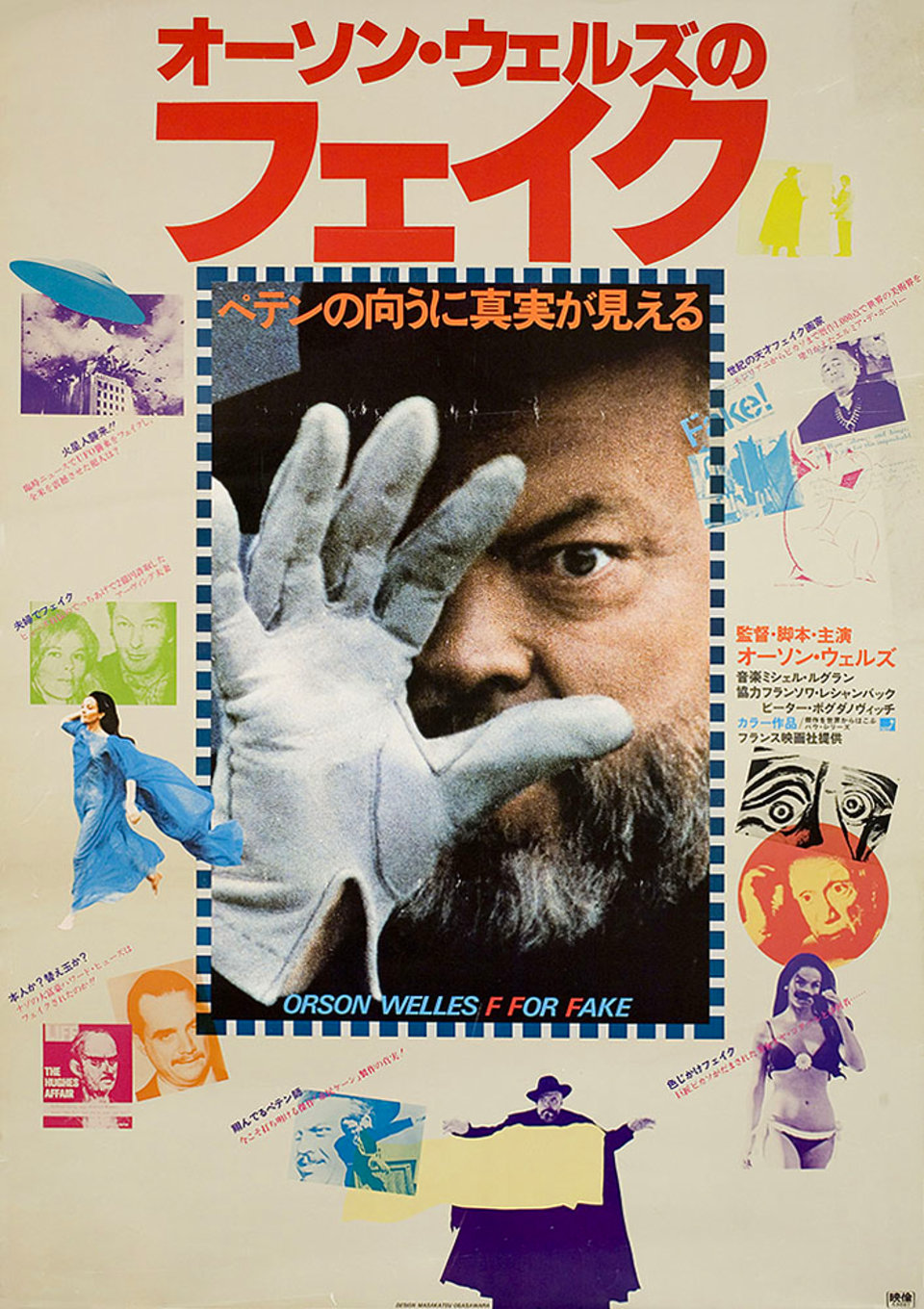
I like to think that Welles appre­ci­at­ed this method of doc­u­men­tary con­struc­tion, which com­bines an over­all adher­ence to fact with occa­sion­al visu­al depar­tures from it — though the pro­duc­tion tight­ly inte­grates the “fic­tion­al” footage with the “fac­tu­al” footage, and the for­mer has in many cas­es shaped our col­lec­tive men­tal image of the Russ­ian Rev­o­lu­tion more than the lat­ter has. He would step deep into this are­na him­self less than a decade lat­er with F for Fake, his final, sui gener­is piece of film­mak­ing osten­si­bly about art forgery but real­ly, in both its form and sub­stance, about the line between the true and the false.

Watch­ing Ten Days That Shook the World here almost a half-cen­tu­ry into 1967’s future — itself a half-cen­tu­ry into 1917’s future — makes it impos­si­ble not to think about the con­tin­u­um of his­to­ry, and the shift­ing ways in which we’ve told and retold the sto­ries of those who came before us all along it. “Who dare say where the road they began to trav­el in 1917 will final­ly lead them,” asks Orson Welles of the Rus­sians at the doc­u­men­tary’s end, “and us?” The ques­tion holds up today just as it did fifty years ago — or indeed a hun­dred.

Relat­ed Con­tent:

The Red Men­ace: A Strik­ing Gallery of Anti-Com­mu­nist Posters, Ads, Com­ic Books, Mag­a­zines & Films

War & Peace: An Epic of Sovi­et Cin­e­ma

F for Fake: Orson Welles’ Short Film & Trail­er That Was Nev­er Released in Amer­i­ca

Based in Seoul, Col­in Mar­shall writes and broad­casts on cities, lan­guage, and style. He’s at work on a book about Los Ange­les, A Los Ange­les Primer, the video series The City in Cin­e­ma, the crowd­fund­ed jour­nal­ism project Where Is the City of the Future?, and the Los Ange­les Review of Books’ Korea Blog. Fol­low him on Twit­ter at @colinmarshall or on Face­book.

Take a Free Course on Filmmaking Featuring Brian Tufano (Trainspotting), Mike Figgis (Leaving Las Vegas) & Other Award-Winning Filmmakers

filmmaker course

The UK’s Nation­al Film and Tele­vi­sion School (NFTS) has part­nered with the British Film Insti­tute (BFI) to lift the lid on how to make great films, with a free 6 week course that starts today.

Taught by award-win­ning film­mak­ers from a range of spe­cial­ties, includ­ing Bri­an Tufano and Mike Fig­gis, it cov­ers every­thing from sto­ry­telling, to bud­get­ing, to under­stand­ing the impact of a sound­track.

Here, for instance, is Bri­an Tufano, the estab­lished cin­e­matog­ra­ph­er, talk­ing about film­ing the infa­mous toi­let scene in Trainspot­ting — turns out you can do a great deal using half a toi­let and the tech­nique trompe-l’œil (“fool the eye”).

As part of the course, you can also can also watch shorts from recent grad­u­ates of the NFTS (a few of which are already col­lect­ing awards) and get rec­om­mend­ed videos from the Baf­ta Guru col­lec­tion — a site ded­i­cat­ed to get­ting new blood into the indus­try.

The free course, Explore Film­mak­ing, is offered through Future­Learn and gives you the chance to trade opin­ions with thou­sands of oth­er film buffs online, plus get com­ments as the weeks go by from the film­mak­ers teach­ing the course.

Here’s the break­down of what the course cov­ers:

1 — Intro­duc­tion: how does a film get from script to screen?

Nik Pow­ell, direc­tor of the NFTS and pro­duc­er of more than 40 films, includ­ing The Cry­ing Game, Mona Lisa and Com­pa­ny of Wolves.

2 — Sto­ry­telling: what’s the dif­fer­ence between plot and theme?

Des­tiny Ekhara­ga, direc­tor of Gone Too Far.

3 — Deci­sions: how to choose bud­get, sched­ule, loca­tion and kit?

Mike Fig­gis, direc­tor of Leav­ing Las Vegas, Time­Code and Inter­nal Affairs.

4 — The scene: how does a direc­tor make choic­es on set?

Corin Hardy, direc­tor of The Hal­low, recent­ly announced direc­tor of a re-make of The Crow, and direc­tor of music videos for artists such as The Prodi­gy, Olly Murrs and Devlin.

5 — Time and space: how does edit­ing affect mean­ing?

Jus­tine Wright, edi­tor of Touch­ing the Void, The Iron Lady and Locke.

6 — Sound and music: what is the impact of a film’s sound­track?

Dan­ny Ham­brook, sound design­er of Curse of the Were-Rab­bit and Le Week­end, pro­duc­tion sound mix­er on Rush.

In short — there will be no more excus­es for wrong­ly ori­en­tat­ed iPhone videos. Oh and please don’t for­get to namecheck Open Cul­ture and Future­Learn in your Oscar accep­tance speech.

You can join the course for free today.

Jess Weeks is a copy­writer at Future­Learn. Along with the rest of the Future­Learn team, she’s based in the British Library in Lon­don. Yes, it is occa­sion­al­ly like Har­ry Pot­ter.

27 Movies References in The Simpsons Put Side-by-Side with the Movie Scenes They Paid Tribute To

If an entire gen­er­a­tion of Amer­i­can adults suf­fers from Cin­e­mat­ic Chick­en Vs. Egg Syn­drome, it’s The Simp­sons’ fault.

Edi­tor Celia Gómez’ side-by-side shot com­par­i­son above makes plain how a 30-year-old Cit­i­zen Kane vir­gin could expe­ri­ence a sense of deja vu on his or her inau­gur­al view­ing. The Simp­sons pulled from it for “Two Cars in Every Garage and Three Eyes on Every Fish” when said view­er was but a lit­tle tot. Three years lat­er, they did it again wit 1993’s “Rose­bud.”

Par­ents who would nev­er have allowed their sen­si­tive lit­tle dar­lings in the room while screen­ing Full Met­al Jack­et or Requiem for a Dream relaxed their vig­i­lance where the fam­i­ly from Spring­field was con­cerned.

When The Simp­sons’ kilt­ed Groundskeep­er Willie chaste­ly recross­es his legs in an inter­ro­ga­tion room, no kid is going to fix­ate on what lies beneath. (FYI, it’s a noto­ri­ous­ly com­man­do Sharon Stone in 1992’s NSFW thriller, Basic Instinct.)

What makes these homages so great is the atten­tion to detail. Be it Itchy and Scratchy or Michael Mad­sen and Kirk Baltz as his cop vic­tim in Reser­voir Dogs, count on the cam­era to drift to an emp­ty door­way when the action gets too intense.

Spoil­ers abound. Those who’ve not yet seen Thel­ma and Louise, Psy­cho, or One Flew Over the Cuckoo’s Nest can con­sid­er them­selves fore­warned.

Want a crash course in The God­fa­ther? Watch the Simp­sons.

No offense to the human actors who orig­i­nat­ed the roles, but it’s incred­i­ble how the ani­ma­tors can imbue their char­ac­ters with all the rel­e­vant emo­tions. Their eyes are lit­tle more than dots on ping­pong balls! (Check out Homer’s dead expres­sion on 1994’s Ter­mi­na­tor 2  par­o­dy, “Homer Loves Flan­ders.”)

The com­plete list of films fea­tured above:

Bram Stok­er’s Drac­u­la (1992)

A Clock­work Orange (1971)

Pulp Fic­tion (1994)

Requiem for a dream (2000)

The Gold Rush (1925)

Full Met­al Jack­et (1987)

The Fugi­tive (1993)

Ter­mi­na­tor 2 (1991)

Reser­voir Dogs (1992)

The Birds (1963)

Risky Busi­ness (1983)

Cit­i­zen Kane (1941)

Psy­cho (1960)

The silence of the lambs (1991)

Raiders of the Lost Ark (1981)

Basic Instinct (1992)

Offi­cial and Gen­tle­man (1982)

One flew over the cuck­oo’s nest (1975)

2001: A space Odis­sey (1968)

Trainspot­ting (1996)

Thel­ma and Louise (1991)

The God­fa­ther (1972)

Taxi Dri­ver (1976)

The Shin­ing (1980)

Spi­der­man (2002)

ET the Extra-Ter­res­tri­al (1982)

Dr. Strange Love (1964)

Relat­ed Con­tent:

The Simp­sons Present Edgar Allan Poe’s “The Raven,” and Teach­ers Now Use It to Teach Kids the Joys of Lit­er­a­ture

The Simp­sons Pay Won­der­ful Trib­ute to the Ani­me of Hayao Miyaza­ki

Thomas Pyn­chon Edits His Lines on The Simp­sons: “Homer is my role mod­el and I can’t speak ill of him.”

Ayun Hal­l­i­day is an author, illus­tra­tor, and Chief Pri­ma­tol­o­gist of the East Vil­lage Inky zine. Fol­low her @AyunHalliday

A Tour of Stanley Kubrick’s Prized Lens Collection

One of the many rea­sons Stan­ley Kubrick was such a for­mi­da­ble film­mak­er was that he came to cin­e­ma after many years as a pho­tog­ra­ph­er for pub­li­ca­tions like Look mag­a­zine. Not only did that give him the kind of eye that knew how to tell (and sell) visu­al­ly and with max­i­mum effi­cien­cy, it meant that he real­ly knew his cam­era and by exten­sion his lens­es. He knew what each lens could do, its strengths and weak­ness­es, and–as in those days, all were hand-ground–their indi­vid­ual per­son­al­i­ties.

Very few direc­tors keep up with cam­era tech–that’s usu­al­ly the job of the cinematographer–but Kubrick did. Although he was­n’t the first direc­tor to use Steadicam, he was the first (on The Shin­ing) to get the rig mod­i­fied so it could coast close to the ground.

In this video, Joe Dun­ton, who owned one of the major cam­era rental facil­i­ties in Lon­don and worked very close­ly with Kubrick, takes us on a tour of Kubrick’s lens col­lec­tion. For those who went to the trav­el­ing Kubrick exhib­it two to three years ago, a selec­tion of these were on dis­play, and Dunton’s inter­view seems to have been part of a sim­i­lar show in Frank­furt.

Kubrick was a tin­ker­er, and many of the lens­es here he mod­i­fied him­self, com­bin­ing bod­ies, or chang­ing a still cam­era lens so that it could mount onto his favorite film cam­era, the Arri­flex IIc, a rel­a­tive­ly small hand­held movie cam­era that he often oper­at­ed him­self.

The direc­tor rarely rent­ed, pre­fer­ring to buy his own lens­es to keep. He was also a big fan of using nat­ur­al light when he could–further evi­dence of the influ­ence of his pho­to­jour­nal­ism career. Nat­ur­al light could be as dim as the flick­er of a can­dle, which led to the use of a Zeiss lens designed for NASA as a way of pho­tograph­ing space–Kubrick used it for the evening shots in Bar­ry Lyn­don in order to cap­ture can­dle­light.

Also shown, the high­ly cov­et­ed Ange­nieux 10-to‑1 zoom lens, and what would a Kubrick film be with­out those icon­ic slow zooms.

If there is an unsung hero in all this, it’s a man named George Hill, who was Kubrick’s go-to-guy when he need­ed a lens cre­at­ed. It was the only guy he trust­ed to clean his lens­es.

Relat­ed Con­tent:

Stan­ley Kubrick’s List of Top 10 Films (The First and Only List He Ever Cre­at­ed)

Stan­ley Kubrick’s Rare 1965 Inter­view with The New York­er

In 1968, Stan­ley Kubrick Makes Pre­dic­tions for 2001: Human­i­ty Will Con­quer Old Age, Watch 3D TV & Learn Ger­man in 20 Min­utes

Ted Mills is a free­lance writer on the arts who cur­rent­ly hosts the FunkZone Pod­cast. You can also fol­low him on Twit­ter at @tedmills, read his oth­er arts writ­ing at tedmills.com and/or watch his films here.

Kickstart Pakistan’s First Hand-Animated Feature Film, The Glassworker, Inspired by Hayao Miyazaki

Casu­al ani­ma­tion fans have a cer­tain men­tal map of where inter­est­ing ani­mat­ed films come from, whose high­light­ed places include, of course, Amer­i­ca and Japan, as well as the Sovi­et republics that pro­duced some tru­ly strange and won­der­ful stuff back in the day behind the Iron Cur­tain. But now, a 25-year-old ani­ma­tor named Usman Riaz aims to put his home­land on that map as well with The Glass­work­er, which, should he raise its bud­get on Kick­starter, will become Pak­istan’s very first whol­ly hand-ani­mat­ed fea­ture film.

“Over the past five years, Riaz became known for an impres­sive, self-taught style of play­ing music that land­ed him the TED stage, on NPR’s Tiny Desk Con­cert, and an affil­i­a­tion with EMI Pak­istan,” writes Beck­ett Muf­son at The Cre­ators Project. [We fea­tured him play­ing gui­tar here on OC 5 years ago. See the clip below.] “But rather than tum­bling down the rab­bit hole of a music career in Pak­istan, he’s embraced his oth­er love: ani­ma­tion.” Muf­son quotes Riaz as remem­ber­ing how, “when I was a child, I admired the way peo­ple made pic­tures move. I spent long hours watch­ing films by Stu­dio Ghi­b­li before I could ful­ly under­stand what their mes­sages were. And they helped me see the beau­ty in the mun­dane, and the tragedy in the beau­ti­ful.”

Watch The Glass­work­er’s teas­er at the top or its Kick­starter pro­mo video just above, and you’ll imme­di­ate­ly feel the influ­ence of Stu­dio Ghi­b­li, mak­ers of such already time­less movies as Nau­si­caä of the Val­ley of the WindMy Neigh­bor Totoro, and Spir­it­ed Away, and its mas­ter­mind Hayao Miyaza­ki. Their inspi­ra­tion man­i­fests not just in the look of the film’s art, but also in its warty com­ing-of-age sto­ry involv­ing a young boy, an appren­tice glass­work­er, a young girl, and a vio­lin­ist, and even in its music, which to Riaz has the utmost impor­tance to sto­ry­telling: “The music deter­mines the scenes for me,” he said in his Cre­ators Project inter­view. “If I have a par­tic­u­lar idea or score writ­ten down the visu­als come auto­mat­i­cal­ly.”

If all goes accord­ing to plan and The Glass­work­er rais­es its $50,000 bud­get on Kick­starter with­in the next 45 days, Mano Ani­ma­tion Stu­dios — which Riaz found­ed along with a group of ani­ma­tors, design­ers, and pro­duc­ers from not just Pak­istan, but the Unit­ed States, Britain, and Malaysia just for this project — will release the movie in four parts, the first of which should appear in May of next year. Now that Miyaza­ki has osten­si­bly ani­mat­ed his last film, his fans have kept their eyes open for a pos­si­ble suc­ces­sor, though as Riaz him­self insists, “Noth­ing can touch Ghi­b­li.” But in this day and age, why should­n’t that suc­ces­sor come from Pak­istan?

viaThe Cre­ators Project

Relat­ed Con­tent:

French Stu­dent Sets Inter­net on Fire with Ani­ma­tion Inspired by Moe­bius, Syd Mead & Hayao Miyaza­ki

The Simp­sons Pay Won­der­ful Trib­ute to the Ani­me of Hayao Miyaza­ki

Watch Hayao Miyaza­ki Ani­mate the Final Shot of His Final Fea­ture Film, The Wind Ris­es

The Gui­tar Prodi­gy from Karachi

Based in Seoul, Col­in Mar­shall writes and broad­casts on cities, lan­guage, and style. He’s at work on a book about Los Ange­les, A Los Ange­les Primer, the video series The City in Cin­e­ma, the crowd­fund­ed jour­nal­ism project Where Is the City of the Future?, and the Los Ange­les Review of Books’ Korea Blog. Fol­low him on Twit­ter at @colinmarshall or on Face­book.

Claymation Film Recreates Historic Chess Match Immortalized in Kubrick’s 2001: A Space Odyssey

Fans of Stan­ley Kubrick­’s 2001: A Space Odyssey will remem­ber the scene: On a long jour­ney through space, astro­naut Frank Poole plays a casu­al game of chess with the HAL 9000 super­com­put­er … and los­es deci­sive­ly. No doubt about it. Watch it down below.

Pas­sion­ate about chess and noto­ri­ous­ly obsessed with detail, Kubrick based the scene on a chess match that took place in 1910, pit­ting the Ger­man chess­mas­ter Willi Schlage against a fel­low named A. Roesch. Whether Kubrick was per­son­al­ly famil­iar with the match, or sim­ply found it by perus­ing Irv­ing Chernev’s book The 1000 Best Short Games of Chess (p. 148), it’s not entire­ly clear. But what we do know is that Kubrick­’s scene immor­tal­ized the Schlage — Roesch match played all of those years ago. And it inspired ani­ma­tor Ric­car­do Cro­cetta to recre­ate that 1910 match in the fine clay­ma­tion above. The notes accom­pa­ny­ing Cro­cetta’s film on YouTube record all of the orig­i­nal moves. Appar­ent­ly the ones fea­tured in 2001 come after black­’s 13th move.

Game: 1. e4 e5 2. Nf3 Nc6 3. Bb5 a6 4. Ba4 Nf6 5. Qe2 b5 6. Bb3 Be7 7. c3 O‑O 8. O‑O d5 9. exd5 Nxd5 10. Nxe5 Nf4 11. Qe4 Nxe5 12. Qxa8 Qd3 13. Bd1 Bh3 14. Qxa6 Bxg2 15. Re1 Qf3 16. Bxf3 Nxf3#

Relat­ed Con­tent:

The Wis­dom & Advice of Mau­rice Ash­ley, the First African-Amer­i­can Chess Grand­mas­ter

Vladimir Nabokov’s Hand-Drawn Sketch­es of Mind-Bend­ing Chess Prob­lems

Watch Bill Gates Lose a Chess Match in 79 Sec­onds to the New World Chess Cham­pi­on Mag­nus Carlsen

Mar­cel Duchamp, Chess Enthu­si­ast, Cre­at­ed an Art Deco Chess Set That’s Now Avail­able via 3D Print­er

by | Permalink | Make a Comment ( 2 ) |

Priceless 145-Year-Old Martin Guitar Accidentally Gets Smashed to Smithereens in Tarantino’s The Hateful Eight

Quentin Taran­ti­no has always had a way of get­ting on the wrong side of var­i­ous groups. Most recent­ly he angered the gui­tar-heads of the world when, to their shock and dis­may, it came out that, under the auteur’s watch on the set of his lat­est pic­ture, the post-Civ­il War inten­si­fied West­ern The Hate­ful Eight, a price­less 145-year-old six-string met its bru­tal end. “In the scene in ques­tion,” writes Van­i­ty Fair’s Rachel Han­dler, Kurt Rus­sell, “as boun­ty hunter John ‘The Hang­man’ Ruth, snatch­es the gui­tar from the hands of Jen­nifer Jason Leigh’s Daisy Domer­gue and hurls it against the wall, as one does.” That gui­tar — “an invalu­able his­tor­i­cal arti­fact,” Han­dler explains — came on loan from Pennsylvania’s Mar­tin Gui­tar Muse­um (and its like­ly irked direc­tor Dick Boak).

Even if you don’t play the gui­tar your­self, you’ve prob­a­bly heard of the Mar­tin brand name. Estab­lished in 1833 in New York as the cab­i­net-mak­ing C.F. Mar­tin & Com­pa­ny, they went on to intro­duce some of the inno­va­tions that have come to define the acoustic gui­tar as we know it today, from X‑bracing in the 1850s to met­al strings, replac­ing tra­di­tion­al catgut, in the ear­ly 1900s. The ill-fat­ed spec­i­men lost to the hands of Kurt Rus­sell — who, accord­ing to the pro­duc­tion’s offi­cial sto­ry, nev­er got the memo about cut­ting and swap­ping out a repli­ca before the smash — which the Mar­tin Gui­tar Muse­um orig­i­nal­ly acquired (and insured) for about $40,000, came out of the Mar­tin work­shop in the 1870s.

Nat­u­ral­ly, the far­ther back you go in gui­tar-mak­ing his­to­ry, the few­er gui­tars made at the time still exist. You can still go out and buy a ser­vice­able gui­tar from the end of the 19th cen­tu­ry with­out com­plete­ly wip­ing out your sav­ings, but you’d be hard pressed to find a Mar­tin made a few decades ear­li­er — such as the one smashed in The Hate­ful Eight — at any price at all; less than ten may exist any­where. But Mar­t­in’s sol­id stan­dard of crafts­man­ship ensured that their instru­ment would hold up over the 140 or so years until a film­mak­er want­ed to use it as a prop in his peri­od piece, where it still, aes­thet­i­cal­ly as well as son­i­cal­ly, fit right in. Still, no gui­tar could hold up against the vicious­ness of a char­ac­ter like The Hang­man as envi­sioned by Taran­ti­no — nor against the ded­i­ca­tion of a direc­tor like Taran­ti­no who, always in search of a per­fect­ly vis­cer­al moment, sim­ply can’t bear to cut.

Well, at least he was­n’t using the last playable Stradi­var­ius gui­tar in the world. The Mar­tin Muse­um retained the pres­ence of mind to ask for their gui­tar’s pieces back, and though they could­n’t put the his­tor­i­cal instru­ment back togeth­er again, maybe they’ll find a place to dis­play the frag­ments them­selves. That way, both gui­tar-heads and cinephiles could pay their respects.

via Geek.com

Relat­ed Con­tent:

Musi­cian Plays the Last Stradi­var­ius Gui­tar in the World, the “Sabionari” Made in 1679

Dave Grohl Shows How He Plays the Gui­tar As If It Were a Drum Kit

How Fend­er Gui­tars Are Made, Then (1959) and Nowa­days (2012)

The Sto­ry of the Gui­tar: The Com­plete Three-Part Doc­u­men­tary

The Real Val­ue of a Gui­tar

Eric Clap­ton Tries Out Gui­tars at Home and Talks About the Bea­t­les, Cream, and His Musi­cal Roots

Gui­tar Sto­ries: Mark Knopfler on the Six Gui­tars That Shaped His Career

Bri­an May’s Home­made Gui­tar, Made From Old Tables, Bike and Motor­cy­cle Parts & More

Based in Seoul, Col­in Mar­shall writes and broad­casts on cities and cul­ture. He’s at work on a book about Los Ange­les, A Los Ange­les Primer, the video series The City in Cin­e­ma, the crowd­fund­ed jour­nal­ism project Where Is the City of the Future?, and the Los Ange­les Review of Books’ Korea Blog. Fol­low him on Twit­ter at @colinmarshall or on Face­book.

How Stanley Kubrick Became Stanley Kubrick: A Short Documentary Narrated by the Filmmaker

Stan­ley Kubrick, the direc­tor of such beloved films as Dr. Strangelove2001: A Space Odyssey, and The Shin­ing, a man whose name remains, more than fif­teen years after his death, almost a byword for the cin­e­mat­ic auteur, got into film­mak­ing because of a mis­un­der­stand­ing. While work­ing as a pho­to­jour­nal­ist in his ear­ly twen­ties, he befriend­ed an even younger fel­low named Alex Singer, who would go on to become a well-known direc­tor of film and tele­vi­sion him­self, but back then he held a low­ly posi­tion in the office of The March of Time news­reels. Singer hap­pened to men­tion that each news­reel cost the com­pa­ny some­thing like $40,000 to pro­duce, which got Kubrick research­ing the price of film and cam­era rentals, then think­ing: could­n’t I make a doc­u­men­tary of my own for less?

Indeed; he and Singer put togeth­er $1,500 and col­lab­o­rat­ed on the box­ing short-sub­ject Day of the Fight, which played in the­aters in 1951. But it did­n’t turn a prof­it, since no dis­tri­b­u­tion com­pa­ny offered the $40,000 he expect­ed — nor had they ever offered The March of Time, whose news­reel busi­ness went under before long, enough to cov­er their own exor­bi­tant costs. So Kubrick did­n’t make mon­ey on his first film, but he did make a career, going on to do two more doc­u­men­taries, then the low-bud­get fea­tures Fear and DesireKiller’s Kiss, and The Killing. Then came the crit­i­cal­ly acclaimed Paths of Glo­ry star­ring Kirk Dou­glas, which even­tu­al­ly brought about an offer to Kubrick from the icon­ic actor to take the direc­to­r­i­al reins on Spar­ta­cus. Next came Loli­taDr. Strangelove2001, and the rest is cin­e­ma his­to­ry.

Of course, Kubrick did­n’t know the full extent of the cin­e­ma his­to­ry he would make back in 1966, on the set of 2001, when he sat down with physi­cist-writer Jere­my Bern­stein, doing research for a New York­er pro­file. The film­mak­er brought out one of his tape recorders (devices he adopt­ed ear­ly and used to write scripts) and record­ed 77 min­utes of his and Bern­stein’s con­ver­sa­tions, almost a half hour of which Jim Casey uses as the nar­ra­tion of the short doc­u­men­tary Stan­ley Kubrick: The Lost Tapes. Only recent­ly redis­cov­ered, these record­ings fea­ture Kubrick­’s first-hand sto­ries of grow­ing up indif­fer­ent to all things aca­d­e­m­ic and lit­er­ary, hon­ing his “gen­er­al prob­lem-solv­ing method” as a pho­tog­ra­ph­er, get­ting into movies as a result of the afore­men­tioned mis­con­cep­tion, and build­ing the career that film fans and schol­ars scru­ti­nize to this day. It does make you won­der: what glo­ri­ous work have we missed the chance to cre­ate because we ran the num­bers a lit­tle too rig­or­ous­ly?

via Devour

Relat­ed Con­tent:

Dis­cov­er the Life & Work of Stan­ley Kubrick in a Sweep­ing Three-Hour Video Essay

1966 Film Explores the Mak­ing of Kubrick’s 2001: A Space Odyssey (and Our High-Tech Future)

What’s the Dif­fer­ence Between Stan­ley Kubrick’s & Arthur C. Clarke’s 2001: A Space Odyssey (A Side-by-Side Com­par­i­son)

The Let­ter Between Stan­ley Kubrick & Arthur C. Clarke That Sparked the Great­est Sci-Fi Film Ever Made (1964)

Inside Dr. Strangelove: Doc­u­men­tary Reveals How a Cold War Sto­ry Became a Kubrick Clas­sic

Vladimir Nabokov’s Script for Stan­ley Kubrick’s Loli­ta: See Pages from His Orig­i­nal Draft

Fear and Desire: Stan­ley Kubrick’s First and Least-Seen Fea­ture Film (1953)

Killer’s Kiss: Where Stan­ley Kubrick’s Film­mak­ing Career Real­ly Begins

Lost Kubrick: A Short Doc­u­men­tary on Stan­ley Kubrick’s Unfin­ished Films

Stan­ley Kubrick’s Daugh­ter Shares Pho­tos of Her­self Grow­ing Up on Her Father’s Film Sets

Stan­ley Kubrick’s Jazz Pho­tog­ra­phy and The Film He Almost Made About Jazz Under Nazi Rule

Stan­ley Kubrick’s Rare 1965 Inter­view with the New York­er

Based in Seoul, Col­in Mar­shall writes and broad­casts on cities and cul­ture. He’s at work on a book about Los Ange­les, A Los Ange­les Primer, the video series The City in Cin­e­ma, the crowd­fund­ed jour­nal­ism project Where Is the City of the Future?, and the Los Ange­les Review of Books’ Korea Blog. Fol­low him on Twit­ter at @colinmarshall or on Face­book.

« Go BackMore in this category... »
Quantcast