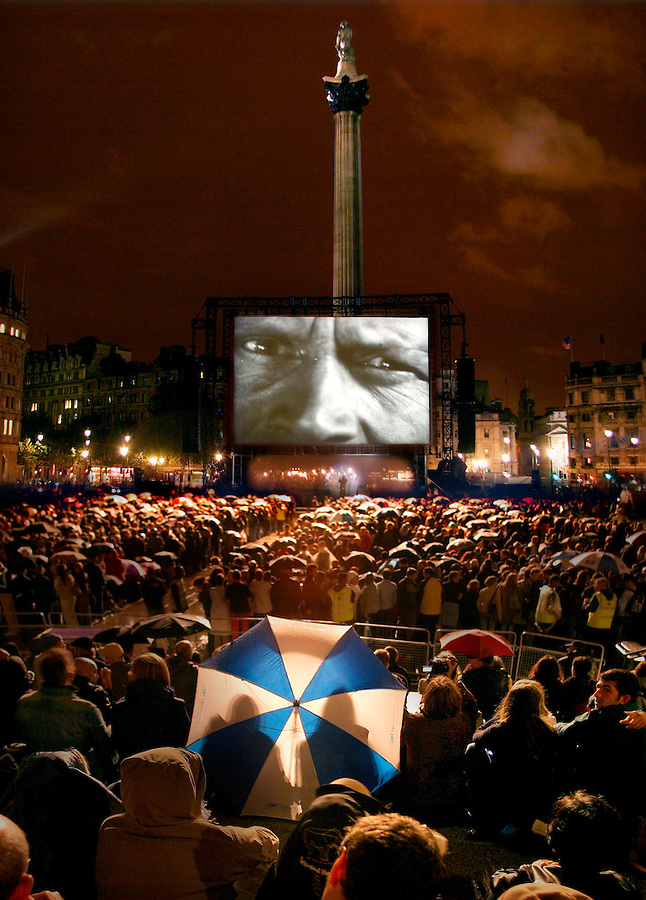
Lou Reed Rewrites Edgar Allan Poe’s “The Raven.” See Readings by Reed and Willem Dafoe

Yes, Hal­loween is behind us, and some peo­ple may desire a break from the Lou Reed trib­utes in order to mourn him silent­ly. Fair enough. But indulge us once more, because Reed’s best music and the dark imag­i­na­tive work of Edgar Allan Poe are always rel­e­vant, and when they come togeth­er, it’s rea­son to cel­e­brate. And come togeth­er they did ten years ago with the record­ing of Reed’s con­cept album The Raven, a selec­tion of musi­cal and dra­mat­ic pieces put togeth­er by Reed. The album notably fea­tures actors such as Willem Dafoe, Steve Busce­mi, Eliz­a­beth Ash­ley, and Aman­da Plum­mer and guest artists like David Bowie, Kate and Anna McGar­rigle, and Ornette Cole­man.

The col­lab­o­ra­tion, if you can call it such, between Reed and Poe makes per­fect sense. As Mark Dem­ing at All­mu­sic writes, “it’s no won­der why Lou Reed regards Poe as a kin­dred spir­it.” Reed said as much in the lin­er notes: “I have reread and rewrit­ten Poe to ask the same ques­tions again. Who am I? Why am I drawn to do what I should not? … Why do we love what we can­not have? Why do we have a pas­sion for exact­ly the wrong thing?” Despite its col­lec­tion of seem­ing­ly mis­matched parts, Reed’s The Raven worked, Dem­ing writes, and Reed hadn’t “sound­ed this com­mit­ted and engaged” in “over a decade” (Pitch­fork had a decid­ed­ly dif­fer­ent take on the album).

The Raven was orig­i­nal­ly a com­mis­sioned work for a stage pro­duc­tion called POEt­ry, an adap­ta­tion of Poe’s work by Robert Wil­son (who had pre­vi­ous­ly worked with Tom Waits on The Black Rid­er). The title record­ing of Reed’s adapt­ed “The Raven” (top) is actu­al­ly read by a creepy-voiced Willem Dafoe. Ten years lat­er, we have Reed him­self read­ing his ver­sion of “The Raven” (above) at Cannes just this past June. He looks and sounds rather frail, but he’s men­tal­ly in top form. He breaks into his own read­ing to point out the fact that his ver­sion of the poem uses Poe’s “exact rhythm.” “If you don’t believe me,” he says, “you can check it line-by-line.” And so you can. Read Reed’s “The Raven” against Poe’s orig­i­nal. Of his mod­ern­iza­tion, Reed said:

The lan­guage is dif­fi­cult, because there are a lot of arcane words that prob­a­bly no one knew that they meant, even at the time – archi­tec­tur­al terms and what­not. So I spent a lot of time with the dic­tio­nary, to make it more con­tem­po­rary, easy to read. Or eas­i­er, I should say.

The Reed/Poe/Robert Wil­son col­lab­o­ra­tion also pro­duced a 2011 book, also called The Raven and illus­trat­ed by artist Loren­zo Mat­tot­ti.

Relat­ed Con­tent:

Christo­pher Walken, Iggy Pop, Deb­bie Har­ry & Oth­er Celebs Read Tales by Edgar Allan Poe

Lou Reed — Vel­vet Under­ground Front­man, Influ­en­tial Solo Musi­cian — Dead at 71

Watch Red Shirley, Lou Reed’s Short Doc­u­men­tary on His Fas­ci­nat­ing 100-Year-Old Cousin (2010)

Nico, Lou Reed & John Cale Sing the Clas­sic Vel­vet Under­ground Song ‘Femme Fatale’ (Paris, 1972)

Josh Jones is a writer and musi­cian based in Durham, NC. Fol­low him at @jdmagness

Watch Goethe’s Haunting Poem, “Der Erlkönig,” Presented in an Artful Sand Animation

Back in col­lege, I took a fall-quar­ter intro­duc­to­ry music course. We hap­pened to have class on Hal­loween (an event quite seri­ous­ly tak­en around the Uni­ver­si­ty of Cal­i­for­nia, San­ta Bar­bara, in case you did­n’t know), and the pro­fes­sor held an espe­cial­ly mem­o­rable lec­ture that day. He had us study “Der Erlkönig,” music by Franz Schu­bert, words by none oth­er than Johann Wolf­gang von Goethe. While I will not claim that this tale of the haunt­ing of a mori­bund child, even with its dri­ving score, gen­uine­ly fright­ened me, I will say that it put the fear into me in a more exis­ten­tial way, a blow which only a sim­ple sto­ry can land effec­tive­ly.

“Who rides, so late, through night and wind?” asks Goethe’s poem, trans­lat­ed from the Ger­man. “It is the father with his child. He has the boy well in his arm. He holds him safe­ly, he keeps him warm.” The man feels con­cern for his ail­ing son, but the boy has trou­bles of his own: “Father, do you not see the Erlk­ing?” The father explains his son’s vision of this men­ac­ing­ly regal fig­ure away as the fog, as the wind, as the trees. But the child insists: “My father, my father, he’s grab­bing me now! The Erlk­ing has done me harm!” By the time their horse reach­es home, indeed, the Erlk­ing — or some obscure agent of mor­tal­i­ty — has him. Hear this fable sung, and watch it vivid­ly ani­mat­ed with sand on glass (no doubt a painstak­ing process) by Ben Zelkow­icz above. Hal­loween itself may have just passed, but “Der Erlkönig” remains time­less­ly haunt­ing.

We’ll add “Der Erlkönig” to the Ani­ma­tion sec­tion of our col­lec­tion of Free Movies Online.

via NFB

Relat­ed Con­tent:

The Tale of the Fox: Watch Ladis­las Starevich’s Ani­ma­tion of Goethe’s Great Ger­man Folk­tale (1937)

Goethe’s The­o­ry of Col­ors: The 1810 Trea­tise That Inspired Kandin­sky and Ear­ly Abstract Paint­ing

World War II Reliv­ed through Sand Paint­ing

Col­in Mar­shall hosts and pro­duces Note­book on Cities and Cul­ture and writes essays on lit­er­a­ture, film, cities, Asia, and aes­thet­ics. He’s at work on a book about Los Ange­lesA Los Ange­les Primer. Fol­low him on Twit­ter at @colinmarshall.

Watch Rare Film of Richard Pryor Singing the Blues: No Joke, All Heart

With the pos­si­ble excep­tion of Bey­once as Etta James in Cadil­lac Records, no onscreen por­tray­al of a female jazz singer tops Diana Ross as Bil­lie Hol­i­day in Lady Sings the Blues. She is so mes­mer­iz­ing, in fact, that it’s easy to for­get, if you haven’t seen the movie recent­ly, that Ross is flanked by two oth­er excel­lent per­form­ers in Bil­ly Dee Williams as Louis McK­ay, a com­pos­ite stand-in for Holiday’s three hus­bands, and Richard Pry­or as the “Piano Man,” Ross’s accom­pa­nist. It was a role that “pro­pelled him into star­dom” and kept Pry­or out in front of an audi­ence as a movie actor. Watch a clip from the film below, with Ross’s Hol­i­day and Pry­or’s surly Piano Man togeth­er at 3:39.

Odd as it seems that a dra­mat­ic role would be Pryor’s break­out per­for­mance, unex­pect­ed still per­haps is the video at the top of Pry­or singing the blues him­self. None of his raunchy or self-dep­re­cat­ing wit here, just a gen­uine, heart­felt ren­di­tion of Jim­my Cox’s 1924 “Nobody Knows You When You’re Down and Out.” Accord­ing to eOne Music’s Eric Alper, Pry­or not only start­ed per­form­ing com­e­dy after he moved to New York City in 1963, he also sang, open­ing for such soon-to-be-greats as Nina Simone and Bob Dylan. Pry­or in fact got his start on the club cir­cuit as a drum­mer, so “he was famil­iar with the scene.” Movies.com recounts a poignant sto­ry from Simone’s auto­bi­og­ra­phy about Pryor’s intense stage fright before one of these ear­ly gigs:

He shook like he had malar­ia, he was so ner­vous. I couldn’t bear to watch him shiv­er so I put my arms around him there in the dark and rocked him like a baby until he calmed down. The next night was the same, and the next, and I rocked him each time.

As a singer, Pry­or doesn’t chan­nel and focus his anx­i­ety so much as he slow­ly mas­ters it, appear­ing a lit­tle stiff at first but even­tu­al­ly knock­ing it out with a sur­pris­ing­ly good per­for­mance that well deserves a lis­ten. The prove­nance of the clip isn’t exact­ly clear, and some intro mate­r­i­al marks it as part of a doc­u­men­tary, maybe. Please weigh in if you know or sus­pect the film clip’s source.

Relat­ed Con­tent:

Richard Pry­or Does Ear­ly Stand-Up Com­e­dy Rou­tine in New York, 1964

Nina Simone Per­forms Six Songs in 1968 TV Spe­cial, The Sound of Soul

Hear Zora Neale Hurston Sing the Bawdy Prison Blues Song “Uncle Bud” (1940)

Watch the Only Known Footage of the Leg­endary Blues­man Lead Bel­ly (1935 and 1945)

Josh Jones is a writer and musi­cian based in Durham, NC. Fol­low him at @jdmagness

What Ancient Greek Music Sounded Like: Hear a Reconstruction That is ‘100% Accurate’

1what_greek_music_sounded_like

Between 750 BC and 400 BC, the Ancient Greeks com­posed songs meant to be accom­pa­nied by the lyre, reed-pipes, and var­i­ous per­cus­sion instru­ments. More than 2,000 years lat­er, mod­ern schol­ars have final­ly fig­ured out how to recon­struct and per­form these songs with (it’s claimed) 100% accu­ra­cy.

Writ­ing on the BBC web site, Armand D’An­gour,  a musi­cian and tutor in clas­sics at Oxford Uni­ver­si­ty, notes:

[Ancient Greek] instru­ments are known from descrip­tions, paint­ings and archae­o­log­i­cal remains, which allow us to estab­lish the tim­bres and range of pitch­es they pro­duced.

And now, new rev­e­la­tions about ancient Greek music have emerged from a few dozen ancient doc­u­ments inscribed with a vocal nota­tion devised around 450 BC, con­sist­ing of alpha­bet­ic let­ters and signs placed above the vow­els of the Greek words.

The Greeks had worked out the math­e­mat­i­cal ratios of musi­cal inter­vals — an octave is 2:1, a fifth 3:2, a fourth 4:3, and so on.

The nota­tion gives an accu­rate indi­ca­tion of rel­a­tive pitch.

So what did Greek music sound like? Below you can lis­ten to David Creese, a clas­si­cist from the Uni­ver­si­ty of New­cas­tle, play­ing “an ancient Greek song tak­en from stone inscrip­tions con­struct­ed on an eight-string ‘canon’ (a zither-like instru­ment) with mov­able bridges. “The tune is cred­it­ed to Seik­i­los,” says Archae­ol­o­gy Mag­a­zine.

For more infor­ma­tion on all of this, read D’An­gour’s arti­cle over at the BBC.

If you would like to sign up for Open Culture’s free email newslet­ter, please find it here. It’s a great way to see our new posts, all bun­dled in one email, each day.

If you would like to sup­port the mis­sion of Open Cul­ture, con­sid­er mak­ing a dona­tion to our site. It’s hard to rely 100% on ads, and your con­tri­bu­tions will help us con­tin­ue pro­vid­ing the best free cul­tur­al and edu­ca­tion­al mate­ri­als to learn­ers every­where. You can con­tribute through Pay­Pal, Patre­on, and Ven­mo (@openculture). Thanks!

Relat­ed Con­tent:

Hear Homer’s Ili­ad Read in the Orig­i­nal Ancient Greek

Hear The Epic of Gil­gamesh Read in the Orig­i­nal Akka­di­an, the Lan­guage of Mesopotamia

Mod­ern Artists Show How the Ancient Greeks & Romans Made Coins, Vas­es & Arti­sanal Glass

The His­to­ry of West­ern Archi­tec­ture: From Ancient Greece to Roco­co (A Free Online Course)

What Shake­speare Sound­ed Like to Shake­speare: Recon­struct­ing the Bard’s Orig­i­nal Pro­nun­ci­a­tion

by | Permalink | Make a Comment ( 89 ) |

Charlie Parker Plays with Jazz Greats Coleman Hawkins, Buddy Rich, Lester Young & Ella Fitzgerald (1950)

In a post ear­li­er this year, we show­cased one of the few known sound films of Char­lie Park­er per­form­ing live. Above, we have anoth­er very rare clip, from 1950, with Park­er, young upstart alto, trad­ing lines with vet­er­an tenor Cole­man Hawkins. Bud­dy Rich plays drums, and Hank Jones and Ray Brown play piano and bass.

Park­er looks char­ac­ter­is­ti­cal­ly cool between the dis­tin­guished poise of Hawkins and the boy­ish exu­ber­ance of nat­ur­al band­leader Bud­dy Rich who, in the sec­ond tune, exudes much goofy enthu­si­asm as he destroys the snare drum. This take may be hard bop at its hard­est, which makes Parker’s under­stat­ed con­test with Hawkins all the more vital, pro­pelled by some of the most fre­net­ic rhythms in jazz his­to­ry.

There is much more after the first two takes, as a voiceover seg­ment announces. The rhythm sec­tion gets a lit­tle time, then they’re joined by Bill Har­ris and Lester Young. And then, at 12:18, the already all-star cast gets round­ed out by a scat­ting Ella Fitzger­ald off stage left, leaned over Hank Jones’ piano. This is a hell of a fun per­for­mance to watch, whether you’re a stu­dent of bop, have a music-his­tor­i­cal bent, or just love see­ing live jazz at the top of its game.

Relat­ed Con­tent:

Char­lie Park­er Plays with Dizzy Gille­spie in Only Footage Cap­tur­ing the “Bird” in True Live Per­for­mance

Ella Fitzger­ald Sings ‘Sum­mer­time’ by George Gersh­win, Berlin 1968

Miles Davis Plays Music from Kind of Blue Live in 1959, Intro­duc­ing a Com­plete­ly New Style of Jazz

Josh Jones is a writer and musi­cian based in Durham, NC. Fol­low him at @jdmagness

In One of his Final Interviews, Frank Zappa Pronounces Himself “Totally Unrepentant”

In a year that marks some sig­nif­i­cant pop cul­ture 20th anniver­saries—Wired mag­a­zine, Nirvana’s In Utero, The X‑Files–one in par­tic­u­lar may get some­what less press. This com­ing Decem­ber will be twen­ty years since Frank Zap­pa died of prostate can­cer at age 52, after achiev­ing infamy, noto­ri­ety, and final­ly, actu­al, run-of-the-mill fame. The lat­ter he didn’t seem to cher­ish as much, and cer­tain­ly not dur­ing his sick­ness. Nev­er­the­less, Zap­pa sat for a Today Show inter­view, one of his last, and dis­cussed his cur­rent work and fail­ing health. A young chip­per Katie Couric gives Zap­pa an ambiva­lent intro as the “bizarre per­former with a pen­chant for las­civ­i­ous lyrics.” “What few know,” she goes on to say, “is that he’s also a seri­ous and respect­ed clas­si­cal com­pos­er.” Zappa’s bona fides as a “seri­ous” artist seem to grant him a pass, at least for a bit, from inter­view­er Jamie Gan­gel, who begins ask­ing about the suc­cess­ful per­for­mances of his work in Europe, where he “sells out con­cert halls.”

Zap­pa responds respect­ful­ly, but is obvi­ous­ly quite bored and in pain. He’s sub­dued, down­beat, guard­ed. Then the inevitable grilling begins. “How much do you think you did for the sound and how much for the humor?” asks Gan­gel. “Both,” answers Zap­pa, “The goal here is enter­tain­ment.” Zap­pa pro­nounces him­self “total­ly unre­pen­tant” for his life. In answer to the ques­tion “is there any­thing you’ve done that you felt sor­ry for?” he sim­ply says, “No.”

And why should he con­fess on nation­al tele­vi­sion? There are many more inter­est­ing things to dis­cuss, such as Zappa’s stand against Tip­per Gore’s Par­ents Music Resource Cen­ter (PMRC) dur­ing the leg­endary 1985 Sen­ate Hear­ings (along with Dee Snider and, of all peo­ple, John Den­ver). When the con­ver­sa­tion turns to that his­to­ry, Zap­pa learns a fun fact about Gore that gen­uine­ly catch­es him off-guard. The inter­view goes to some very sad places, and while Zap­pa hangs in there, it’s not par­tic­u­lar­ly enter­tain­ing to see him staunch­ly refuse to view his con­di­tion through Gan­gel’s lens­es. He clear­ly doesn’t see his ill­ness as the­ater and won’t play pen­i­tent or vic­tim.

A much more live­ly inter­view, by a much bet­ter informed inter­view­er, six months before Zap­pa’s death, is with Ben Wat­son for Mojo. In both of these moments, how­ev­er, Zap­pa insists on the only label he ever applied to him­self: he’s an enter­tain­er, noth­ing more. Whether tout­ed as a “clas­si­cal com­pos­er” (a phrase he doesn’t use) or thought of as an artist, Zap­pa to the very end dodged any hint of seri­ous moral inten­tions in his music, which per­haps makes him one of the most hon­est musi­cians in all of pop cul­ture his­to­ry. He saved the seri­ous inten­tions for an are­na much more in need of them. His PMRC hear­ing tes­ti­mo­ny con­tains an elo­quent state­ment of his ethos: “Bad facts make bad laws. And peo­ple who write bad laws are, in my opin­ion, more dan­ger­ous that song­writ­ers who cel­e­brate sex­u­al­i­ty.”

Relat­ed Con­tent:

A Young Frank Zap­pa Plays the Bicy­cle on The Steve Allen Show (1963)

Frank Zap­pa Debates Cen­sor­ship on CNN’s Cross­fire (1986)

Frank Zap­pa Reads NSFW Pas­sage From William Bur­roughs’ Naked Lunch (1978)

Josh Jones is a writer and musi­cian based in Durham, NC. Fol­low him at @jdmagness.

“What a Wonderful World,” Louis Armstrong’s Classic, Performed with Traditional Chinese Instruments

Sev­er­al years back, we fea­tured Mat­teo, a band from Salt Lake City, per­form­ing the Talk­ing Heads’ 1983 hit, “This Must Be the Place (Naive Melody).” And they were play­ing the Heads’ new wave, avant-garde music with tra­di­tion­al Chi­nese instru­ments.  Now they’re back with anoth­er clip. Above we have them per­form­ing “What a Won­der­ful World,” a song writ­ten by Bob Thiele and George David Weiss, and first record­ed and made famous by the great Louis Arm­strong in 1967. Watch a clas­sic per­for­mance below.

Last year, Mat­teo ran a Kick­starter cam­paign where they promised this to any backer who pledged more than $100: “Your choice of a song for MATTEO to cov­er (and we mean any song) which will then be ded­i­cat­ed and sung to you in a youtube video post­ed for the world to see…” Some­one named “Jen­nifer” kicked in her $100+. And, for Jen­nifer, they per­formed Arm­strong’s stan­dard. Hope you enjoy. And don’t miss some oth­er great instances of west-meets-east below.

Relat­ed Con­tent:

Talk­ing Heads’ “This Must Be the Place (Naive Melody)” Per­formed on Tra­di­tion­al Chi­nese Instru­ments

Watch Jimi Hendrix’s ‘Voodoo Chile’ Per­formed on a Gayageum, a Tra­di­tion­al Kore­an Instru­ment

Pak­istani Musi­cians Play Amaz­ing Ver­sion of Dave Brubeck’s Jazz Clas­sic, “Take Five”

A Mid­dle-East­ern Ver­sion of Radiohead’s 1997 Hit “Kar­ma Police”

by | Permalink | Make a Comment ( 2 ) |

Lou Reed — Velvet Underground Frontman, Influential Solo Musician — Dead at 71

Rolling Stone is report­ing that Lou Reed, whose music career began with The Vel­vet Under­ground in the 1960s, before becom­ing an influ­en­tial solo artist in the 70s, has died. He was 71 and had under­gone a liv­er trans­plant back in May. Whether that’s relat­ed to the cause of death remains unknown. We will fol­low up with a length­i­er reflec­tion on the life and times of Lou Reed. But, for now, we want to make you aware of this sad news and present some of our favorites clips of Reed and the VU. We start you off, above, with Reed singing a live funk ver­sion of “Sweet Jane,” a song first released on VU’s 1970 album, Loaded. It was per­formed in Paris in ’74, with Prakash John play­ing bass and Steve Hunter on gui­tar. To delve deep­er into Reed’s career, we sug­gest you watch the 1998 doc­u­men­tary, Rock and Roll Heart. It’s from PBS’s Amer­i­can Mas­ters series and runs 75 min­utes.

More Lou:

Hear New­ly-Released Mate­r­i­al from the Lost Acetate Ver­sion of The Vel­vet Under­ground & Nico (1966)

Warhol’s Screen Tests: Lou Reed, Den­nis Hop­per, Nico, and More

Hear 38 Ver­sions of “Sep­tem­ber Song,” from James Brown, Lou Reed, Sarah Vaugh­an and Oth­ers

Sell­ing Cool: Lou Reed’s Clas­sic Hon­da Scoot­er Com­mer­cial, 1984

Philip Glass & Lou Reed at Occu­py Lin­coln Cen­ter: An Art­ful View

by | Permalink | Make a Comment ( 4 ) |

« Go BackMore in this category... »
Quantcast