1200 Years of Women Composers: A Free 78-Hour Music Playlist That Takes You From Medieval Times to Now

kassia cropped 1

In mod­ern times, we don’t regard female musi­cians as in and of them­selves unusu­al. Our ros­ters of favorite rock­ers, pop-stars, solo singer-song­writ­ers, and what have you might well fea­ture as many women as men — or, depend­ing on the sub­genre, many more women than men. But those of us who lis­ten to a great deal of clas­si­cal music might feel a tad sheep­ish about how much more heav­i­ly male our playlists slant, at least in terms of the com­posers. For a vari­ety of his­tor­i­cal and cul­tur­al rea­sons, the clas­si­cal canon can feel like a man’s world indeed.

But it does­n’t have to! The Spo­ti­fy playlist above, “1200 Years of Women Com­posers: From Hilde­gard To Hig­don,” reveals that women start­ed shap­ing what we now know as clas­si­cal music far longer ago than most of us real­ize. (If you don’t have Spo­ti­fy’s free soft­ware, down­load it here.) The playlist, which con­tains over 900 pieces and will take you days to lis­ten to, begins in medieval times with the Byzan­tine abbess, poet, com­pos­er, and hymno­g­ra­ph­er Kas­sia (shown above) and ends with female com­posers from around the world not only liv­ing but (espe­cial­ly by the stan­dards of those who write orches­tral music) still young, like Mis­ato Mochizu­ki, Hele­na Tul­ve, and Lera Auer­bach.

This comes arranged by Spo­ti­fy Clas­si­cal Playlists, whose site describes how the playlist offers not just an anthol­o­gy of women com­posers, but also “a brief his­to­ry of west­ern clas­si­cal music. It’s real­ly fas­ci­nat­ing to hear music con­stant­ly rein­vent­ing itself from the mono­phon­ic and deeply spir­i­tu­al medieval chant of Hilde­gard [of Bin­gen] all the way into Hig­don’s lush and ultra-mod­ern per­cus­sion con­cer­to.” And before you begin this epic lis­ten, bear in mind the quote from Faust that appears there: “Das Ewig Weib­liche Zieht ins hinan” — “The eter­nal fem­i­nine leads us upwards.”

Relat­ed Con­tent:

Hear Sev­en Hours of Women Mak­ing Elec­tron­ic Music (1938- 2014)

Stream 58 Hours of Free Clas­si­cal Music Select­ed to Help You Study, Work, or Sim­ply Relax

Hear All of Mozart in a Free 127-Hour Playlist

Hear Clas­si­cal Music Com­posed by Friedrich Niet­zsche: 43 Orig­i­nal Tracks

Col­in Mar­shall writes else­where on cities, lan­guage, Asia, and men’s style. He’s at work on a book about Los Ange­les, A Los Ange­les Primer, the video series The City in Cin­e­maand the crowd­fund­ed jour­nal­ism project Where Is the City of the Future? Fol­low him on Twit­ter at @colinmarshall or on Face­book.

Bob Dylan Appears in Rare TV Ad: Watch IBM’s Super Computer Offer a Literary Analysis of His Songs

To my knowl­edge, Bob Dylan has only appeared in a hand­ful of TV com­mer­cials over the decades, includ­ing most notably a bizarre ad for Vic­to­ri­a’s Secret back in 2004. Now you can add anoth­er to the small list. Last night, IBM debuted a new ad with the icon­ic singer-song­writer. And this time around, Dylan isn’t ped­dling bras. Rather, it’s IBM’s cog­ni­tive sys­tem called “Wat­son,” which promis­es to ana­lyze data for cor­po­ra­tions in all kinds of inter­est­ing ways. Says IBM:

Humans cre­ate a stag­ger­ing amount of infor­ma­tion. Poet­ry, equa­tions, films, self­ies, diag­noses, dis­cov­er­ies. Data pours from our mobile devices, social net­works, from every dig­i­tized and con­nect­ed sys­tem we use. 80% of this data is vir­tu­al­ly invis­i­ble to computers—including near­ly all the infor­ma­tion cap­tured in lan­guage, sight and sound. Until now.

IBM Wat­son applies its cog­ni­tive tech­nolo­gies to help change how we approach and under­stand all of this infor­ma­tion. Every­thing that is dig­i­tal has the poten­tial to become cog­ni­tive, and, in a sense, be able to “think.”

Wat­son can bring cog­ni­tion to every­thing and every­one. To evolve in this data-dri­ven cul­ture, every busi­ness will need to become a cog­ni­tive busi­ness.

To demon­strate its ana­lyt­i­cal pow­ers, IBM asked Wat­son to ana­lyze Dylan’s lyrics, and it con­clud­ed that the major themes of Dylan’s songs are “time pass­es and love fades”. It’s a con­clu­sion, I’m sure, that nev­er dawned on casu­al or ardent fans of Dylan’s music.

Relat­ed Con­tent:

Bob Dylan’s Con­tro­ver­sial 2004 Victoria’s Secret Ad: His First & Last Appear­ance in a Com­mer­cial

“They Were There” — Errol Mor­ris Final­ly Directs a Film for IBM

Andy Warhol’s ‘Screen Test’ of Bob Dylan: A Clas­sic Meet­ing of Egos

Bob Dylan Reads From T.S. Eliot’s Great Mod­ernist Poem The Waste Land

Bob Dylan and The Grate­ful Dead Rehearse Togeth­er in Sum­mer 1987. Lis­ten to 74 Tracks.

by | Permalink | Make a Comment ( 5 ) |

Hear 150 Tracks Highlighting Brian Eno’s Career as a Musician, Composer & Producer & Stream His 2015 John Peel Lecture

How does “non-musi­cian” musi­cian, for­mer Roxy Music mem­ber, Talk­ing Heads, U2, and Cold­play pro­duc­er, and visu­al artist Bri­an Eno define art itself? “Every­thing that you don’t have to do.” He has expand­ed elo­quent­ly on that sim­ple but high­ly clar­i­fy­ing notion in speech and writ­ing many times over the past cou­ple of decades, and this past Sun­day he made it the intel­lec­tu­al cen­ter­piece of the fifth annu­al John Peel Lec­ture, a series named for the influ­en­tial BBC DJ and whose past speak­ers have includ­ed Pete Town­shend, Bil­ly Bragg, Char­lotte Church, and Iggy Pop.

You can hear Eno’s intro­duc­tion to his talk at the top of the post, stream the talk itself with­in the next 25 days at the BBC’s site, and read a tran­script here. All of the John Peel Lec­tur­ers so far have dis­cussed the rela­tion­ship between music and wider human cul­ture, and Eno has plen­ty of sto­ries to tell about his own career in both music and the wider cul­tur­al realm: the impor­tance of his time in art school, how he fell into per­form­ing with Roxy Music, how a relax­ation of the band’s “strict non-drug” pol­i­cy result­ed in one “hilar­i­ous­ly chaot­ic” per­for­mance, and how John Peel him­self pre­miered his first album with Robert Fripp on the radio — by acci­den­tal­ly play­ing it back­ward.

All this will inspire even the most Eno-famil­iar fan to revis­it the man’s cat­a­log of record­ed works, which you can eas­i­ly do with the Spo­ti­fy playlist “Touched by the Hand of Eno,” fea­tur­ing “150 tracks hand­picked from 150 albums/EPs/singles that cred­it Eno as com­pos­er, instru­men­tal­ist, vocal­ist, mix­ing engi­neer, or pro­duc­er, sort­ed in chrono­log­i­cal order.” (If you need to down­load Spo­ti­fy’s free soft­ware, you’ll find it here.) The playlist includes cuts from Eno’s own albums, of course, but also those of Roxy Music, Gen­e­sis, Ultra­vox, David Bowie, Talk­ing Heads, U2, Depeche Mode, Lau­rie Ander­son, Cold­play, and many more. And after you’ve vir­tu­al­ly flipped through these selec­tions from Eno’s body of work, you can watch Eno flip through phys­i­cal selec­tions from Peel’s library of records just above. Sure, you don’t have to do any of this — if any­one can explain to you why you should, Eno can.

Relat­ed Con­tent:

Jump Start Your Cre­ative Process with Bri­an Eno’s “Oblique Strate­gies”

Revis­it the Radio Ses­sions and Record Col­lec­tion of Ground­break­ing BBC DJ John Peel

Bri­an Eno Lists 20 Books for Rebuild­ing Civ­i­liza­tion & 59 Books For Build­ing Your Intel­lec­tu­al World

Lis­ten to “Bri­an Eno Day,” a 12-Hour Radio Show Spent With Eno & His Music (Record­ed in 1988)

When Bri­an Eno & Oth­er Artists Peed in Mar­cel Duchamp’s Famous Uri­nal

Prof. Iggy Pop Deliv­ers the BBC’s 2014 John Peel Lec­ture on “Free Music in a Cap­i­tal­ist Soci­ety”

Col­in Mar­shall writes else­where on cities, lan­guage, Asia, and men’s style. He’s at work on a book about Los Ange­les, A Los Ange­les Primer, the video series The City in Cin­e­maand the crowd­fund­ed jour­nal­ism project Where Is the City of the Future? Fol­low him on Twit­ter at @colinmarshall or on Face­book.

An Animated Tom Waits Talks About Laughing at Funerals & the Moles Under Stonehenge (1988)

Pop­u­lar music has a rich tra­di­tion of lit­er­ary song­writ­ers, including—to name but a few—Leonard Cohen, Bob Dylan, Pat­ti Smith, Kate Bush, and even Alan Par­sons, who released not one, but two con­cept albums based on the work of Edgar Allan Poe. And then there’s the inim­itable Tom Waits, who does­n’t just work in a lit­er­ary vein, but is a suc­ces­sion of pulpy char­ac­ters, each one with the abil­i­ty to light up a stage. Waits proved as much in 1988 when he toured his album Big Time, as alter-ego Frank O’Brien, a char­ac­ter he described as “a com­bi­na­tion of Will Rogers and Mark Twain, play­ing accordion—but with­out the wis­dom they pos­sessed.” The Big Time tour, writes Dan­ger­ous Minds, was “like enter­ing a sideshow tent in Tom Wait’s brain.”

In a review of the con­cert film of the same name, also released that year, the New York Times described Waits as a “gang of over­lap­ping per­sonas, a bunch of derelict philoso­pher-kings who rasp out roman­tic metaphors between wise­cracks,” inhab­it­ing “a seedy urban world of pawn­shops and tat­toos, of cig­a­rette butts and poly­ester and triple‑X movies.” It’s hard to know, lis­ten­ing to Waits in the inter­view above from the year of Big Time the album, tour, and film, how many of his per­son­ae emerge from the wood­shed and how many spring from griz­zled voic­es in that sideshow brain, which must sound like a cacoph­o­ny of old-time waltzes and scur­rilous rag­times; boozy big-band num­bers carous­ing in louche cabarets; pianos drunk­en­ly falling down stairs. Waits can tell sto­ries beau­ti­ful and ter­ri­ble, in talk­ing blues, bro­ken bal­lads, and sprechge­sang, rival­ing the best com­po­si­tions of the Delta, the beats, and sailors and hoboes.

Or he can tell stories—as he does above—about moles, build­ing under Stone­henge “the most elab­o­rate sys­tem of mole cat­a­combs,” being reward­ed for “hav­ing the courage to tun­nel under great rivers,” stag­ing exe­cu­tions. Then he shifts the scene to New York, and a Mer­cedes pulls up in a pud­dle of blood. “I think you just write,” says Waits, “and you don’t try to make sense of it. You just put it down the way you got it.” Waits gets it in vivid, sur­re­al­ist images, one bizarre and sor­did detail after anoth­er. To hear him speak is to hear him com­pose. You can read the tran­script of the short inter­view, record­ed in Lon­don by Chris Roberts, but the effect of Waits-the-per­former is entire­ly lost. Bet­ter to hear his cracked inflec­tion, his dri­est of com­ic tim­ing, and watch the excel­lent ani­ma­tion of PBS’s Blank on Blank team, who have pre­vi­ous­ly brought us amus­ing car­toon accom­pa­ni­ments for inter­views with B.B. King, Ray Charles, the Beast­ie Boys, and even Fidel Cas­tro. Tom Waits, I think, has giv­en them their best mate­r­i­al yet.

Relat­ed Con­tent:  

Tom Waits, Play­ing the Down-and-Out Barfly, Appears in Clas­sic 1978 TV Per­for­mance

Tom Waits Reads Two Charles Bukows­ki Poems, “The Laugh­ing Heart” and “Nir­vana”

Watch Tom Waits’ Clas­sic Appear­ance on Aus­tralian TV, 1979

Josh Jones is a writer and musi­cian based in Durham, NC. Fol­low him at @jdmagness

“A Glorious Hour”: Helen Keller Describes The Ecstasy of Feeling Beethoven’s Ninth Played on the Radio (1924)

Helen Keller

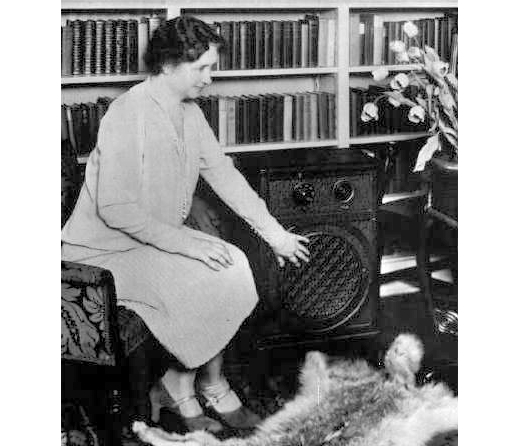
These days, if you like a piece of music, you might well say that you’re “feel­ing it” — or you might have said it a decade or two ago, any­way. But deaf music-lovers (who, as one may not imme­di­ate­ly assume, exist) do lit­er­al­ly that, feel­ing the actu­al vibra­tions of the sound with not their ears, but the rest of their bod­ies. Not only could the deaf and blind Helen Keller, a pio­neer in so many ways, enjoy music, she could do it over the radio and artic­u­late the expe­ri­ence vivid­ly. We know that thanks to a 1924 piece of cor­re­spon­dence post­ed at Let­ters of Note.

“On the evening of Feb­ru­ary 1st, 1924, the New York Sym­pho­ny Orches­tra played Beethoven’s Ninth Sym­pho­ny at Carnegie Hall in New York,” writes the site’s author Shaun Ush­er. “Thank­ful­ly for those who could­n’t attend, the per­for­mance was broad­cast live on the radio. A cou­ple of days lat­er, the orches­tra received a stun­ning let­ter of thanks from the unlike­li­est of sources: Helen Keller.” The first ecsta­t­ic para­graph of her mis­sive, which you can read whole at the orig­i­nal post, runs as fol­lows:

I have the joy of being able to tell you that, though deaf and blind, I spent a glo­ri­ous hour last night lis­ten­ing over the radio to Beethoven’s “Ninth Sym­pho­ny.” I do not mean to say that I “heard” the music in the sense that oth­er peo­ple heard it; and I do not know whether I can make you under­stand how it was pos­si­ble for me to derive plea­sure from the sym­pho­ny. It was a great sur­prise to myself. I had been read­ing in my mag­a­zine for the blind of the hap­pi­ness that the radio was bring­ing to the sight­less every­where. I was delight­ed to know that the blind had gained a new source of enjoy­ment; but I did not dream that I could have any part in their joy. Last night, when the fam­i­ly was lis­ten­ing to your won­der­ful ren­der­ing of the immor­tal sym­pho­ny some­one sug­gest­ed that I put my hand on the receiv­er and see if I could get any of the vibra­tions. He unscrewed the cap, and I light­ly touched the sen­si­tive diaphragm. What was my amaze­ment to dis­cov­er that I could feel, not only the vibra­tions, but also the impas­sioned rhythm, the throb and the urge of the music! The inter­twined and inter­min­gling vibra­tions from dif­fer­ent instru­ments enchant­ed me. I could actu­al­ly dis­tin­guish the cor­nets, the roll of the drums, deep-toned vio­las and vio­lins singing in exquis­ite uni­son. How the love­ly speech of the vio­lins flowed and plowed over the deep­est tones of the oth­er instru­ments! When the human voice leaped up trilling from the surge of har­mo­ny, I rec­og­nized them instant­ly as voic­es. I felt the cho­rus grow more exul­tant, more ecsta­t­ic, upcurv­ing swift and flame-like, until my heart almost stood still. The wom­en’s voic­es seemed an embod­i­ment of all the angel­ic voic­es rush­ing in a har­mo­nious flood of beau­ti­ful and inspir­ing sound. The great cho­rus throbbed against my fin­gers with poignant pause and flow. Then all the instru­ments and voic­es togeth­er burst forth—an ocean of heav­en­ly vibration—and died away like winds when the atom is spent, end­ing in a del­i­cate show­er of sweet notes.

Keller ends the let­ter by empha­siz­ing her desire to “thank Sta­tion WEAF for the joy they are broad­cast­ing in the world,” and since she first enjoyed the sym­pho­ny on the radio, it makes sense, in a way, that we should enjoy her let­ter on the radio. Not long after Let­ters of Note made its post, NPR picked up on the sto­ry, and Week­end Edi­tion’s Scott Simon read an excerpt over a musi­cal back­drop, which you can hear above. And if we have any deaf read­ers who lis­ten to, say, NPR in Keller’s man­ner, let me say how curi­ous I’d be to hear the details of that expe­ri­ence as well.

And deaf, hear­ing, or oth­er­wise, you’ll find much more of this sort of thing in Let­ters of Note’s immac­u­late­ly designed new print col­lec­tion More Let­ters of Note, about which you can find all the details here. It goes on sale on Octo­ber 1.

Relat­ed Con­tent:

Mark Twain & Helen Keller’s Spe­cial Friend­ship: He Treat­ed Me Not as a Freak, But as a Per­son Deal­ing with Great Dif­fi­cul­ties

Helen Keller Speaks About Her Great­est Regret — Nev­er Mas­ter­ing Speech

Helen Keller & Annie Sul­li­van Appear Togeth­er in Mov­ing 1930 News­reel

Leonard Bern­stein Con­ducts Beethoven’s 9th in a Clas­sic 1979 Per­for­mance

Slavoj Žižek Exam­ines the Per­verse Ide­ol­o­gy of Beethoven’s Ode to Joy

Col­in Mar­shall writes else­where on cities, lan­guage, Asia, and men’s style. He’s at work on a book about Los Ange­les, A Los Ange­les Primer, the video series The City in Cin­e­maand the crowd­fund­ed jour­nal­ism project Where Is the City of the Future? Fol­low him on Twit­ter at @colinmarshall or on Face­book.

John Lennon’s “Imagine” & Paul McCartney’s “Yesterday” Adapted into Smart, Moving Webcomics

Would John Lennon’s “Imag­ine” have been such a big hit if it had come from an unknown singer/songwriter instead of one of the most famous rock stars in the world? Impos­si­ble to say. Maybe a bet­ter ques­tion is: could any­one else have writ­ten the song? “Imag­ine” has become much more than a soft rock anthem since its release in 1971; it has become a glob­al phe­nom­e­non. Among the innu­mer­able big events at which the human­ist hymn appears we can include, since 2005, New York’s New Year’s Eve cel­e­bra­tion and, just recent­ly, a per­for­mance by pop star Shaki­ra at the UN Gen­er­al Assem­bly just before Pope Fran­cis’ his­tor­i­cal appear­ance.

It seems an odd choice, giv­en the song’s appar­ent anti-reli­gious mes­sage. And yet, though Lennon was no fan of orga­nized reli­gion, he told Play­boy mag­a­zine in a 1980 inter­view that the song was inspired by “the con­cept of pos­i­tive prayer” in a Chris­t­ian prayer book giv­en to him by Dick Gre­go­ry. “If you can imag­ine a world at peace,” said Lennon, “with no denom­i­na­tions of religion—not with­out reli­gion but with­out this my God-is-bigger-than-your-God-thing—then it can be true….” As if to under­score that par­tic­u­lar point in his adap­ta­tion of “Imag­ine” in the video above, car­toon­ist Pablo Stan­ley includes such reli­gious­ly diverse, yet ecu­meni­cal fig­ures as the agnos­tic Albert Ein­stein, Protes­tant Mar­tin Luther King, Jr., Hin­du Mahat­ma Gand­hi, and Rasta­far­i­an Bob Mar­ley, along with less-famous free­dom fight­ers like Har­vey Milk and mur­dered Russ­ian jour­nal­ist Anna Politkovskaya.

Stan­ley’s “Imag­ine” orig­i­nal­ly appeared in web­com­ic form, sans music, on his blog Stanleycolors.com. It seems that sev­er­al peo­ple took excep­tion to an ear­li­er, most­ly black-and-white draft (which also includ­ed what looks like the once-very-South­ern-Bap­tist Jim­my Carter), so Stan­ley issued a mul­ti-point dis­claimer under his revised, full-col­or ver­sion. He states that this “is NOT an anti-reli­gion/athe­ist pro­pa­gan­da comic”—charges also unfair­ly levied at Lennon’s song. Stan­ley does­n’t address the fact that most of the famous peo­ple in his com­ic, includ­ing Lennon, were assas­si­nat­ed, though this blog post offers a sug­ges­tive the­o­ry with inter­view footage from Lennon him­self.

In every respect, the com­ic adap­tion of “Imag­ine” hews pret­ty close­ly to Lennon’s call for world peace. In anoth­er Bea­t­les-penned bal­lad-adap­ta­tion, how­ev­er, things take a much dark­er turn. Stan­ley uses his per­son­al expe­ri­ence of near-sui­ci­dal depres­sion in his com­ic real­iza­tion of Paul McCart­ney’s song of lost love, “Yes­ter­day.” (See a video ver­sion above, web­com­ic ver­sion here.) This is grim stuff, to be sure, but Stan­ley assures us that he “over­came that sit­u­a­tion.” His com­men­tary offers a hope­ful take on the painful end­ing: “Look­ing at the yes­ter­day reminds me that I should thrive for the tomor­row.” I’m sure McCart­ney would agree with the sen­ti­ment.

For many more smart, moving—though non-Beatles-related—comics from Pablo Stan­ley, see his blog, Stan­ley Col­ors.

Relat­ed Con­tent:

The John Lennon Sketch­book, a Short Ani­ma­tion Made of Lennon’s Draw­ings, Pre­mieres on YouTube

Hear John Lennon’s Final Inter­view, Taped on the Last Day of His Life (Decem­ber 8, 1980)

The Rolling Stone Inter­view with John Lennon (1970)

Josh Jones is a writer and musi­cian based in Durham, NC. Fol­low him at @jdmagness

Pope Francis Set to Release a Rock/Pop Album: Listen to the First Single

pope francis album

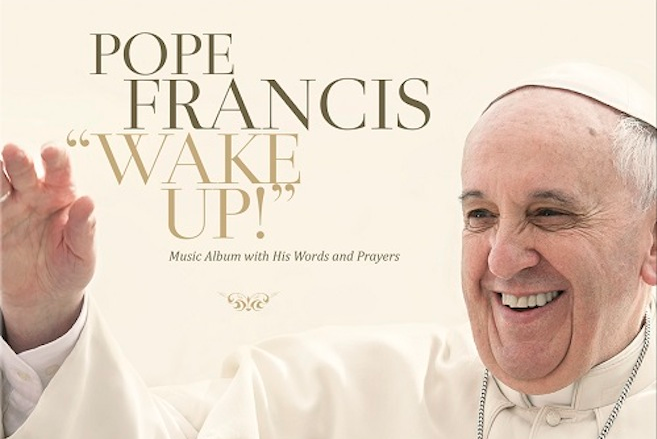
That’s right, I said it. In Novem­ber, the Pope will offi­cial­ly release a rock/pop album called Pope Fran­cis: Wake Up! (which you can already pre-order on iTunes). And below, you can hear the first sin­gle, “Wake Up! Go! Go! For­ward!” It’s one of 11 tracks.

Accord­ing to Rolling Stone, “The Vat­i­can-approved LP … fea­tures the Pon­tiff deliv­er­ing sacred hymns and excerpts of his most mov­ing speech­es in mul­ti­ple lan­guages paired with uplift­ing musi­cal accom­pa­ni­ment rang­ing from pop-rock to Gre­go­ri­an chant.” The Pope’s songs will focus on themes that Amer­i­cans are get­ting famil­iar with this week: “peace, dig­ni­ty, envi­ron­men­tal con­cerns and help­ing those most in need.“Pope Fran­cis: Wake Up! will offi­cial­ly go on sale on Novem­ber 27th. Yup, Black Fri­day.

via Rolling Stone

If you would like to sign up for Open Culture’s free email newslet­ter, please find it here. It’s a great way to see our new posts, all bun­dled in one email, each day.

If you would like to sup­port the mis­sion of Open Cul­ture, con­sid­er mak­ing a dona­tion to our site. It’s hard to rely 100% on ads, and your con­tri­bu­tions will help us con­tin­ue pro­vid­ing the best free cul­tur­al and edu­ca­tion­al mate­ri­als to learn­ers every­where. You can con­tribute through Pay­Pal, Patre­on, and Ven­mo (@openculture). Thanks!

by | Permalink | Make a Comment ( 4 ) |

Stream 82 Hours of Frank Zappa Music: Free Playlists of Songs He Composed & Performed

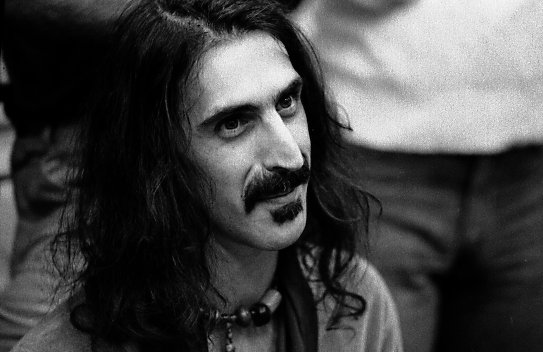
Zappa

Cre­ative Com­mons image by Jean-Luc Ourlin

When we think of 60s avant-gardism, we like­ly think of lit­er­ary fig­ures like William S. Bur­roughs or John Barth, film­mak­ers like Stan Brakhage or Ken­neth Anger, and art stars (and per­haps inven­tor of the “art star”) like Andy Warhol. In music, we may drop names like La Monte Young, Ter­ry Riley, Philip Glass, Sun Ra, or even Ornette Cole­man, who began devel­op­ing his impro­visato­ry the­o­ry of “har­molod­ics” in the late six­ties, chang­ing the way many musicians—in every pos­si­ble style—approached their own exper­i­men­tal­ism.

We may not often be inclined, however—as stu­dents of the avant-garde—to include the name Frank Zap­pa in the com­pa­ny of such “seri­ous” artists. There are many rea­sons for this, many of them attrib­ut­able to delib­er­ate choic­es Zap­pa him­self made to occu­py a space in-between that of a seri­ous exper­i­men­tal com­pos­er and a pop­u­lar rock and roll provo­ca­teur whose music and lyrics par­o­died the coun­ter­cul­ture and whose impos­si­ble-to-clas­si­fy albums skirt­ed nov­el­ty sta­tus.

And yet, writes All­mu­sic, Zap­pa’s “com­ic and seri­ous sides were com­ple­men­tary, not con­tra­dic­to­ry… most of all, he was a com­pos­er far more ambi­tious than any oth­er rock musi­cian of his time and most clas­si­cal musi­cians, as well.” You don’t have to take my word for it—or the word of such a stan­dard­ized ref­er­ence guide as All­mu­sic. You can hear for your­self, for free, a playlist of Zap­pa-as-com­pos­er, thanks to Spo­ti­fy Clas­si­cal Playlists.

Yes, you do have to down­load, if you don’t already have, the free Spo­ti­fy soft­ware. But the rewards are great. You’ll hear inter­pre­ta­tions of Zap­pa in New Orleans-style jazz and funk in tracks like “Zom­by Wolf,” per­formed by Asphalt Orches­tra; musi­cal man­i­festos against con­formism in “Hun­gry Freaks Dad­dy,” per­formed by the Frank Zap­pa Merid­i­an Arts Ensem­ble; satir­i­cal, dystopi­an col­lages like “Food Gath­er­ing in Post-Indus­tri­al Amer­i­ca, 1992,” per­formed by The Yel­low Shark.

The cat­a­log is vast and impos­si­ble to sum­ma­rize, the music per­formed by jazz and clas­si­cal ensem­bles of all kinds. Fans of canon­i­cal Zap­pa will be equal­ly well-served by anoth­er Spo­ti­fy Clas­si­cal Playlist which aims to make all of the eccen­tric guitarist/composer/bandleader/shameless self-pro­moter’s record­ed out­put with his band The Moth­ers of Inven­tion (or just The Moth­ers) avail­able to stream in a chrono­log­i­cal discog­ra­phy.

Depend­ing on your location—and the date you’re read­ing this post—you will be able to hear most or all of 917 tracks over 56 albums, from the debut 1966 album Freak Out! to the posthu­mous 1998 com­pi­la­tion Mys­tery Disc. Read more about Zap­pa-as-com­pos­er and the com­plete Zap­pa discog­ra­phy project at Spo­ti­fy Clas­si­cal. For those with objec­tions to stream­ing music ser­vices, Ulysses—compiler of the Spo­ti­fy Clas­si­cal Playlists—observes that “the man him­self came up with an idea for music sub­scrip­tion in 1983.” Like Zap­pa’s music, and like the man him­self, his pro­pos­al was com­plete­ly ahead of its time—and per­haps ahead of ours as well.

Relat­ed Con­tent:

A Young Frank Zap­pa Turns the Bicy­cle into a Musi­cal Instru­ment on The Steve Allen Show (1963)

The Night Frank Zap­pa Jammed With Pink Floyd … and Cap­tain Beef­heart Too (Bel­gium, 1969)

Frank Zap­pa Debates Cen­sor­ship on CNN’s Cross­fire (1986)

Josh Jones is a writer and musi­cian based in Durham, NC. Fol­low him at @jdmagness

« Go BackMore in this category... »
Quantcast