Dubai in Flow Motion: A Short Film That Takes Hyperlapses to the Next Level

Dubai, locat­ed in the Unit­ed Arab Emi­rates (UAE), has become a bustling, metrop­o­lis, and a major busi­ness hub in the Per­sian Gulf region. “My first impres­sion of Dubai was that of super-tall build­ings jut­ting out of the desert sand,” writes Rob Whit­worth, the cre­ator of the film above. â€śDubai may be home to the world’s most out­ra­geous sky­line,” but there’s more to it than that. After “3 months of explo­ration, research and film­ing,” Whit­worth con­tin­ues, “my last­ing impres­sion is of the eter­nal won­der of the desert and the impor­tance it holds for the Emi­rati peo­ple.” Sky­scrap­ers and desert dunes, they both get cap­tured in the pho­tog­ra­pher’s fast mov­ing short film called “Dubai Flow Motion” — a film which, as Petapix­el right­ly notes, takes “hyper­laps­es to the next lev­el.” Watch and you’ll see what they mean.

Fol­low us on Face­book, Twit­ter and Google Plus and share intel­li­gent media with your friends. Or bet­ter yet, sign up for our dai­ly email and get a dai­ly dose of Open Cul­ture in your inbox.


Three Strikingly Different Views of North Korea, the Most Secretive Country in the World

I once asked a friend based in Seoul, South Korea who used to write for a pres­ti­gious news mag­a­zine what that mag­a­zine want­ed to hear from the Korea beat. “Let’s see… North Korea, North Korea, and more North Korea,” he replied. “Oh, and did I men­tion North Korea?” Since the cre­ation of two Kore­as after the Sec­ond World War, North Korea, the far less pop­u­lat­ed and infi­nite­ly more secre­tive sib­ling of the land of all-you-can-eat bar­be­cue and “Gang­nam Style,” has inspired deep and fear­ful fas­ci­na­tion in its observers. This has held truer and truer as time goes on; South and North Korea looked sur­pris­ing­ly sim­i­lar in the twen­ty years or so right after they put the Kore­an War on pause, but now they’ve diverged so far that one can scarce­ly believe that so lit­tle time, and even less dis­tance, sep­a­rates the two.

The world’s inter­est in North Korea has run espe­cial­ly strong in the 21st cen­tu­ry, dur­ing the reigns of the late (and cinephilic) Kim Jong-Il and now his son, the even high­er-pro­file (and seem­ing­ly unap­pre­cia­tive of the upcom­ing North Korea-themed James Fran­co-Seth Rogen com­e­dy The Inter­view) Kim Jong-Un. Vice catered straight to it when they pro­duced the doc­u­men­tary The Vice Guide to North Korea at the top, which pro­vides a wise­crack­ing first-per­son per­spec­tive on what you get when you sign up for a tour of the place. (Shoot­ing pool with a lone­ly tea-shop girl ranks not low­est among the attrac­tions.) If you sign up for one your­self, you’ll prob­a­bly go with Koryo Tours, the firm with whose aid city-­bran­der JT Singh and video­g­ra­ph­er Rob Whit­worth put togeth­er “Enter Pyongyang,” the time-bend­ing com­pos­ite flight through the North Kore­an cap­i­tal just above.

prison-sinuiju

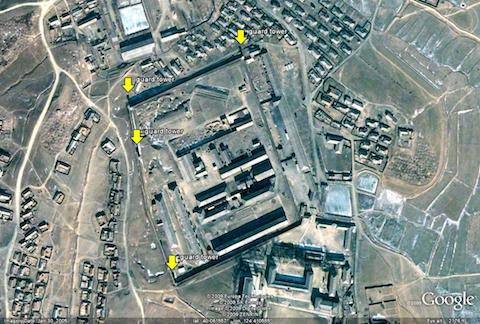
Pyon­gang shows up on illu­mi­na­tion maps as the sole point of light in an oth­er­wise dark coun­try. So what goes on in the rest of it? Accord­ing to One Free Korea, “the Com­mit­tee for Human Rights in North Korea esti­mates that North Korea holds as many as 120,000 peo­ple in its sys­tem of con­cen­tra­tion and deten­tion camps, and that 400,000 peo­ple have died in these camps from tor­ture, star­va­tion, dis­ease, and exe­cu­tion.” On that page, they’ve assem­bled Google Earth satel­lite images doc­u­ment­ing the prob­a­ble loca­tions and ele­ments of these camps. For more on these least-known parts of this least-known nation, see also Vice’s 40-minute pro­gram on North Kore­an Labor Camps below:

If all this does­n’t sati­ate your curios­i­ty about North Korea — and what amount of infor­ma­tion ever could? — have a look at Nation­al Geo­graph­ic’s Inside North Koreaa slow-motion film of an intense­ly chore­o­graphed North Kore­an mil­i­tary parade, and of course, our guide to the five best North Kore­an movies, all free to watch online.

Relat­ed Con­tent:

Read Dic­ta­tor Kim Jong-il’s Writ­ings on Cin­e­ma, Art & Opera: Cour­tesy of North Korea’s Free E‑Library

Orches­tral Manoeu­vres in North Korea Prove Yet Again That Music is Uni­ver­sal

A Slo-Mo Look Inside North Korea

The Five Best North Kore­an Movies: Watch Them Free Online

Col­in Mar­shall hosts and pro­duces Note­book on Cities and Cul­ture and writes essays on cities, lan­guage, Asia, and men’s style. He’s at work on a book about Los Ange­les, A Los Ange­les Primer. Fol­low him on Twit­ter at @colinmarshall or on Face­book.

Watch The Art of Travel, Alain de Botton’s Philosophical Look at Our Wanderlust Tendencies (2005)

The tra­di­tion of the uncom­fort­able intel­lec­tu­al aboard a cruise ship, while not a par­tic­u­lar­ly long or wide one, has pro­duced a few intrigu­ing works. You may well know — and, if you’re any­thing like me, know very well indeed from count­less reread­ings — David Fos­ter Wal­lace’s essay about his sev­en-night Caribbean cruise, known as it first ran in Harper’s as “Ship­ping Out,” and lat­er in full form as the title piece of the col­lec­tion A Sup­pos­ed­ly Fun Thing I’ll Nev­er Do Again. In this envi­ron­ment of con­stant­ly replen­ished ameni­ties and unceas­ing “pam­per­ing” (a word that gen­er­ates an essay’s worth of exe­ge­sis by itself), Wal­lace comes up against the inevitable ques­tion: can a cruise line, or any oth­er form of human effort, real­ly guar­an­tee our hap­pi­ness?

This ques­tion has also proven cen­tral to the career of anoth­er writer and thinker, Alain de Bot­ton. No mat­ter the sub­ject on which his focus may come to rest — archi­tec­ture, Proust, ancient phi­los­o­phy, work — his mind nev­er strays far from the issue of what makes us hap­py, and whether any­thing can keep us that way. The 2005 doc­u­men­tary The Art of Trav­el, a com­pan­ion to his book of the same name, finds de Bot­ton aboard a cruise lin­er, ful­ly equipped with fine wines and line-danc­ing class­es, bound for Spain. Will he dis­em­bark in the Barcelona of which he has dreamed, or will an obscure French nov­el­ist con­vince him of the fool­ish­ness of actu­al­ly expe­ri­enc­ing the very places you’ve long want­ed to? (The answer may not come as a sur­prise to those famil­iar with de Bot­ton’s pro­fes­sion­al tem­pera­ment.)

But our intre­pid host does­n’t stop at cruis­ing: he takes a week­end “city break” in Ams­ter­dam, fol­lows around a World War II bunker enthu­si­ast, goes for a road trip through east Ger­many, pon­ders the dis­tinc­tive lone­li­ness found only in Edward Hop­per paint­ings; gets the grand tour of a “swingers’ hotel,” boards an all-Japan­ese Cotswolds tour bus (and teach­es his fel­low pas­sen­gers about John Ruskin); and won­ders, final­ly, whether the def­i­n­i­tion of a trav­el­er comes not from the dis­tance and fre­quen­cy of the move­ment, but from the “atti­tude of curios­i­ty and recep­tiv­i­ty” to what­ev­er cap­tures the imag­i­na­tion. Hav­ing found myself in a career that involves more and more trav­el each year, I can’t ask myself these ques­tions too often. Whether you care about get­ting to far-off places or rich­ly expe­ri­enc­ing the ones near­by, per­haps de Bot­ton will get you ask­ing them too. At the very least, he’ll save you a cruise.

More films by de Bot­ton can be found in our col­lec­tion, 285 Free Doc­u­men­taries Online.

Relat­ed Con­tent:

Alain de Bot­ton Shows How Art Can Answer Life’s Big Ques­tions in Art as Ther­a­py

A Guide to Hap­pi­ness: Alain de Bot­ton Shows How Six Great Philoso­phers Can Change Your Life

Socrates on TV, Cour­tesy of Alain de Bot­ton (2000)

Col­in Mar­shall hosts and pro­duces Note­book on Cities and Cul­ture and writes essays on cities, lan­guage, Asia, and men’s style. He’s at work on a book about Los Ange­les, A Los Ange­les Primer. Fol­low him on Twit­ter at @colinmarshall or on Face­book.

Turkish Musician Shows How to Play the Yaybahar, His Mesmerizing, Newly-Invented Instrument

Once upon a time, a hand­some man was trapped in a tow­er over­look­ing the sea. To amuse him­self, he built a mag­i­cal instru­ment. It was con­struct­ed of wood and met­al, but sound­ed like some­thing one might hear over loud­speak­ers at the Tate, or per­haps an avant-garde sound instal­la­tion in Bush­wick. The instru­ment was love­ly, but so cum­ber­some, it was impos­si­ble to imag­ine pack­ing it into a taxi. And so the man gigged alone in the tow­er over­look­ing the sea.

Wait. This is no fairy tale. The musi­cian, Görkem Ĺžen, is real, as is his instru­ment, the Yay­ba­har. (Its name remains a mys­tery to your non-Turk­ish-speak­ing cor­re­spon­dent. Google Trans­late was no help. Per­haps Ĺžen explains the name in the pat­ter pre­ced­ing his recent TEDxRe­set per­for­mance…music is the only uni­ver­sal here.)

The Yay­ba­har looks like min­i­mal­ist sculp­ture, or a piece of vin­tage play­ground equip­ment. It has fret­ted strings, coiled springs and drum skins. Ĺžen plays it with a bow, or a wrapped mal­let, nim­bly switch­ing between spaced out explo­rations, folk music and Beethoven’s “Ode to Joy”.

After many years, a pass­ing prince or princess was bewitched by the beau­ti­ful music that reached his or her ears from the tow­er. He or she braved the bram­bles to free Ĺžen and his instru­ment. 

It’s also pos­si­ble that Ĺžen enlist­ed a cou­ple of pals to help him mus­cle the Yay­ba­har down the steps, cry­ing out when they bumped the pre­cious instru­ment into the walls, strug­gling to get a decent grip. No good deed goes unre­ward­ed.

At last, they left the con­fines of the tow­er. Görkem Ĺžen lift­ed his face toward the Turk­ish sun­shine. The Yay­ba­har stood in the sand. A noble­woman whom an evil sor­cer­ess had turned into a dog hung out for a while before los­ing inter­est. The instru­ment rever­ber­at­ed as pas­sion­ate­ly as ever. The spell was both bro­ken and not.

You can hear more sound clips of Ĺžen play­ing the Yay­ba­har below:

Relat­ed Con­tent:

Ayun Hal­l­i­day is an author, home­school­er, and Chief Pri­ma­tol­o­gist of the East Vil­lage Inky zine. Fol­low her @AyunHalliday

Glenn Gould Gives Us a Tour of Toronto, His Beloved Hometown (1979)

I write this from Toron­to, hav­ing come to explore, record inter­views in, write about, and gen­er­al­ly try to under­stand this big, busy, famous­ly diverse, and some­times form­less-seem­ing metrop­o­lis Cana­di­ans appre­ci­ate and resent in equal mea­sure. Despite the dif­fi­cul­ty of defin­ing or even describ­ing it, the city has nur­tured impres­sive minds. If not Cana­di­an your­self, you might strug­gle to come up with a list of notable Toron­to­ni­ans, but sure­ly names like Mar­garet Atwood, David Cro­nen­berg, Frank Gehry, Joni Mitchell, and Mar­shall McLuhan ring bells. Despite hav­ing passed in 1982, pianist-com­pos­er Glenn Gould may still rank as the city’s best-known cul­tur­al ambas­sador. “I’m not real­ly cut out for city liv­ing, and giv­en my druthers I’d prob­a­bly avoid all cities and live in the coun­try,” he said in 1979. “Toron­to, how­ev­er, belongs on a very short list of cities which I’ve vis­it­ed and which seem to offer to me, at any rate, peace of mind — cities which, for want of a bet­ter def­i­n­i­tion, do not oppose their city­ness upon you.”

He says it at the very begin­ning of Glenn Gould’s Toron­to, which spends the rest of its 50 min­utes explor­ing not just the city itself but Gould’s ideas of its nature. The doc­u­men­tary, which orig­i­nal­ly aired as an episode of the CBC series Cities, fol­lows him from the CN Tow­er which looms over Toron­to to the water­front (on what he calls “the least great of the Great Lakes”) to the grounds of the Cana­di­an Nation­al Exhi­bi­tion (a siz­able event with a “spir­it out of a small-town fall fair”) to the then-new city hall. Along the way, his mono­logue touch­es on the peace and qui­et Toron­to offers him, the reflex­ive dis­taste it can inspire in oth­ers, the “cul­tur­al mosa­ic” to which it plays host (some­times insis­tent­ly), the way it sur­vived the 1960s with­out endur­ing the dis­as­trous hol­low­ing-out Amer­i­can cities did, and the friend­ly rival­ry it enjoys with Mon­tre­al. Gould’s clear, ana­lyt­i­cal man­ner of speech deliv­ers a stream of point­ed obser­va­tions, dry jokes, and child­hood mem­o­ries, reveal­ing his nuanced life­long rela­tion­ship with the city: not the sim­ple one of a boost­er, nor the even sim­pler one of a detrac­tor. But then, Gould nev­er had any­thing sim­ple about him — nor, as I’ve come to find out this past week, does Toron­to.

You can find Glenn Gould’s Toron­to in our col­lec­tion of Free Doc­u­men­taries.

Relat­ed Con­tent:

Watch Glenn Gould Per­form His Last Great Stu­dio Record­ing of Bach’s Gold­berg Vari­a­tions (1981)

Glenn Gould Explains the Genius of Johann Sebas­t­ian Bach (1962)

Glenn Gould Offers a Strik­ing­ly Uncon­ven­tion­al Inter­pre­ta­tion of 1806 Beethoven Com­po­si­tion

The Art of Fugue: Gould Plays Bach

Col­in Mar­shall hosts and pro­duces Note­book on Cities and Cul­ture and writes essays on cities, lan­guage, Asia, and men’s style. He’s at work on a book about Los Ange­les, A Los Ange­les Primer. Fol­low him on Twit­ter at @colinmarshall or on Face­book.

A Photographic Tour of Haruki Murakami’s Tokyo, Where Dream, Memory, and Reality Meet

MurakamiMap

Last week saw me in line at one of Los Ange­les’ most beloved book­stores, wait­ing for a signed copy of Haru­ki Murakami’s new nov­el Col­or­less Tsuku­ru Taza­ki and His Years of Pil­grim­age upon its mid­night release. The con­sid­er­able hub­bub around the book’s entry into Eng­lish — to say noth­ing of its orig­i­nal appear­ance last year in Japan­ese, when it sold a much-dis­cussed mil­lion copies in a sin­gle month — demon­strates, 35 years into the author’s career, the world’s unflag­ging appetite for Murakami­ana. Just recent­ly, we fea­tured the arti­facts of Murakami’s pas­sion for jazz and a col­lec­tion of his free short sto­ries online, just as many oth­ers have got into the spir­it by seek­ing out var­i­ous illu­mi­nat­ing inspi­ra­tions of, loca­tions in, and quo­ta­tions from his work. The author of the blog Ran­domwire, known only as David, has done all three, and tak­en pho­tographs to boot, in his grand three-part project of doc­u­ment­ing Murakami’s Tokyo: the Tokyo of his begin­nings, the Tokyo where he ran the jazz bars in which he began writ­ing, and the Tokyo which has giv­en his sto­ries their oth­er­world­ly touch.

dennys-tokyo-1042x586

Murakami’s “depic­tions of the lone­li­ness and iso­la­tion of mod­ern Japan­ese life ingra­ti­at­ed him with the country’s youth who often strug­gle to assert their indi­vid­u­al­i­ty in the face of soci­etal notions of con­for­mi­ty,” David writes, not­ing also that “such com­par­isons fail to do jus­tice to his unique brand of sur­re­al fan­ta­sy and urban real­ism which seam­less­ly blends togeth­er dream, mem­o­ry and real­i­ty against the back­drop of every­day life in Japan.” Know­ing the city of Tokyo as well as he knows the Muraka­mi canon, David works his way from the Den­ny’s where “Mari, while mind­ing her own busi­ness, is inter­rupt­ed by an old acquain­tance Taka­hashi in After Dark”; to Wase­da Uni­ver­si­ty, alma mater of both Muraka­mi him­self and Nor­we­gian Wood’s pro­tag­o­nist Toru Watan­abe; to both loca­tions of Peter Cat, the jazz cafĂ© and bar Muraka­mi ran with his wife in the 1970s and ear­ly 80s; to Mei­ji Jin­gu sta­di­um, where Muraka­mi wit­nessed the home run that some­how con­vinced him he could write his first nov­el, Hear the Wind Sing; to DUG, anoth­er under­ground jazz bar vis­it­ed by stu­dents like Toru Watan­abe in the 1960s and still open today; to Met­ro­pol­i­tan Express­way No. 3, from which 1Q84’s pro­tag­o­nist Aomame climbs down into a par­al­lel real­i­ty.

peter-cat-jazz-coaster

David also drops into spots that, if they don’t count as ful­ly Murakami­an, at least count as Murakamiesque, such as an â€śantique shop-cum-café” oppo­site the first site of Peter Cat: “Like a sur­re­al plot twist in one of Murakami’s books the scene of me sit­ting there amongst the mounds of antique junk drink­ing tea from a porce­lain cup was verg­ing on the absurd. More than once I glanced out­side the win­dow just to check that the real world hadn’t left me behind.” If you find he missed any patch of Murakami’s Tokyo along the way, let him know; he has, he notes at the end of part three, almost enough for a part four — just as much of Col­or­less Tsuku­ru’s fol­low-up has no doubt already cohered in Murakami’s imag­i­na­tion, that fruit­ful meet­ing place of the real and the absurd. Here are the links to the exist­ing sec­tions: Part 1, Part 2, and Part 3.

kinokuniya-books3-1024x575

Relat­ed Con­tent:

Haru­ki Murakami’s Pas­sion for Jazz: Dis­cov­er the Novelist’s Jazz Playlist, Jazz Essay & Jazz Bar

In Search of Haru­ki Muraka­mi, Japan’s Great Post­mod­ernist Nov­el­ist

Haru­ki Muraka­mi Trans­lates The Great Gats­by, the Nov­el That Influ­enced Him Most

Col­in Mar­shall hosts and pro­duces Note­book on Cities and Cul­ture and writes essays on cities, lan­guage, Asia, and men’s style. He’s at work on a book about Los Ange­les, A Los Ange­les Primer. Fol­low him on Twit­ter at @colinmarshall or on Face­book.

A Drone’s Eye View of Los Angeles, New York, London, Bangkok & Mexico City

Unmanned aer­i­al vehi­cles, more col­lo­qui­al­ly known as drones, have drawn bad press in recent years: as the intru­sive tools of the com­ing sur­veil­lance state, as deliv­er­ers of death from above in a host of war zones, as the pur­chase-deliv­er­ing har­bin­gers of world dom­i­na­tion by Amazon.com. But as with any tech­nol­o­gy, you can also use drones for the good, or at least for the inter­est­ing. A num­ber of urban pho­tog­ra­phers have attract­ed a great deal of atten­tion in the past few months doing just that, buy­ing or build­ing cam­era-equipped drones of their own, tak­ing to the skies above their cities, and cap­tur­ing views of them we’d nev­er see oth­er­wise. I live in Los Ange­les and like to think I explore its ever-more-revi­tal­ized down­town (from which I type this post) on a reg­u­lar basis, but near­ly every shot Ian Wood got in the ear­ly morn­ing with his drone in the video above shows off an aes­thet­ic ele­ment of the neigh­bor­hood I had­n’t noticed before.

Above, Randy Scott Slavin pro­vides us an equal­ly dream­like drone’s eye view of Amer­i­ca’s oth­er metrop­o­lis, New York City, and below that you can also get a sweep­ing view of Lon­don, its archi­tec­tur­al icons on full dis­play, from sure-hand­ed drone pilot/cameraman Evan Skuthor­pe.

Then we have a flight around the mon­u­ments of Mex­i­co City, in my expe­ri­ence an end­less­ly fas­ci­nat­ing place from any alti­tude and at any angle, by A&H Aer­i­al Pro­duc­tions.

Those of you who know Bangkok might feel star­tled to get the high­ly unusu­al view of it, near­ly free of peo­ple pro­vid­ed by Coconuts TV, who took a cam­era drone out on a day when pro­test­ers shut down sev­en of the city’s most vital inter­sec­tions. (It reminds me of a few favorite moments by that most cel­e­brat­ed Thai “auteur of lan­guor,” Apichat­pong Weerasethakul.) But you may have noticed that all the videos here focus on depop­u­lat­ed places, due most like­ly to the tricky host of applic­a­ble laws to do with pri­va­cy and aer­i­al pho­tog­ra­phy. So if you decide to film a drone fly­through of your own city, per­haps have a chat with your lawyer first.

Relat­ed Con­tent:

Great Cities at Night: Views from the Inter­na­tion­al Space Sta­tion

Prize-Win­ning Ani­ma­tion Lets You Fly Through 17th Cen­tu­ry Lon­don

Lon­don Mashed Up: Footage of the City from 1924 Lay­ered Onto Footage from 2013

What Makes Paris Look Like Paris? A Cre­ative Use of Google Street View

Col­in Mar­shall hosts and pro­duces Note­book on Cities and Cul­ture and writes essays on cities, lan­guage, Asia, and men’s style. He’s at work on a book about Los Ange­les, A Los Ange­les Primer. Fol­low him on Twit­ter at @colinmarshall or on Face­book.

Tour the World’s Street Art with Google Street Art

By far the most enjoy­able part of our recent fam­i­ly trip to Lon­don was the after­noon my young son and I spent in Shored­itch, grop­ing our way to No Brow, a comics shop I had noticed on an ear­ly morn­ing stroll with our host­ess. Our route was evi­dence that I had for­got­ten the coor­di­nates, the street name, the name of the shop… Even­tu­al­ly, I real­ized we were lost, and that is where the real fun began, as we retraced our steps using street art as bread crumbs.

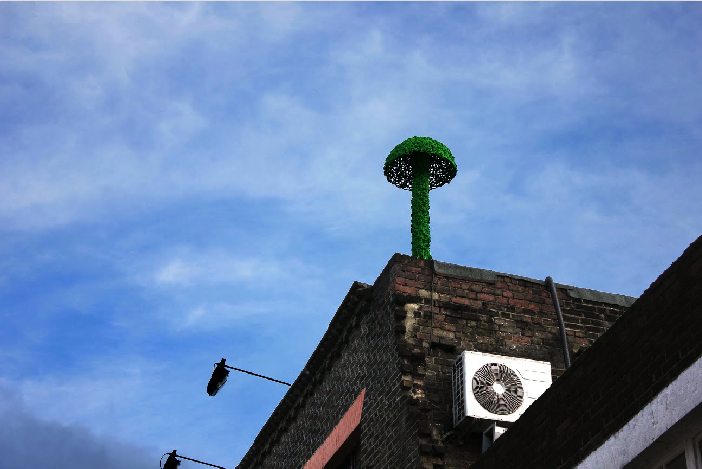
Ah right, there’s  that rooftop mush­room instal­la­tion!

And there’s that Stik fig­ure…

After a while, a FedEx man took pity on us, ruin­ing our fun by steer­ing us toward the prop­er address..

I’m not sure I could ever dupli­cate our trail, but I enjoy try­ing with Google Street Art. Arm­chair trav­el­ers can use it to project them­selves to the heart of ephemer­al, pos­si­bly ille­gal exhi­bi­tions all over the globe,.

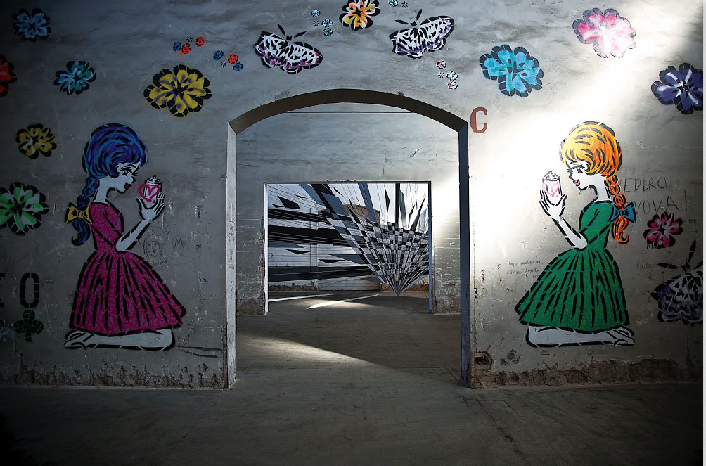
Bogotá... Paris... New York’s leg­endary 5 Pointz, before the land­lord clutched and white­washed the entire thing in the dead of night. Each up close pho­to bears a high­ly infor­ma­tion­al cap­tion, much more than you’d find in the street itself. Think of it as an after-the-fact dig­i­tal muse­um. It’s appro­pri­ate, giv­en the ephemer­al nature of the work. An online pres­ence is its best shot at preser­va­tion.

Those of us with some­thing to con­tribute can add to the record with a user gallery or by tag­ging our pho­tos with #Stree­tArtist.

Enter Google Street Art here.

Relat­ed Con­tent:

Obey the Giant: Short Film Presents the True Sto­ry of Shep­ard Fairey’s First Act of Street Art

Banksy Cre­ates a Tiny Repli­ca of The Great Sphinx Of Giza In Queens

Big Bang Big Boom: Graf­fi­ti Stop-Motion Ani­ma­tion Cre­ative­ly Depicts the Evo­lu­tion of Life

Ayun Hal­l­i­day is an author, home­school­er and the Chief Pri­ma­tol­o­gist of The East Vil­lage Inky zine. Fol­low her @AyunHalliday

« Go BackMore in this category... »
Quantcast