Richard Feynman: Fun to Imagine
Back in 1983, the BBC aired Fun to Imagine, a television series hosted by Richard Feynman that used physics to explain how the everyday world works – “why rubber bands are stretchy, why tennis balls can’t bounce forever, and what you’re really seeing when you look in the mirror.” In case you’re not familiar with him, Feynman was a Nobel prize-winning physicist who had a gift for many things, including popularizing science and particularly physics. The clip above comes from Fun to Imagine, and thanks to this YouTube video, you can now watch all six videos in the series, each running about 12 minutes. If you’re looking for more Feynman videos, let me give you this: The Pleasure of Finding Things Out, an hour-long BBC/PBS program from 1981, and Feynman’s legendary lectures on physics taped in 1964, now posted online courtesy of Bill Gates. And, oh yes, don’t forget Feynman playing the bongos too…
Want to study some physics? Get Free Physics courses here. And Free Physics Textbooks here.
Journalism for Our Century
As journalists try to find their footing in the new digital environment, News21, a Carnegie and Knight initiative, has started “incubating” eight journalism schools across the country and helping students develop new forms of investigative reporting in multimedia formats. Above, we have Spilling Over, a piece of digital reporting that lays bare the emotional toll the BP Oil spill has taken on a Louisiana community. The eight minute video report was assembled by a News21 team at the University of North Carolina. NPR has more on the News21 project, and the News21 website features other student projects. H/T to Mike S. for another superb find…
America on the Brink
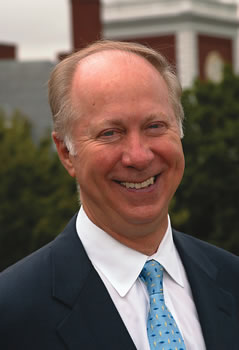 David Gergen has served four different American presidents (Nixon, Ford, Reagan, and Clinton), and he now heads the Center for Public Leadership at the Harvard Kennedy School. Last month Gergen, known for being a measured observer of politics, spoke before the Commonwealth Club of California and issued a very sober warning: America faces monumental problems. But unfortunately our capacity to address them has never been so diminished, and we’re this close to heading into a civilizational decline. Just what is limiting our ability to handle these problems? If you cut to the chase, it’s a mediocre generation of Americans – politicians, business leaders, media moguls, citizens – habitually putting personal interests first and the greater good second. It’s not a pretty picture, but Gergen suggests a few ways out of the woods. (Hint: education counts here.) You can stream the talk here, grab it on iTunes, or listen below. And if you think there’s nothing you can personally do to make this generation a better one, I suggest you watch the last few minutes of this Robert Sapolsky video.
30 Years of Asteroids in 3 Minutes
This amazing little video charts the location of every asteroid discovered since 1980. As we move into the 1990s, the rate of discovery picks up quite dramatically because we’re now working with vastly improved sky scanning systems. And that means that you will especially want to watch the second half of the video. Below the jump, I’ve pasted some more information that explains what you’re seeing. Thanks to @WesAlwan and Mike for sending this great little clip our way.
via Gizmodo
3D Light Show from Ukraine to Your Living Room
Building becomes canvas. Give it a minute to get going. According to an OC reader, the show was organized to celebrate the independence of Ukraine (August 24th). Thanks Olga!
via metafilter
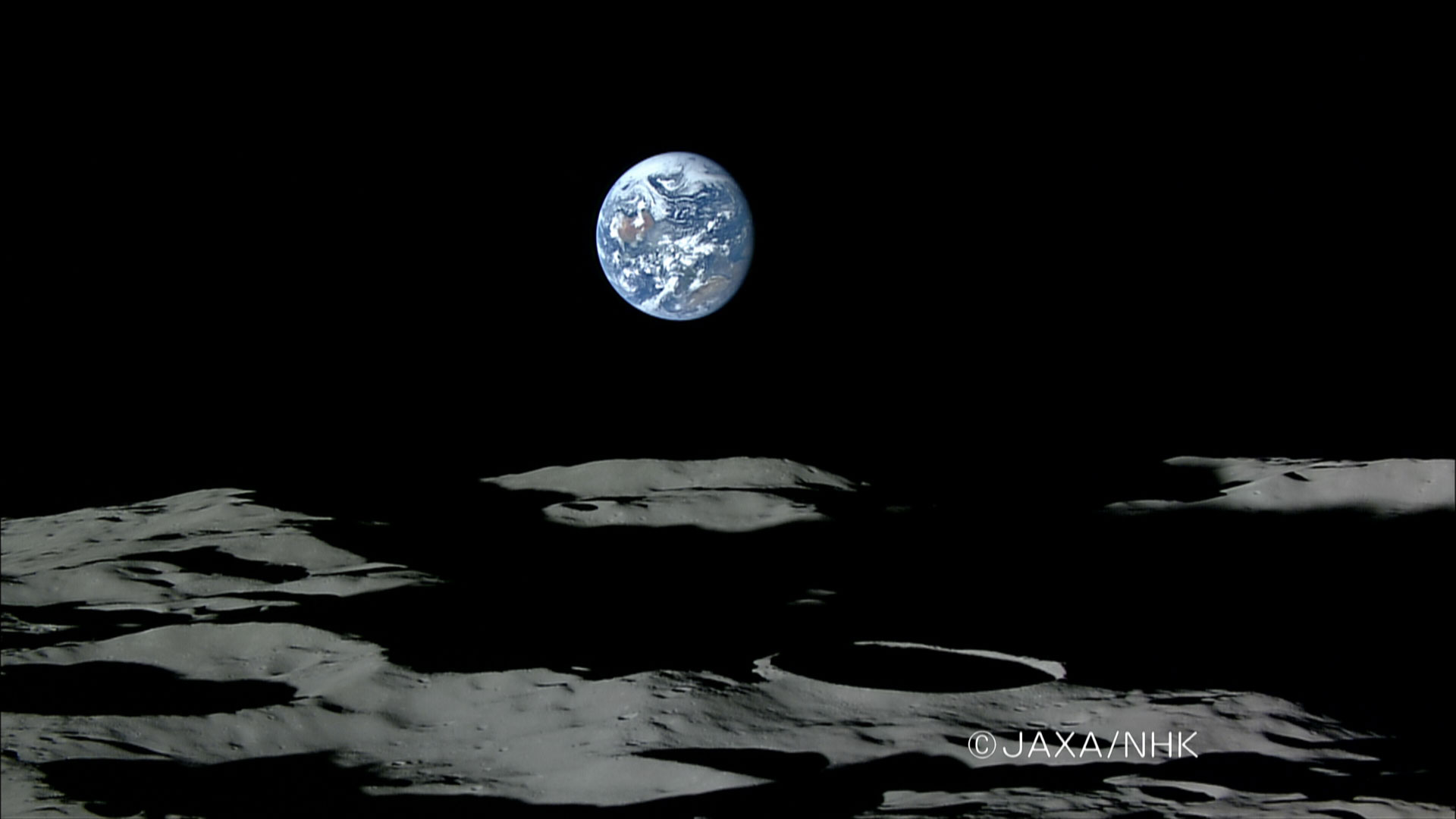
Earthrise, Then and Now
On December 24, 1968, astronauts aboard Apollo 8, making the first human trip around the moon, stumbled upon a most beautiful scene – an “Earthrise.” Almost 40 years later (in 2007), Japan’s Kaguya satellite captured footage of the same scene unfolding: an Earthrise and also this time an Earthset. If you click on the preceding links, you will see some pretty wonderful still shots in HD.
Jonathan Franzen’s Freedom: The First Two Chapters
Last week, Jonathan Franzen appeared on the cover of TIME magazine – the first time in a decade that a living novelist has graced the cover page. Authors only get there if they’re flirting with greatness (TIME’s piece is called “Jonathan Franzen: Great American Novelist”) and if they have a new novel coming out. Freedom hits the bookstores next Tuesday, but you can get started with the first two chapters right now. Good Neighbors and Agreeable both appear on The New Yorker magazine web site.
All the Great Operas in 10 Minutes
You’ve perhaps seen the “Nine Minute Sopranos” (all 6 seasons summed up in 9 minutes) or “The Wire Wrap Up” (5 seasons of The Wire recapped in five short minutes). Now you get 11 Great Operas in 10 Minutes along with their plot lines that rival the dark twists and turns of any HBO series. (Or maybe it’s the other way around.) La traviata, Carmen, Don Giovanni, Aida – they’re all covered here.
Karen Armstrong Weighs In on the Ground Zero Mosque Debate
America, as a nation, has some big fish to fry these days. But the energy is being focused right now on a symbolic question. Can the nation tolerate the building of an Islamic cultural center and mosque near Ground Zero almost a decade after the 9/11 attacks? Or, more to the point, can America uphold one of its core values – religious tolerance? The debate has smoldered on throughout the summer, and we’ve seen the hard right and left condemn the Cordoba Initiative and Islam more generally. On the right, Newt Gingrich has talked about how we’re facing an “Islamist cultural-political offensive designed to undermine and destroy our civilization.” And built into his thinking is the assumption that when Christians commit abhorrent crimes, it’s a perversion of the religion, not an indictment of its essence. But the same charity doesn’t get extended to the Islamic minority faith in the country. Meanwhile, Sam Harris on the secular/atheist left gets in bed with Gingrich when he says “there is much that is objectionable—and, frankly, terrifying—about the religion of Islam and about the state of discourse among Muslims living in the West.” If it matters, the main difference between Harris and Gingrich is Harris’ consistency, which boils down to a consistent contempt for religion. (Partially Examined Life takes a much closer look at Harris’ arguments here).
All of this makes me wonder: What would someone who actually knows something about Islam say about the whole affair? So here you have it. Karen Armstrong, one of the most well known thinkers in the field of comparative religion, a former Catholic nun, and the author most recently of The Case for God, offering her thoughts on the matter above.
Jane Austen’s Fight Club
Coming to a theatre near you. If only …
P.S. You can download Jane Austen’s novels for free. Find them in our collection of Free Audio Books, which Makeuseof.com was kind enough to feature earlier today.
via Zadi Diaz
Support Us
We're hoping to rely on loyal readers, rather than erratic ads. Please click the Donate button and support Open Culture. You can use Paypal, Venmo, Patreon, even Crypto! We thank you!

Great Lectures
About Us

Open Culture scours the web for the best educational media. We find the free courses and audio books you need, the language lessons & educational videos you want, and plenty of enlightenment in between.
Advertise With Us
Archives
- August 2026
- July 2026
- June 2026
- May 2026
- April 2026
- March 2026
- February 2026
- January 2026
- December 2025
- November 2025
- October 2025
- September 2025
- August 2025
- July 2025
- June 2025
- May 2025
- April 2025
- March 2025
- February 2025
- January 2025
- December 2024
- November 2024
- October 2024
- September 2024
- August 2024
- July 2024
- June 2024
- May 2024
- April 2024
- March 2024
- February 2024
- January 2024
- December 2023
- November 2023
- October 2023
- September 2023
- August 2023
- July 2023
- June 2023
- May 2023
- April 2023
- March 2023
- February 2023
- January 2023
- December 2022
- November 2022
- October 2022
- September 2022
- August 2022
- July 2022
- June 2022
- May 2022
- April 2022
- March 2022
- February 2022
- January 2022
- December 2021
- November 2021
- October 2021
- September 2021
- August 2021
- July 2021
- June 2021
- May 2021
- April 2021
- March 2021
- February 2021
- January 2021
- December 2020
- November 2020
- October 2020
- September 2020
- August 2020
- July 2020
- June 2020
- May 2020
- April 2020
- March 2020
- February 2020
- January 2020
- December 2019
- November 2019
- October 2019
- September 2019
- August 2019
- July 2019
- June 2019
- May 2019
- April 2019
- March 2019
- February 2019
- January 2019
- December 2018
- November 2018
- October 2018
- September 2018
- August 2018
- July 2018
- June 2018
- May 2018
- April 2018
- March 2018
- February 2018
- January 2018
- December 2017
- November 2017
- October 2017
- September 2017
- August 2017
- July 2017
- June 2017
- May 2017
- April 2017
- March 2017
- February 2017
- January 2017
- December 2016
- November 2016
- October 2016
- September 2016
- August 2016
- July 2016
- June 2016
- May 2016
- April 2016
- March 2016
- February 2016
- January 2016
- December 2015
- November 2015
- October 2015
- September 2015
- August 2015
- July 2015
- June 2015
- May 2015
- April 2015
- March 2015
- February 2015
- January 2015
- December 2014
- November 2014
- October 2014
- September 2014
- August 2014
- July 2014
- June 2014
- May 2014
- April 2014
- March 2014
- February 2014
- January 2014
- December 2013
- November 2013
- October 2013
- September 2013
- August 2013
- July 2013
- June 2013
- May 2013
- April 2013
- March 2013
- February 2013
- January 2013
- December 2012
- November 2012
- October 2012
- September 2012
- August 2012
- July 2012
- June 2012
- May 2012
- April 2012
- March 2012
- February 2012
- January 2012
- December 2011
- November 2011
- October 2011
- September 2011
- August 2011
- July 2011
- June 2011
- May 2011
- April 2011
- March 2011
- February 2011
- January 2011
- December 2010
- November 2010
- October 2010
- September 2010
- August 2010
- July 2010
- June 2010
- May 2010
- April 2010
- March 2010
- February 2010
- January 2010
- December 2009
- November 2009
- October 2009
- September 2009
- August 2009
- July 2009
- June 2009
- May 2009
- April 2009
- March 2009
- February 2009
- January 2009
- December 2008
- November 2008
- October 2008
- September 2008
- August 2008
- July 2008
- June 2008
- May 2008
- April 2008
- March 2008
- February 2008
- January 2008
- December 2007
- November 2007
- October 2007
- September 2007
- August 2007
- July 2007
- June 2007
- May 2007
- April 2007
- March 2007
- February 2007
- January 2007
- December 2006
- November 2006
- October 2006
- September 2006