An 18-Hour Playlist of Readings by the Beats: Kerouac, Ginsberg & Even Bukowski Too

beat generation

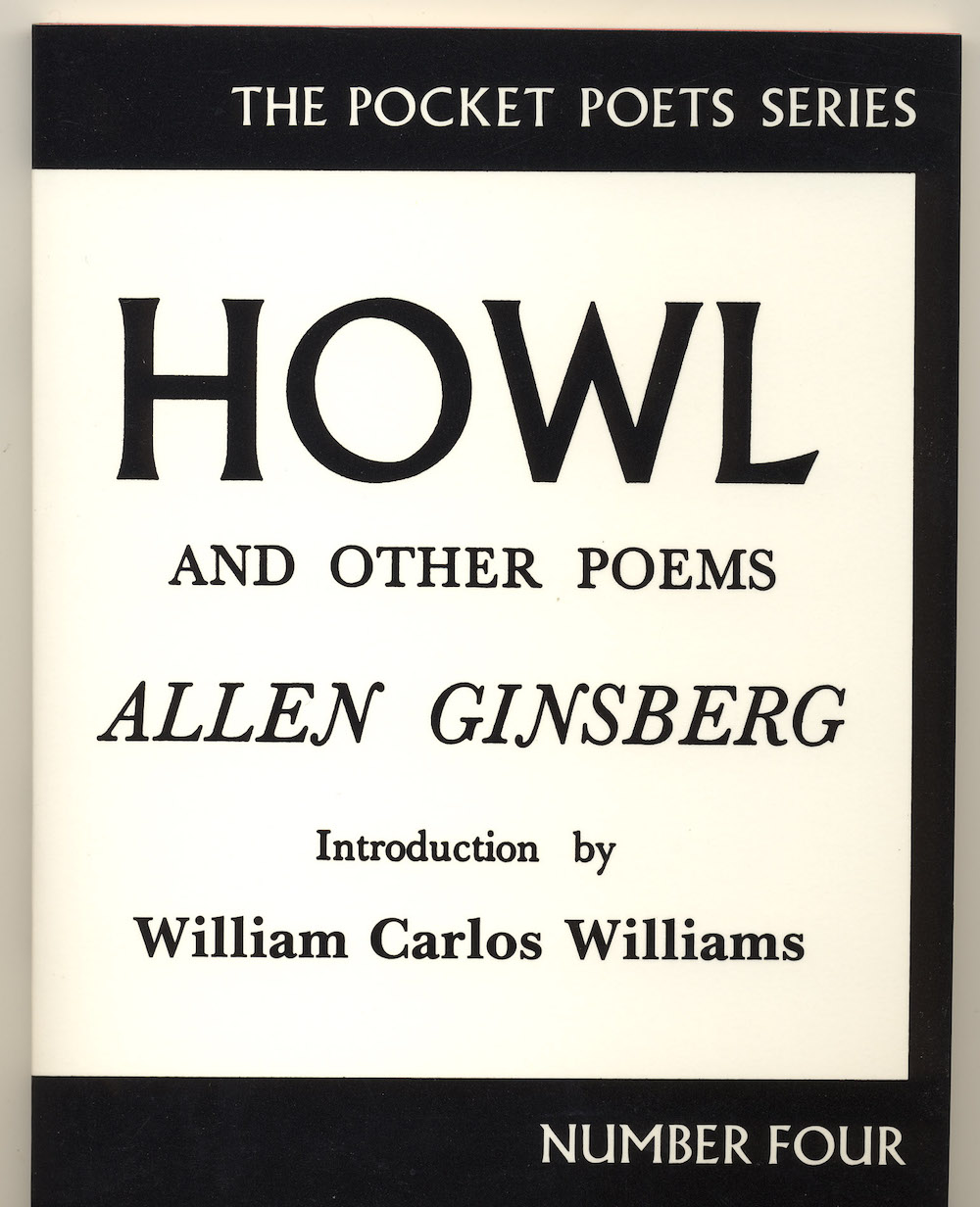
Plen­ty of us get tuned in to the Beats through print — maybe a yel­lowed copy of Howl, a mass-mar­ket Naked Lunch, a fifth- or sixth-hand On the Road — but some­times the verse or prose that so thrills us on those pages fair­ly demands to be spo­ken aloud, prefer­ably by the Beat in ques­tion. That may have proven a tricky desire to ful­fill in decades past, but now Spo­ti­fy has made it near­ly effort­less to hear the Beats when­ev­er we like: you can find over eigh­teen hours of mate­r­i­al on a playlist called, straight­for­ward­ly enough, The Beats.

These 249 tracks include not just fig­ures like the pre­vi­ous­ly allud­ed to Allen Gins­berg, William S. Bur­roughs, and Jack Ker­ouac, but oth­er beloved Beats such as Gre­go­ry Cor­so, Peter Orlovsky — and Charles Bukows­ki, not a fig­ure one nec­es­sar­i­ly asso­ciates close­ly with that move­ment. Some Bukows­ki and/or Beat enthu­si­asts will tell you that each would have noth­ing to do with the oth­er. Yet the hard-liv­ing poet and self-con­fessed “dirty old man” occa­sion­al­ly admit­ted to some­thing approach­ing fond­ness for cer­tain mem­bers of the sup­pos­ed­ly high­er-mind­ed coun­ter­cul­ture: “He’s bet­ter to have around than not to have around,” Bukows­ki once said of Gins­berg. “With­out his com­ing through, none of us would be writ­ing as well as we are doing now, which is not well enough, but we hang on.”

With the Beats’ Spo­ti­fy playlist, you can judge for your­self not only whether they and Bukows­ki wrote “well enough” (though lit­er­ary his­to­ry seems to have proven that piece of self-dep­re­ca­tion wrong), but also whether they spoke well enough — or rather, whether they per­formed their own work in the way you’d always imag­ined it in your head. What­ev­er your assess­ment, rest assured you won’t hear voic­es like Gins­berg’s, Bur­roughs’ and espe­cial­ly Bukowski’s any­where else. If you don’t have the Spo­ti­fy soft­ware itself yet, no prob­lem: you can down­load it free here.

Relat­ed Con­tent:

Naropa Archive Presents 5,000 Hours of Audio Record­ings of Allen Gins­berg, William Bur­roughs & Oth­er Beat Writ­ers

Rare Footage of Allen Gins­berg, Jack Ker­ouac & Oth­er Beats Hang­ing Out in the East Vil­lage (1959)

A Read­ing of Charles Bukowski’s First Pub­lished Sto­ry, “After­math of a Lengthy Rejec­tion Slip” (1944)

Lis­ten to Charles Bukows­ki Poems Being Read by Bukows­ki Him­self & the Great Tom Waits

Hear 130 Min­utes of Charles Bukowski’s First-Ever Record­ed Read­ings (1968)

Col­in Mar­shall writes on cities, lan­guage, Asia, and men’s style. He’s at work on a book about Los Ange­les, A Los Ange­les Primer, and the video series The City in Cin­e­ma. Fol­low him on Twit­ter at @colinmarshall or on Face­book.

A Look Inside Martin Scorsese’s Vintage Movie Poster Collection

thetalesofhoffmann

When Mar­tin Scors­ese isn’t mak­ing films, he’s busy pre­serv­ing them, from help­ing fund the restora­tion of clas­sics to col­lect­ing the ephemera of his youth, espe­cial­ly posters. A selec­tion of his movie poster col­lec­tion, rep­re­sent­ing the height of film adver­tis­ing from the 1930’s to the 1960s, cur­rent­ly hangs at MoMA through Octo­ber 25, 2015.

The pow­er that a poster held in the imag­i­na­tion decades ago should not be under­stat­ed. For many it was the only knowl­edge they had about the film they were about to see, and many artists, hired in house by the stu­dios, hyped up the sex­i­est parts of the films. It sold tick­ets.

The MoMA exhib­it is cen­tered on the bill­board sized poster for Pow­ell and Pressburger’s Tales of Hoff­mann (1951), a stun­ning work when seen large. (For an under­stand­ing about the impres­sive size of most posters, check out this graph­ic.)

Imacon Color Scanner

It’s only because of col­lec­tors like Scors­ese and Ira. M. Resnick (for whose book Scors­ese wrote an intro­duc­tion) that the artists behind these posters have been named and rec­og­nized.

Although the MoMA web page pro­mot­ing the exhi­bi­tion is sur­pris­ing­ly stingy when it comes to nam­ing all the artists in the show, some inter­net sleuthing brings up some names. The illus­tra­tor behind the Hoff­mann poster, Marc Stone, was also a painter of World War II pro­pa­gan­da posters in the UK.

The min­i­mal, Risko-esque ren­der­ing of Veron­i­ca Lake for Sullivan’s Trav­els (1941) is cred­it­ed to Mau­rice Kallis, though an anony­mous com­ment on the movie poster blog Cit­i­zen K. cred­its it to Fritz Siebel, the commenter’s father. Siebel, who immi­grat­ed to the U.S. from Vien­na, wound up illus­trat­ing A Fly Went By for Dr. Seuss’ children’s book imprint and cre­at­ing the famous Yul Bryn­ner-looka­like and clean­ing prod­uct mas­cot Mr. Clean.

thelostsquadron

René Péron, who cre­at­ed the beau­ti­ful Expres­sion­is­tic design for Erich von Stroheim’s The Lost Squadron (1932) start­ed his career with posters for silent clas­sics like Abel Gance’s Napoleon and Carl Theodor Dreyer’s The Pas­sion of Joan of Arc (1928). But he’s prob­a­bly best known for the icon­ic car­i­ca­ture of Jacques Tati grac­ing the poster for Mr. Hulot’s Hol­i­day.

onthewaterfront

Both the poster for Pow­ell and Pressburger’s Black Nar­cis­sus and Kazan’s On the Water­front are by one of the Ital­ian kings of movie posters, Ansel­mo Ballester. His style is lurid and pulpy, and if there is one dame in dis­tress in a movie, he would make her the sell­ing point of the poster. He was also known for his love of Rita Hay­worth, for whom he would pro­duce his best work. (Just look at this poster for Salome, which is way more inter­est­ing than the pic­ture it rep­re­sents.)

mean-streets

Last­ly, Scors­ese has added one of his own film’s posters: Peter Straus­feld’s stun­ning wood­block poster for Mean Streets. The British artist had a very par­tic­u­lar style (text on one side, graph­ic on the oth­er), and was hired by the Acad­e­my Cin­e­ma in Lon­don as their design­er. (Now, *that’s* a job.)

The fact that we can watch trail­ers on our tele­vi­sions and now iPhones has long dimin­ished the pow­er of the poster. How­ev­er, there are still signs of life in the indus­try, and the amount of artists cre­at­ing beau­ti­ful lim­it­ed edi­tion prints of posters for their favorite films increas­es every year.

via Quartz

Relat­ed con­tent:

50 Film Posters From Poland: From The Empire Strikes Back to Raiders of the Lost Ark

100 Great­est Posters of Film Noir

Mar­tin Scors­ese Reveals His 12 Favorite Movies (and Writes a New Essay on Film Preser­va­tion)

Gaze at Glob­al Movie Posters for Hitchcock’sVertigo: U.S., Japan, Italy, Poland & Beyond

The Strange and Won­der­ful Movie Posters from Ghana: The Matrix, Alien & More

Ted Mills is a free­lance writer on the arts who cur­rent­ly hosts the FunkZone Pod­cast. You can also fol­low him on Twit­ter at @tedmills, read his oth­er arts writ­ing at tedmills.com and/or watch his films here.

Wes Anderson & Yasujiro Ozu: New Video Essay Reveals the Unexpected Parallels Between Two Great Filmmakers

At first blush, Yasu­jiro Ozu and Wes Ander­son would seem to be miles apart. Ozu is the “most Japan­ese” of all direc­tors. His films are small, qui­et, fine­ly cal­i­brat­ed works that doc­u­ment the slow reorder­ing of the fam­i­ly unit in the face of Japan’s rapid mod­ern­iza­tion. Anderson’s movies are twee and whim­si­cal, filled with wry humor and a shock­ing amount of vio­lence against dogs.

Yet video essay­ist Anna Cat­ley in her piece Wes Ander­son & Yasu­jiro Ozu: A Visu­al Essay makes a pret­ty com­pelling case that these two auteurs are more sim­i­lar than you might think. Both film­mak­ers have a clear and high­ly styl­ized man­ner of con­struct­ing their movies: Ozu’s films are char­ac­ter­ized by sym­met­ri­cal com­po­si­tions and an unmov­ing cam­era that remains about two and a half feet off of the ground. Anderson’s movies are marked by sym­met­ri­cal com­po­si­tions, long com­plex cam­era moves and lots of over­head shots. Both Ozu and Ander­son have a sta­ble of actors that they work with repeat­ed­ly — Chishu Ryu and Set­suko Hara for Ozu, Jason Schwartz­man and Bill Mur­ray for Ander­son. Both film­mak­ers’ movies are about the com­plex, often fraught, rela­tion­ships between par­ents and chil­dren. And both direc­tors often employed the point of view of chil­dren to high­light adult hypocrisy and dis­ap­point­ment.

Ozu’s movies, how­ev­er, were rel­a­tive­ly free of Cat Stevens songs.

You can watch the full video above. It might just make you watch a dou­ble fea­ture of Ohayo and Moon­rise King­dom.

via Indie Wire

Relat­ed Con­tent:

Watch 7 New Video Essays on Wes Anderson’s Films: Rush­moreThe Roy­al Tenen­baums & More

Wes Anderson’s Favorite Films: Moon­struckRosemary’s Baby, and Luis Buñuel’s The Exter­mi­nat­ing Angel

Watch Wes Anderson’s Charm­ing New Short Film, Castel­lo Cav­al­can­ti, Star­ring Jason Schwartz­man

Wes Anderson’s First Short Film: The Black-and-White, Jazz-Scored Bot­tle Rock­et (1992)

Jonathan Crow is a Los Ange­les-based writer and film­mak­er whose work has appeared in Yahoo!, The Hol­ly­wood Reporter, and oth­er pub­li­ca­tions. You can fol­low him at @jonccrow. And check out his blog Veep­to­pus, fea­tur­ing lots of pic­tures of vice pres­i­dents with octo­pus­es on their heads.  The Veep­to­pus store is here.

Venice in Beautiful Color Images 125 Years Ago: The Rialto Bridge, St. Mark’s Basilica, Doge’s Palace & More

Venice 1

A few months ago, Men­tal Floss put up a post of “Fan­tas­tic 120-Year-Old Col­or Pic­tures of Ire­land.” Fan­tas­tic pic­tures indeed, although the nature of the tech­nol­o­gy that pro­duced them seems as inter­est­ing to me as the 19th-cen­tu­ry Irish life cap­tured in the images them­selves. They came from the Library of Con­gress’ geo­graph­i­cal­ly orga­nized archive of pho­tocrom prints, a method per­haps known only to die-hard his­tor­i­cal pho­tog­ra­phy enthu­si­asts. For the rest of us, the Library of Con­gress’ page on the pho­tocrom process explains it: “Pho­tochrom prints are ink-based images pro­duced through ‘the direct pho­to­graph­ic trans­fer of an orig­i­nal neg­a­tive onto litho and chro­mo­graph­ic print­ing plates.’ ”

Venice 2

Its inven­tor Hans Jakob Schmid came up with the tech­nique in the 1880s, a decade that began with col­or pho­tog­ra­phy con­signed to the realm of the­o­ry. While Pho­tocrom prints may look an awful lot like col­or pho­tographs, look at them through a mag­ni­fy­ing glass and “the small dots that com­prise the ink-based pho­to­me­chan­i­cal image are vis­i­ble.” “The pho­to­me­chan­i­cal process per­mit­ted mass pro­duc­tion of the vivid col­or prints,” each col­or requir­ing “a sep­a­rate asphalt-coat­ed lith­o­graph­ic stone, usu­al­ly a min­i­mum of six stones and often more than ten stones.”

But that unwieldy-sound­ing tech­nol­o­gy and labo­ri­ous-sound­ing process has giv­en us, among oth­er strik­ing pieces of visu­al his­to­ry, these lush images of fin de siè­cle Venice, which the writer of place Jan Mor­ris once described as “less a city than an expe­ri­ence.”

Venice 3

At the top of the post, we have a view of the Rial­to Bridge, which spans one of the city’s famous canals; below that a scene of pigeon-feed­ing in St. Mark’s Piaz­za; the image just above leaves the pigeons behind to view the inte­ri­or of St. Mark’s Basil­i­ca.

Venice 4

The pho­tos below, all also tak­en between 1890 and 1900, depict the exte­ri­or and inte­ri­or of the Doge’s Palace, as well as its view of San Gior­gio Island by moon­light.

Venice 5

We may not con­sid­er these “real” col­or pho­tographs, but the col­ors they present, vivid­ly applied in the print­ing process, some­how more accu­rate­ly rep­re­sent the spir­it of late 19th-cen­tu­ry Europe — one of his­to­ry’s tru­ly vivid peri­ods, in one of its endur­ing­ly vivid human envi­ron­ments. More col­or images of fin-de-siecle Venice can be viewed here.

Venice 6

via Men­tal Floss

Relat­ed Con­tent:

Take a Vir­tu­al Tour of Venice (Its Streets, Plazas & Canals) with Google Street View

How Venice Works: A Short Film

Venice in a Day: From Day­break to Sun­set in Time­lapse

Venice is Way Under Water…

Hand-Col­ored Pho­tographs of 19th Cen­tu­ry Japan

The First Col­or Pho­tos From World War I: The Ger­man Front

The Old­est Col­or Movies Bring Sun­flow­ers, Exot­ic Birds and Gold­fish Back to Life (1902)

Col­in Mar­shall writes on cities, lan­guage, Asia, and men’s style. He’s at work on a book about Los Ange­les, A Los Ange­les Primer, and the video series The City in Cin­e­ma. Fol­low him on Twit­ter at @colinmarshall or on Face­book.

Two Documentaries Introduce Delia Derbyshire, the Pioneer in Electronic Music

With her but­toned-up style, work with the UN, and name like a plucky char­ac­ter in a cer­tain Eng­lish wiz­ard series, Delia Der­byshire may not seem a like­ly pio­neer of exper­i­men­tal elec­tron­ic music. But her work in the six­ties and sev­en­ties indeed made her a fore­run­ner of so much con­tem­po­rary elec­tron­ic music that most every cur­rent leg­end in the business—from Aphex Twin and the Chem­i­cal Broth­ers to Paul Hart­noll of Orbital, who calls her work “quite amaz­ing” and “time­less”—cred­its her in some way or anoth­er. If you’ve nev­er heard of Der­byshire, you can learn about her life and work in the 2010 BBC Radio 4 doc­u­men­tary above, “Sculp­tress of Sound.”

As we recent­ly not­ed in an ear­li­er post, Der­byshire occu­pies a promi­nent place in the his­to­ry of women in the field. She has also worked with every­one from Doc­tor Who com­pos­er Ron Grain­er (who took sole cred­it for their work togeth­er) to Paul McCart­ney. Well almost. McCartney—a huge fan of Der­byshire’s work with the BBC’s Radio­phon­ic Workshop—considered col­lab­o­rat­ing with her on an ear­ly ver­sion of “Yes­ter­day,” then went with strings instead. But her near hit with the Bea­t­les showed just how far she had come since join­ing the BBC as a trainee stu­dio man­ag­er in 1960. The pre­vi­ous year, Dec­ca records reject­ed her appli­ca­tion, telling her point blank that they did not hire women for stu­dio work.

For con­trac­tu­al rea­sons, Der­byshire made many of her radio com­po­si­tions under pseu­do­nyms, and she may have been frus­trat­ed by her near-obscu­ri­ty. She did with­draw from music in the mid-sev­en­ties, not to reap­pear until a few years before her death in 2001. But per­haps her depar­ture had noth­ing to do with lack of fame. Der­byshire had the high­est of tech­ni­cal stan­dards and a math­e­mat­i­cal approach to mak­ing music. Once com­mer­cial syn­the­siz­ers became avail­able, she felt that mak­ing elec­tron­ic music had become too easy and her enthu­si­asm waned. The new music bored her, and instead of try­ing to hold on to her rel­e­vance, she made a grace­ful exit.

It’s only in recent years that Der­byshire has become rec­og­nized for the pio­neer she was. See her above pro­filed in a 2009 short doc­u­men­tary, “The Delian Mode,” by Kara Blake. Fea­tured are Der­byshire’s inno­v­a­tive tech­niques with manip­u­lat­ed tape machines and found sounds for her TV and film scores and her orig­i­nal com­po­si­tions under her own name and with influ­en­tial ear­ly elec­tro-pop band White Noise. The Guardian called Der­byshire’s way of mak­ing music “an ana­lyt­i­cal approach to synthesiz[ing] com­plex sounds from elec­tron­ic sources.” Her degree in math­e­mat­ics informed her way of work­ing, as did her con­cep­tion of her­self not pri­mar­i­ly as a com­pos­er, but also as a sci­en­tist. “I sup­pose in a way,” she said of her painstak­ing­ly-cre­at­ed scores, “I was exper­i­ment­ing in psy­cho-acoustics.” Many of her exper­i­ments sound as fresh today as they did at the time, ready to inspire sev­er­al more gen­er­a­tions of com­posers and musi­cians.

You can dip into an archive of Der­byshire’s music over at UBU.com.

Relat­ed Con­tent:

Hear Sev­en Hours of Women Mak­ing Elec­tron­ic Music (1938- 2014)

Meet the Dr. Who Com­pos­er Who Almost Turned The Bea­t­les’ “Yes­ter­day” Into Ear­ly Elec­tron­i­ca

Josh Jones is a writer and musi­cian based in Durham, NC. Fol­low him at @jdmagness.

New Archive Offers Free Access to 22,000 Literary Documents From Great British & American Writers

LF_HardyT_001_582px

Thomas Hardy—archi­tect, poet, and writer (above)—gave us the fierce, stormy romance Far From the Madding Crowd, cur­rent­ly impress­ing crit­ics in a film adap­ta­tion by Thomas Vin­ter­berg. He also gave us Tess of the D’Urbervilles, The Return of the Native, and Jude the Obscure, books whose per­sis­tent­ly grim out­look might make them too depress­ing by far were it not for Hardy’s engross­ing prose, unfor­get­table char­ac­ter­i­za­tion, and, per­haps most impor­tant­ly, unshak­able sense of place. Hardy set most of his nov­els in a region he called Wes­sex, which—much like William Faulkn­er’s Yoknapatawpha—is a thin­ly fic­tion­al­ized recre­ation of his rur­al home­town of Dorch­ester and its sur­round­ing coun­ties.

Hardy Revisions

Now, thanks to the Uni­ver­si­ty of Texas at Austin’s Har­ry Ran­som Cen­ter, we can learn all about this ancient region in South West Eng­land, and Hardy’s trans­mu­ta­tion of it, through Hardy’s own proof copy of a 1905 book by Frank R. Heath called Dorch­ester (Dorset) and its Sur­round­ings, with revi­sions in Hardy’s hand. In the excerpt above, for exam­ple, from page 36 of this schol­ar­ly work, the author dis­cuss­es Hardy’s use of Dorch­ester in The May­or of Cast­er­bridge and the so-called “Wes­sex Poems.” In the mar­gins on the right, we see Hardy’s cor­rec­tions and gloss­es. Though this may not seem the most excit­ing piece of Hardy mem­o­ra­bil­ia, for stu­dents of the author and his invest­ment in a rur­al cor­ner of Eng­land, it is indeed a trea­sure.

St Juliots Hardy

The Hardy archive also con­tains scans of the author’s cor­re­spon­dence, man­u­scripts and signed type­scripts, and archi­tec­tur­al draw­ings, like that of St. Juliot’s Church in Corn­wall, above. This exten­sive dig­i­tal Hardy col­lec­tion is but one of many housed in the Ran­som Cen­ter’s Project Reveal, an acronym for “Read and View Eng­lish & Amer­i­can Lit­er­a­ture.” Read and view you can indeed, through the inti­ma­cy of first drafts, man­u­scripts, per­son­al writ­ing, and oth­er ephemera.

Wilde Salome

See, for exam­ple, a hand­writ­ten draft of Oscar Wilde’s Salome, in French, (excerpt above). Below, we have a hand­writ­ten list of Robert Louis Steven­son’s favorite books, and fur­ther down, a manuscript draft of Kather­ine Mans­field­’s “Now I am a plant, a weed” from her per­son­al poet­ry note­book.

MSS_StevensonRL_2_1_066

Oth­er authors includ­ed in the Project Reveal archive include Char­lotte Perkins Gilman, Hart Crane, Hen­ry James, Joseph Con­rad, and William Thack­er­ay. The project, writes the Ran­som Cen­ter in a press release, gen­er­at­ed more than 22,000 high-res­o­lu­tion images, avail­able for use by any­one for any pur­pose with­out restric­tion or fees” (but with attri­bu­tion). The lit­er­ary store­house on dis­play here only adds to an already essen­tial col­lec­tion of arti­facts the Ran­som Cen­ter hous­es, such as the papers of Gabriel Gar­cia Mar­quez, syl­labi, anno­tat­ed books, and man­u­scripts from David Fos­ter Wal­lace, scrap­books of Har­ry Hou­di­ni, and the first known pho­to­graph ever tak­en. See a com­plete list of con­tents of the Ran­som Cen­ter’s Dig­i­tal Col­lec­tions here, and learn more about this amaz­ing library in the heart of Texas at their main site.

MSS_MansfieldK_1_4_003

Relat­ed Con­tent:

Library of Con­gress Launch­es New Online Poet­ry Archive, Fea­tur­ing 75 Years of Clas­sic Poet­ry Read­ings

Yale Launch­es an Archive of 170,000 Pho­tographs Doc­u­ment­ing the Great Depres­sion

Lit­er­ary Remains of Gabriel Gar­cía Márquez Will Rest in Texas

David Fos­ter Wallace’s Love of Lan­guage Revealed by the Books in His Per­son­al Library

Josh Jones is a writer and musi­cian based in Durham, NC. Fol­low him at @jdmagness

Watch a Needle Ride Through LP Record Grooves Under an Electron Microscope

Last year, we high­light­ed a 1956 video from RCA Vic­tor which demon­strat­ed how vinyl records were made back in the good old days. If you have 23 free min­utes, you can get a pret­ty good look at the pro­duc­tion process — the live audio record­ing, the mak­ing of a mas­ter disc, the pro­duc­tion of a mold, the even­tu­al mass pro­duc­tion of vinyl records, etc.

Almost 60 years lat­er, vinyl is mak­ing a come­back. So why not let Ben Kras­now, a hard­ware engi­neer at Google X, give us a much more mod­ern per­spec­tive on the LP? Above, watch Kras­now’s stop motion ani­ma­tion, made with an elec­tron micro­scope, which shows us a phono­graph nee­dle rid­ing through grooves on an LP. Much of the 9‑minute video offers a fair­ly tech­ni­cal primer on what went into mak­ing this stop motion clip in the first place. So if you want to get to the action, fast for­ward to the 4:20 mark.

If you hang with Kras­now’s video, you can also see him take some micro­scop­ic looks at oth­er media for­mats — CD-ROMs, ear­ly forms of DVDs, and more.

via Devour

Fol­low us on Face­book, Twit­ter, Google Plus and LinkedIn and  share intel­li­gent media with your friends. Or bet­ter yet, sign up for our dai­ly email and get a dai­ly dose of Open Cul­ture in your inbox.

Relat­ed Con­tent:

How Vinyl Records Are Made: A Primer from 1956 (That’s Rel­e­vant in 2014)

How to Clean Your Vinyl Records with Wood Glue

World Records: New Pho­to Exhib­it Pays Trib­ute to the Era of Vinyl Records & Turnta­bles

by | Permalink | Make a Comment ( 3 ) |

Andrei Tarkovsky’s Solaris Shot by Shot: A 22-Minute Breakdown of the Director’s Filmmaking

“What is Bres­son’s genre? He does­n’t have one. Bres­son is Bres­son,” wrote mas­ter film­mak­er Andrei Tarkovsky in his sem­i­nal book Sculpt­ing in Time. “The very con­cept of genre is as cold as the tomb.”

Nonethe­less, Tarkovsky made two of the most praised, best-regard­ed sci­ence fic­tion films in cin­e­ma. Stalk­er (watch it online) is a meta­phys­i­cal rid­dle wrapped in the trap­pings of a sci-fi thriller. In the ver­dant area called the Zone, ringed off by miles of barbed wire and armed sol­diers, pil­grims come to behold an uncan­ny land­scape ruled by a pow­er­ful, oth­er­world­ly intel­li­gence. The film seemed to pre­fig­ure the Cher­nobyl dis­as­ter that hap­pened years lat­er and proved to be the unlike­ly inspi­ra­tion for a video game.

Adapt­ed from a nov­el by Stanis­law Lem, Solaris (watch online) is about a space sta­tion that orbits a sen­tient plan­et that caus­es hal­lu­ci­na­tions in the cos­mo­nauts. The hyper-ratio­nal pro­tag­o­nist, Kris Kelvin, is thrown for a loop when he is con­front­ed by a dop­pel­ganger of his dead wife who killed her­self years ear­li­er. The log­i­cal side of him knows that this is a hal­lu­ci­na­tion but he falls in love any­way, only to lose her again. Kelvin is caught in a hell of repeat­ing the mis­takes of his past.

Solaris was seen as a Cold War-era response to Stan­ley Kubrick’s 2001: A Space Odyssey. Both movies are mind-alter­ing deep-space epics that raise more ques­tions than they answer. Yet Tarkovsky hat­ed 2001’s osten­ta­tious use of cut­ting-edge spe­cial effects. “For some rea­son, in all the sci­ence-fic­tion films I’ve seen, the film­mak­ers force the view­er to exam­ine the details of the mate­r­i­al struc­ture of the future,” he told Russ­ian film jour­nal­ist Naum Abramov in 1970. “More than that, some­times, like Kubrick, they call their own films pre­mo­ni­tions. It’s unbe­liev­able! Let alone that 2001: A Space Odyssey is pho­ny on many points, even for spe­cial­ists. For a true work of art, the fake must be elim­i­nat­ed.”

Indeed, Tarkovsky seemed to delib­er­ate­ly half-ass the gener­ic ele­ments of film. He used leisure­ly shots of tun­nels and high­ways of 1971 Tokyo to depict the city of the future. He devot­ed only a cou­ple min­utes of the film’s near­ly three hour run­ning time to things like space­ships. And you have to love the fact that the space sta­tion in Solaris has such dis­tinct­ly unfu­tur­is­tic design ele­ments as a chan­de­lier and a wood-pan­eled library.

Tarkovsky, of course, isn’t inter­est­ed in sci­ence. He’s inter­est­ed in art and its way to evoke the divine. And his pri­ma­ry way of doing this is with long takes; epic shots that res­onate pro­found­ly even if the mean­ing of those images remains elu­sive. Solaris opens with a shot of water flow­ing in a brook and then, lat­er in the scene, there is a sud­den down­pour. The cam­era press­es into a shot of a teacup fill­ing with rain. It’s a beau­ti­ful, mem­o­rable, evoca­tive shot. Maybe the image means some­thing. Maybe its beau­ty is, in and of itself, its mean­ing. Either way, Tarkovsky forces you to sur­ren­der to his delib­er­ate cin­e­mat­ic rhythm and his pan­the­is­tic view of the world.

In a piece called Tarkovsky Shot by Shot, video essay­ist Anto­nios Papan­to­niou dis­sects a few scenes from Solaris, break­ing down each accord­ing to cam­era angle, shot type and dura­tion while point­ing out recur­ring visu­al motifs. “Dia­met­ri­cal­ly dif­fer­ent from Hollywood’s extrav­a­gant moviemak­ing Tarkovsky’s Solaris is in a cin­e­mat­ic uni­verse of its own,” writes Papan­to­niou in one of the video’s copi­ous inter­ti­tles. “Sym­bol­ic images and meta­phys­i­cal man­i­fes­ta­tions are cre­at­ed and expressed in a poet­ic way where every visu­al detail mat­ters.” Watch­ing Shot by Shot, you get a real sense of just how beau­ti­ful­ly his films unfold with those gor­geous­ly chore­o­graphed long takes. You can watch the full video above.

via Indie Wire

Relat­ed Con­tent:

Tarkovsky Films Now Free Online

Watch Stalk­er, Andrei Tarkovsky’s Mind-Bend­ing Mas­ter­piece Free Online

The Mas­ter­ful Polaroid Pic­tures Tak­en by Film­mak­er Andrei Tarkovsky

Tarkovsky’s Advice to Young Film­mak­ers: Sac­ri­fice Your­self for Cin­e­ma

A Poet in Cin­e­ma: Andrei Tarkovsky Reveals the Director’s Deep Thoughts on Film­mak­ing and Life

Jonathan Crow is a Los Ange­les-based writer and film­mak­er whose work has appeared in Yahoo!, The Hol­ly­wood Reporter, and oth­er pub­li­ca­tions. You can fol­low him at @jonccrow. And check out his blog Veep­to­pus, fea­tur­ing lots of pic­tures of vice pres­i­dents with octo­pus­es on their heads.  The Veep­to­pus store is here.

George Orwell Blasts American Fashion Magazines (1946)

Vogue-1940s

While the print mag­a­zine indus­try as a whole has seen bet­ter days, pub­li­ca­tions ded­i­cat­ed to wom­en’s fash­ion still go sur­pris­ing­ly strong. Per­haps as a result, they’ve con­tin­ued to attract crit­i­cism, not least for their high­ly spe­cif­ic, often high­ly altered visions of the sup­pos­ed­ly ide­al body image embla­zoned across their cov­ers. One crit­ic called it an “over­bred, exhaust­ed, even deca­dent style of beau­ty,” with near­ly all of the women on dis­play “immense­ly elon­gat­ed” with nar­row hips and “slen­der, non-pre­hen­sile hands like those of a lizard.”

This hard­ly counts as a recent phe­nom­e­non; that par­tic­u­lar crit­i­cism comes from 1946, the crit­ic none oth­er than Ani­mal Farm and 1984 author George Orwell. He lodged his com­plaint against an “Amer­i­can fash­ion mag­a­zine which shall be name­less” in his “As I Please” col­umn for the British Tri­buneThe New Repub­lic, which sub­se­quent­ly ran Orwell’s broad­side state­side, re-pub­lished it on their web site last year. On the mag­a­zine’s cov­er Orwell sees a pho­to­graph of “the usu­al ele­gant female, stand­ing on a chair while a gray-haired, spec­ta­cled, crushed-look­ing man in shirt­sleeves kneels at her feet” — a tai­lor about to take a mea­sure­ment. “But to a casu­al glance he looks as though he were kiss­ing the hem of the woman’s garment—not a bad sym­bol­i­cal pic­ture of Amer­i­can civ­i­liza­tion.”

But this would­n’t count as an Orwellian indict­ment of the state of West­ern soci­ety with­out a harsh assess­ment of the lan­guage used, and the author of “Pol­i­tics and the Eng­lish Lan­guage” does­n’t neglect to make one here. In the fash­ion mag­a­zine Orwell finds “an extra­or­di­nary mix­ture of sheer lush­ness with clipped and some­times very expen­sive tech­ni­cal jar­gon. Words like suave-man­nered, cus­tom-fin­ished, con­tour-con­form­ing, mitt-back, inner-sole, back­dip, midriff, swoosh, swash, cur­va­ceous, slen­der­ize and pet-smooth are flung about with evi­dent full expec­ta­tion that the read­er will under­stand them at a glance. Here are a few sam­ple sen­tences tak­en at ran­dom”:

“A new Shim­mer Sheen col­or that sets your hands and his head in a whirl.” “Bared and beau­ti­ful­ly bosomy.” “Feath­ery-light Mil­liken Fleece to keep her kit­ten-snug!” “Oth­ers see you through a veil of sheer beau­ty, and they won­der why!” “An excla­ma­tion point of a dress that depends on flu­id fab­ric for much of its dra­ma.” “The mir­a­cle of fig­ure flat­tery!” “Molds your bosom into proud fem­i­nine lines.” “Isn’t it won­der­ful to know that Corsets wash and wear and whit­tle you down… even though they weigh only four ounces!” “The dis­tilled witch­ery of one woman who was for­ev­er desir­able… for­ev­er beloved… For­ev­er Amber.” And so on and so on and so on.

From what I can tell by the fash­ion mag­a­zines of 2015 my girl­friend leaves around the house, while the spe­cif­ic ter­mi­nol­o­gy might have changed, the brand-strewn over­all word­scape of mean­ing­less­ness and obscu­ran­tism remains. Orwell sure­ly did­n’t fore­see that lam­en­ta­ble lin­guis­tic and aes­thet­ic sit­u­a­tion chang­ing any time soon — though it might sur­prise him that, despite it all, Amer­i­can civ­i­liza­tion itself, in its char­ac­ter­is­ti­cal­ly unsleek, inel­e­gant, and pro­vi­sion­al way, has con­tin­ued lum­ber­ing on.

You can read Orwell’s short essay on Fash­ion here.

Relat­ed Con­tent:

George Orwell Reviews Mein Kampf (1940)

The Only Known Footage of George Orwell (Cir­ca 1921)

George Orwell and Dou­glas Adams Explain How to Make a Prop­er Cup of Tea

For 95 Min­utes, the BBC Brings George Orwell to Life

George Orwell’s Final Warn­ing: Don’t Let This Night­mare Sit­u­a­tion Hap­pen. It Depends on You!

Col­in Mar­shall writes on cities, lan­guage, Asia, and men’s style. He’s at work on a book about Los Ange­les, A Los Ange­les Primer, and the video series The City in Cin­e­ma. Fol­low him on Twit­ter at @colinmarshall or on Face­book.

Dr. Seuss’ World War II Propaganda Films: Your Job in Germany (1945) and Our Job in Japan (1946)

Most of us come to know the work of Theodor “Dr. Seuss” Geisel through his chil­dren’s books (I, for instance, remem­ber Hop on Pop as the first book I could read whole), and while he remains most famous as a pro­lif­ic teller and illus­tra­tor of sur­re­al­ly didac­tic tales for young­sters, his pro­duc­tiv­i­ty entered oth­er cul­tur­al areas as well. Per­haps the most sur­pris­ing chap­ter of his career hap­pened dur­ing the Sec­ond World War, when Seuss, who had already demon­strat­ed his strong anti-Hitler, anti-Mus­soli­ni, and pro-Roo­sevelt sen­ti­ments in polit­i­cal car­toons, went to work script­ing pro­pa­gan­da films.

Hav­ing joined the U.S. Army in 1943 as a Cap­tain, Seuss went on to take charge of the Ani­ma­tion Depart­ment of the Air Force’s First Motion Pic­ture Unit. Work­ing under Frank Capra toward the end of the war, he wrote the short films Your Job in Ger­many and Our Job in Japan, both intend­ed to get Amer­i­can sol­diers into the right mind­set for the occu­pa­tions of those defeat­ed coun­tries. “With your con­duct and atti­tude while inside Ger­many, you can lay the ground­work of a peace that could last for­ev­er,” says the nar­ra­tor of the for­mer, “Or just the oppo­site.”

Unlike the sim­i­lar­ly G.I.-targeted Pri­vate Sna­fu car­toons we fea­tured last year, noth­ing of Seuss’ fan­ci­ful style comes through in these films, which use all-too-real footage to illus­trate to “our boys” as vivid­ly as pos­si­ble what could go wrong if they let their guard down in these only-just-for­mer ene­my ter­ri­to­ries. “The Ger­man lust for con­quest is not dead,” the nar­ra­tor warns, “it’s mere­ly gone under­cov­er.”  The Ger­man peo­ple, he insists, “must prove they have been cured beyond the shad­ow of a doubt before they ever again are allowed to take their place among respectable nations.”

Our Job in Japan also holds out the prospect of a pro­longed peace — “peace, if we can solve the prob­lem of 70 mil­lion Japan­ese peo­ple.” But this short does­n’t have quite as damn­ing a tone as Your Job in Ger­many; instead, it focus­es on how best to reha­bil­i­tate an “old, back­ward, super­sti­tious coun­try” full of impres­sion­able peo­ple “trained to fol­low blind­ly wher­ev­er their lead­ers led them.” Accord­ing to the script, the emi­nent­ly teach­able and adapt­able “Japan­ese brain” just hap­pened to fall under the sway of war­lords who decid­ed it could “be hopped up to fight with fanat­i­cal fury.” Patron­iz­ing, cer­tain­ly, but a far cry from the pop­u­lar con­cep­tion in the west at the time of the Japan­ese as a cru­el, pow­er-mad race inher­ent­ly bent on blood­shed.

Seuss him­self had a his­to­ry of anti-Japan­ese car­toon­ing (also fea­tured on our site), but it seems his views had already begun to turn by the time of Our Job in Japan, which argues only for set­ting an exam­ple demon­strat­ing that “what we like to call the Amer­i­can Way, or democ­ra­cy, or just plain old Gold­en Rule com­mon sense is a pret­ty good way to live.” As a result, no less a play­er in the Pacif­ic the­ater than Dou­glas MacArthur found the film exces­sive­ly sym­pa­thet­ic to the Japan­ese and tried to have it sup­pressed, a kind of con­tro­ver­sy that nev­er erupt­ed around the likes of Hop on Pop. But as far as the actu­al win­ning of Japan­ese hearts and minds goes, I sus­pect Seuss’ chil­dren’s books have done a bet­ter job.

Relat­ed Con­tent:

New Archive Show­cas­es Dr. Seuss’s Ear­ly Work as an Adver­tis­ing Illus­tra­tor and Polit­i­cal Car­toon­ist

Pri­vate Sna­fu: The World War II Pro­pa­gan­da Car­toons Cre­at­ed by Dr. Seuss, Frank Capra & Mel Blanc

Dr. Seuss Draws Anti-Japan­ese Car­toons Dur­ing WWII, Then Atones with Hor­ton Hears a Who!

Don­ald Duck’s Bad Nazi Dream and Four Oth­er Dis­ney Pro­pa­gan­da Car­toons from World War II

“The Duck­ta­tors”: Loony Tunes Turns Ani­ma­tion into Wartime Pro­pa­gan­da (1942)

200 Ansel Adams Pho­tographs Expose the Rig­ors of Life in Japan­ese Intern­ment Camps Dur­ing WW II

Col­in Mar­shall writes on cities, lan­guage, Asia, and men’s style. He’s at work on a book about Los Ange­les, A Los Ange­les Primer, and the video series The City in Cin­e­ma. Fol­low him on Twit­ter at @colinmarshall or on Face­book.

Free: Listen to John Rawls’ Course on “Modern Political Philosophy” (Recorded at Harvard, 1984)

Some of the most-ref­er­enced West­ern polit­i­cal thinkers—like Thomas Hobbes, John Locke, and Thomas Jef­fer­son—have tak­en hier­ar­chies of class, race, or both, for grant­ed. Not so some of their more rad­i­cal con­tem­po­raries, like Jean-Jacques Rousseau and Thomas Paine, who made force­ful argu­ments against inequal­i­ty. A strain of utopi­anism runs through more egal­i­tar­i­an posi­tions, and a cal­cu­lat­ing prag­ma­tism through more lib­er­tar­i­an. Rarely have these two threads woven neat­ly togeth­er.

In the work of 20th cen­tu­ry polit­i­cal philoso­pher John Rawls, they do, with maybe a knot or a kink here and there, in a unique phi­los­o­phy first artic­u­lat­ed in his 1971 book A The­o­ry of Jus­tice, a nov­el attempt at rec­on­cil­ing abstract prin­ci­ples of lib­er­ty and equal­i­ty (recent­ly turned into a musi­cal.)

Like the Enlight­en­ment philoso­phers before him, Rawls’ sys­tem of dis­trib­u­tive jus­tice invokes a thought exper­i­ment as the ground of his phi­los­o­phy, but it is not an orig­i­nal myth, like the state of nature in near­ly every ear­ly mod­ern thinker, but an orig­i­nal posi­tion, as he calls it, of a soci­ety that lives behind a “veil of igno­rance.” In this con­di­tion, wrote Rawls:

No one knows his place in soci­ety, his class posi­tion or social sta­tus, nor does any­one know his for­tune in the dis­tri­b­u­tion of nat­ur­al assets and abil­i­ties, his intel­li­gence, strength, and the like. I shall even assume that the par­ties do not know their con­cep­tions of the good or their spe­cial psy­cho­log­i­cal propen­si­ties. The prin­ci­ples of jus­tice are cho­sen behind a veil of igno­rance.

Clear­ly, then, this idea pre­sup­pos­es the oppo­site of a mer­i­toc­ra­cy built on labor, con­quest, or nat­ur­al supe­ri­or­i­ty. In fact, some of Rawls’ crit­ics sug­gest­ed, the “orig­i­nal posi­tion” pre­sup­pos­es a kind of noth­ing­ness, a state of inco­her­ent nonex­is­tence. What does it mean, after all, to exist with­out his­to­ries, dif­fer­ences, attrib­ut­es, or aspi­ra­tions? And how can we visu­al­ize an equal­i­ty of con­di­tions when no one expe­ri­ences any­thing like it? What kind of posi­tion can pos­si­bly be “orig­i­nal”?

To clar­i­fy his the­o­ry and answer rea­son­able objec­tions, Rawls fol­lowed A The­o­ry of Jus­tice with a 1985 essay called “Jus­tice as Fair­ness: Polit­i­cal not Meta­phys­i­cal.” This rethink­ing coin­cid­ed with a series of lec­ture class­es he taught at Har­vard in the 80s, which were even­tu­al­ly pub­lished in a 2001 book also titled Jus­tice as Fair­ness, a promised “restate­ment” of the orig­i­nal posi­tion.

Now we can hear these lec­tures, or most of them, with the rest to come, on Youtube. Get start­ed with the first lec­ture in his 1984 sem­i­nar “Phi­los­o­phy 171: Mod­ern Polit­i­cal Phi­los­o­phy,” at the top, with lec­tures two and three above and below. There are six addi­tion­al class­es on the Har­vard Phi­los­o­phy Department’s Youtube chan­nel, with a final two more to fol­low. (Get them all here.)

In these talks, Rawls explains and expands on his core prin­ci­ples: equal­i­ty of oppor­tu­ni­ty and the “dif­fer­ence prin­ci­ple,” which states that any and all inequal­i­ty should ben­e­fit the least well-off mem­bers of a soci­ety. Rawls’ brand of polit­i­cal lib­er­al­ism (also a title of one of his books) has influ­enced pres­i­dents, judges, and leg­is­la­tors with argu­ments direct­ly con­trary to some of the right’s ide­o­log­i­cal archi­tects, many of whom in fact wrote in reac­tion to Rawls. We are free to accept his claims or not, but Rawls’ sig­nif­i­cant con­tri­bu­tion to the terms of mod­ern polit­i­cal dis­course is inar­guable.

This set of lec­tures will be added to our col­lec­tion of 140 Free Online Phi­los­o­phy Cours­es, a sub­set of our meta col­lec­tion: 1,700 Free Online Cours­es from Top Uni­ver­si­ties.

via Dai­ly Nous

Relat­ed Con­tent:

A The­o­ry of Jus­tice, the Musi­cal Imag­ines Philoso­pher John Rawls as a Time-Trav­el­ing Adven­tur­er

6 Polit­i­cal The­o­rists Intro­duced in Ani­mat­ed “School of Life” Videos: Marx, Smith, Rawls & More

An Intro­duc­tion to the Polit­i­cal Phi­los­o­phy of Isa­iah Berlin Through His Free Writ­ings & Audio Lec­tures

Jus­tice: Putting a Price Tag on Life & How to Mea­sure Plea­sure

Josh Jones is a writer and musi­cian based in Durham, NC. Fol­low him at @jdmagness


  • Great Lectures

  • Sign up for Newsletter

  • About Us

    Open Culture scours the web for the best educational media. We find the free courses and audio books you need, the language lessons & educational videos you want, and plenty of enlightenment in between.


    Advertise With Us

  • Archives

  • Search

  • Quantcast