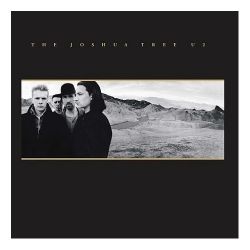
500 Greatest Albums of All Time

at least accord­ing to Rolling Stone. (Get the list here). Yes, these lists are always high­ly sub­jec­tive. But if I were the arbiter of musi­cal taste, I’d pick many of the same, so here it is.

The End of History Revisited

fukuy3.jpgStew­art Brand, the cre­ator of the icon­ic Whole Earth Cat­a­log, heads up the The Long Now Foun­da­tion, an orga­ni­za­tion com­mit­ted to cul­ti­vat­ing “slower/better” think­ing and fos­ter­ing greater respon­si­bil­i­ty over “the next 10,000 years.” (Yes, they’re ambi­tious.) To help bring this about, Brand hosts a month­ly speak­ing series that you can down­load as a pod­cast (iTunesFeedMP3s), and, in late June, he brought in Fran­cis Fukuya­ma to speak. Fukuya­ma, a pro­fes­sor of inter­na­tion­al polit­i­cal econ­o­my at Johns Hop­kins, first made a name for him­self in 1989 when, dur­ing the wan­ing days of the Cold War, he pub­lished an essay called “The End of His­to­ry?” (Lat­er, he would turn it into a best­selling book, The End of His­to­ry and the Last Man.) Steal­ing a page from Karl Marx, Fukuya­ma main­tained that his­to­ry had a direc­tion to it. It flowed with pur­pose, always bring­ing progress. But the end point was­n’t com­mu­nist utopia. It was lib­er­al democ­ra­cy mixed with free mar­ket eco­nom­ics. That’s where human­i­ty was col­lec­tive­ly head­ing, with a vic­to­ri­ous Amer­i­ca lead­ing the way. (In his orig­i­nal essay, he wrote, “What we may be wit­ness­ing is not just the end of the Cold War, or the pass­ing of a par­tic­u­lar peri­od of post-war his­to­ry, but the end of his­to­ry as such: that is, the end point of mankind’s ide­o­log­i­cal evo­lu­tion and the uni­ver­sal­iza­tion of West­ern lib­er­al democ­ra­cy as the final form of human gov­ern­ment.”)

In the inter­ven­ing years, the world’s move­ment toward west­ern democ­ra­cy has­n’t exact­ly fol­lowed a straight line, and the 9/11 attacks and the ensu­ing “War on Ter­ror” have seem­ing­ly lent cre­dence to a dim­mer world­view, one out­lined by Samuel Hunt­ing­ton in the con­tro­ver­sial book, The Clash of Civ­i­liza­tions and the Remak­ing of World Order. Speak­ing 18 years after the pub­li­ca­tion of his orig­i­nal essay (iTunesFeedMP3Blog), Fukuya­ma revis­its, clar­i­fies and large­ly defends his the­sis that lib­er­al democ­ra­cy is still on track to pre­vail. And that’s because, in his mind, there are deep eco­nom­ic, sci­en­tif­ic and tech­no­log­i­cal trends in motion that dri­ve almost inex­orably toward these polit­i­cal ends. Whether he is right or wrong, it’s impos­si­ble to say. Regard­less, his talk is smart, hard­ly dog­mat­ic, and worth your time.

SmartLinks From Our Readers

Below, we have some links rec­om­mend­ed by our read­ers. Feel free to send oth­er good bits our way. The more we give, the more we get. Just click here to send:

  • Sean Penn reads an excerpt from Bob Dylan’s auto­bi­og­ra­phy, Chron­i­cles, here. (Or check out the full audio­book ver­sion.)
  • Jared Dia­mond, the Pulitzer Prize-win­ning author of Guns, Germs, and Steel and Col­lapse speaks at The Long Now Foun­da­tion about why civ­i­liza­tions have his­tor­i­cal­ly endured or failed. Two impor­tant fac­tors include how they man­aged their nat­ur­al resources and dealt with cli­mate change. Does this ring any bells? Get the lec­ture here: (iTunesFeedMP3s)
  • Ayn Rand’s Lit­er­a­ture of Cap­i­tal­ism. A piece in The New York Times explores Atlas Shrugged and its impact on Alan Greenspan.
  • Inter­view with Hal Var­i­an, Chief Econ­o­mist at Google (and UC Berke­ley Pro­fes­sor), who talks (iTunes - FeedMP3Web Site) about the inter­net as an “engine for democ­ra­cy.”
  • Appear­ing in The New York Review of Books, this piece, enti­tled Cit­i­zen Gore, takes a look a Al Gore’s new book, The Assault on Rea­son, and how Gore, being freed up from pol­i­tics, has been remark­ably able to prod the con­science of the nation. For some, how­ev­er, it’s not enough. Hence the recent “Draft Al Gore” cam­paign that has got­ten under­way.
  • Check out the Voodoo Music Fes­ti­val com­ing up on Octo­ber 26, 27 & 28 in New Orleans. The line­up of artists includes Rage Against The Machine, Com­mon, Tiesto, The Smash­ing Pump­kins, Black Rebel Motor­cy­cle Club, M.I.A., Ben Harp­er, Wilco and more. To win pass­es to the show and some trav­el mon­ey, you can enter a con­test here.

Remembering Lenny Bruce and When Taboo-Breaking Comedy Collided with the Law

Lenny Bruce (born Leonard Alfred Schnei­der) intro­duced a strong­ly satir­i­cal, taboo-break­ing form of com­e­dy dur­ing the 1950s and 1960s, which paved the way for some of America’s great come­di­ans Richard Pry­or, George Car­lin, Chris Rock, even John Stew­art. And for ush­er­ing in this new era of com­e­dy, Bruce paid a heavy per­son­al price. In 1961, San Fran­cis­co author­i­ties arrest­ed Bruce on obscen­i­ty charges. Then, in 1964, Bruce found him­self in the crosshairs of Manhattan’s Dis­trict Attor­ney, Frank Hor­gan. A six month tri­al fol­lowed, which raised impor­tant First Amend­ment issues, and which also brought Woody Allen, Bob Dylan, Allen Gins­berg, Nor­man Mail­er, and William Sty­ron to Bruce’s defense. (Dylan would lat­er write a song about the affair.) But, regard­less, the tri­al end­ed bad­ly for Bruce, and, two years lat­er, the impov­er­ished come­di­an would die of a hero­in over­dose.

For Bruce’s lega­cy, things have got­ten a lit­tle bet­ter. In 2003, Gov­er­nor George Pata­ki grant­ed New York’s first posthu­mous par­don to the satirist, call­ing it “a dec­la­ra­tion of New York’s com­mit­ment to uphold­ing the First Amend­ment.” Mean­while, legal schol­ars have writ­ten books that paint Bruce and his First Amend­ment bat­tles in a rather sym­pa­thet­ic light. Below you can find a video clip of Lenny Bruce appear­ing on the very pop­u­lar Steve Allen Show. It gives you a pret­ty good look at the brand of com­e­dy that Bruce pre­sent­ed to the wider nation. (You can access Part II of the video here.) Beyond this, you may also want to check out the actu­al FBI file that was kept on Bruce. It’s been pub­lished thanks to the Free­dom of Infor­ma­tion Act. And if you’re up for more video footage, here is a clear­ly deflat­ed Bruce using his tri­al as fod­der for com­e­dy.

The New iPod Lineup Versus Its Rivals

ipodtouch2.jpgSince we talk a lot here about pod­casts and mp3 files, it seems worth flag­ging this Yahoo gad­get review that pits the new iPod line­up against its rivals. Here, we’ve got the new iPod Touch v. the Sam­sung Yepp YP-P2; the new Nano (with video) v. the Sansa View, and the iPod Clas­sic v. Microsoft­’s Zune. The net result is that the new iPods come out ahead, but not by much. Get review here.

(For anoth­er review of the new iPod Touch, have a look at this piece on Giz­mo­do.)

Quick note: As part of the new line­up, the iPod Clas­sic fea­tures a new 160 GB mod­el for $349. It appar­ent­ly holds 40,000 songs (twice as many as the pre­vi­ous mod­el), which trans­lates to three con­tin­u­ous months of lis­ten­ing enter­tain­ment. Imag­ine how many mind-expand­ing pod­casts that could include.

Sub­scribe to our feed

New R.E.M. Concert Video “Leaving New York”

Below we have “R.E.M. Live, record­ed on the Around the World Tour, which pro­mot­ed Around the Sun, a stu­dio album from 2004. It is to be released Octo­ber 16.” (Thanks to Justin for the clar­i­fi­ca­tion.)

Source: Stere­ogum. (For more music, check out our col­lec­tion of MP3 Blogs.)

For more smart media, sub­scribe to our feed

by | Permalink | Make a Comment ( 1 ) |

Falling Man 9–11

fallingman.jpgOn the anniver­sary of the Sep­tem­ber 11th attacks, it seems fit­ting to call atten­tion to Don DeLil­lo’s Falling Man, a recent addi­tion to the grow­ing body of fic­tion now known as “9/11 nov­el.” How­ev­er you may feel about DeLil­lo’s writ­ing style (we often find that it grates), Falling Man adept­ly cap­tures the emo­tion­al and phys­i­cal haze that sur­round­ed NYC in the wake of the attacks. In inter­views with Guer­ni­ca and NPR’s All Things Con­sid­ered, DeLil­lo talks about the influ­ences that led him to explore the attacks and their after­math from the per­spec­tive of both a ter­ror­ist and a sur­vivor. If lis­ten­ing to the book is more your speed, check out the audio ver­sion at Ama­zon or the down­load at Audi­ble.

This guest post was writ­ten by Noah Elkin.

Sub­scribe to our feed, and click here to access over 75 com­plete cours­es from some of the world’s lead­ing uni­ver­si­ties.

Meet Larry David (in Video)

larrydavid2.jpgHBO just start­ed air­ing the sixth sea­son of Curb Your Enthu­si­asm, so it seemed fit­ting to serve up this lengthy inter­view with Lar­ry David. The talk is very fun­ny. No shock there. But it also gets into some good sub­stance. How Lar­ry got into com­e­dy; how he strug­gled dur­ing his ear­ly standup years and had to scratch togeth­er mon­ey for a can of Chef Boyardee; how he approach­es writ­ing com­e­dy; how he has gen­er­at­ed ideas for the most mem­o­rable episodes of “Curb” and Sein­feld — it all gets touched on here.

We have includ­ed the first part below, plus links to the oth­er sev­en seg­ments. For more Lar­ry David inter­views, check out the 60 Min­utes piece on Lar­ry from this past week­end. You can watch it online here.

Part 2, 3, 4, 5, 6, 7, and 8.

Life-Changing Books Now on Google’s “My Library”

A few weeks ago, our read­ers con­tributed to cre­at­ing a list of books that left an indeli­ble mark on their lives. You can review the orig­i­nal post here. But we fig­ured why not add them to our “My Library” page on Google, a new prod­uct that we briefly men­tioned yes­ter­day. You can access the col­lec­tion here (or get it by rss feed). And, as you’ll see, we also import­ed to the list all of our users’ com­ments on the indi­vid­ual books. Explore the list, find a great read, and pass it along to a wor­thy friend.

Relat­ed Con­tent:

Down­load over 100 clas­sic audio­books as free pod­casts, or learn over 25 for­eign lan­guages with, yes, more free pod­casts.

Sub­scribe to our feed

by | Permalink | Make a Comment ( 3 ) |

The World Without Us: The Staggering Thought Experiment

worldwithout2.jpgWhat if we dis­ap­peared from the face of the earth tomor­row? All of us, just like that? What would hap­pen? How would the remain­ing world sur­vive or thrive with­out us? That’s the sce­nario that sci­ence writer Alan Weis­man works through in his new eco-thriller, The World With­out Us.

Based on his con­sid­er­able research and exten­sive inter­views with experts, Weis­man sees things play­ing out like this (and here I’m quot­ing from the New York Times book review): “With no one left to run the pumps, New York’s sub­way tun­nels would fill with water in two days. With­in 20 years, Lex­ing­ton Avenue would be a riv­er. Fire- and wind-rav­aged sky­scrap­ers would even­tu­al­ly fall like giant trees. With­in weeks of our dis­ap­pear­ance, the world’s 441 nuclear plants would melt down into radioac­tive blobs, while our petro­chem­i­cal plants, ‘tick­ing time bombs’ even on a nor­mal day, would become flam­ing gey­sers spew­ing tox­ins for decades to come… After about 100,000 years, car­bon diox­ide would return to pre­hu­man lev­els. Domes­ti­cat­ed species from cat­tle to car­rots would revert back to their wild ances­tors. And on every dehabi­tat­ed con­ti­nent, forests and grass­lands would reclaim our farms and park­ing lots as ani­mals began a slow parade back to Eden.” And, it’s also help­ful to know, per­haps, that not even cock­roach­es would fare well in a world with­out Homo sapi­ens.

How Weis­man researched this big ques­tion and drew his con­clu­sions is fas­ci­nat­ing, and for­tu­nate­ly it’s all explained in this Sci­en­tif­ic Amer­i­can pod­cast (iTunesFeedWeb Site) that fea­tures two recent inter­views with Weis­man. You can also catch Weis­man speak­ing on John Stew­art’s Dai­ly Show in less sci­en­tif­ic terms. Watch the video here.

Sub­scribe to our feed in a read­er

Relat­ed Con­tent:

Google’s “My Library” (and Other Bookish Social Networks)

As part of Google’s push into the dig­i­tal book mar­ket (see Fri­day’s post), the com­pa­ny launched last week My Library, which lets you cre­ate lists of your own books, search the con­tent of your book inven­to­ry by key­word, and then share your book lists with friends. (You can see exam­ples of these book lists here and here, and also get Google’s offi­cial spiel on the project here.) It’s a nice idea for stu­dents and schol­ars, but will it have much take-up with the broad­er read­ing pub­lic? I’m skep­ti­cal, but you tell me? We’ve got many bona fide read­ers here. Will you be sink­ing time into build­ing your Google Library? Or are you instead ever-refin­ing your Face­book pro­file and shar­ing book­lists there? Yeah, that’s what I thought.

Check out the Visu­al Book­shelf app on Face­book, which offers an effec­tive way of shar­ing your books with your social net­work. Also be sure to scan Deeplink­ing’s com­pi­la­tion, The Big List of Book­ish Social Net­works. Final­ly, if you cre­ate a book­list on Google Library (start mak­ing one here), send the urls our way and we’ll post them.

Sub­scribe to our feed in a read­er.

by | Permalink | Make a Comment ( 6 ) |


  • Great Lectures

  • Sign up for Newsletter

  • About Us

    Open Culture scours the web for the best educational media. We find the free courses and audio books you need, the language lessons & educational videos you want, and plenty of enlightenment in between.


    Advertise With Us

  • Archives

  • Search

  • Quantcast