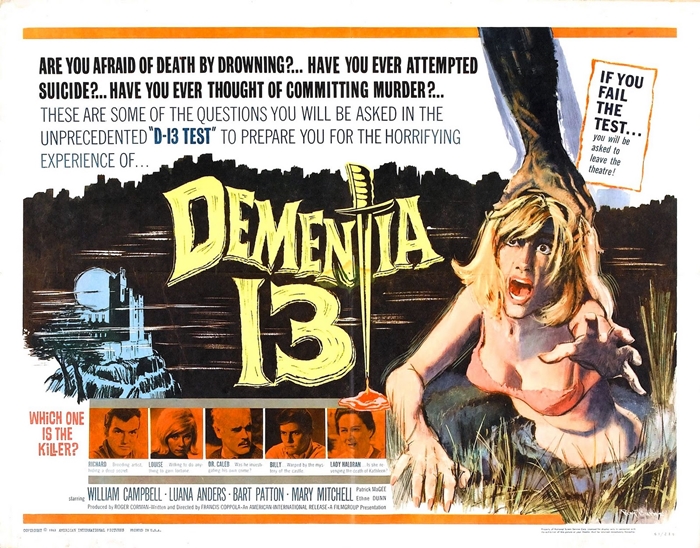
The Top Five Regrets of the Dying

A lit­tle food for thought. The Guardian talked with a pal­lia­tive nurse who has record­ed the most com­mon regrets of the dying. It’s worth giv­ing the top five regrets a read, espe­cial­ly if you’re at risk of end­ing up in the same pen­i­tent place. Here, the nurse lists the mis­giv­ing most com­mon­ly cit­ed by men: “I wish I had­n’t worked so hard.”

This came from every male patient that I nursed. They missed their chil­dren’s youth and their part­ner’s com­pan­ion­ship. Women also spoke of this regret, but as most were from an old­er gen­er­a­tion, many of the female patients had not been bread­win­ners. All of the men I nursed deeply regret­ted spend­ing so much of their lives on the tread­mill of a work exis­tence.

You can read the rest here

James Joyce Reads ‘Anna Livia Plurabelle’ from Finnegans Wake

Today is the birth­day of James Joyce, who was born in Dublin on Feb­ru­ary 2, 1882, and wrote in A Por­trait of the Artist as a Young Man: “Wel­come, O life! I go to encounter for the mil­lionth time the real­i­ty of expe­ri­ence and to forge in the smithy of my soul the uncre­at­ed con­science of my race.”

To cel­e­brate his life, we present an August 1929 record­ing of Joyce read­ing a melo­di­ous pas­sage from the “Anna Livia Plura­belle” chap­ter of his Work in Progress, which would be pub­lished ten years lat­er as Finnegans Wake. The record­ing was made in Cam­bridge, Eng­land, at the arrange­ment of Joyce’s friend and pub­lish­er Sylvia Beach. “How beau­ti­ful the ‘Anna Livia’ record­ing is,” wrote Beach in her mem­oir, Shake­speare and Com­pa­ny, “and how amus­ing Joyce’s ren­der­ing of an Irish wash­er­wom­an’s brogue!”

If you would like to sign up for Open Culture’s free email newslet­ter, please find it here. It’s a great way to see our new posts, all bun­dled in one email, each day.

If you would like to sup­port the mis­sion of Open Cul­ture, con­sid­er mak­ing a dona­tion to our site. It’s hard to rely 100% on ads, and your con­tri­bu­tions will help us con­tin­ue pro­vid­ing the best free cul­tur­al and edu­ca­tion­al mate­ri­als to learn­ers every­where. You can con­tribute through Pay­Pal, Patre­on, and Ven­mo (@openculture). Thanks!

Relat­ed Con­tent:

Mar­i­lyn Mon­roe Reads Joyce’s Ulysses at the Play­ground (1955)

James Joyce’s Ulysses: Down­load the Free Audio Book

Death Masks: From Dante to James Joyce and Friedrich Niet­zsche

Shakespeare’s Julius Caesar Read in Celebrity Voices

Last sum­mer, actor Jim Meski­men pro­duced a viral video where he imper­son­at­ed 25 famous fig­ures recit­ing Clarence’s mono­logue from Shake­speare’s great his­to­ry play, Richard III. Woody Allen, Jack Nichol­son, Jim­my Stew­art — they all made an appear­ance.

Now, Meski­men returns with a new cast of char­ac­ters, and this time he’s read­ing lines from Marc Antony’s famous speech in Julius Cae­sar.

If you live in LA, you can see the impres­sion­ist per­form live at The Act­ing Cen­ter on Feb­ru­ary 17 & 18 at 8 p.m. Enjoy.

Relat­ed Con­tent:

Nine Imper­son­ations by Kevin Spacey in Six Min­utes

F. Scott Fitzger­ald Reads Shake­speare

William S. Bur­roughs Shoots Shake­speare

A Roundup of David Lynch’s Surreal Commercials: Sony PlayStation, Calvin Klein, Georgia Coffee & More

The films of David Lynch seem any­thing but “com­mer­cial.” Dis­turb­ing, incom­pre­hen­si­ble, they shine a flash­light into the dark­est regions of the sub­con­scious mind. When you walk out of a the­ater after watch­ing a David Lynch film you feel like you just woke up from a vivid and unset­tling dream.

But Lynch has been lead­ing a dou­ble life. While mak­ing uncom­pro­mis­ing­ly artis­tic works for the movie the­aters, he has been direct­ing com­mer­cials for tele­vi­sion and oth­er media on the side. Why does he do it? “Well,” Lynch told Chris Rod­ley in Lynch on Lynch, “they’re lit­tle bit­ty films, and I always learn some­thing by doing them.”

Lynch began receiv­ing offers to make com­mer­cials after the crit­i­cal suc­cess of Blue Vel­vet in 1986. His first project was a series of four 30-sec­ond spots for Calvin Klein’s Obses­sion fra­grance in 1988, each with a pas­sage writ­ten by a famous nov­el­ist. The ad above quotes Ernest Hem­ing­way’s The Sun Also Ris­es. You can also watch com­mer­cials fea­tur­ing F. Scott Fitzger­ald and D.H. Lawrence, but the fourth one, fea­tur­ing Gus­tave Flaubert, is cur­rent­ly unavail­able.

Lynch has com­plet­ed many adver­tis­ing assign­ments over the years, always man­ag­ing to retain some­thing of his unique vision in the process. We’ve select­ed some of the most strik­ing­ly “Lynchi­an” of the com­mer­cials. Scroll down and enjoy.

When Lynch was asked a few years ago how he felt about prod­uct place­ment in movies, his video­taped answer went viral on YouTube: “Bull­shit. That’s how I feel. Total fuck­ing bull­shit.” So it’s strange to think that Lynch once agreed to place the entire fic­tion­al world of one of his most famous cre­ations, Twin Peaks, at the ser­vice of a Japan­ese cof­fee com­pa­ny. But that’s what he did in 1991, for Geor­gia Cof­fee. In Lynch on Lynch, the film­mak­er was asked whether he was con­cerned about what the com­mer­cials might do to the Twin Peaks image. “Yes,” he replied. “I’m real­ly against it in prin­ci­ple, but they were so much fun to do, and they were only run­ning in Japan and so it just felt OK.”

The four com­mer­cials, each only 30 sec­onds long, fol­low FBI Spe­cial Agent Dale Coop­er (Kyle McLach­lan) as he solves the mys­tery of a miss­ing Japan­ese woman in the town of Twin Peaks, all the while man­ag­ing to enjoy plen­ty of “damn fine” Geor­gia Cof­fee. Alas, the Japan­ese com­mer­cials were not as suc­cess­ful as the Amer­i­can TV series. “We were sup­posed to do a sec­ond year, and do four more 30-sec­ond spots,” Lynch said, “but they did­n’t want to do them.”

You can watch the first episode, “Lost,” above, and fol­low the rest of the sto­ry through these links: Episode Two: “Cher­ry Pie,” Episode Three: “The Mys­tery of ‘G’ ” and Episode Four: “The Res­cue.”


In 1991 Lynch made one of the creepi­est pub­lic ser­vice mes­sages ever (above) con­cern­ing New York City’s rat prob­lem. The cin­e­matog­ra­phy is by Lynch’s long­time col­lab­o­ra­tor Fred­er­ick Elmes.

“Who is Gio” (above) was shot for Geor­gio Armani in Los Ange­les in ear­ly 1992, right when sev­er­al Los Ange­les police offi­cers were acquit­ted in the video­taped beat­ing of black motorist Rod­ney King–a ver­dict that sparked may­hem in the streets. “We were shoot­ing the big scene with the musi­cians and the club the night the riots broke out in LA,” Lynch told Chris Rod­ley. “Inside the club we were all races and reli­gions, get­ting along so fan­tas­ti­cal­ly, and out­side the club the world was com­ing apart.”

Of all his ear­ly adver­tis­ing clients, Lynch said, Armani gave him the most free­dom. The two-and-a-half-minute ver­sion above is an exten­sion of the orig­i­nal­ly broad­cast 60-sec­ond com­mer­cial.

One of the most bizarre of Lynch’s com­mer­cials is his 1998 con­tri­bu­tion (above) to the “Parisi­enne Peo­ple” cam­paign. The Swiss cig­a­rette mak­er Parisi­enne invit­ed famous direc­tors to make short com­mer­cials for screen­ing in movie the­aters across Switzer­land. To see how oth­ers han­dled the same assign­ment, fol­low these links: Roman Polan­s­kiRobert Alt­man, Jean-Luc Godard (with wife Anne-Marie Miéville), Giuseppe Tor­na­tore, and Ethan and Joel Coen.

Lynch’s sur­re­al 2000 com­mer­cial for Sony Playsta­tion (above), called “The Third Place,” is wide open for inter­pre­ta­tion. Writer Greg Olson takes a hero­ic stab at it in his book, David Lynch: Beau­ti­ful Dark:

For six­ty sec­onds we pro­ceed through a labyrinth of Lynchi­an themes and motifs visu­al­ized in black and white, thus sig­ni­fy­ing the bifur­ca­tion of the world into two polar­i­ties. A man in a black suit and a white shirt encoun­ters eerie pas­sage­ways, sud­den flames, bar­ren trees, fac­to­ry smoke, a woman who won’t speak her secrets, a wound­ed fig­ure wrapped in ban­dages. The man meets his own dou­ble, and a man with a duck­’s head. A source­less voice asks, “Where are we?” The dual­is­tic duck-man, who syn­the­sizes ani­mal instinct and human learn­ing, knows: “Wel­come to the third place.”

Yes. The duck-man knows.

Relat­ed Con­tent:

David Lynch Debuts Lady Blue Shang­hai

David Lynch’s Organ­ic Cof­fee (Bar­bie Head Not Includ­ed)

The Archaeology of an Ant Colony

Ants nev­er cease to amaze. They nav­i­gate the world with inter­nal pedome­ters. They can build a life raft in 100 sec­onds flat. And, fur­ther demon­strat­ing the remark­able pow­ers of de-cen­tral­ized intel­li­gence, they can tun­nel into the earth and pro­duce sprawl­ing under­ground colonies, struc­tures equiv­a­lent to humans build­ing the Great Wall of Chi­na. This clip comes from the doc­u­men­tary Ants: Nature’s Secret Pow­er, which appears in full here. H/T Boing­Bo­ing.

by | Permalink | Make a Comment ( 2 ) |

Philip Glass Composes Music for a Sesame Street Animation (1979)

Last night, Philip Glass cel­e­brat­ed his 75th birth­day at Carnegie Hall, attend­ing the US pre­miere of his Ninth Sym­pho­ny. His long and illus­tri­ous career con­tin­ues. But today we’re bring­ing you back to 1979, when Glass wrote a com­po­si­tion to accom­pa­ny “Geom­e­try of Cir­cles,” a four-part series of ani­ma­tions that aired on the beloved chil­dren’s show Sesame Street. A strange detour for an influ­en­tial com­pos­er? Not real­ly. Not when you con­sid­er that Glass came out of a 1960s tra­di­tion that made mod­ern music more play­ful and approach­able.

And speak­ing of approach­able, don’t miss Philip Glass get­ting inter­viewed by his friend­ly cousin Ira Glass. You know Ira as the host of This Amer­i­can Life. The inter­view took place in 1999, and NPR final­ly brought it back yes­ter­day, at least for a lim­it­ed time. You can lis­ten here.

If you would like to sign up for Open Culture’s free email newslet­ter, please find it here. It’s a great way to see our new posts, all bun­dled in one email, each day.

If you would like to sup­port the mis­sion of Open Cul­ture, con­sid­er mak­ing a dona­tion to our site. It’s hard to rely 100% on ads, and your con­tri­bu­tions will help us con­tin­ue pro­vid­ing the best free cul­tur­al and edu­ca­tion­al mate­ri­als to learn­ers every­where. You can con­tribute through Pay­Pal, Patre­on, and Ven­mo (@openculture). Thanks!

Relat­ed Con­tent:

Ira Glass on the Art of Sto­ry­telling

A Min­i­mal Glimpse of Philip Glass

Philip Glass & Lou Reed at Occu­py Lin­coln Cen­ter: An Art­ful View

by | Permalink | Make a Comment ( 3 ) |

Paul McCartney’s New Album, Kisses On The Bottom, Streaming for Free

Kiss­es On The Bot­tom — it’s Paul McCart­ney’s 35th post-Bea­t­les album, his most provoca­tive­ly-titled album to be sure, and a great stroll down mem­o­ry lane. The album fea­tures cov­ers of jazz stan­dards, most­ly writ­ten dur­ing the 1920s and 1930s. It’s the music that McCart­ney’s father loved to play on the fam­i­ly piano, giv­ing the younger McCart­ney his first intro­duc­tion to music. Diana Krall, Ste­vie Won­der and Eric Clap­ton make guest appear­ances. The new album goes on sale next week (pre-order it here), but you can stream it for free (in its entire­ty) on NPR or via The Guardian. Lis­ten quick­ly, because the free stream will only last for a lim­it­ed time.

P.S. Leonard Cohen’s lat­est album, his first in sev­en years, is still stream­ing online too. More here.

Relat­ed Con­tent:

Here Comes The Sun: The Lost Gui­tar Solo by George Har­ri­son

Gui­tarist Randy Bach­man Demys­ti­fies the Open­ing Chord of ‘A Hard Day’s Night’

The Bea­t­les’ Rooftop Con­cert: The Last Gig

Three Passions of Bertrand Russell (and a Collection of Free Texts)

“Three pas­sions, sim­ple but over­whelm­ing­ly strong, have gov­erned my life,” wrote Bertrand Rus­sell in the pro­logue to his auto­bi­og­ra­phy: “the long­ing for love, the search for knowl­edge, and unbear­able pity for the suf­fer­ing of mankind.”

This five minute video, a pre­view of a three-part series pro­duced in 2005 for Ontario pub­lic tele­vi­sion called “The Three Pas­sions of Bertrand Rus­sell,” fea­tures a record­ing of Rus­sell read­ing pas­sages from the pro­logue, enti­tled “What I Have Lived For.” You can read the orig­i­nal text at the Bertrand Rus­sell Soci­ety, an excel­lent online resource, that also makes avail­able free books by Rus­sell, includ­ing:

You can also down­load the first edi­tion of Rus­sel­l’s land­mark 1910–13 col­lab­o­ra­tion with Alfred North White­head, Prin­cip­ia Math­e­mat­i­ca, as well as many of Rus­sel­l’s essays, includ­ing:

To explore the full list of avail­able resources, and to learn how you can sup­port the soci­ety’s activ­i­ties, vis­it the Bertrand Rus­sell Soci­ety web­site.

Also don’t miss some great Rus­sell mate­r­i­al in our own archives, includ­ing all six of his 1948 BBC Rei­th Lec­tures, a clip from a Cana­di­an tele­vi­sion inter­view fea­tur­ing his views on God, and his elo­quent 1959 mes­sage to the future.

Writing Tips by Henry Miller, Elmore Leonard, Margaret Atwood, Neil Gaiman & George Orwell

Image by Austin Kleon

Here’s one way to become a bet­ter writer. Lis­ten to the advice of writ­ers who earn their dai­ly bread with their pens. Dur­ing the past week, lists of writ­ing com­mand­ments by Hen­ry Miller, Elmore Leonard (above) and William Safire have buzzed around Twit­ter. (Find our Twit­ter stream here.) So we decid­ed to col­lect them and add tips from a few oth­er vet­er­ans — name­ly, George Orwell, Mar­garet Atwood, and Neil Gaiman. Here we go:

Hen­ry Miller (from Hen­ry Miller on Writ­ing)

1. Work on one thing at a time until fin­ished.
2. Start no more new books, add no more new mate­r­i­al to “Black Spring.”
3. Don’t be ner­vous. Work calm­ly, joy­ous­ly, reck­less­ly on what­ev­er is in hand.
4. Work accord­ing to the pro­gram and not accord­ing to mood. Stop at the appoint­ed time!
5. When you can’t cre­ate you can work.
6. Cement a lit­tle every day, rather than add new fer­til­iz­ers.
7. Keep human! See peo­ple; go places, drink if you feel like it.
8. Don’t be a draught-horse! Work with plea­sure only.
9. Dis­card the Pro­gram when you feel like it–but go back to it the next day. Con­cen­trate. Nar­row down. Exclude.
10. For­get the books you want to write. Think only of the book you are writ­ing.
11. Write first and always. Paint­ing, music, friends, cin­e­ma, all these come after­wards.

George Orwell (From Why I Write)

1. Nev­er use a metaphor, sim­i­le, or oth­er fig­ure of speech which you are used to see­ing in print.
2. Nev­er use a long word where a short one will do.
3. If it is pos­si­ble to cut a word out, always cut it out.
4. Nev­er use the pas­sive where you can use the active.
5. Nev­er use a for­eign phrase, a sci­en­tif­ic word, or a jar­gon word if you can think of an every­day Eng­lish equiv­a­lent.
6. Break any of these rules soon­er than say any­thing out­right bar­barous.

Mar­garet Atwood (orig­i­nal­ly appeared in The Guardian)

1. Take a pen­cil to write with on aero­planes. Pens leak. But if the pen­cil breaks, you can’t sharp­en it on the plane, because you can’t take knives with you. There­fore: take two pen­cils.
2. If both pen­cils break, you can do a rough sharp­en­ing job with a nail file of the met­al or glass type.
3. Take some­thing to write on. Paper is good. In a pinch, pieces of wood or your arm will do.
4. If you’re using a com­put­er, always safe­guard new text with a ­mem­o­ry stick.
5. Do back exer­cis­es. Pain is dis­tract­ing.
6. Hold the read­er’s atten­tion. (This is like­ly to work bet­ter if you can hold your own.) But you don’t know who the read­er is, so it’s like shoot­ing fish with a sling­shot in the dark. What ­fas­ci­nates A will bore the pants off B.
7. You most like­ly need a the­saurus, a rudi­men­ta­ry gram­mar book, and a grip on real­i­ty. This lat­ter means: there’s no free lunch. Writ­ing is work. It’s also gam­bling. You don’t get a pen­sion plan. Oth­er peo­ple can help you a bit, but ­essen­tial­ly you’re on your own. ­Nobody is mak­ing you do this: you chose it, so don’t whine.
8. You can nev­er read your own book with the inno­cent antic­i­pa­tion that comes with that first deli­cious page of a new book, because you wrote the thing. You’ve been back­stage. You’ve seen how the rab­bits were smug­gled into the hat. There­fore ask a read­ing friend or two to look at it before you give it to any­one in the pub­lish­ing busi­ness. This friend should not be some­one with whom you have a ­roman­tic rela­tion­ship, unless you want to break up.
9. Don’t sit down in the mid­dle of the woods. If you’re lost in the plot or blocked, retrace your steps to where you went wrong. Then take the oth­er road. And/or change the per­son. Change the tense. Change the open­ing page.
10. Prayer might work. Or read­ing ­some­thing else. Or a con­stant visual­isation of the holy grail that is the fin­ished, pub­lished ver­sion of your resplen­dent book.

Neil Gaiman (read his free short sto­ries here)

1. Write.
2. Put one word after anoth­er. Find the right word, put it down.
3. Fin­ish what you’re writ­ing. What­ev­er you have to do to fin­ish it, fin­ish it.
4. Put it aside. Read it pre­tend­ing you’ve nev­er read it before. Show it to friends whose opin­ion you respect and who like the kind of thing that this is.
5. Remem­ber: when peo­ple tell you some­thing’s wrong or does­n’t work for them, they are almost always right. When they tell you exact­ly what they think is wrong and how to fix it, they are almost always wrong.
6. Fix it. Remem­ber that, soon­er or lat­er, before it ever reach­es per­fec­tion, you will have to let it go and move on and start to write the next thing. Per­fec­tion is like chas­ing the hori­zon. Keep mov­ing.
7. Laugh at your own jokes.
8. The main rule of writ­ing is that if you do it with enough assur­ance and con­fi­dence, you’re allowed to do what­ev­er you like. (That may be a rule for life as well as for writ­ing. But it’s def­i­nite­ly true for writ­ing.) So write your sto­ry as it needs to be writ­ten. Write it ­hon­est­ly, and tell it as best you can. I’m not sure that there are any oth­er rules. Not ones that mat­ter.

William Safire (the author of the New York Times Mag­a­zine col­umn “On Lan­guage”)

1. Remem­ber to nev­er split an infini­tive.
2. The pas­sive voice should nev­er be used.
3. Do not put state­ments in the neg­a­tive form.
4. Verbs have to agree with their sub­jects.
5. Proof­read care­ful­ly to see if you words out.
6. If you reread your work, you can find on reread­ing a great deal of rep­e­ti­tion can be by reread­ing and edit­ing.
7. A writer must not shift your point of view.
8. And don’t start a sen­tence with a con­junc­tion. (Remem­ber, too, a prepo­si­tion is a ter­ri­ble word to end a sen­tence with.)
9. Don’t overuse excla­ma­tion marks!!
10. Place pro­nouns as close as pos­si­ble, espe­cial­ly in long sen­tences, as of 10 or more words, to their antecedents.
11. Writ­ing care­ful­ly, dan­gling par­tici­ples must be avoid­ed.
12. If any word is improp­er at the end of a sen­tence, a link­ing verb is.
13. Take the bull by the hand and avoid mix­ing metaphors.
14. Avoid trendy locu­tions that sound flaky.
15. Every­one should be care­ful to use a sin­gu­lar pro­noun with sin­gu­lar nouns in their writ­ing.
16. Always pick on the cor­rect idiom.
17. The adverb always fol­lows the verb.
18. Last but not least, avoid clich­es like the plague; seek viable alter­na­tives.

Relat­ed Con­tent:

Ray Brad­bury Gives 12 Pieces of Writ­ing Advice to Young Authors (2001)

John Steinbeck’s Six Tips for the Aspir­ing Writer and His Nobel Prize Speech

Elmore Leonard’s Ulti­mate Guide for Would-Be Writ­ers

by | Permalink | Make a Comment ( 35 ) |

The Muppets Strike Back at Fox!

In Fox’s world, noth­ing good is ter­ri­bly safe. Even the lov­able Mup­pets fall under with­er­ing attack.

Last month, Fox Busi­ness spent sev­en min­utes (below) unrav­el­ing the left wing con­spir­a­cy in the lat­est Mup­pet movie. Then the Mup­pets, not tak­ing things lying down, struck back. Appear­ing at a press con­fer­ence in Lon­don last week, Ker­mit the Frog and Miss Pig­gy rebutted Fox’s charges in one com­ic minute. It’s a pret­ty fun­ny clip. But the best part is watch­ing a major news out­let argue with pup­pets.

If you need some­thing to make you feel bet­ter about the world, don’t miss Jim Hen­son’s 1969 primer on how to make your own pup­pets, using noth­ing oth­er than house­hold items. H/T SF Gate

by | Permalink | Make a Comment ( 4 ) |

Richard Brautigan’s Story, ‘One Afternoon in 1939,’ Read From a Wooden Spool

Today is the birth­day of Richard Brauti­gan, whose fun­ny and imag­i­na­tive books were a touch­stone for the 1960s coun­ter­cul­ture and have remained an inspi­ra­tion to free spir­its ever since. He would have been 77.

In this video, uploaded to the Inter­net exact­ly a year ago, Ianthe Brauti­gan Swensen reads her father’s sto­ry, “One After­noon in 1939,” from his col­lec­tion Revenge of the Lawn. Ianthe was one year old in 1961 when her father sat down with a portable type­writer on a fam­i­ly camp­ing trip to write his most famous work, Trout Fish­ing in Amer­i­ca, and she was 24 when he took his own life in 1984. Now she’s a writer and a teacher.

In 2001 Brauti­gan Swensen pub­lished You Can’t Catch Death: A Daugh­ter’s Mem­oir about her life with a dif­fi­cult but lov­ing father who liked to take her with him to his favorite San Fran­cis­co haunts dur­ing the 60s. “When I’m here,” she told the San Fran­cis­co Chron­i­cle on a vis­it to the city in 2000, “I still feel my father walk­ing the streets, I still feel my hand in his. And that’s a very hap­py feel­ing.”

If you would like to sign up for Open Culture’s free email newslet­ter, please find it here. It’s a great way to see our new posts, all bun­dled in one email, each day.

If you would like to sup­port the mis­sion of Open Cul­ture, con­sid­er mak­ing a dona­tion to our site. It’s hard to rely 100% on ads, and your con­tri­bu­tions will help us con­tin­ue pro­vid­ing the best free cul­tur­al and edu­ca­tion­al mate­ri­als to learn­ers every­where. You can con­tribute through Pay­Pal, Patre­on, and Ven­mo (@openculture). Thanks!


  • Great Lectures

  • Sign up for Newsletter

  • About Us

    Open Culture scours the web for the best educational media. We find the free courses and audio books you need, the language lessons & educational videos you want, and plenty of enlightenment in between.


    Advertise With Us

  • Archives

  • Search

  • Quantcast