How a Word Enters the Dictionary: A Quick Primer

Giv­en that you’re read­ing this on the Inter­net, we pre­sume you’ll be able to define many of the over 800 words that were added to the Mer­ri­am-Web­ster dic­tio­nary in 2018:

bio­hack­ing

bougie

binge­able

guac

hangry

Lat­inx

mock­tail

zoo­dles

But what about some of the humdingers lex­i­cog­ra­ph­er Kory Stam­per, for­mer asso­ciate edi­tor for Mer­ri­am-Web­ster and author of Word by Word: The Secret Life of Dic­tio­nar­ies, unleash­es in the above video?

pre­scrip­tivism

descrip­tivism

sprachge­fühl

ety­mo­log­i­cal fal­li­cist

(Bonus: bird strike)

And here we thought we were flu­ent in our native tongue. Face palm, to use anoth­er newish entry and an exam­ple of descrip­tivism. (It’s when the dic­tio­nary fol­lows the culture’s lead, accord­ing nov­el­ty its due by offi­cial­ly rec­og­niz­ing words that have entered the par­lance, rather than pre­scrib­ing the way cit­i­zens should be speak­ing.)

To hear Stam­per tell it, dic­tio­nary writ­ing is a dream gig for read­ers as well as word lovers.

Part of every day is spent read­ing, flag­ging any unfa­mil­iar words that may pop up for fur­ther research.

Did teenage slang give rise to it?

Was it born of busi­ness trends or tech indus­try advances?

Stam­per is adamant that lan­guage is not fixed, but rather a liv­ing organ­ism. Words go in and out of fash­ion, and take on mean­ings beyond the ones they sport­ed when first includ­ed in the dic­tio­nary. (Have a look at “extra” to see some evo­lu­tion­ary effects of the Eng­lish lan­guage and back it up with a peek inside the Urban Dic­tio­nary.)

Before a word pass­es dic­tio­nary muster, it must meet three cri­te­ria: it must have crossed into wide­spread use, it seems like­ly to stick around for a while, and it must have some sort of sub­stan­tive mean­ing, as opposed to being known sole­ly for its length (“antidis­es­tab­lish­men­tar­i­an­ism”), or some oth­er struc­tur­al won­der.

“Iouea” con­tains all five reg­u­lar vow­els and no oth­er let­ters. The fact that it exists to describe a genus of sea sponges may seem some­what beside the point to all but marine biol­o­gists.

What new words will enter the lex­i­con in 2019?

Per­haps we should look to the past. We set Merriam-Webster’s Time Trav­el­er dial back 100 years to dis­cov­er the words that debuted in 1919. There’s an abun­dance of good­ies here, some of whose WWI-era con­text has already expand­ed to accom­mo­date mod­ern mean­ing (anti-stress, fan­boy, super­pimp, unbuffered). Read­ers, care to take a stab at fresh­en­ing up some oth­er can­di­dates:

apple-knock­er

buck­shee

cape­skin

culti­gen

game­tophore

inter­ro­gee

micromethod

neu­ro­pro­tec­tive

out­gas

pre­re­turn

putsch

sce­nar­ist

Relat­ed Con­tent: 

The Largest His­tor­i­cal Dic­tio­nary of Eng­lish Slang Now Free Online: Cov­ers 500 Years of the “Vul­gar Tongue”

“Lynchi­an,” “Kubrick­ian,” “Taran­ti­noesque” and 100+ Film Words Have Been Added to the Oxford Eng­lish Dic­tio­nary

Dic­tio­nary of the Old­est Writ­ten Language–It Took 90 Years to Com­plete, and It’s Now Free Online

Ayun Hal­l­i­day is an author, illus­tra­tor, the­ater mak­er and Chief Pri­ma­tol­o­gist of the East Vil­lage Inky zine.  See her onstage in New York City Jan­u­ary 14 as host of The­ater of the Apes book-based vari­ety show, Necro­mancers of the Pub­lic Domain. Fol­low her @AyunHalliday.

11,000 Digitized Books From 1923 Are Now Available Online at the Internet Archive

Whether your inter­est is in win­ning argu­ments online or con­sid­er­ably deep­en­ing your knowl­edge of world cul­tur­al and intel­lec­tu­al his­to­ry, you will be very well-served by at least one gov­ern­ment agency from now into the fore­see­able future. Thanks to the expi­ra­tion of the so-called “Micky Mouse Pro­tec­tion Act,” the U.S. Copy­right Office will release a year’s worth of art, lit­er­a­ture, schol­ar­ship, pho­tog­ra­phy, film, etc. into the pub­lic domain, start­ing with 1923 this year then mov­ing through the 20th cen­tu­ry each sub­se­quent year.

And thanks to the ven­er­a­ble online insti­tu­tion the Inter­net Archive, we already have almost 11,000 texts from 1923 in mul­ti­ple dig­i­tal for­mats, just a click or two away.

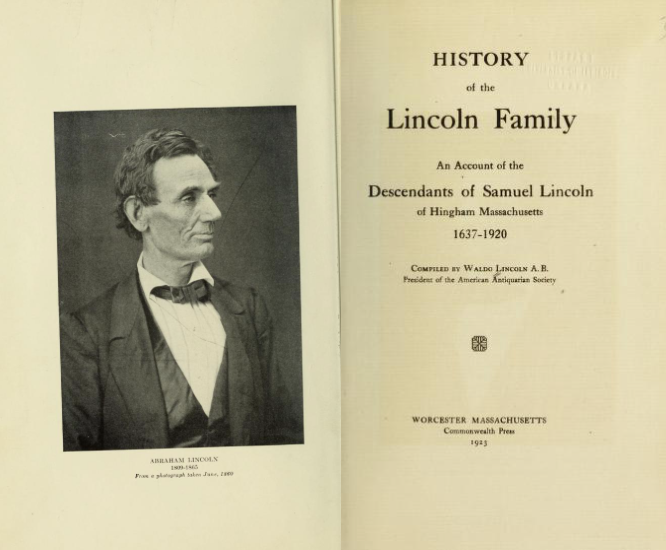
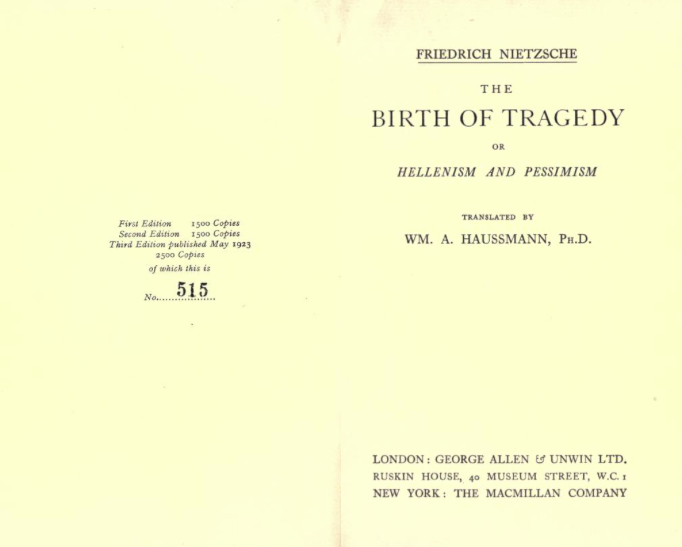
A cur­so­ry sur­vey pro­duced Wm. A. Haussmann’s trans­la­tion of Nietzsche’s The Birth of Tragedy, Arthur Stan­ley Eddington’s The Math­e­mat­i­cal The­o­ry of Rel­a­tiv­i­ty, Wal­do Lincoln’s His­to­ry of the Lin­coln Fam­i­ly, cov­er­ing the President’s ances­tors and descen­dants from 1637 to 1920…

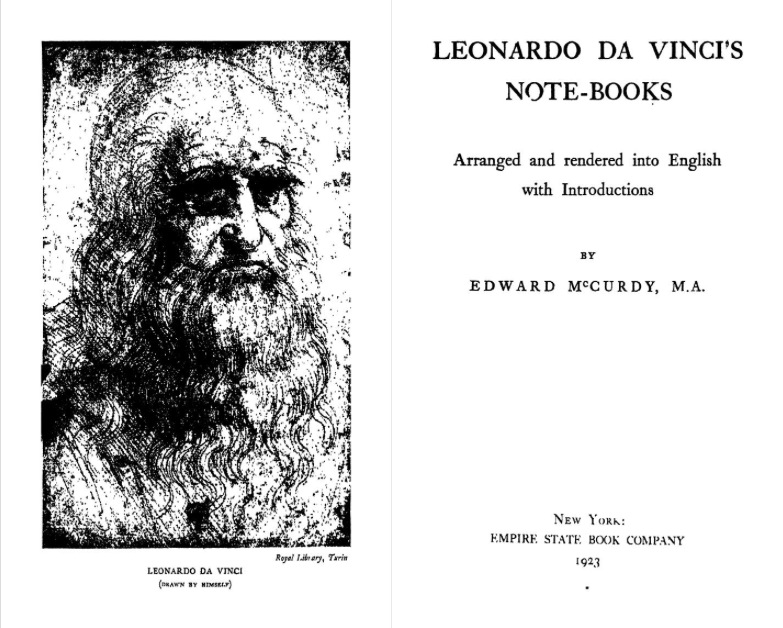
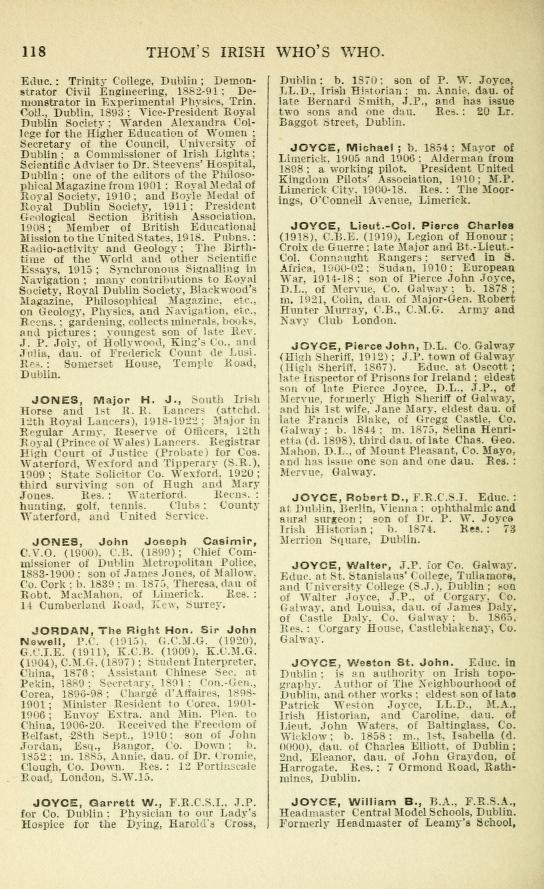
…Lynn Thorndike’s A His­to­ry of Mag­ic and Exper­i­men­tal Sci­ence, Vol­ume I, Chan­dra Chakraberty’s An Inter­pre­ta­tion of Ancient Hin­du Med­i­cine, Edward McCurdy’s trans­la­tions of Leonar­do da Vinci’s Note­books, Nan­dal Sinha’s trans­la­tion of The Vais­esi­ka Sutras of Kana­da, Win­ston Churchill’s The World Cri­sis, Hen­ry Adams Bel­lows’ trans­la­tion of The Poet­ic Edda, a col­lec­tion of Mussolini’s polit­i­cal speech­es from 1914–1923, and Thom’s Irish Who’s Who, which cat­a­logues “promi­nent men and women in Irish life at home and abroad,” but telling­ly leaves out James Joyce, who had just pub­lished Ulysses, to some infamy, the pre­vi­ous year. (It does include William But­ler Yeats.)

1923 turns out to have been a par­tic­u­lar­ly rich lit­er­ary year itself, with many of the 20th century’s finest writ­ers pub­lish­ing major and less­er-known works (see here and here, for exam­ple). Brows­ing and focused search­ing through the archive—by top­ic, col­lec­tion, cre­ator, and language—will net many a lit­er­ary clas­sic or over­looked gem by some famous author. But you’ll also find much in this enor­mous col­lec­tion of dig­i­tized books that you would nev­er think to look for, like brows­ing the shelves of a Bor­ge­sian uni­ver­si­ty library with an entire wing devot­ed to the year 1923.

The Inter­net Archive home­page looks as mod­est as it does ded­i­cat­ed, list­ing all of its top col­lec­tions rather than fore­ground­ing the huge tranche of new­ly-avail­able mate­r­i­al (and count­ing) on the 1923 shelves. But founder Brew­ster Kahle does not mince words in describ­ing its incred­i­ble impor­tance. “We have short­changed a gen­er­a­tion,” he says, “The 20th cen­tu­ry is large­ly miss­ing from the inter­net” (in legal­ly avail­able form, that is). Now and in the com­ing years, thou­sands of its sto­ries can be told by teach­ers, schol­ars, artists, and film­mak­ers with ever-broad­en­ing access to doc­u­men­tary his­to­ry.

Relat­ed Con­tent:   

An Avalanche of Nov­els, Films and Oth­er Works of Art Will Soon Enter the Pub­lic Domain: Vir­ginia Woolf, Char­lie Chap­lin, William Car­los Williams, Buster Keaton & More

The Library of Con­gress Makes Thou­sands of Fab­u­lous Pho­tos, Posters & Images Free to Use & Reuse

The Pub­lic Domain Project Makes 10,000 Film Clips, 64,000 Images & 100s of Audio Files Free to Use

Josh Jones is a writer and musi­cian based in Durham, NC. Fol­low him at @jdmagness

Watch the Painstaking and Nerve-Racking Process of Restoring a Drawing by Michelangelo

We live in a dis­pos­able cul­ture, but cer­tain things war­rant the time and effort of mend­ing—good shoes, hearts, Michelan­ge­lo draw­ings…

The Met­ro­pol­i­tan Muse­um of Art’s paper con­ser­va­tor Mar­jorie Shel­ley, above, had the nerve-wrack­ing task of tack­ling the lat­ter, in prepa­ra­tion for last year’s Michelan­ge­lo: Divine Drafts­man and Design­er exhi­bi­tion.

The work in ques­tion, a two-sided sketch fea­tur­ing designs for a mon­u­men­tal altar or facade, thought to be San Sil­ve­stro in Capite, Rome, arrived in sad con­di­tion.

The 16th-cen­tu­ry linen and flax paper on which the pre­cious ren­der­ings were made was stained with mold, and bad­ly creased due to a poor­ly repaired tear and two long-ago attempts to mount it for eas­i­er view­ing, one by the artist’s blind nephew and anoth­er by col­lec­tor and biog­ra­ph­er Fil­ip­po Bald­in­uc­ci.

Like many restora­tion experts, Shel­ley exhibits extra­or­di­nary patience and nerves of steel. Iden­ti­fy­ing the dam­age and its cause is just the begin­ning. The hands-on por­tion of her work involves intro­duc­ing sol­vents and mois­ture, both of which have the poten­tial to fur­ther dam­age the del­i­cate draw­ing. Even though she choos­es the least inva­sive of tools—a tiny brush—to loosen the 500-year-old adhe­sive, one slip could spell dis­as­ter. It’s not just the draw­ing that’s of his­tor­i­cal import. The well-intend­ed mount­ings are also part of the nar­ra­tive, and must be pre­served as such.

As she explains above, a bedaz­zling Sis­tine Chapel-like makeover was nei­ther pos­si­ble nor prefer­able.

One won­ders how many of the 702,516 vis­i­tors who attend­ed the exhi­bi­tion dur­ing its 3 month run noticed Shelley’s hand­i­work (or even the draw­ing itself, giv­en the large num­ber of oth­er, sex­i­er works on dis­play).

Relat­ed Con­tent:

Watch an Art Con­ser­va­tor Bring Clas­sic Paint­ings Back to Life in Intrigu­ing­ly Nar­rat­ed Videos

How an Art Con­ser­va­tor Com­plete­ly Restores a Dam­aged Paint­ing: A Short, Med­i­ta­tive Doc­u­men­tary

The Art of Restor­ing a 400-Year-Old Paint­ing: A Five-Minute Primer

Rembrandt’s Mas­ter­piece, The Night Watch, Will Get Restored and You Can Watch It Hap­pen Live, Online

Ayun Hal­l­i­day is an author, illus­tra­tor, the­ater mak­er and Chief Pri­ma­tol­o­gist of the East Vil­lage Inky zine.  See her onstage in New York City this Jan­u­ary as host of  The­ater of the Apes book-based vari­ety show, Necro­mancers of the Pub­lic Domain. Fol­low her @AyunHalliday.

The King and the Mockingbird: The Surreal French Animated Film That Took 30 Years to Complete, and Profoundly Influenced Hayao Miyazaki and Isao Takahata

Ani­ma­tion, as any­one who has ever tried their hand at it knows, takes a great deal of time. The King and the Mock­ing­bird (Le Roi et l’Oiseau), for exam­ple, required more than thir­ty years, a jour­ney length­ened by much more than just the labo­ri­ous­ness of bring­ing hand-drawn images to life. But it does that glo­ri­ous­ly, with a style and sen­si­bil­i­ty quite unlike any ani­mat­ed film made before or since — a sig­na­ture of its cre­ators, ani­ma­tor Paul Gri­mault and poet/screenwriter Jacques Prévert. Hav­ing already worked togeth­er on 1947’s Hans Chris­t­ian Ander­sen adap­ta­tion The Lit­tle Sol­dier (Le Petit sol­dat, not to be con­fused with the Godard pic­ture), they chose for their next col­lab­o­ra­tion to ani­mate Ander­sen’s sto­ry “The Shep­herdess and the Chim­ney Sweep.”

“The pompous King Charles, who hates his sub­jects and is equal­ly hat­ed in return, rules over the amus­ing­ly named land of Taki­car­dia,” writes crit­ic Christy Lemire. The most prized item in his art col­lec­tion is “his por­trait of a beau­ti­ful and inno­cent shep­herdess with whom he’s des­per­ate­ly in love. What he doesn’t know is that when he’s asleep, the shep­herdess and the chim­ney sweep in the adja­cent can­vas have been car­ry­ing on a sweet and ten­der affair.” Still King Charles keeps try­ing to win her, or steal her, for him­self, “but the cou­ple gets help thwart­ing him at every turn from the one char­ac­ter in the king­dom who does not wor­ship the monar­chy: the brash and trash-talk­ing Mr. Bird, a bright­ly-feath­ered racon­teur.” The film’s mood “shifts seam­less­ly from imp­ish, sil­ly adven­tures to grotesque and night­mar­ish suf­fer­ing. And then the giant robot arrives.”

This may sound ambi­tious, even for the only ani­mat­ed fea­ture in pro­duc­tion in Europe at the time. Alas, the com­pa­ny took Gri­mault and Prévert’s increas­ing­ly expen­sive project out of their hands after just a cou­ple of years, and in 1952 its pro­duc­er André Sar­rut sim­ply released it unfin­ished. (You can watch the now-pub­lic-domain Amer­i­can ver­sion of the film, dubbed by a cast head­ed by Peter Usti­nov and titled The Curi­ous Adven­tures of Mr. Won­der­bird, just above.) But Gri­mault and Prévert held fast to their vision, the lat­ter revis­ing the script until his death in 1977 and the for­mer, hav­ing won back the rights to the film, assem­bling a team of ani­ma­tors to pro­duce new scenes and cut out some of the old ones. This com­plete ver­sion of The King and the Mock­ing­bird had its French pre­miere in 1979, though it would­n’t reach Amer­i­ca until just a few years ago.

“I’m sure this all sounds famil­iar,” says Youtube ani­ma­tion video essay­ist Stevem in his analy­sis of The King and the Mock­ing­bird as a sur­re­al­ist film. “The pro­duc­tion was too ambi­tious, the com­pa­ny steps in and pulls it back, and in spite of its issues it’s remem­bered as a cult clas­sic, and inspired some of the big names along the way.” Those names include Stu­dio Ghi­b­li founders Hayao Miyaza­ki and Isao Taka­ha­ta. “We were formed by the films and film­mak­ers of the 1950s,” Miyaza­ki once said. “It was through watch­ing Le Roi et l’Oiseau by Paul Gri­mault that I under­stood how it was nec­es­sary to use space in a ver­ti­cal man­ner.” Taka­ha­ta saw Gri­mault as hav­ing “achieved bet­ter than any­one else a union between lit­er­a­ture and ani­ma­tion.”

Though Stu­dio Ghi­b­li’s fil­mog­ra­phy may offer plen­ty of mem­o­rably sur­re­al moments, The King and the Mock­ing­bird occu­pies a plane of ani­mat­ed sur­re­al­ism all its own. Draw­ing com­par­isons to Jean Cocteau’s The Blood of a Poet (pre­vi­ous­ly fea­tured here on Open Cul­ture), Stevem quotes the line from Andre Bre­ton’s Sur­re­al­ist Man­i­festo about “the belief in the supe­ri­or real­i­ty of cer­tain forms of pre­vi­ous­ly neglect­ed asso­ci­a­tions, in the omnipo­tence of dream, in the dis­in­ter­est­ed play of thought.” That’s the sort of expe­ri­ence Gri­mault and Prévert’s film, in its fin­ished state, offers, while also, in the words of Vul­ture’s Bilge Ebiri, draw­ing on “Fritz Lang and per­haps the style of Walt Dis­ney from the great era of Snow White. There are inter­est­ing antic­i­pa­to­ry echoes, not just of ani­me, but Roald Dahl and the Vul­gar­ia of Chit­ty Chit­ty Bang Bang.” Just the sort of mix­ture only pos­si­ble — only even imag­in­able — in ani­ma­tion.

Relat­ed Con­tent:

Take a Free Ani­ma­tion Course from a Renowned French Ani­ma­tion School

French Stu­dent Sets Inter­net on Fire with Ani­ma­tion Inspired by Moe­bius, Syd Mead & Hayao Miyaza­ki

Watch Moe­bius and Miyaza­ki, Two of the Most Imag­i­na­tive Artists, in Con­ver­sa­tion (2004)

Métal hurlant: The Huge­ly Influ­en­tial French Com­ic Mag­a­zine That Put Moe­bius on the Map & Changed Sci-Fi For­ev­er

Sal­vador Dalí & Walt Disney’s Short Ani­mat­ed Film, Des­ti­no, Set to the Music of Pink Floyd

David Lynch Presents the His­to­ry of Sur­re­al­ist Film (1987)

Based in Seoul, Col­in Mar­shall writes and broad­casts on cities, lan­guage, and cul­ture. His projects include the book The State­less City: a Walk through 21st-Cen­tu­ry Los Ange­les and the video series The City in Cin­e­ma. Fol­low him on Twit­ter at @colinmarshall or on Face­book.

An Animated History of Versailles: Six Minutes of Animation Show the Construction of the Grand Palace Over 400 Years

Few tourists mak­ing their first trip to France go home with­out hav­ing seen Ver­sailles. But why do so many want to see Ver­sailles in the first place? Yes, its his­to­ry goes all the way back to the 1620s, with its com­par­a­tive­ly mod­est begin­nings as a hunt­ing lodge built for King Louis XIII, but much in Europe goes back quite a bit fur­ther. It did house the French roy­al fam­i­ly for gen­er­a­tions, but absolute monar­chy has­n’t been a favored insti­tu­tion in France for quite some time. Only the most jad­ed vis­i­tors could come away unim­pressed by the palace’s sheer grand­ness, but those in need of a hit of osten­ta­tion can always get it on cer­tain shop­ping streets in Paris. The appeal of Ver­sailles, and of Ver­sailles alone, must have more do with the way it phys­i­cal­ly embod­ies cen­turies of French his­to­ry.

You can watch that his­to­ry unfold through the con­struc­tion of Ver­sailles, both exte­ri­or and inte­ri­or, in these two videos from the offi­cial Ver­sailles Youtube chan­nel. The first begins with Louis XII­I’s hunt­ing lodge, which, when the “Sun King” Louis XIV inher­it­ed its site, had been replaced by a small stone-and-brick chateau. There Louis XIV launched an ambi­tious build­ing cam­paign, and the half-cen­tu­ry-long project ulti­mate­ly pro­duced the largest chateau in all Europe.

The Sun King moved his gov­ern­ment and court there, and of course con­tin­ued mak­ing addi­tions and refine­ments all the while, extend­ing the com­plex out­ward with more and more new build­ings. Louis XIV’s suc­ces­sor Louis XV put his own archi­tec­tur­al stamp on the palace as well, sub­di­vid­ing its spaces into small­er apart­ments and adding an opera house.

But when the French Rev­o­lu­tion came in 1789, the roy­al fam­i­ly had to vacate Ver­sailles tout de suite. Then came the removal of the abso­lutism-sym­bol­iz­ing “roy­al rail­ings” out front, the tak­ing of its paint­ings that hung on its walls to the Lou­vre (the third most pop­u­lar tourist attrac­tion in France, inci­den­tal­ly, two spots ahead of Ver­sailles), and the auc­tion­ing off of its fur­ni­ture. While the anti-monar­chi­cal fer­vor of the peri­od imme­di­ate­ly fol­low­ing the rev­o­lu­tion was­n’t par­tic­u­lar­ly good to Ver­sailles, lat­er rulers imple­ment­ed restora­tions, and the cur­rent Fifth Repub­lic may well have spent more on the place than even Louis XIV did. And so we have one more rea­son six mil­lion peo­ple want to vis­it Ver­sailles each and every year: they want to see whether France is get­ting its mon­ey worth.

Relat­ed Con­tent:

Ver­sailles 3D, Cre­at­ed by Google, Gives You an Impres­sive Tour of Louis XIV’s Famous Palace

A 3D Ani­mat­ed His­to­ry of Paris: Take a Visu­al Jour­ney from Ancient Times to the World’s Fair of 1889

French Illus­tra­tor Revives the Byzan­tine Empire with Mag­nif­i­cent­ly Detailed Draw­ings of Its Mon­u­ments & Build­ings: Hagia Sophia, Great Palace & More

14,000 Free Images from the French Rev­o­lu­tion Now Avail­able Online

Based in Seoul, Col­in Mar­shall writes and broad­casts on cities, lan­guage, and cul­ture. His projects include the book The State­less City: a Walk through 21st-Cen­tu­ry Los Ange­les and the video series The City in Cin­e­ma. Fol­low him on Twit­ter at @colinmarshall or on Face­book.

An Illustrated and Interactive Dante’s Inferno: Explore a New Digital Companion to the Great 14th-Century Epic Poem

Medieval con­cep­tions of hell may have lit­tle effect on the laws and social mores of our sec­u­lar age. But they sure as hell did in the late 15th cen­tu­ry, when the first illus­trat­ed edi­tions of Dante’s Infer­no appeared. A 1481 edi­tion con­tained art based on a series of unfin­ished illus­tra­tions by Renais­sance mas­ter San­dro Bot­ti­cel­li. In 1491, the first ful­ly-illus­trat­ed edi­tion of the Infer­no arrived. As were most print­ed works at the time, these books were elab­o­rate and expen­sive, reflect­ing the very seri­ous treat­ment the sub­ject of Dante’s work received.

Cen­turies lat­er, Dante’s work has not lost its effect on our imag­i­na­tions. Though most peo­ple are far less like­ly to enter­tain belief in a giant corkscrew pit beneath the earth full of tor­tured souls, it remains a vivid, chill­ing (so to speak) metaphor. The epic poem’s lan­guage moves and entrances us; its psy­cho­log­i­cal insights daz­zle; its for­mal inno­va­tions con­tin­ue to awe; and its images still shock, amuse, and ter­ri­fy.

Every decade, it seems, pro­duces some new, fresh visu­al take on the Infer­no, from Bot­ti­cel­li to the stun­ning ren­der­ings of William Blake, Gus­tave Doré, Alber­to Mar­ti­ni, Sal­vador Dali, Robert Rauschen­berg.…

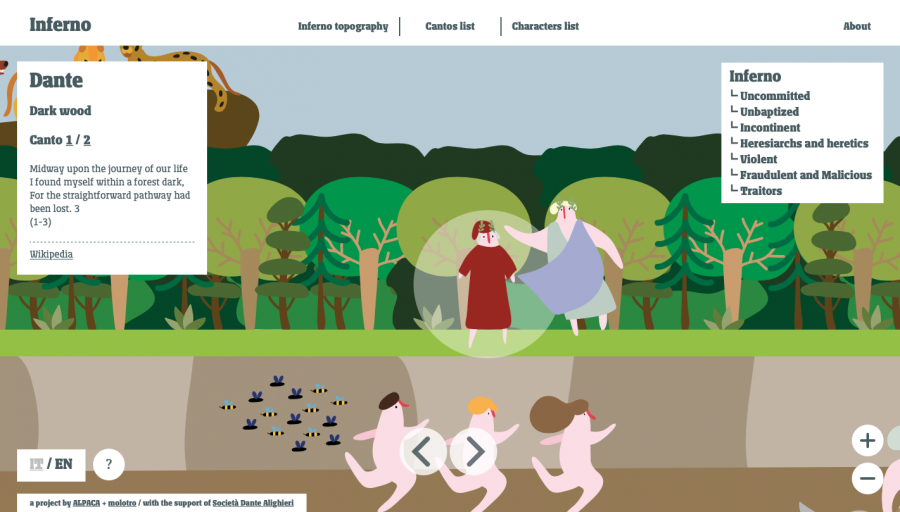
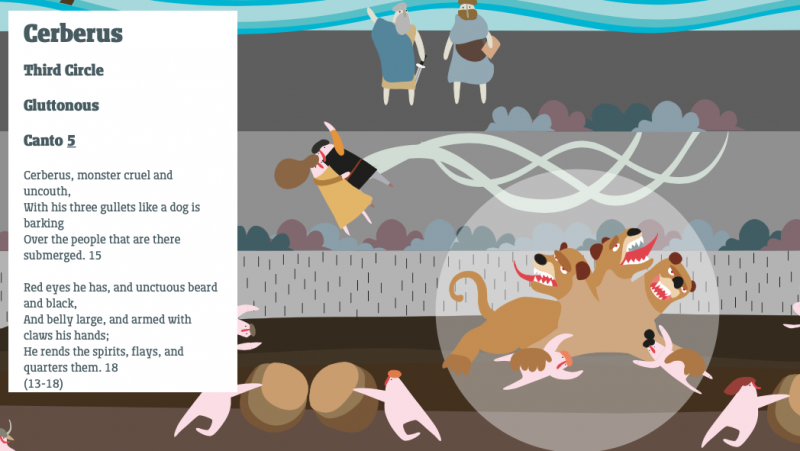
This is daunt­ing com­pa­ny, and the online, inter­ac­tive com­pan­ion to the Infer­no you see screen-shot­ted here does not attempt to join their ranks. Its charm­ing, children’s‑book-graphic visu­al pre­sen­ta­tion takes a G‑rated approach, ditch­ing accu­rate human anato­my and hor­rif­ic vio­lence for a car­toon­ish video game romp through hell that makes it seem like a super fun, if super weird, place to vis­it. Cre­at­ed by Alpaca, an Ital­ian design coop­er­a­tive, and design stu­dio Molotro, the tool aims to be “a synsemic access point to Dante’s lit­er­a­ture, aid­ing its study.”

What it lacks in visu­al high seri­ous­ness, it makes up for in util­i­ty. In this bril­liant­ly sim­ple design you can leap from Can­to to Can­to, learn the cir­cle each one cov­ers, the kind of sin­ners who inhab­it it, and the main char­ac­ters in each. Click on select­ed fig­ures in the graph­ic to see char­ac­ter names and quot­ed excerpts from the poem. A much longer list of char­ac­ters serves as an index, quick­ly link­ing each name to a Can­to, quo­ta­tion, cir­cle, and sin. The Ital­ian site links to the orig­i­nal poem on Wikipedia. The Eng­lish ver­sion’s anno­ta­tions link to Hen­ry Wadsworth Longfellow’s 1867 trans­la­tion.

Access Can­tos and Char­ac­ters in menus at the top of the main page or use the zoom but­ton to move clos­er into any point in the topo­graph­i­cal map and begin click­ing on car­toon fig­ures in var­i­ous stages of tor­tured dis­tress. See Behance for an illus­trat­ed guide through the online Infer­no, a com­i­cal-look­ing tool with very seri­ous appli­ca­tions for stu­dents of Dante’s poem. If you’re new to the Infer­no, dive right in here. Hell awaits, as it has for mil­lions of fas­ci­nat­ed read­ers for 800 years.

via Metafil­ter

Relat­ed Con­tent:

A Free Course on Dante’s Divine Com­e­dy from Yale Uni­ver­si­ty

Visu­al­iz­ing Dante’s Hell: See Maps & Draw­ings of Dante’s Infer­no from the Renais­sance Through Today

Artists Illus­trate Dante’s Divine Com­e­dy Through the Ages: Doré, Blake, Bot­ti­cel­li, Mœbius & More

A Dig­i­tal Archive of the Ear­li­est Illus­trat­ed Edi­tions of Dante’s Divine Com­e­dy (1487–1568)

Alber­to Martini’s Haunt­ing Illus­tra­tions of Dante’s Divine Com­e­dy (1901–1944)

Josh Jones is a writer and musi­cian based in Durham, NC. Fol­low him at @jdmagness

Safety Last, the 1923 Movie Featuring the Most Iconic Scene from Silent Film Era, Just Went Into the Public Domain

Safe­ty Last, the 1923 film star­ring Harold Lloyd, fea­tures one of the most icon­ic scenes from the silent film era. Writes Roger Ebert, the scene above is “by gen­er­al agree­ment the most famous shot in silent com­e­dy: a man in a straw hat and round horn-rim glass­es, hang­ing from the minute hand of a clock 12 sto­ries above the city street. Strange, that this shot occurs in a film few peo­ple have ever seen. Harold Lloy­d’s Safe­ty Last (1923), like all of his films, was pre­served by the come­di­an but rarely shown.” All of that might be about to change. Along with a num­ber of oth­er clas­sic worksSafe­ty Last went into the pub­lic domain this week. So now every­one can watch the film, when­ev­er they please. Watch a com­plete ver­sion on YouTube here. Restored ver­sions of the film can be pur­chased through Cri­te­ri­on.

Safe­ty Last will be added to our col­lec­tion, 4,000+ Free Movies Online: Great Clas­sics, Indies, Noir, West­erns, Doc­u­men­taries & More.

Relat­ed Con­tent:

An Avalanche of Nov­els, Films and Oth­er Works of Art Will Soon Enter the Pub­lic Domain: Vir­ginia Woolf, Char­lie Chap­lin, William Car­los Williams, Buster Keaton & More

65 Free Char­lie Chap­lin Films Online

Cap­ti­vat­ing GIFs Reveal the Mag­i­cal Spe­cial Effects in Clas­sic Silent Films

The Pow­er of Silent Movies, with The Artist Direc­tor Michel Haz­anavi­cius

Look How Young They Are!: The Beastie Boys Performing Live Their Very First Hit, “Cooky Puss” (1983)

Would you look at this video? Here we have the orig­i­nal line-up of the Beast­ie Boys (when they had a fourth, female mem­ber, Kate Schel­len­bach) play­ing a Christ­mas-time gig in 1983. And you just wan­na scream: LOOK HOW YOUNG THEY ARE! Adam Yauch is prob­a­bly 17 at the time, Michael Dia­mond younger, and Adam Horowitz is younger still, and they are plain­ly enjoy­ing them­selves while also being a bit ner­vous and unsure. (Ad-Rock blanch­es when he has to brag about the size of his mem­ber, while Adam Yauch shows he had flow very ear­ly on.) I doubt any­body in the audi­ence was think­ing these white kids would go on to be one of the great­est rap groups of all time. Some were won­der­ing what hap­pened to the hard­core punk music they usu­al­ly played. And some were just hav­ing a blast.

The track they’re per­form­ing is “Cooky Puss,” their very first attempt at rap and, as it hap­pens, their very first 12” sin­gle release. To their sur­prise the record start­ed get­ting played in clubs.

For those who picked up the delight­ful, thor­ough, and very heavy Beast­ie Boys Bookwe told you about it just recent­ly–the ori­gin of “Cook­ie Puss” is out­lined in detail. A friend of a friend got the young band a chance to record in a stu­dio usu­al­ly reserved for com­mer­cial jin­gles for two days. The first day the band played a selec­tion of orig­i­nals and cov­ers, but on play­back “we real­ized they were pret­ty bad,” writes Ad-Rock. “They weren’t hard­core songs, they were odd­ly Goth-ish and just sort of, well…pretty bad.”

With a sec­ond day at their dis­pos­al they returned, and based on a beat from Schel­len­bach, “Cooky Puss” was born, along with anoth­er orig­i­nal, “Beast­ie Rev­o­lu­tion.” The cen­ter­piece of the stu­dio ver­sion is a prank phone call between Ad-Rock, a tele­phone oper­a­tor, and a work­er at Carvel ice cream, which the adult Horowitz now cringes in mem­o­ry over. (“Can I for­mal­ly apol­o­gize right here and now? I’m sor­ry.”)

The Beast­ie Boys had start­ed as a hard­core band, fea­tur­ing Schel­len­bach on drums, and had record­ed an e.p., Pol­ly­wog Stew which final­ly got released, along with the Cooky Puss e.p. in 1994 as Some Old Bull­shit. But rap was every­where and, as Horowitz tells it, Mal­colm McLaren’s “Buf­fa­lo Gals” was the record that put hip hop on the map. “Cooky Puss” was their affec­tion­ate par­o­dy of that track. (Schel­len­bach, by the way, went on to form Lus­cious Jack­son)

As for the actu­al Cooky Puss, it was a weird ice cream cake sold by Carvel (with its own char­ac­ter and back­sto­ry), and pro­mot­ed on local TV with a set of ads fea­tur­ing the voice of own­er Tom Carvel him­self. Check out the won­der of the Cooky Puss and its plush toy com­pan­ion. Call now…they hon­or most major cred­it cards.

Relat­ed Con­tent:

‘Beast­ie Boys on Being Stu­pid’: An Ani­mat­ed Inter­view From 1985

Fight For Your Right Revis­it­ed: Adam Yauch’s 2011 Film Com­mem­o­rates the Beast­ie Boys’ Leg­endary Music Video

Librar­i­ans Pay Trib­ute to Clas­sic Beast­ie Boys Video; Name Hen­ry Rollins Keynote Speak­er at Con­fer­ence

Ted Mills is a free­lance writer on the arts who cur­rent­ly hosts the artist inter­view-based FunkZone Pod­cast and is the pro­duc­er of KCR­W’s Curi­ous Coast. You can also fol­low him on Twit­ter at @tedmills, read his oth­er arts writ­ing at tedmills.com and/or watch his films here.

A 3D Animated History of Paris: Take a Visual Journey from Ancient Times to 1900

“And this too,” mus­es Mar­low as he floats down the Thames in Joseph Conrad’s Heart of Dark­ness, “has been one of the dark places on earth.” Whole the­ses have been writ­ten on the mean­ing of this state­ment. We can sim­ply take it to mean that before Lon­don was Lon­don, it was just anoth­er obscure, hum­ble town of ordi­nary farm­ers and arti­sans. That is, before the Romans came. So too Paris.

One of the world’s most famous cities got its start as a clus­ter of hum­ble huts, walled com­pounds, and low, wood­en build­ings with thatched roofs and fenced-in pastures—the set­tle­ment of a Celtic tribe known as the Parisii, who began inhab­it­ing the region some­time in the 3rd cen­tu­ry, BCE. In the first cen­tu­ry, the Romans con­quered and set­tled what would become the Left Bank, and began to build an impres­sive, pros­per­ous city with a forum, tem­ples, bath­hous­es, and the­aters.

The Roman town was first called Lute­tia (or Luti­cia Pari­sio­rum) and the cen­tral forum, in French, the Forum de Lutèce. Chris­tian­i­ty came in the 3rd cen­tu­ry, sup­pos­ed­ly by way of Saint Denis, whom the Romans behead­ed on the hill lat­er known as Mons Mar­tyrum (“Hill of the Martyrs”)—later still, Mont­martre. Then came the Franks in the 5th cen­tu­ry, estab­lish­ing the Merovin­gian dynasty under Clo­vis in 508 and bring­ing with them Frank­ish speech, and lat­er the Fran­cien dialect of Île-de-France.

The rest—in broad out­line or fine detail—you may know, but if not, like all city’s his­to­ries, it is worth get­ting acquaint­ed. As you do, watch the video above from Das­sault Sys­temes’ Paris 3D, an “inter­ac­tive jour­ney through time” that strips away hun­dreds of years of his­to­ry to reveal vir­tu­al mod­els of the city dur­ing the peri­ods above and through the Mid­dle Ages, French Rev­o­lu­tion, and the 1889 World’s Fair, presided over by the just-built Eif­fel Tow­er.

The project “required the work of over 40 peo­ple, includ­ing numer­ous experts about Paris’s his­to­ry, for more than two years.” By 2013, it cov­ered the city’s “18,000 list­ed mon­u­ments” with a web­site, free iPad app, and aug­ment­ed real­i­ty book. Unfor­tu­nate­ly, the fea­tures of its web appli­ca­tion seem to have been dis­abled and its app seems unavail­able, at least in the U.S. Still—like the vir­tu­al 3d videos of Rome we’ve fea­tured recent­ly—the pro­mo video above offers some impres­sive, beau­ti­ful­ly-ren­dered recon­struc­tions of the city one-thou­sand, fif­teen hun­dred, and over two thou­sand years ago.

Relat­ed Con­tent:

Take Ani­mat­ed Vir­tu­al Real­i­ty Tours of Ancient Rome at Its Archi­tec­tur­al Peak (Cir­ca 320 AD)

Take a 3D Vir­tu­al Tour of the Sis­tine Chapel, St. Peter’s Basil­i­ca and Oth­er Art-Adorned Vat­i­can Spaces

Prize-Win­ning Ani­ma­tion Lets You Fly Through 17th Cen­tu­ry Lon­don

Josh Jones is a writer and musi­cian based in Durham, NC. Fol­low him at @jdmagness.

How the Inventor of Dynamite, Alfred Nobel, Read an Obituary That Called Him “The Merchant of Death” and Made Amends by Creating the Nobel Prize

No one can ever ful­ly pre­dict the con­se­quences of their actions. Still, some warn­ing bells should be hard to ignore. Take Alfred Nobel, for instance, the founder of the Nobel Prize. For most of his life, he had a dif­fer­ent reputation—as the inven­tor of dyna­mite, one of the most destruc­tive tech­nolo­gies of the age. Though he main­tained his motives were pure, Nobel had no short­age of signs telling him his cre­ation might do at least as much harm as good. He per­se­vered and lived to regret it, it’s said.

Born in Swe­den in 1833, Nobel became obsessed with explo­sives at a young age after meet­ing the inven­tor of nitro-glyc­erin. He spent some for­ma­tive years try­ing to har­ness its pow­er, even after a botched nitro-glyc­erin exper­i­ment at a fac­to­ry killed his younger broth­er and five oth­er work­ers. Nobel patent­ed dyna­mite in 1867, a “new, trans­portable explo­sive,” notes the Syd­ney Morn­ing Her­ald video above, that “was an instant hit in the min­ing and con­struc­tion indus­tries.” Orig­i­nal­ly called “Nobel’s Blast­ing Pow­der,” the chemist and engi­neer soon choose a new name, from the ancient Greek work for “pow­er.”

It wouldn’t take long before dyna­mite became a con­ve­nient­ly dev­as­tat­ing weapon of war, espe­cial­ly in the Span­ish Amer­i­can War, which began two years after Alfred’s death. But ten years ear­li­er, in 1888, when the bot­tle was already well uncorked, Alfred received a shock when a French news­pa­per misiden­ti­fied him for his broth­er, Lud­wig, who had just died. His erro­neous pre-mortem obit­u­ary appeared with the head­line “The Mer­chant of Death is Dead!” The unspar­ing bio went on to say that Nobel “became rich by find­ing ways to kill more peo­ple faster than ever before.”

This may have not been his inten­tion, so he believed, but when he saw the image reflect­ed back at him, he imme­di­ate­ly sought to atone for his way­ward inven­tion. “Leg­end has it, Nobel was mor­ti­fied… and spent the rest of his life try­ing to estab­lish a pos­i­tive lega­cy.” He sought to con­nect peo­ple around the world, pio­neer­ing an ear­ly ver­sion of Google Earth “with bal­loons and rock­ets instead of satel­lites.” And when he died in 1896, he left half of his wealth, “over half a bil­lion dol­lars today, to estab­lish the Nobel Prizes.”

It is a fas­ci­nat­ing case, if we cred­it the mis­tak­en obit­u­ary for turn­ing Nobel’s life around. Adam Grant—whom Preet Bharara intro­duces on his pod­cast Stay Tuned as “an orga­ni­za­tion­al psy­chol­o­gist and star pro­fes­sor at the Whar­ton School”—mentions Nobel as a “pret­ty rad­i­cal exam­ple of peo­ple chang­ing in pret­ty rad­i­cal ways.” There are sev­er­al prob­lems with this inter­pre­ta­tion. Nobel may have seen the light, but he did not rad­i­cal­ly change as a per­son. He was already an ide­al­is­tic inven­tor, as a Van­der­bilt Uni­ver­si­ty biog­ra­phy has it, a sup­port­er of “the peace move­ment” and a “tru­ly inter­na­tion­al fig­ure.”

Called by Vic­tor Hugo the “wealth­i­est vagabond in Europe,” Nobel wrote nov­els, poet­ry, dra­ma, and let­ters in five lan­guages. He had a broad human­ist out­look but for some rea­son could or would not see the worst uses of his prod­uct, even as his com­pa­ny sold weapons—to Italy for exam­ple, an act for which his adopt­ed nation of France deemed him a trai­tor in 1891.

Nobel’s first Swedish patent was for “ways to pre­pare gun­pow­der” and his father, also an inven­tor, man­aged the fam­i­ly fac­to­ry before him and made arms for the Crimean War. Like many a gild­ed age indus­tri­al­ist, Nobel turned away from the suf­fer­ing he caused, endow­ing the arts and sci­ences after death to ease his con­science in life, many think, but not to tru­ly ame­lio­rate the dam­age done.

Nobel’s com­pa­nies have sur­vived him, mak­ing rock­et launch­ers and the like as well as unde­ni­ably use­ful min­ing and con­struc­tion tools. His prizes, what­ev­er his inten­tions, have also done the world much good, not least in cre­at­ing a glob­al plat­form for deserv­ing lumi­nar­ies. (Those who have reject­ed Nobels have vig­or­ous­ly argued oth­er­wise.) Nobel was a sen­si­tive and com­pli­cat­ed indi­vid­ual whose life was filled with grief and loss and who left a last­ing lega­cy as a patron of intel­lec­tu­al cul­ture. He was also a man­u­fac­tur­er of dead­ly weapons of mass destruc­tion. Both of these things were true.

But even if he did not rad­i­cal­ly change—either his char­ac­ter or his busi­ness model—he did shift his per­spec­tive enough to have a tremen­dous impact on his lega­cy, which is the les­son Grant draws from his sto­ry. “Too often,” he tells Bharara, “we’re look­ing at our lives through a micro­scope,” obliv­i­ous to the larg­er scale. “What we actu­al­ly need is a wide-angle lens where we can zoom out and ask, what is my lega­cy? What is the impact of this behav­ior on my rep­u­ta­tion?” Some­times, says Grant, “peo­ple do not like the per­son that’s star­ing them in the mir­ror, and they decide they want to change.”

Relat­ed Con­tent:

Jean-Paul Sartre Rejects the Nobel Prize in Lit­er­a­ture in 1964: “It Was Mon­strous!”

Albert Camus Wins the Nobel Prize & Sends a Let­ter of Grat­i­tude to His Ele­men­tary School Teacher (1957)

7 Nobel Speech­es by 7 Great Writ­ers: Hem­ing­way, Faulkn­er, and More

Hear Toni Morrison’s Poet­ic Nobel Prize Accep­tance Speech on the Rad­i­cal Pow­er of Lan­guage (1993)

Josh Jones is a writer and musi­cian based in Durham, NC. Fol­low him at @jdmagness.

450+ Movie Scenes Where Actors Break the Fourth Wall, Presented in Two Big Supercuts

Do you remem­ber the first time you saw the fourth wall bro­ken? Few of us prob­a­bly do, but maybe we all should, giv­en how radi­al a depar­ture from estab­lished dra­mat­ic con­ven­tion — specif­i­cal­ly, the con­ven­tion dic­tat­ing that a work of dra­mat­ic art not acknowl­edge the fact that it is a work of dra­mat­ic art — fourth-wall-break­age rep­re­sents. Then again, a work of art can break the fourth wall sub­tly, too sub­tly to make an out­sized impact on our con­scious­ness: take, for exam­ple, all the brief but know­ing glances movie char­ac­ters have direct­ed at their audi­ences through­out almost the entire his­to­ry of cin­e­ma.

A fair few of those glances appear in the super­cut of 400 break­ages of the fourth wall above (which may well con­tain the first one you ever wit­nessed). It draws from films from a vari­ety of time peri­ods, Hol­ly­wood clas­sics and block­busters as well as less­er-known pic­tures.

Togeth­er with the Press Play fourth-wall-break­age super­cut below, it pro­vides an overview of just how wide a vari­ety of ways film­mak­ers have found to momen­tar­i­ly breach what Vin­cent Can­by once described as “that invis­i­ble scrim that for­ev­er sep­a­rates the audi­ence from the stage.” Most films break the fourth wall for laughs, but oth­ers have done it in ser­vice of emo­tion­al, aes­thet­ic, and even intel­lec­tu­al ends.

None of this is to say that the fourth wall stood per­fect­ly intact before the colos­sus of cin­e­ma came along to smash it. The con­cept goes at least as far back as 17th-cen­tu­ry France, first used as a term by Molière and lat­er more ful­ly defined by Enlight­en­ment icon Denis Diderot. But the­atri­cal per­form­ers must have been break­ing the fourth wall, or at least pok­ing holes in it, even before the fourth wall was quite up: long ago, we read in his­tor­i­cal accounts of the­ater around the world, audi­ences even expect­ed a cer­tain degree of inter­ac­tion with the action onstage — or at least they expressed their thoughts on it, often force­ful­ly, attempt­ing to break the fourth wall from the oth­er direc­tion.

Over time, we, the cre­ators and view­ers of dra­ma alike, built the fourth wall, and it has sel­dom tak­en us long to expect its pro­tec­tion in every medi­um we enjoy: the­ater and film, yes, but tele­vi­sion, video games, and even lit­er­a­ture as well. “It is not a good idea to inter­rupt the nar­ra­tive too often,” writes J.M. Coet­zee in Eliz­a­beth Costel­lo, a nov­el that breaks the fourth wall and a host of oth­er con­ven­tion besides, “since sto­ry­telling works by lulling the read­er or lis­ten­er into a dream­like state in which the time and space of the real world fade away, super­seded by the time and space of the fic­tion.” A lit­er­ary sto­ry­teller of Coet­zee’s cal­iber would know. But what oth­er art form has been as often com­pared to a dream, or felt as much like a dream, as film — and what oth­er dreams play out on, lit­er­al­ly, a wall?

Relat­ed Con­tent:

Watch Them Watch Us: A His­to­ry of Break­ing the “Fourth Wall” in Film

How the French New Wave Changed Cin­e­ma: A Video Intro­duc­tion to the Films of Godard, Truf­faut & Their Fel­low Rule-Break­ers

Take a 16-Week Crash Course on the His­to­ry of Movies: From the First Mov­ing Pic­tures to the Rise of Mul­ti­plex­es & Net­flix

Cin­e­ma His­to­ry by Titles & Num­bers

We’re Gonna Build a Fourth Wall, and Make the Brechtians Pay for It

Based in Seoul, Col­in Mar­shall writes and broad­casts on cities, lan­guage, and cul­ture. His projects include the book The State­less City: a Walk through 21st-Cen­tu­ry Los Ange­les and the video series The City in Cin­e­ma. Fol­low him on Twit­ter at @colinmarshall or on Face­book.


  • Great Lectures

  • Sign up for Newsletter

  • About Us

    Open Culture scours the web for the best educational media. We find the free courses and audio books you need, the language lessons & educational videos you want, and plenty of enlightenment in between.


    Advertise With Us

  • Archives

  • Search

  • Quantcast