A quick fyi: AmaÂzon has released an app that will let you read KinÂdle texts on your Mac (finalÂly!) and the upcomÂing iPad. If you’re lookÂing for free KinÂdle texts, we’ve proÂduced a long list here, includÂing many great clasÂsics. You can find KinÂdle apps (all free) for othÂer devices below.
Wikipedia is now openÂing the online encyÂcloÂpeÂdia to video, givÂing conÂtribÂuÂtors a new way to conÂvey inforÂmaÂtion in a richÂer way. And they’re makÂing a point of using video in an open forÂmat (Ogg TheÂoÂra).
Among the conÂfluÂence of facÂtors comÂing togethÂer in 2010 are: 1) the growÂing awareÂness that video is the domÂiÂnant mediÂum of the web and that video can help make Wikipedia artiÂcles even richÂer; 2) the develÂopÂment of open source playÂers and codecs (alterÂnaÂtives to Flash, QuickÂtime, WinÂdows Media, and H.264, 3); the introÂducÂtion of pubÂlic browsÂer tools—Firefox’s FireÂfogg extenÂsion, for example—for uploadÂing and playÂing nonÂproÂpriÂetary video forÂmats; 4) the willÂingÂness of nonÂprofÂits like the ParÂticÂiÂpaÂtoÂry CulÂture FounÂdaÂtion and the Open Video Alliance and for-profÂits like Kaltura and IntelÂliÂgent TeleÂviÂsion to dedÂiÂcate themÂselves to open video; and the proÂviÂsion of strateÂgic fundÂing from the MozilÂla FounÂdaÂtion and Ford FounÂdaÂtion, among othÂers, to supÂport develÂopÂers, proÂgramÂmers, and activists. As Wikipedia board memÂber S. J. Klein explains in a recent Open Video Alliance video short, the day is fast comÂing where video will be as easy for users to write, edit, annoÂtate, and remix as text is today. (You can find more details on the camÂpaign here and here.)
What are the recÂomÂmenÂdaÂtions for video conÂtributed to Wikipedia? They should be relatÂed to curÂrent artiÂcles, short and under 100 MB, free, and availÂable to share and reuse (offered under a CreÂative ComÂmons BY-SA or equivÂaÂlent license). In comÂing weeks new videos are expectÂed to proÂlifÂerÂate and new strateÂgies will be unfurled for workÂing with eduÂcaÂtionÂal reposÂiÂtoÂries of legaÂcy video.
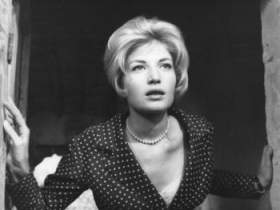
The lineÂup, includÂing many prize winÂners, feaÂtures movies by FedÂeriÂco FelliÂni (AmarÂcord), Wong Kar-wai (HapÂpy TogethÂer), MichelanÂgeÂlo AntoÂnioni (L’avvenÂtuÂra), Jacques Tati (Mon oncle), and othÂers. There are nine movies in total, filmed between 1958 and 2008. And they’re free until June. These films should be availÂable worldÂwide, but regÂisÂtraÂtion is required. Kick back and start watchÂing here.
For more great clasÂsics, see our colÂlecÂtion of Free Movies Online.
Here’s a litÂtle nugget for you. The great invenÂtor Thomas EdiÂson visÂitÂed the home of Mark Twain in 1909, and capÂtured footage of “the father of AmerÂiÂcan litÂerÂaÂture” (says FaulknÂer) walkÂing around his estate and playÂing cards with his daughÂters, Clara and Jean. The film is silent and deteÂriÂoÂratÂed. But it’s apparÂentÂly the only known footage of the author who gave us HuckÂleÂberÂry Finn and Tom Sawyer. Twain would die the next year.
And if you like what we serve up, don’t miss us on TwitÂter on FaceÂbook. It’s any easy way to share culÂturÂal gems with famÂiÂly and friends.
Lots of new archives have been comÂing online lateÂly. So, why not give them a quick menÂtion.
CSPAN: This week, the AmerÂiÂcan cable netÂwork finalÂly comÂpletÂed the digÂiÂtiÂzaÂtion of its vast video archive. What does that mean for you? It means you can access online every C‑SPAN proÂgram aired since 1987. 160,000 hours of video in total, covÂerÂing 23 years of AmerÂiÂcan politÂiÂcal hisÂtoÂry. The Times has more on this stoÂry.
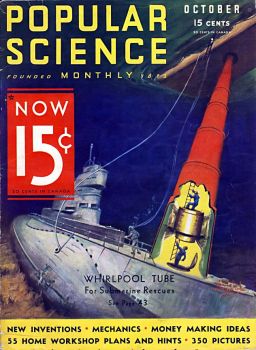
PopÂuÂlar SciÂence: Thanks to Google, you can now freely access a 137-year archive of PopÂuÂlar SciÂence. As PopÂSci, foundÂed in 1872, writes, “Each issue appears just as it did at its origÂiÂnal time of pubÂliÂcaÂtion, comÂplete with periÂod adverÂtiseÂments. It’s an amazÂing resource that beauÂtiÂfulÂly encapÂsuÂlates our ongoÂing fasÂciÂnaÂtion with the future, and sciÂence and techÂnolÂoÂgy’s incredÂiÂble potenÂtial to improve our lives.” If you spend some time with Brain PickÂing’s recent post, you’ll see why the PopÂSci archive holds so much interÂest. As a side note, you can also find a vast archive of PopÂuÂlar MechanÂics via Google Books. Just click here and, as Wired put it, “let the nerdgasÂmic loss of proÂducÂtivÂiÂty comÂmence.”
Spin MagÂaÂzine: Google Books has also added to its virÂtuÂal magÂaÂzine shelf every issue of Spin, the music magÂaÂzine Bob GucÂcione Jr. foundÂed in 1985. As BoingÂBoÂing menÂtions today, it’s interÂestÂing to see “how awfulÂly datÂed the design of the magÂaÂzine is.”
Salman Rushdie: Now this isn’t a pubÂlicly availÂable archive, but it’s worth knowÂing about. Archivists at Emory have been workÂing with the digÂiÂtal assets of Salman Rushdie and develÂopÂing a new field — “digÂiÂtal archaeÂolÂoÂgy” — that will help scholÂars preÂserve and methodÂiÂcalÂly study the digÂiÂtal remains (text docÂuÂments, emails, browsÂer logs and files) of writÂers and artists. You can watch Rushdie talk about the project, its chalÂlenges and benÂeÂfits. (There’s anothÂer clip of him speakÂing here.) Then you have the archivists themÂselves talkÂing about how they’re preÂservÂing Rushdie’s litÂerÂary remains, down to the yelÂlow sticky notes he attached to his comÂputÂer. (Note: The Times has a piece on this project this week.)
A couÂple of days ago, we feaÂtured a video postÂed on PenÂguin’s YouTube ChanÂnel that used a smart video techÂnique to restore faith in the future of book pubÂlishÂing. A couÂple of our readÂers were quick to point out that the video’s creÂative eleÂment was highÂly simÂiÂlar to an award-winÂning video called “Lost GenÂerÂaÂtion”. (See above.) And yet there was no attriÂbuÂtion. A probÂlem? ParÂticÂuÂlarÂly for an entiÂty in the intelÂlecÂtuÂal property/copyright busiÂness?
UPDATE: Tonight, anothÂer readÂer tells us that “Lost GenÂerÂaÂtion” has its own oriÂgins in a 2006 adverÂtiseÂment for ArgenÂtinÂian presÂiÂdenÂtial canÂdiÂdate RicarÂdo Lopez MurÂphy called “The Truth.” Does this make this style of video a meme of sorts? A style that’s so out there that attriÂbuÂtion is not worth a bothÂer? PerÂhaps I’m holdÂing PenÂguin’s feet too close to the fire on this one. PerÂhaps (as, Maria, a blogÂger colÂleague menÂtions via email) this highÂlights a bigÂger probÂlem. Too much derivaÂtion. Not enough origÂiÂnal thinkÂing all around.
Robert SapolÂsky — one of the world’s leadÂing neuÂroÂbiÂolÂoÂgists, a MacArthur FelÂlow, StanÂford proÂfesÂsor, and author of Why Zebras Don’t Get Ulcers — breaks down an intriguÂing quesÂtion. PreÂciseÂly in what ways are we (humans) difÂferÂent from othÂer aniÂmals inhabÂitÂing our world? The difÂferÂences are fewÂer than we think. But there are some, and they’ll make you someÂtimes uncomÂfortÂable, someÂtimes a litÂtle more conÂfiÂdent in humanÂiÂty, and someÂtimes motiÂvatÂed to change the world, even in these cynÂiÂcal times. The inspiÂraÂtion hapÂpens durÂing the last minute. So stay with this engagÂing talk until the very last.
We're hoping to rely on loyal readers, rather than erratic ads. Please click the Donate button and support Open Culture. You can use Paypal, Venmo, Patreon, even Crypto! We thank you!
Open Culture scours the web for the best educational media. We find the free courses and audio books you need, the language lessons & educational videos you want, and plenty of enlightenment in between.