Orion: The Beauty of South Dakota Nights in Time Lapse

This past Feb­ru­ary, Randy Halver­son ven­tured forth into the frigid South Dako­ta night to cre­ate a painful­ly pret­ty time-lapse film. He called it “Sub Zero,” an apt title giv­en that tem­per­a­tures fell to ‑25 degrees Fahren­heit.

With the approach of spring, Halver­son returned to the great out­doors to shoot “Ori­on,” which fea­tures con­stel­la­tions track­ing across his fam­i­ly farm. The film starts in an old grain dis­tillery, then moves out­side, and gets down­right mes­mer­iz­ing around the 1:45 mark.

In case you’re won­der­ing, the film does­n’t take its name from the Ori­on con­stel­la­tion. Rather it comes from the Ori­on tele­scope head used to shoot the film. That gear appears at the 2:09 mark.

You can read more about “Ori­on” in Wired as well as on Vimeo. And stay tuned for more: Halver­son hopes to shoot South Dakota’s bad­lands and the Rocky Moun­tains this com­ing sum­mer…

by | Permalink | Make a Comment ( 2 ) |

Flux: Short Animation Inspired by İlhan Koman

Sit back and enjoy Can­daş Şişman’s video ded­i­cat­ed to the influ­en­tial Turk­ish sculp­tor, İlh­an Koman (1923–1986). Rodin, Gia­comet­ti, Bran­cusi – they all informed Koman’s work, and now fil­ter back into Şişman’s video instal­la­tion, which went on dis­play at last year’s Hul­da Fes­ti­val.

The fes­ti­val, fea­tur­ing Koman’s sci­en­tif­ic sculp­tures, ran from March 2009 until Novem­ber 2010, and trav­eled to Stock­holm, Ams­ter­dam, Antwerp, Bor­deaux, Lis­bon, Barcelona, Naples, Mal­ta, Thes­sa­loni­ca and final­ly Istan­bul. You can find more of Şişman’s work on Vimeo here.

via @kirstinbutler

by | Permalink | Make a Comment ( 4 ) |

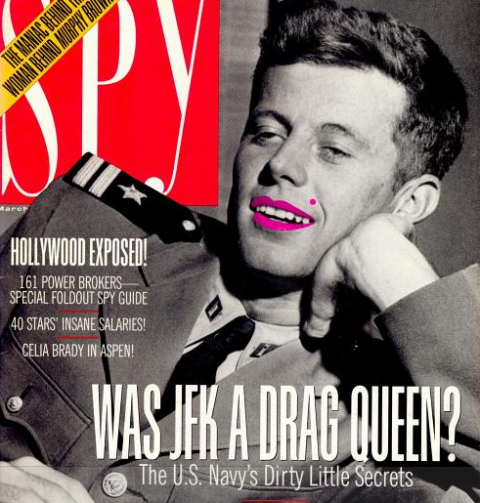
Spy Magazine (1986–1998) Now Online

You want to know why Rupert Mur­doch runs the world and you don’t? Here’s a hint: In 1990, Spy Mag­a­zine (now archived at Google Books) sent Mur­doch and a slew of oth­er wealthy celebri­ties checks for $1.11 as a prank. Mur­doch cashed his right away — because even when he was just a low­ly bil­lion­aire, the guy under­stood mon­ey.

And the edi­tors at Spy (1986–98) under­stood celebri­ty cul­ture, which is why they became arguably the most influ­en­tial mag­a­zine of the late 20th cen­tu­ry, or, in Dave Eggers’ words “cru­el, bril­liant, beau­ti­ful­ly writ­ten and per­fect­ly designed, and feared by all.” Com­bin­ing an ele­gant house style, barbed satire, and a healthy dose of class-rage, Spy inspired a rad­i­cal tonal shift in Amer­i­can jour­nal­ism just in time for the arrival of a per­fect­ly suit­ed new plat­form: The Inter­net.

You can read more about the mag­a­zine’s lega­cy in Will Hines’ excel­lent arti­cle Div­ing into the Archives of Spy, The Fun­ni­est Mag­a­zine Ever, at the com­e­dy blog Split­sider. Before accus­ing Hines of hyper­bole, take a look at some of his finds:

Joe Queenan sends up the The Cult of Bob Dylan

The edi­tors list Clin­ton’s First 100 Lies

Newt Gin­grich, top­less, on the cov­er

And that’s with­out even start­ing on the true clas­sics from the 80’s. It’s all at Google Books. Enjoy.

via Split­sider

Relat­ed:  The Onion: Fake News Site Launch­es Real Archive

Sheer­ly Avni is a San Fran­cis­co-based arts and cul­ture writer. Her work has appeared in Salon, LA Week­ly, Moth­er Jones, and many oth­er pub­li­ca­tions. You can fol­low her on twit­ter at @sheerly.

A Very Brief History of Royal Weddings

I can’t say that we’ll be watch­ing the roy­al wed­ding. But we should at least put a thin veneer of intel­li­gence on top of the shal­low spec­ta­cle. That’s our job. In two very quick min­utes, Emory his­to­ri­an Patrick Allitt sketch­es out the his­to­ry of roy­al wed­dings, and tells you why this “Roy­al Willd­ing” stands out…

by | Permalink | Make a Comment ( 8 ) |

“Jersey Shore” in the Style of Oscar Wilde

We gid­di­ly present “Jer­sey Shore” Gone Wilde, as per­formed by the cast of The Impor­tance of Being Earnest, a pro­duc­tion cur­rent­ly being staged by the Round­about The­atre Com­pa­ny in New York City.

Go ahead and catch this inspired mashup of Vic­to­ri­an com­e­dy and MTV “real­i­ty” at Play­bill Video in 5 parts … unless you have work to do this after­noon.

via @MaudNewton

Sheer­ly Avni is a San Fran­cis­co-based arts and cul­ture writer. Her work has appeared in Salon, LA Week­ly, Moth­er Jones, and many oth­er pub­li­ca­tions. You can fol­low her on twit­ter at @sheerly

Fire Ants Create Life Raft in 100 Seconds Flat

The cen­tral intel­li­gence of ants – the way ant colonies orga­nize them­selves with­out a leader and get things done – con­tin­ues to amaze sci­en­tists and sci­ence writ­ers alike. Back in 2003, Deb­o­rah Gor­don, a Stan­ford biol­o­gist, gave a whole TED Talk called “How Do Ants Know What to Do?,” which sheds light on how ants can form stun­ning­ly com­plex, lead­er­less sys­tems. Then, sev­er­al years lat­er, Radi­o­Lab con­tin­ued to mull over Gor­don’s fas­ci­nat­ing research in one of its very first episodes.

Now we get this great bit of video. It comes to us via researchers at the Geor­gia Insti­tute of Tech­nol­o­gy, and it shows how ants, when placed in water, can form a com­plete­ly water­tight raft in under two min­utes. “They’ll gath­er up all the eggs in the colony and will make their way up through the under­ground net­work of tun­nels, and when the flood waters rise above the ground, they’ll link up togeth­er in these mas­sive rafts,” says Nathan J. Mlot, an engi­neer­ing stu­dent involved in the project. Amaz­ing­ly, even the ants at the bot­tom of the raft nev­er get sub­merged. They all sur­vive, which rais­es the ques­tion: Can this research lead to new floata­tion devices for the rest of us to use?

If you would like to sign up for Open Culture’s free email newslet­ter, please find it here. It’s a great way to see our new posts, all bun­dled in one email, each day.

If you would like to sup­port the mis­sion of Open Cul­ture, con­sid­er mak­ing a dona­tion to our site. It’s hard to rely 100% on ads, and your con­tri­bu­tions will help us con­tin­ue pro­vid­ing the best free cul­tur­al and edu­ca­tion­al mate­ri­als to learn­ers every­where. You can con­tribute through Pay­Pal, Patre­on, and Ven­mo (@openculture). Thanks!

via Dai­ly Mail and Geek Sys­tem

by | Permalink | Make a Comment ( 2 ) |

Ray Kurzweil, Futurist: 10 Questions About What’s Coming Next

The 2009 doc­u­men­tary Tran­scen­dent Man: The Life and Ideas of Ray Kurzweil is cur­rent­ly screen­ing both online and in select venues, and pro­vok­ing exact­ly the wide range of respons­es one would expect from a film about a futur­ist who has claimed, among oth­er things, that man would soon learn how to extend his life “indef­i­nite­ly.” The New York Times recent­ly com­pared his the­o­ries with 2nd and 3rd cen­tu­ry gnos­ti­cism, and since this film was made by an avowed believ­er in Kurzweil’s phi­los­o­phy and the­o­ries, it’s no sur­prise that Sci­en­tif­ic Amer­i­can faults the movie for its rev­er­ence, and Vari­ety wish­es “It were not so trans­par­ent­ly on [Kurzweil’s side].”

Mean­while, the “high­ly sophis­ti­cat­ed crack­pot,” as you see him described in the movie’s trail­er, has been proven right more often than wrong. His fans are legion, and often wealthy. Lar­ry Page, the founder and CEO of Google, helped estab­lish Sin­gu­lar­i­ty Uni­ver­si­ty with Kurzweil in 2008, and there many entre­pre­neurs and investors take 10 week cours­es to the tune of $25,000.

If you’re not inter­est­ed in shelling out $5 to rent the movie online (scroll down to the bot­tom of the page), then Kurzweil’s 10 answers to Time Mag­a­zine’s 10 ques­tions will give you a taste of what the fuss has been all about.

Sheer­ly Avni is a San Fran­cis­co-based arts and cul­ture writer. Her work has appeared in Salon, LA Week­ly, Moth­er Jones, and many oth­er pub­li­ca­tions. You can fol­low her on twit­ter at @sheerly

Sartre, Heidegger, Nietzsche: Documentary Presents Three Philosophers in Three Hours

“Human, All Too Human” is a three-hour BBC series from 1999, about the lives and work of Friedrich Niet­zscheMar­tin Hei­deg­ger, and Jean-Paul Sartre. The film­mak­ers focus heav­i­ly on pol­i­tics and his­tor­i­cal con­text — the Hei­deg­ger hour, for exam­ple, focus­es almost exclu­sive­ly on his trou­bling rela­tion­ship with Nazism.

The most engag­ing chap­ter is “Jean-Paul Sartre: The Road to Free­dom,” in part because the film­mak­ers had so much archival footage and inter­view mate­r­i­al (Check out a still love­ly Simone de Bou­voir at minute 9:00, gig­gling that Sartre was the ugli­est, dirt­i­est, most unshaven stu­dent at the Sor­bonne).

Relat­ed Con­tent:

Wal­ter Kaufmann’s Lec­tures on Niet­zsche, Kierkegaard and Sartre (1960)

Down­load Free Cours­es from Famous Philoso­phers: From Bertrand Rus­sell to Michel Fou­cault

Down­load 90 Free Phi­los­o­phy Cours­es and Start Liv­ing the Exam­ined Life

Sheer­ly Avni is a San Fran­cis­co-based arts and cul­ture writer. Her work has appeared in Salon, LA Week­ly, Moth­er Jones, and many oth­er pub­li­ca­tions. You can fol­low her on twit­ter at @sheerly

« Go BackMore in this category... »
Quantcast