Terrific Hand-Crafted Animation Puts the Novel, Going West, Into (Stop) Motion

Could­n’t let this one pass by…

Ander­sen M, a Lon­don design stu­dio, craft­ed a rather amaz­ing stop motion video to accom­pa­ny an excerpt from Mau­rice Gee’s nov­el, Going West. The short film was pro­duced on behalf of the New Zealand Book Coun­cil, and you can only imag­ine, as one of our read­ers points out, the crafts­man­ship, patience, and effort that went into the mak­ing this.

Thanks Dalel for send­ing this our way, and please don’t miss anoth­er one of our favorites: Books Savored in Stop Motion Film…

If you would like to sign up for Open Culture’s free email newslet­ter, please find it here. It’s a great way to see our new posts, all bun­dled in one email, each day.

If you would like to sup­port the mis­sion of Open Cul­ture, con­sid­er mak­ing a dona­tion to our site. It’s hard to rely 100% on ads, and your con­tri­bu­tions will help us con­tin­ue pro­vid­ing the best free cul­tur­al and edu­ca­tion­al mate­ri­als to learn­ers every­where. You can con­tribute through Pay­Pal, Patre­on, and Ven­mo (@openculture). Thanks!

Relat­ed Con­tent:

by | Permalink | Make a Comment ( 1 ) |

The Smithsonian Wildlife Photo Archive

The Smith­son­ian Insti­tu­tion has launched Smith­son­ian WILD, a new web site that lets you search through its col­lec­tion of over 202,000 images culled from sev­en ongo­ing wildlife stud­ies. Researchers in remote loca­tions across the globe have set up “cam­era traps” – auto­mat­ed cam­eras trig­gered by motion sen­sors – and left them to record what­ev­er wildlife pass­es by. The result­ing images, be they of giant pan­das in Chi­na, bark­ing deer in Thai­land, or roughed grouse on the Appalachi­an Trail, aren’t near­ly as pret­ty or clear as those we’ve grown accus­tomed to see­ing in nature mag­a­zines and HD prime­time spe­cials. But their raw­ness is part of their appeal: Click­ing through these gal­leries imparts a sense of real-time excite­ment, as if we too have been crouched in the jun­gle for hours, wait­ing to catch a glimpse of some­thing wild.

via Boing­bo­ing

Sheer­ly Avni is a San Fran­cis­co-based arts and cul­ture writer. Her work has appeared in Salon, LA Week­ly, Vari­ety, Moth­er Jones, and many oth­er pub­li­ca­tions. You can fol­low her on twit­ter at @sheerly.

Mark Twain Lives (in Animation)

Tak­ing a page from the RSA play­book, the New York Pub­lic Library has uploaded to its YouTube Chan­nel a series of illus­trat­ed talks. John Waters, Jay‑Z, Wern­er Her­zog – they’re all there. And so too is Mark Twain “read­ing” from his own work – work that was first pub­lished in 2009 with­in a vol­ume called Who is Mark Twain?. Flash Rosen­berg pro­vides the art (see her work on Vimeo); John Lith­gow does the voice.…

DalĂ­Linguistics

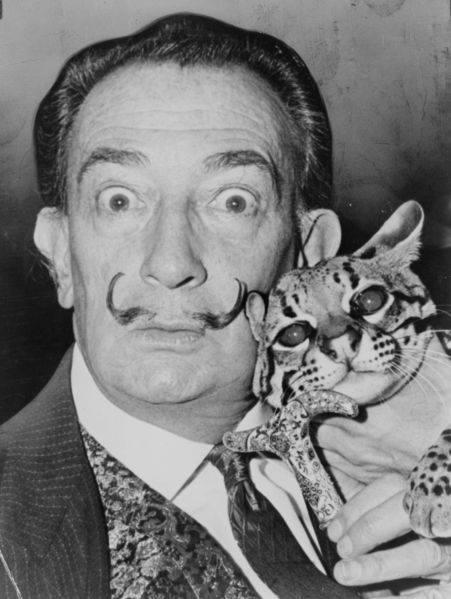
In this hilar­i­ous con­ver­sa­tion, orig­i­nal­ly pub­lished in the short-lived ECHO Mag­a­zine in 1960, Sal­vador DalĂ­ tries to teach Irish-born actor Edward Mul­hare how to artic­u­late Eng­lish words in a more DalĂ­an way. When this clip was record­ed, Mul­hare had already spent three years play­ing the role of Pro­fes­sor Hig­gins in the Broad­way ver­sion of My Fair Lady. And as you’ll recall, it was Hig­gins’ job to teach Eliza Doolit­tle, a Cock­ney flower girl, to speak as a prop­er Eng­lish lady. How suc­cess­ful­ly does Dali man­age to put some sur­re­al­ist cool into this rather con­ser­v­a­tive Eng­lish­man? You can lis­ten here to find out. And don’t for­get to catch Sal­vador Dalí’s clas­sic appear­ance on What’s my line?

MP3 via UbuWeb Sound.

By pro­fes­sion, Matthias Rasch­er teach­es Eng­lish and His­to­ry at a High School in north­ern Bavaria, Ger­many. In his free time he scours the web for good links and posts the best finds on Twit­ter.

The Dancer on the Staten Island Ferry

In case you missed it, this New York Times Sun­day Mag­a­zine sto­ry offers a great exam­ple of How We Live/­Dance/­Film/­Self-Finance these days.

What we have here is a sev­en minute col­lab­o­ra­tion between direc­tor Jacob Krup­nick and clas­si­cal­ly-trained bal­let refugee Anne Marsen. Shot gueril­la-style on the Stat­en Island Fer­ry, the video fea­tures Marsen’s gid­dy pas­tiche of hip hop, bal­let, mod­ern and jazz dance. The sound­track is also a pas­tiche of sorts, an excerpt from mashup DJ Girl Talk’s new album, “All Day.”

Grup­nick post­ed the clip above as a teas­er on the crowd­fund­ing site Kick­starter in Jan­u­ary, hop­ing to raise enough mon­ey to make it into a full-length dance film. He met his fundrais­ing goal with­in 6 days, and the team starts shoot­ing in April.

A note: It takes about two min­utes for the action to real­ly kick in, and if you’re lis­ten­ing to it from an office, be sure to turn the vol­ume down first.

Sheer­ly Avni is a San Fran­cis­co-based arts and cul­ture writer. Her work has appeared in Salon, LA Week­ly, Vari­ety, Moth­er Jones, and many oth­er pub­li­ca­tions. You can fol­low her on twit­ter at @sheerly.

Mr. Rogers Goes to Washington

We take you back to anoth­er era when fund­ing for pub­lic broad­cast­ing was in doubt – to 1969, when Richard Nixon planned to cut PBS’ fund­ing from $20 mil­lion to $10 mil­lion. Here Fred Rogers, the gen­tle cre­ator of Mis­ter Rogers’ Neigh­bor­hood, gets six short min­utes before Sen­a­tor John Pas­tore, the chair­man of the Sub­com­mit­tee on Com­mu­ni­ca­tions, and makes his pitch for pub­licly-fund­ed edu­ca­tion­al tele­vi­sion. In those 360 sec­onds, Rogers gets the gruff sen­a­tor to do a com­plete 180 – to end up say­ing “It looks like you just earned the 20 mil­lion dol­lars.” And, indeed, it turned out just that way. Those were the days…

via @webacion

by | Permalink | Make a Comment ( 2 ) |

Dopamine Jackpot! Robert Sapolsky on the Science of Pleasure

Robert Sapol­sky, Pro­fes­sor of Biol­o­gy at Stan­ford Uni­ver­si­ty, famous­ly focus­es his research on stress above all else. (Don’t miss his book, Why Zebras Don’t Get Ulcers.) The video above fea­tures Sapol­sky pre­sent­ing the Pritzk­er Lec­ture at the Cal­i­for­nia Acad­e­my of Sci­ences on Feb­ru­ary 15, 2011. The full lec­ture can be seen here. In this excerpt, Sapol­sky amus­ing­ly tells the audi­ence how mon­keys and humans com­mon­ly gen­er­ate the high­est lev­els of dopamine when plea­sure is antic­i­pat­ed, not when plea­sure is actu­al­ly expe­ri­enced. But humans, as opposed to mon­keys, can “keep those dopamine lev­els up for decades and decades wait­ing for the reward.” And for some, Sapol­sky adds, that per­ceived reward lies beyond this life – in the after­life. (Sapol­sky was raised in an ortho­dox Jew­ish fam­i­ly, but is an athe­ist now.) The Stan­ford pro­fes­sor talks about sim­i­lar issues (what sep­a­rates us from pri­mates) in anoth­er cap­ti­vat­ing talk, “What makes us human?”

By pro­fes­sion, Matthias Rasch­er teach­es Eng­lish and His­to­ry at a High School in north­ern Bavaria, Ger­many. In his free time he scours the web for good links and posts the best finds on Twit­ter.

James Bond in Drag For International Women’s Day

We Are Equals pro­duced this 2‑minute video for the 100th anniver­sary of Inter­na­tion­al Wom­en’s Day. Daniel Craig and the great Dame Judi Dench reprise their roles from the last two James Bond films — with a twist. We’d say more, but the video speaks for itself. Enjoy!

« Go BackMore in this category... »
Quantcast