Watch 125 Korean Feature Films Free Online, Thanks to the Korean Film Archive

If you’ve kept up even casu­al­ly inter­na­tion­al view­ing habits over the past fif­teen years, you’ve watched a Kore­an movie or two. Maybe you’ve enjoyed the unusu­al tonal mix­ture of Bong Joon-ho’s polit­i­cal satire/monster extrav­a­gan­za The Host, the elab­o­rate grotesque­ness of Park Chan-wook’s revenge thriller Old­boy, or the slick Hol­ly­wood pas­tiche of Kang Je-gyu’s North-ver­sus-South heap of spy-ver­sus-spy action Shiri. But look just beyond those high-pro­file inter­na­tion­al Kore­an block­busters and you’ll find the most vibrant, adven­tur­ous cin­e­mat­ic cul­ture active today.

Upon dis­cov­er­ing it, I per­son­al­ly got excit­ed enough to move to a Kore­an neigh­bor­hood, study the Kore­an lan­guage, and dig deep for knowl­edge about the Kore­an film­mak­ers whose names even cinephiles rarely bring up out­side Asia. You’ll find it rather eas­i­er to immerse your­self, now that the Kore­an Film Archive has come to Youtube. (NOTE: To acti­vate Eng­lish sub­ti­tles, make sure to hit the “CC” but­ton on the low­er right of the play­er.)

The Archive has uploaded many a notable film, includ­ing Im Kwon-taek’s Sopy­on­je, which sur­prised the coun­try by both rekin­dling inter­est in the tra­di­tion­al music of pan­sori and by break­ing box-office records despite play­ing on only three screens. The Kore­an Film Archive offers three more films by Im, one of Kore­an cin­e­ma’s most respect­ed elder states­men, and nine oth­er films from the nineties. You can also watch selec­tions from the eight­ies, sev­en­ties, six­ties, fifties and for­ties, as well as sev­er­al from oth­er Kore­an auteurs like the trans­gres­sive Kim Ki-young and the pro­lif­ic Shin Sang-ok. It par­tic­u­lar­ly thrilled me to find The Day the Pig Fell Into a Well, the very first pic­ture from Hong Sang­soo, a direc­tor acclaimed by crit­ics world­wide as a comedic for­mal exper­i­menter, in essence Kore­a’s Woody Allen. If you don’t know quite what to feel thrilled by here, read Kore­an film spe­cial­ist Dar­cy Paque­t’s “Short His­to­ry of Kore­an Film,” then lis­ten to my inter­view with him about his book Kore­an Cin­e­ma: Break­ing the Waves. If you love film, you’ll cer­tain­ly find films to love from Korea.

Accord­ing to Google, which helped put the col­lec­tion on YouTube, there are some oth­er high­lights you won’t want to miss. They include A Home­town in Heart, made in the ear­ly years of Kore­an Inde­pen­dence, and also A Coach­man, the first Kore­an film to win awards inter­na­tion­al­ly. Many oth­er titles like Aim­less Bul­let and The Bare­foot­ed Young are avail­able in HD.

The films men­tioned above will be list­ed in our col­lec­tion, 4,000+ Free Movies Online: Great Clas­sics, Indies, Noir, West­erns, Doc­u­men­taries & More.

Col­in Mar­shall hosts and pro­duces Note­book on Cities and Cul­ture and writes essays on lit­er­a­ture, film, cities, Asia, and aes­thet­ics. Fol­low him on Twit­ter at @colinmarshall.

Joni Mitchell: Singer, Songwriter, Artist, Smoking Grandma

Fans are always eager to find out what dri­ves their favorite artist to cre­ate. Hid­den tor­ment? Secret pas­sion? The pub­lic­i­ty-shy singer-song­writer Joni Mitchell has dropped more than a few lyri­cal cues over the last half cen­tu­ry. Things became infi­nite­ly more overt dur­ing the infor­mal por­tion of a 2008 inter­view with Char­lie Rose.

Want to know what spurs Joni? Cig­a­rettes!

She’s been hus­tling to finance her habit since she took them up at nine. What, you think she active­ly want­ed to be a singer-song­writer? No man, play­ing folk songs in the Cana­di­an cof­fee­house scene for fif­teen bucks a night meant finan­cial health, and finan­cial health meant she could smoke for­ev­er! Mod­ern audi­ences might expect such a sen­ti­ment from the rau­cous and now-dead Janis Joplin, but isn’t Joni more of a demure Ladies of the Canyon type?

Bob Dylan would like­ly say no.

These days Joni is tak­ing the straight­for­ward approach, no more peek­ing out from behind care­ful­ly-ren­dered poet­ic veils. Frankly, Grand­ma Mitchell seems unlike­ly to give a damn if her unqual­i­fied romance with tobac­co shocks. (It seems like­ly to, though per­haps not so much as some of her oth­er can­did­ly expressed views.)

Below, you can catch Joni dur­ing those free­wheel­in’ ear­ly days, play­ing a 3o minute set on British TV in 1970.

- Ayun Hal­l­i­day wish­es she could find the tape of the tape of the Joni Mitchell-James Tay­lor Uncon­cert that a friend’s friend taped off of WXRT back in the day.

Donald Duck’s Bad Nazi Dream and Four Other Disney Propaganda Cartoons from World War II

Dur­ing World War II, all hands were on deck, even in Hol­ly­wood. Many of Amer­i­ca and Britain’s finest film­mak­ers, from Hitch­cock to Frank Capra, were recruit­ed to cre­ate pro­pa­gan­da films to sup­port the war effort. And the same went for Walt Dis­ney, who turned his lov­able car­toon char­ac­ters into good patri­ots.

In 1942, Dis­ney released “Der Fuehrer’s Face,” an anti-Nazi pro­pa­gan­da movie that bol­stered sup­port for the war, and even­tu­al­ly won the Acad­e­my Award for Best Ani­mat­ed Short Film. Then, a year lat­er, came The Spir­it of ’43, which fea­tures Don­ald Duck help­ing Amer­i­cans to under­stand why they need to pay their tax­es. Oth­er wartime Dis­ney shorts include Don­ald Gets Draft­ed (1942), The Old Army Game (1943), and Com­man­do Duck (1944). They all appear below.

The Spir­it of ’43

Don­ald Gets Draft­ed

The Old Army Game

Com­man­do Duck

Note: Der Fuehrer’s Face and The Spir­it of ’43 appear in the Ani­ma­tion sec­tion of our col­lec­tion of Free Movies Online.

Relat­ed Con­tent:

The Sto­ry Of Men­stru­a­tion: Walt Disney’s Sex Ed Film from 1946

How Dis­ney Car­toons Are Made

Disney’s Oscar-Win­ning Adven­tures in Music

by | Permalink | Make a Comment ( 8 ) |

Woody Allen Boxes a Kangaroo, 1966

Last month, we fea­tured Woody Allen answer­ing thir­teen unusu­al ques­tions from Robert B. Wei­de’s film Woody Allen: A Doc­u­men­taryWell, it turns out that it was­n’t the only unusu­al footage the doc­u­men­tary had to offer. Dur­ing the 1960s, the young com­ic did what­ev­er his man­agers (Charles H. Joffe and Jack Rollins) thought would enhance his pub­lic pro­file. Some of his ear­ly per­for­mances and stunts were genius. Oth­ers flopped. You decide where this one falls. In 1966, Allen appeared on Hip­po­drome, a British vari­ety TV show that show­cased jump­ing dogs, trapeze acts, musi­cal acts and … kan­ga­roo box­ing match­es. This match went one round, with the Aus­tralian light heavy­weight cham­pi­on land­ing the only punch­es.

Relat­ed Con­tent:

Thomas Edison’s Box­ing Cats (1894), or Where the LOL­Cats All Began

Muham­mad Ali Plans to Fight on Mars in Lost 1966 Inter­view

Woody Allen and the Rev­erend Bil­ly Gra­ham In Con­ver­sa­tion

by | Permalink | Make a Comment ( 1 ) |

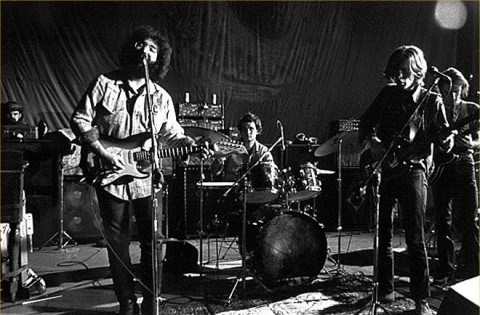
A Year of Grateful Dead Tunes Up in a Mashup

Even­tu­al­ly some­one had to do it.

Michael David Mur­phy cre­at­ed Tun­ing ’77, a “seam­less audio super­cut of an entire year of the Grate­ful Dead tun­ing their instru­ments, live on stage.” The mix uses every pub­licly avail­able record­ing from 1977, and it’s real­ly all a pre­lude to this: 8,976 Free Grate­ful Dead Con­cert Record­ings in the Inter­net Archive. You can lis­ten to Tun­ing ’77 here or below. It runs 92 min­utes.

via Boing­Bo­ing

James Brown Brings Down the House at the Paris Olympia, 1971

Here’s an amaz­ing film that cap­tures the excite­ment and raw ener­gy of James Brown in his prime.

The footage was tak­en on March 8, 1971, dur­ing a series of con­certs Brown and his band gave at the Olympia the­ater in Paris. It offers a rare glimpse of the orig­i­nal line­up of the J.B.‘s, the group Brown formed in 1970, about two years after the breakup of the Famous Flames.

The line­up includes William “Boot­sy” Collins on bass and his old­er broth­er Phelps “Cat­fish” Collins on lead gui­tar, both of whom would leave the band a few months lat­er. Famous Flames founder Bob­by Byrd, who essen­tial­ly dis­cov­ered Brown in 1952, serves as organ­ist, back­up singer and mas­ter of cer­e­monies. The rest of the band are: Hear­lon “Cheese” Mar­tin on gui­tar, St. Clair Pinck­ney on tenor sax­o­phone, Dar­ryl “Hasaan” Jami­son and Clay­ton “Chick­en” Gun­nells on trum­pet, Fred Wes­ley on trom­bone, and John “Jabo” Starks and Don Juan “Tiger” Mar­tin on drums.

The film was appar­ent­ly shot dur­ing one per­for­mance, even though Brown is intro­duced twice and wears dif­fer­ent cloth­ing. Accord­ing to reports, Brown took a break between “Sun­ny” and “It’s a New Day” while Byrd’s wife, Vic­ki Ander­son, sang two songs that were cut from the film. Audio from the con­cert was released in 1992 as Love Pow­er Peace: Live at the Olympia, Paris 1971. Here’s the set list from the film ver­sion, which dif­fers slight­ly from the LP:

  1. Intro­duc­tion
  2. Broth­er Rapp
  3. Ain’t It Funky Now
  4. Geor­gia On My Mind
  5. Sun­ny
  6. It’s a New Day
  7. Bewil­dered
  8. Get Up (I Feel Like Being A) Sex Machine
  9. Try Me
  10. Papa’s Got A Brand New Bag/I Got You (I Feel Good)/I Got the Feel­in’ (med­ley)
  11. Give It Up or Turn It a Loose
  12. It’s a Man’s Man’s Man’s World
  13. Please, Please, Please
  14. Get Up (I Feel Like Being A) Sex Machine (reprise)
  15. Super Bad
  16. Get Up, Get Into It, Get Involved
  17. Soul Pow­er
  18. Get Up, Get Into It, Get Involved (finale)

h/t Ryan Jet­ten

Relat­ed con­tent:

Clas­sic Ray Charles Per­for­mance: ‘What’d I Say’ Live in Paris, 1968

The Queen of Soul Con­quers Europe: Aretha Franklin in Ams­ter­dam, 1968

Eraserhead Stories: David Lynch on the Making of His Famously Nightmarish Movie

Not only does the doc­u­men­tary Eraser­head Sto­ries offer as much infor­ma­tion as you’ll find any­where on the mak­ing of David Lynch’s first fea­ture film, it has a few Lynchi­an qual­i­ties of its own. For almost an hour and a half, David Lynch sits down behind a micro­phone and rem­i­nisces about the six years his rag­tag team spent putting the movie togeth­er. But he does it in black-and-white, in front of a cur­tain, smok­ing, like some­thing out of an ear­ly-1950s tele­vi­sion broad­cast. The ambi­ent dull roar of an ill wind appears, inter­mit­tent­ly and inex­plic­a­bly, on the sound­track. Pho­tographs flash by, sup­port­ing some of Lynch’s inspir­ing, ardu­ous, and bizarre rec­ol­lec­tions. Many of his sto­ries deal with the nuts and bolts of bring­ing one’s finan­cial­ly impov­er­ished but cre­ative­ly over­flow­ing ear­ly movies into real­i­ty. Oth­ers involve tubs filled with milk, sets cov­ered in peas, dead cats impreg­nat­ed with tar, and the ghost of oil tycoon Edward L. Dohe­ny.

Lynch’s fans, and even his detrac­tors — per­haps espe­cial­ly his detrac­tors — will tell you that his films could have come from the mind of no oth­er direc­tor. But Eraser­head Sto­ries gives you a clear idea about the kind of ded­i­cat­ed, famil­ial pro­duc­tion atmos­phere it takes to get an idea suc­cess­ful­ly out of Lynch’s brain and onto cel­lu­loid. On Eraser­head’s inter­mit­tent­ly active, often-mov­ing shoot, every­one had to work sev­er­al jobs: Lynch chuck­ling­ly remem­bers trow­el­ing a great deal of plas­ter along­side star Jack Nance, and he gives col­lab­o­ra­tor Cather­ine Coul­son a call to talk about all the myr­i­ad tasks she han­dled. Though the unusu­al visu­al, aur­al, and nar­ra­tive require­ments of Eraser­head meant nobody had any easy work, Lynch and his team man­aged to fin­ish the pic­ture and live every cre­ative film­mak­er’s dream: to make a movie which does­n’t com­pro­mise, which no view­er for­gets, and toward which nobody feels neu­tral. H/T Bib­liok­lept

Relat­ed con­tent:

What David Lynch Can Do With a 100-Year-Old Cam­era and 52 Sec­onds of Film

David Lynch’s New ‘Crazy Clown Time’ Video: Intense Psy­chot­ic Back­yard Crazi­ness (NSFW)

David Lynch’s Sur­re­al Com­mer­cials

David Lynch and Inter­pol Team Up on Short Film

Col­in Mar­shall hosts and pro­duces Note­book on Cities and Cul­ture. Fol­low him on Twit­ter at @colinmarshall.

Bob Dylan Shares a Drug-Hazed Taxi Ride with John Lennon (1966)

D.A. Pen­nebak­er’s ciné­ma vérité doc­u­men­tary Dont Look Back [sic] fol­lowed Bob Dylan on his cel­e­brat­ed 1965 tour through Eng­land, let­ting view­ers see what hap­pened along the way — the good, the bad and every­thing between. Today, it’s con­sid­ered both a clas­sic doc­u­men­tary and a pop-cul­tur­al arti­fact, some­thing Dylan fans can’t afford to miss.

The same can’t be said for Eat the Doc­u­mentPen­nebak­er’s fol­low-up doc­u­men­tary that cap­tured Dylan’s return to the UK in 1966. The premise had promise. Bob Dylan had just gone elec­tric and boos fol­lowed him wher­ev­er he went. In Man­ches­ter, they famous­ly called him “Judas.” That could have made for an intrigu­ing film. But, accord­ing to Dylan’s most recent biog­ra­ph­er Daniel Mark Epstein, the singer-song­writer was per­son­al­ly unrav­el­ing. He had toured to the point of exhaus­tion, and tak­en far too many amphet­a­mines. Dur­ing one moment filmed by Pen­nebak­er, Dylan shared an inco­her­ent taxi ride with John Lennon. Their ram­bling con­ver­sa­tion touched on John­ny Cash, The Mamas & the Papas, Dylan’s home­sick­ness, and how the Thames Riv­er sup­pos­ed­ly saved Britain from Hitler. And, once we get 20 min­utes into the footage, we find Dylan slumped for­ward in the back­seat, seem­ing­ly staving off nau­sea.

Dylan per­son­al­ly edit­ed the film and gave ABC tele­vi­sion the option to air it. The net­work declined, say­ing it would­n’t be com­pre­hen­si­ble to a main­stream audi­ence. Because the film was nev­er released, it has been passed around in var­i­ous boot­legged ver­sions. You can watch a 52-minute ver­sion on Dylan­Tube.

As a quick foot­note, it’s worth men­tion­ing that, accord­ing to Epstein’s biog­ra­phy, Lennon lat­er told Rolling Stone mag­a­zine that he and Dylan were doing “junk” (aka hero­in) that day, and that Lennon thought Dylan was close to OD’ing. It’s all dis­cussed in The Bal­lad of Bob Dylan: A Por­trait.

Relat­ed Con­tent:

The 1969 Bob Dylan-John­ny Cash Ses­sions: Twelve Rare Record­ings

Bob Dylan and The Grate­ful Dead Rehearse Togeth­er in Sum­mer 1987. Lis­ten to 74 Tracks.

John Lennon’s Vic­to­ri­an Cir­cus Poster Lov­ing­ly Remade by Artists and Engravers

by | Permalink | Make a Comment ( 1 ) |

« Go BackMore in this category... »
Quantcast