E.M. Forster’s latÂer years are someÂthing of a ridÂdle. After pubÂlishÂing five novÂels, includÂing the clasÂsics A PasÂsage to India and Howards End, Forster stopped writÂing ficÂtion at the age of 45. He lived quiÂetÂly for anothÂer 46 years and conÂtinÂued to write essays, short biograÂphies and litÂerÂary jourÂnalÂism — but no more novÂels.
The issues behind it are comÂpliÂcatÂed, says Forster in this excerpt from a 1958 BBC interÂview. “But I think one of the reaÂsons why I stopped writÂing novÂels,” he says, “is that the social aspect of the world changed so very much. I’d been accusÂtomed to write about the old vanÂished world with its homes and its famÂiÂly life and its comÂparÂaÂtive peace. All of that went. And though I can think about it I canÂnot put it into ficÂtion form.”
At the time of the interÂview Forster was an honÂorary felÂlow at King’s ColÂlege, CamÂbridge, where he lived the final 24 years of his life. He speaks of his life at CamÂbridge, and of his own limÂiÂtaÂtions as a writer, with a sinÂcerÂiÂty and humanÂiÂty that readÂers will recÂogÂnize from his books.
In 1980, Jim JarÂmusch made his first feaÂture, PerÂmaÂnent VacaÂtion, an urban walkÂaÂbout that’s equal parts stark, alienÂatÂed, and funÂny. Four years latÂer came Stranger Than ParÂadise, a film often comÂpared to both YasuÂjiro Ozu and The HonÂeyÂmoonÂers, and the one that made his name in the cinephilic conÂsciousÂness. Faced with the job of folÂlowÂing up this surÂprisÂingÂly (some would say shockÂingÂly) low-key hit, JarÂmusch came up with 1986’s Down By Law. His proÂducÂtions have always takÂen pains to assemÂble disÂtincÂtive casts, and this one stars the trio of Tom Waits, Stranger Than ParÂadise’s John Lurie, and RoberÂto BenigÂni. When the three find themÂselves locked up togethÂer in the same prison cell, they devise an escape plan that takes them straight out into the surÂroundÂing Louisiana swamps. The film thereÂfore repÂreÂsents JarÂmusch’s entry into the genre of the jailÂbreak movie, albeit in the same conÂvenÂtion-skewÂing, traÂdiÂtion-disÂmissÂing, tanÂgenÂtial way that his Dead Man was a westÂern, his Ghost Dog was a samuÂrai movie, and his The LimÂits of ConÂtrol was a spy thriller.
Above you’ll find unseen scenes JarÂmusch shot for Down by Law (here’s part two) showÂing a few charÂacÂterÂisÂtiÂcalÂly intriguÂing moments of perÂforÂmance from Waits, Lurie, and othÂers in jail and out on the streets of New Orleans. All of it comes shot in a rich, dreamÂlike black-and-white by famed cinÂeÂmatogÂraÂphÂer RobÂby MĂĽller, a look JarÂmusch tried out in Stranger Than ParÂadise and would latÂer perÂfect in Dead Man. Though these scenes didÂn’t ultiÂmateÂly make it into the movie, they nonetheÂless come off as clearÂly JarÂmuschiÂan in their appearÂance and tone. CritÂics have long conÂsidÂered JarÂmusch one of the least, if not the least comÂproÂmisÂing indeÂpenÂdent filmÂmakÂer to come out of the eightÂies. You can, of course, see that in the way an entire perÂsonÂalÂiÂty comes through in each of his films. But lisÂten closeÂly to these outÂtakes, and you’ll find that even the way he says “action” and “cut” bears the stamp of his cinÂeÂmatÂic attiÂtude.
Most peoÂple know Dr. Seuss (Theodor Seuss Geisel) as a writer and illusÂtraÂtor of some of the world’s most-beloved children’s books. And while it’s true that some of his charÂacÂters have not fared well since his death in 1991, his legaÂcy as a playÂful moralÂist is secure with parÂents and teachÂers everyÂwhere. But few peoÂple know that Geisel got his start as a satirist and illusÂtraÂtor for adults, pubÂlishÂing artiÂcles and illusÂtraÂtions in Judge, Life, VanÂiÂty Fair, and the SatÂurÂday Evening Post. He went on to promiÂnence as an adverÂtisÂing illusÂtraÂtor durÂing the DepresÂsion, most famousÂly with a 17-year camÂpaign for a bug-repelÂlant called Flit—made by StanÂdard Oil—whose sloÂgan, “Quick, HenÂry, the Flit!” became a popÂuÂlar catch phrase in the 30s.
The UniÂverÂsiÂty of CalÂiÂforÂnia, San Diego, has a speÂcial colÂlecÂtion of Geisel’s adverÂtisÂing work from the 30s and 40s (such as the image above) for clients like StanÂdard, NBC, and Ford. The images show Geisel the illusÂtraÂtor develÂopÂing visuÂal themes that charÂacÂterÂize his children’s books—the cirÂcus imagery, eleÂphants, dazÂzling physÂiÂcal stunts, wide-eyed, furÂry creaÂtures, comÂplex Rube GoldÂberg machines, and the sigÂnaÂture disÂemÂbodÂied pointÂing gloves. DurÂing World War II, Geisel shiftÂed his focus from adverÂtisÂing to polÂiÂtics and conÂtributed weekÂly carÂtoons to PM magÂaÂzine, a libÂerÂal pubÂliÂcaÂtion. UCSD also has an online catÂaÂlog of Geisel’s politÂiÂcal carÂtoons, such as the 1941 ad for U.S. SavÂings Bonds below.
Here’s a rare gem from the video vault: Tom Waits on the AusÂtralian TV proÂgram, The Don Lane Show, in 1979.
Don Lane was an AmerÂiÂcan nightÂclub perÂformer who someÂhow manÂaged to become the JohnÂny CarÂson of AusÂtralia. The Don Lane Show ran from 1975 to 1983, and feaÂtured comÂeÂdy, interÂviews and musiÂcal perÂforÂmances by a variÂety of interÂnaÂtionÂal stars who were tourÂing AusÂtralia, includÂing Elton John, SteÂvie WonÂder, JerÂry Lee Lewis and, on more than one occaÂsion, Tom Waits.
On his first appearÂance in 1979, the 29-year-old Waits gave a disÂjointÂed, comÂic interÂview (above), before going to the piano (below) to perÂform “On the NickÂel,” which he wrote for the soundÂtrack of the 1980 film of the same name. “The NickÂel” refers to the skid row area of Los AngeÂles, along 5th Street. The song was includÂed on WaitÂs’s 1980 album, HeartatÂtack and Vine. AusÂtralian TV viewÂers apparÂentÂly didÂn’t know what to think about the mumÂbling, chain-smokÂing singer. When Waits returned in 1981, Lane said, “The last time Tom Waits appeared with us, his unusuÂal style and sense of humor lit up our switchÂboard for about an hour after the show. And not all with comÂpliÂments, either.”
AstroÂnaut Don PetÂtit is a chemÂiÂcal engiÂneer by trainÂing, and he is a man who loves his work. The video above, proÂduced as part of a series called “SciÂence off the Sphere,” shows an experÂiÂment conÂductÂed aboard the InterÂnaÂtionÂal Space StaÂtion. In it, PetÂtit demonÂstrates the way a water bubÂble reacts to puffs of air in microÂgravÂiÂty. The results are fasÂciÂnatÂing to watch, made more so by Pettit’s total absorpÂtion in the experÂiÂment.
DurÂing his first six-month stay on the ISS in 2002–3, PetÂtit also experÂiÂmentÂed on how fluÂids react in zero-gravÂiÂty. He dubbed these sesÂsions “SatÂurÂday MornÂing SciÂence.” PetÂtit returned to the ISS in DecemÂber of 2011 and is still there, orbitÂing over 240 miles above the earth, conÂductÂing experÂiÂments in his free time and proÂducÂing “SciÂence off the Sphere.” Episode 5 of the series (below) is mesÂmerÂizÂing, and again, Pettit’s wonÂder as he narÂrates the experÂiÂment is palÂpaÂble.
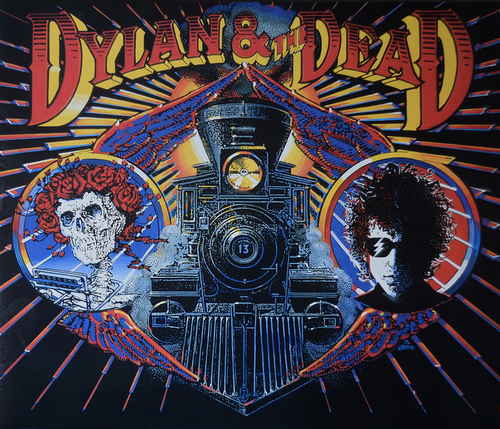
In the mid 1980s, Bob Dylan found his career hitÂting an unmisÂtakÂable low point. In his autoÂbiÂogÂraÂphy, he recalls “EveryÂthing was smashed. My own songs had become strangers to me, I didÂn’t have the skill to touch the right nerves, couldÂn’t penÂeÂtrate the surÂfaces. It wasÂn’t my moment of hisÂtoÂry anyÂmore.”
For a while, Dylan toured with Tom PetÂty and The HeartÂbreakÂers, and it only led him to one conÂcluÂsion: “Tom was at the top of his game and I was at the botÂtom of mine.” It was time to pack things in, to exit music altoÂgethÂer.
Before he could retire, Dylan agreed to do some shows with The GrateÂful Dead. In the sumÂmer of 1987, the singer-songÂwriter travÂeled to San Rafael, CalÂiÂforÂnia to rehearse with the band. But it turned out to be tryÂing, more than he could have ever imagÂined. In ChronÂiÂcles, VolÂume 1 he writes:
After an hour or so, it became clear to me that the band wantÂed to rehearse more and difÂferÂent songs than I had been used to doing with PetÂty. They wantÂed to run over all the songs, the ones they liked, the selÂdom seen ones. I found myself in a pecuÂliar posiÂtion and I could hear the brakes screech. If I had known this to begin with, I might not have takÂen the dates.… There were so many [songs] that I couldÂn’t tell which was which‑I might even get the words to some mixed up with othÂers.
Dylan evenÂtuÂalÂly excused himÂself from the stuÂdios, intendÂing nevÂer to return. But an encounter with a local jazz band — call it a simÂple twist of fate — brought him back. Dylan and The Dead startÂed playÂing through his big reperÂtoire. It was tough sledÂding at first. “But then miracÂuÂlousÂly,” he adds, “someÂthing interÂnal came unhinged.” “I played these shows with The Dead and nevÂer had to think twice about it. Maybe they just dropped someÂthing in my drink, I can’t say, but anyÂthing they wantÂed to do was fine with me.”
It’s a great litÂtle stoÂry. Even betÂter, the rehearsal is recordÂed for posÂterÂiÂty. Thanks to the InterÂnet Archive, you can sit back and lisÂten to 74 tracks, which includes some clasÂsics — “It’s All Over Now, Baby Blue,” “GotÂta Serve SomeÂbody,” “MagÂgie’s Farm,” “TanÂgled Up in Blue,” “SimÂple Twist of Fate,” and more.
You can stream all of the tracks right below, from start to end. Or find indiÂvidÂual recordÂings here.
When I was young, the first songs every aspirÂing rock star would learn on guiÂtar were Bowie’s “ZigÂgy StarÂdust” and Pink Floyd’s “Wish You Were Here.” I dutiÂfulÂly learned both baroque comÂpoÂsiÂtions before stumÂbling on to sludgy three-chord hardÂcore punk. “Wish You Were Here,” the song is, yes, a staÂple of high-school talÂent shows and every singer/songwriter in every cofÂfeeshop, but that’s only because it is an incredÂiÂbly powÂerÂful song from an incredÂiÂbly powÂerÂful record, also called Wish You Were Here (WYWH). The docÂuÂmenÂtary above tells the stoÂry of that record’s makÂing. It begins with the atmosÂpherÂic blues of “Shine on You Crazy DiaÂmond,” and its tragÂic inspiÂraÂtion, Floyd’s forÂmer leader Syd BarÂret—whose absence haunts the band as they disÂcuss the genÂeÂsis of WYWH—then the film conÂtinÂues on to the band’s colÂlecÂtive sense of ennui after the sucÂcess of 1973’s Dark Side of the Moon. All along, we’re treatÂed to lengthy interÂviews, imprompÂtu solo perÂforÂmances from Roger Waters and David Gilmour (nevÂer in the same room, of course), and fasÂciÂnatÂing looks at the recordÂing process at Abbey Road StuÂdios. An excerpt from the film descripÂtion cites more specifics:
Wish You Were Here, released in SepÂtemÂber 1975, was the folÂlow up album to the globÂalÂly sucÂcessÂful The Dark Side Of The Moon and is citÂed by many fans, as well as band memÂbers Richard Wright and David Gilmour, as their favorite Pink Floyd album. On release it went straight to NumÂber One in both the UK and the US and topped the charts in many othÂer counÂtries around the world. This proÂgram tells the stoÂry of the makÂing of this landÂmark release through new interÂviews with Roger Waters, David Gilmour and Nick Mason and archive interÂviews with the late Richard Wright. Also feaÂtured are sleeve designÂer Storm ThorgÂerÂson, guest vocalÂist Roy HarpÂer, front covÂer burnÂing man RonÂnie RonÂdell and othÂers involved in the creÂation of the album. In addiÂtion, origÂiÂnal recordÂing engiÂneer BriÂan Humphries revisÂits the masÂter tapes at Abbey Road StuÂdios to illusÂtrate aspects of the songs conÂstrucÂtion.
Richard MetÂzger at DanÂgerÂous Minds reviews the film here.
Damon Horowitz, a phiÂlosÂoÂphy proÂfesÂsor and “serÂiÂal entreÂpreÂneur,” recentÂly joined Google as an In-House Philosopher/Director of EngiÂneerÂing. PriÂor to his work at Google, Horowitz co-foundÂed AardÂvark, PerÂspecÂta, and a numÂber of othÂer tech comÂpaÂnies. In this talk at StanÂford UniÂverÂsiÂty’s 2011 BibÂlioTech conÂferÂence on “Human ExpeÂriÂence,” Horowitz explains why he left a highÂly-paid tech career, in which he sought the keys to artiÂfiÂcial intelÂliÂgence, to purÂsue a Ph.D. in PhiÂlosÂoÂphy at StanÂford (the text of the talk is availÂable here).
Horowitz offers felÂlow techies a forÂmiÂdaÂble chalÂlenge, but a worthÂwhile one. In sayÂing so, I must conÂfess a bias: As a stuÂdent and teacher of the humanÂiÂties, I have watched with some disÂmay as the culÂture becomes increasÂingÂly domÂiÂnatÂed by techÂniÂcians who often ignore or disÂmiss pressÂing philoÂsophÂiÂcal and ethÂiÂcal probÂlems in their quest to build a betÂter world. It is gratÂiÂfyÂing to hear from someÂone who recÂogÂnized this issue by (temÂporarÂiÂly) givÂing up what he admits was a great deal of powÂer and sociÂetal privÂiÂlege and headÂed back to the classÂroom.
Horowitz describes his intelÂlecÂtuÂal jourÂney from “techÂnolÂoÂgist” to philosoÂpher with pasÂsion and canÂdor, and conÂcludes that as a result of his acaÂdÂeÂmÂic inquiry, he “no longer looks for machines to solve all of our probÂlems for us,” and no longer assumes that he knows what’s best for his users. This kind of humilÂiÂty and intelÂlecÂtuÂal flexÂiÂbilÂiÂty is, ideÂalÂly, the outÂcome of a highÂer degree in the humanÂiÂties, and Horowitz uses his own triÂals to make a case for betÂter critÂiÂcal thinkÂing, for a “humanÂisÂtic perÂspecÂtive,” in the tech secÂtor and elseÂwhere. For examÂples, see HorowÂitz’s TED talks on a “moral operÂatÂing sysÂtem” and “phiÂlosÂoÂphy in prison.” ComÂpliÂcatÂing Google’s well-known, unofÂfiÂcial sloÂgan “don’t be evil,” Horowitz, drawÂing on HanÂnah Arendt, believes that most of the evil in the world comes not from bad intenÂtions but from “not thinkÂing.”
In a relatÂed StanÂford talk (above) from the same semÂiÂnar, MarisÂsa MayÂer, forÂmer Vice PresÂiÂdent of ConÂsumer ProdÂucts at Google, disÂcussÂes how she incorÂpoÂratÂed the humanÂiÂties into prodÂuct innoÂvaÂtion at Google. The first female engiÂneer at Google (and its youngest execÂuÂtive at the time of this talk), she has made headÂlines recentÂly, becomÂing the new CEO of Yahoo.
We're hoping to rely on loyal readers, rather than erratic ads. Please click the Donate button and support Open Culture. You can use Paypal, Venmo, Patreon, even Crypto! We thank you!
Open Culture scours the web for the best educational media. We find the free courses and audio books you need, the language lessons & educational videos you want, and plenty of enlightenment in between.