Discovered: Conversation with John Lennon, Yoko Ono, and Timothy Leary at Montreal Bed-In (1969)

On May 26, 1969, John Lennon and Yoko One began their sec­ond “Bed-In,” a form of anti-Viet­nam War protest that com­bined the media impact of a press con­fer­ence with the com­fort of hotel sheets. Their first Bed-In, which hap­pened in var­i­ous rooms of the Ams­ter­dam Hilton in late March of that year, saw them grant inter­view after inter­view about peace all day long with­out mov­ing from the bed in which they had ensconced them­selves. They’d sched­uled its fol­low up in New York City, but Lennon found he could­n’t enter the Unit­ed States due to a pre­vi­ous con­vic­tion for mar­i­jua­na pos­ses­sion. They relo­cat­ed it to the Bahamas, where the heat soon prompt­ed them to move again to the entire­ly cool­er Queen Eliz­a­beth Hotel in Mon­tre­al. There they record­ed the song “Give Peace a Chance,” aid­ed by such vis­i­tors as Tom­my Smoth­ers, Dick Gre­go­ry, Mur­ray the K, and psy­che­del­ic drug advo­cate Tim­o­thy Leary.

But Leary did­n’t just come to pro­vide a back­ing vocal. With his wife Rose­mary, he record­ed a con­ver­sa­tion with Lennon and Ono about… well, about a vari­ety of sub­jects, but they’d all fall under the broad head­ing of Leary’s one great pur­suit, “con­scious­ness.” Only recent­ly did Leary archivist Michael Horowitz dis­cov­er the tran­script of this ses­sion in “an unmarked enve­lope in a box of mis­cel­la­neous papers,” and this week the Tim­o­thy Leary Archives made it avail­able to the pub­lic for the first time ever. The con­ver­sa­tion begins with the fin­er points of teepee life, moves on to the effects of place on one’s state of mind, touch­es on both cou­ples’ hav­ing found them­selves on the wrong side of drug law enforce­ment, and ends with Lennon and Leary com­par­ing notes on how they use the media to con­vey their mes­sage:

TIMOTHY: John, about the use of the mass media … the kids must be taught how to use the media. Peo­ple used to say to me–I would give a rap and some­one would get up and say, “Well, what’s this about a reli­gion? Did the Bud­dha use drugs? Did the Bud­dha go on tele­vi­sion? I’d say, “Ahh—he would’ve. He would’ve….”

JOHN: I was on a TV show with David Frost and Yehu­di Menuhin, some cul­tur­al vio­lin­ist y’know, they were real­ly attack­ing me. They had a whole audi­ence and every­thing. It was after we got back from Amsterdam…and Yehu­di Menuhin came out, he’s always doing these Hin­du num­bers. All that pious bit, and his school for vio­lin­ists, and all that. And Yehu­di Menuhi said, “Well, don’t you think it’s nec­es­sary to kill some peo­ple some times?” That’s what he said on TV, that’s the first thing he’s ever said. And I said, “Did Christ say that? Are you a Chris­t­ian?” “Yeah,” I said, and did “Christ say any­thing about killing peo­ple?” And he said, “Did Christ say any­thing about tele­vi­sion? Or gui­tars?”

To learn more about Lennon and Ono’s Bed-Ins, you can vis­it the 70-minute doc­u­men­tary Bed Peace (below), pre­vi­ous­ly fea­tured on Open Cul­ture and still freely view­able on YouTube:

Relat­ed con­tent:

Tim­o­thy Leary’s Wild Ride and the Fol­som Prison Inter­view

Beyond Tim­o­thy Leary: 2002 Film Revis­its His­to­ry of LSD

Bed Peace Star­ring John Lennon & Yoko Ono (Free for Lim­it­ed Time)

Col­in Mar­shall hosts and pro­duces Note­book on Cities and Cul­ture. Fol­low him on Twit­ter at @colinmarshall.

Jean-Luc Godard Takes Cannes’ Rejection of Breathless in Stride in 1960 Interview

It will sur­prise no one famil­iar with Jean-Luc Godard and his mas­ter­piece Breath­less (À bout de souf­fle) that the film and its direc­tor were invit­ed to the Cannes Film Fes­ti­val in 1960, months after the movie’s release. Maybe more sur­pris­ing is that Breath­less was­n’t actu­al­ly screened at the fes­ti­val at all, but at a the­ater near­by on the Rue d’Antibes, and it did not win any awards. (The Palme d’Or that year went to Fed­eri­co Fellini’s La Dolce Vita. In the inter­view above, Godard—looking both poised and a lit­tle annoyed—fields ques­tions from a slight­ly obnox­ious reporter about the exclu­sion of Breath­less and his rep­u­ta­tion as a trou­ble­mak­er.

Despite the Cannes slight, there was no lack of acco­lades for the film and its direc­tor that year. Breath­less won the 1960 Prix Jean Vigo, and Godard was named Best Direc­tor at the Berlin Film Fes­ti­val. Devel­oped from a true-crime sketch by Godard­’s fel­low New Wave direc­tor François Truf­faut, Breath­less rev­o­lu­tion­ized French film in the 60s, giv­ing rise to French New Wave cin­e­ma. And it sparked sim­i­lar “new waves” inter­na­tion­al­ly, direct­ly inspir­ing the grit­ty 70s films by Amer­i­can upstarts Bri­an de Pal­ma, Mar­tin Scors­ese, and Den­nis Hop­per. The film’s lead, Jean-Paul Bel­mon­do, would go on to mega-star­dom in French cin­e­ma, and he received Cannes’ high­est hon­or for his per­for­mance in Breath­less more than 50 years after the film’s release. Sad­ly, Breathless’s female lead Jean Seberg com­mit­ted sui­cide in 1979. In a short inter­view below, also from 1960, she dis­cuss­es her roles in Otto Preminger’s Saint Joan and Godard’s Breath­less.

The mer­cu­r­ial Godard—who, now in his eight­ies, provoca­tive­ly declares that “film is over”—was ini­tial­ly inspired by rad­i­cal Marx­ist pol­i­tics, and he con­sid­ered his work an avant-garde reac­tion against the mori­bund “Tra­di­tion of Qual­i­ty” in French film­mak­ing. Breath­less was made on a low bud­get and shot entire­ly with an Éclair Came­flex hand-held cam­era to approx­i­mate a doc­u­men­tary style—commonplace today in film and tele­vi­sion, but in 1960, it made a unique aes­thet­ic state­ment.

Bruce Springsteen Singin’ in the Rain in Italy, and How He Creates Powerful Imaginary Worlds

David Brooks, the sage New York Times op-ed writer, begins yes­ter­day’s thought piece, The Pow­er of the Par­tic­u­lar, with these lines:

They say you’ve nev­er real­ly seen a Bruce Spring­steen con­cert until you’ve seen one in Europe, so some friends and I threw finan­cial san­i­ty to the winds and went to fol­low him around Spain and France. In Madrid, for exam­ple, we were reward­ed with a show that last­ed 3 hours and 48 min­utes, pos­si­bly the longest Spring­steen con­cert on record and one of the best. But what real­ly fas­ci­nat­ed me were the crowds.…

Here were audi­ences in the mid­dle of the Iber­ian Penin­su­la singing word for word about High­way 9 or Greasy Lake or some oth­er exot­ic locale on the Jer­sey Shore. They held up signs request­ing songs from the deep­est and most dis­tinct­ly Amer­i­can recess­es of Springsteen’s reper­toire.

The odd­est moment came mid­con­cert when I looked across the foot­ball sta­di­um and saw 56,000 enrap­tured Spaniards, pump­ing their fists in the air in fer­vent uni­son and bel­low­ing at the top of their lungs, “I was born in the U.S.A.! I was born in the U.S.A.!” Did it occur to them at that moment that, in fact, they were not born in the U.S.A.?

Brooks goes on to explain this phe­nom­e­non by intro­duc­ing the psy­cho­log­i­cal con­cept of “para­cosms,” which describes the cre­ation of pow­er­ful fan­ta­sy worlds. And he sug­gests that only the most dis­tinc­tive artists, the ones who come from a tru­ly par­tic­u­lar place, can cre­ate this spe­cial con­nec­tion with fans.  Spring­steen does just that. But part of his appeal is some­times his tran­scen­dence — his abil­i­ty to tran­scend his own music and embrace the uni­ver­sal spir­it of rock ‘n roll. Case in point: The Boss singing The Bea­t­les clas­sic “Twist and Shout” in Flo­rence ear­li­er this month. It’s rain­ing, rain­ing hard, but did any­one notice?

Thanks to Wired writer Steve Sil­ber­man for flag­ging that clip for us.…

by | Permalink | Make a Comment ( 5 ) |

Alfred Hitchcock Presents a Chilling Tale by Roald Dahl (1960)

“Good evening, ladies and gen­tle­men.” From 1955 to 1962, Alfred Hitch­cock greet­ed view­ers to his week­ly series Alfred Hitch­cock Presents with some ver­sion of this phrase, in his unmis­tak­able Eng­lish drawl. After the icon­ic intro­duc­to­ry sequence fea­tur­ing Hitch­cock step­ping into a caricature—drawn by himself—of his jow­ly pro­file, the vet­er­an direc­tor intro­duced the audi­ence to the week’s episode with a droll mono­logue writ­ten by long­time TV writer James B. Allardice, in which Hitch­cock would poke fun at him­self, the view­ers, and the show’s spon­sors. In addi­tion to Allardice, Hitchcock’s series relied on the tal­ents of sev­er­al well-known writ­ers, includ­ing lit­er­ary names like John Cheev­er, Robert Bloch (author of Psy­cho), and, most famous­ly, the much-loved Roald Dahl.

Pri­mar­i­ly known for his whim­si­cal, and often quite dark, children’s books (James and the Giant Peach, Char­lie and the Choco­late Fac­to­ry, Fan­tas­tic Mr. Fox), Dahl was also a nov­el­ist, screen­writer, and a writer of macabre short sto­ries for adults (he won three Edgars, or mys­tery writer awards). In 1958, Alfred Hitch­cock Presents adapt­ed Dahl’s sto­ry “Lamb to the Slaugh­ter.” And, two years lat­er in 1960, Dahl’s sto­ry “Man from the South” pro­vid­ed the basis for AHP’s most pop­u­lar episode (above). The episode stars Steven McQueen as a young man talked into a gris­ly wager by a mys­te­ri­ous fig­ure named Car­los, played by Peter Lorre. “Man from the South” was adapt­ed sev­er­al more times in the fol­low­ing years: in 1979 by Dahl him­self in a tele­vi­sion series called Tales of the Unex­pect­ed, again in the 1985 revival of AHP (star­ring John Hus­ton as Car­los), and in 1995 as the basis for Quentin Tarantino’s seg­ment in the film Four Rooms. With­out a doubt, how­ev­er, this orig­i­nal adap­ta­tion of Dahl’s sto­ry remains the most mem­o­rable and haunt­ing.

J. David Jones is cur­rent­ly a doc­tor­al stu­dent in Eng­lish at Ford­ham Uni­ver­si­ty and a co-founder and for­mer man­ag­ing edi­tor of Guer­ni­ca / A Mag­a­zine of Arts and Pol­i­tics.

Dick Cavett’s Epic Woodstock Festival Show (August, 1969)


Even if you nev­er tuned in back then, you need only watch a few famous clips of Dick Cavett in action to under­stand why he earned the rep­u­ta­tion of run­ning the first major Amer­i­can talk show that qual­i­fied as “cool,” “smart,” or “hip.” His oper­a­tion show­cased some of the most impor­tant ele­ments of late-six­ties and sev­en­ties Amer­i­ca, those that the oth­er talk shows tend­ed to ignore, mis­rep­re­sent, or sim­ply mis­un­der­stand. Cavett him­self embod­ied a sen­si­bil­i­ty, nei­ther strict­ly friv­o­lous nor strict­ly high-toned, that allowed him the widest pos­si­ble cul­tur­al range. “The idea that one man could be both play­ful and seri­ous was nev­er deemed to be quite nat­ur­al on Amer­i­can tele­vi­sion, and Cavett was regard­ed as some­thing of a freak even at the time,” wrote crit­ic and Cavett guest Clive James. “Even­tu­al­ly he paid the penal­ty for being sui gener­is in a medi­um that likes its cat­e­gories to be clear­ly marked.” For an idea of what that posi­tion enabled, just watch Cavet­t’s musi­cal guests: he had Frank Zap­pa, he had John Lennon, he had Janis Joplin for her final inter­view.

And then we have the “Wood­stock episode.” Aired on August 16, 1969, the day after the fes­ti­val, but taped mere hours after the last notes rang out in Bethel, it brought Cavett togeth­er with Jef­fer­son Air­plane, David Cros­by, Stephen Stills, and Joni Mitchell. (Jimi Hen­drix, though sched­uled to show up, played long at the fes­ti­val and wound up too “zonked” to appear on tele­vi­sion.) Specif­i­cal­ly, it brought them togeth­er on a strik­ing­ly elab­o­rate, aggres­sive­ly col­or­ful one-off set that seat­ed host and guests on a cir­cle of what look like Nau­gahyde marsh­mal­lows. What­ev­er the aes­thet­ic trans­gres­sions of this broad­cast’s design, they lead to more than one mem­o­rable moment in talk-show his­to­ry, as when Cavett tears off in frus­tra­tion the tacky scarf his staff insist­ed he tie on for the occa­sion. Pull up the Wood­stock episode on YouTube for the per­for­mances — Mitchel­l’s “Chelsea Morn­ing” and Jef­fer­son Air­plane’s “Some­body to Love” fea­tur­ing Cros­by, to name two — but stay for the con­ver­sa­tion, espe­cial­ly the part when Cavett responds to Grace Slick call­ing him “Jim” one time too many: “You’ve got to learn my name, Miss Joplin!”

Relat­ed con­tent:

George Har­ri­son in the Spot­light: The Dick Cavett Show (1971)

John Lennon and Yoko Ono on the Dick Cavett Show

Col­in Mar­shall hosts and pro­duces Note­book on Cities and Cul­ture. Fol­low him on Twit­ter at @colinmarshall.

Johnny Depp Recites ‘Chorus 113’ from Kerouac’s Mexico City Blues

In 1995 John­ny Depp made a cameo appear­ance on an improb­a­ble TV mini-series called The Unit­ed States of Poet­ry. The series was broad­cast on PBS and fea­tured high­ly styl­ized vignettes spot­light­ing a range of poets–Joseph Brod­sky, Derek Wal­cott, Czes­law Milosz and Allen Gins­berg to name but a few–along with some famous names bet­ter known for their work in oth­er fields–Lou Reed,  Leonard Cohen, Jim­my Carter–in six fast-mov­ing episodes, each tied to a theme. Depp appeared in “Show Five: The Word” to read from a poem by one of his own idols, Jack Ker­ouac.

In the scene above, Depp reads a selec­tion from Ker­ouac’s 1959 book of impro­vi­sa­tion­al verse, Mex­i­co City Blues: 242 Cho­rus­es. “I want to be con­sid­ered a jazz poet,” Ker­ouac writes in the intro­duc­tion to the book, “blow­ing a long blues in an after­noon jam ses­sion on Sun­day. I take 242 cho­rus­es; my ideas vary and some­times roll from cho­rus to cho­rus or from halfway through a cho­rus to halfway into the next.” Here’s the cho­rus Depp reads from:

Cho­rus 113

Got up and dressed up
         and went out & got laid
Then died and got buried
         in a cof­fin in the grave,
Man–
         Yet every­thing is per­fect,
Because it is emp­ty,
Because it is per­fect
         with empti­ness,
Because it’s not even hap­pen­ing.

Every­thing
Is Igno­rant of its own empti­ness–
Anger
Does­n’t like to be remind­ed of fits–

You start with the Teach­ing
         Inscrutable of the Dia­mond
And end with it, your goal
         is your start­ing­place,
No race has run, no walk
         of prophet­ic toe­nails
Across Ara­bies of hot
         meaning–you just
         numbly don’t get there

For more on John­ny Dep­p’s lit­er­ary inter­ests and Jack Ker­ouac’s lit­er­ary great­ness you can explore the Open Cul­ture archives, begin­ning with:

John­ny Depp Reads Let­ters from Hunter S. Thomp­son

Jack Ker­ouac reads from On the Road (1959)


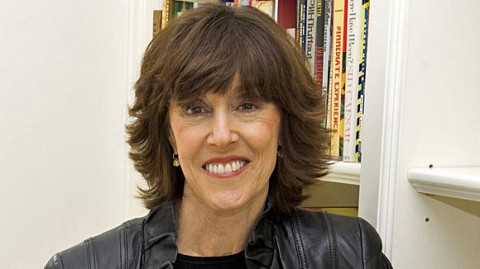
Nora Ephron’s Lists: “What I Will Miss” and “What I Won’t Miss”

By now, you’ve almost cer­tain­ly heard that Nora Ephron, the screen­writer best known for “Sleep­less in Seat­tle” and “When Har­ry Met Sal­ly,” died yes­ter­day in Man­hat­tan. She was 71. Her bout with leukemia appar­ent­ly was­n’t wide­ly known, but dis­cern­ing read­ers of her 2010 book, I Remem­ber Noth­ing, could have sensed some­thing was wrong. The book clos­es with two lists, each reveal­ing on a cou­ple of lev­els.

What I Will Miss

My kids · Nick · Spring · Fall · Waf­fles · The con­cept of waf­fles · Bacon · A walk in the park · The idea of a walk in the park · The park · Shake­speare in the Park · The bed · Read­ing in bed · Fire­works · Laughs · The view out the win­dow · Twin­kle lights · But­ter · Din­ner at home just the two of us · Din­ner with friends · Din­ner with friends in cities where none of us lives · Paris · Next year in Istan­bul · Pride and Prej­u­dice · The Christ­mas tree · Thanks­giv­ing din­ner · One for the table · The dog­wood · Tak­ing a bath · Com­ing over the bridge to Man­hat­tan · Pie

What I Won’t Miss

Dry skin · Bad din­ners like the one we went to last night · E‑mail · Tech­nol­o­gy in gen­er­al · My clos­et · Wash­ing my hair · Bras · Funer­als · Ill­ness every­where · Polls that show that 32 per­cent of the Amer­i­can peo­ple believe in cre­ation­ism · Polls · Fox · The col­lapse of the dol­lar · Joe Lieber­man · Clarence Thomas · Bar mitz­vahs · Mam­mo­grams · Dead flow­ers · The sound of the vac­u­um clean­er · Bills · E‑mail. I know I already said it, but I want to empha­size it. · Small print · Pan­els on Women in Film · Tak­ing off make­up every night

via Showbiz411

by | Permalink | Make a Comment ( 3 ) |

Bob Dylan Classic, “Forever Young,” Animated for Children

Bob Dylan record­ed “For­ev­er Young” on his 1974 album Plan­et Waves. It’s a clas­sic “pater­nal love song,” a song inspired by his then four year-old son Jakob, who lat­er became the front­man of The Wall­flow­ers. Count­less musi­cians have since cov­ered this Dylan stan­dard — from Joan Baez and John­ny Cash to Rod Stew­art, The Pre­tenders, Eddie Ved­der and even Norah Jones, who sang a poignant ver­sion at Steve Jobs’ memo­r­i­al ser­vice last year.

The lyrics of “For­ev­er Young” lend them­selves per­fect­ly to a chil­dren’s book:

May you grow up to be right­eous
May you grow up to be true
May you always know the truth
And see the lights sur­round­ing you
May you always be coura­geous
Stand upright and be strong
May you stay for­ev­er young
For­ev­er young, for­ev­er young
May you stay for­ev­er young

And so, in 2008, Dylan teamed up with Paul Rogers to pub­lish the illus­trat­ed ver­sion of For­ev­er Young. The lyrics are the only text; and the illus­tra­tions (high­light­ed in the video above) pro­vide the real nar­ra­tive, show­ing a young­ster com­ing of age in the folk scene of 1960s Green­wich Vil­lage. The book (avail­able in paper and dig­i­tal for­mats) is a plea­sure to read to kids. But it’s even bet­ter when they read it to you…

« Go BackMore in this category... »
Quantcast